Breakthroughs and Comebacks That Lit Up WTA 2025

Amid a season of scattered major titles and deepening talent, players turned personal pressures into triumphs on shifting surfaces, from Paris clay to Melbourne heat, etching moments that blended raw strategy with unyielding spirit.
The 2025 Hologic WTA Tour closed with five champions sharing the four majors and the Riyadh Finals crown, a testament to the circuit’s fierce parity where every surface demanded fresh adaptations. Hard courts in Melbourne and New York rewarded explosive returns and net rushes, while clay in Paris and Rome favored extended rallies laced with topspin and underspin variations. Grass at Wimbledon tested quick adjustments to low bounces, yet the real pulse lay in how players harnessed crowd energy and inner resolve to flip deficits into defining wins, their tactical pivots echoing through packed stadiums.
Gauff reclaims throne on red dirt
Coco Gauff entered Roland Garros shadowed by a 21-month major drought, her baseline game tested against the tour’s powerhouses on the slow, gripping clay. In the final against Aryna Sabalenka, she surrendered the first set but regrouped with deeper crosscourt backhands that pulled the Belarusian off the baseline, opening lanes for inside-in forehands that kissed the lines. This victory, her first French Open title, silenced doubters and reaffirmed her spot among the world’s top three, the Parisian crowd’s cheers amplifying her steady footwork in the decisive sets.
Brad Kallet pinpointed the emotional lift of that American success on European soil.
It always feels special when an American wins the French Open, and it was a reminder (in case anyone had forgotten) that Gauff is still one of the three best players on Earth.
Keys conquers Melbourne’s ghosts
Madison Keys arrived at the Australian Open with 45 Grand Slam main draws behind her, the sting of her 2017 US Open final loss to Sloane Stephens fueling a drive to finally convert talent into hardware on the medium-paced hard courts. She navigated a grueling path, pressuring Elena Rybakina’s serve with aggressive returns to the backhand side before wearing down Elina Svitolina through patient one–two combinations of serve and forehand. The semifinals against Iga Swiatek saw Keys disrupt the Pole’s rhythm with flat down-the-line shots, paving the way for a final triumph over Sabalenka where varied pace kept the world No. 1 guessing amid Melbourne’s humid intensity.
Greg Garber captured the breakthrough’s warmth, noting how Keys’ path through Danielle Collins, Rybakina, Svitolina, Swiatek, and Sabalenka shattered long-held doubts.
The Keys to victory!@Madison_keys caps an incredible fortnight with a breakthrough Grand Slam title!
She beats Collins, Rybakina, Svitolina, Swiatek and Sabalenka to claim the crown.@wwos • @espn • @eurosport • @wowowtennis • #AusOpen • #AO2025 pic.twitter.com/p2RdID6JQc— #AusOpen (@AustralianOpen) January 25, 2025
Williams sparks timeless inspiration
At 45, Venus Williams returned to Washington, D.C., courts after 16 months away, her first singles win over Peyton Stearns marking the oldest WTA Tour victory in more than 21 years—since her last in Cincinnati back in 2023. The indoor hard courts suited her booming serves and authoritative forehands, which she directed crosscourt to exploit Stearns’ positioning before closing points at net. This momentum carried to the US Open, where she stretched Karolina Muchova to three sets in the opener, her resilient retrieval forcing the eventual quarterfinalist into errors, and later teamed with Leylah Fernandez for a doubles quarterfinal run.
Noah Poser hailed the all-time great’s reemergence as the season’s heartfelt anchor.
Paolini delivers Italian ecstasy
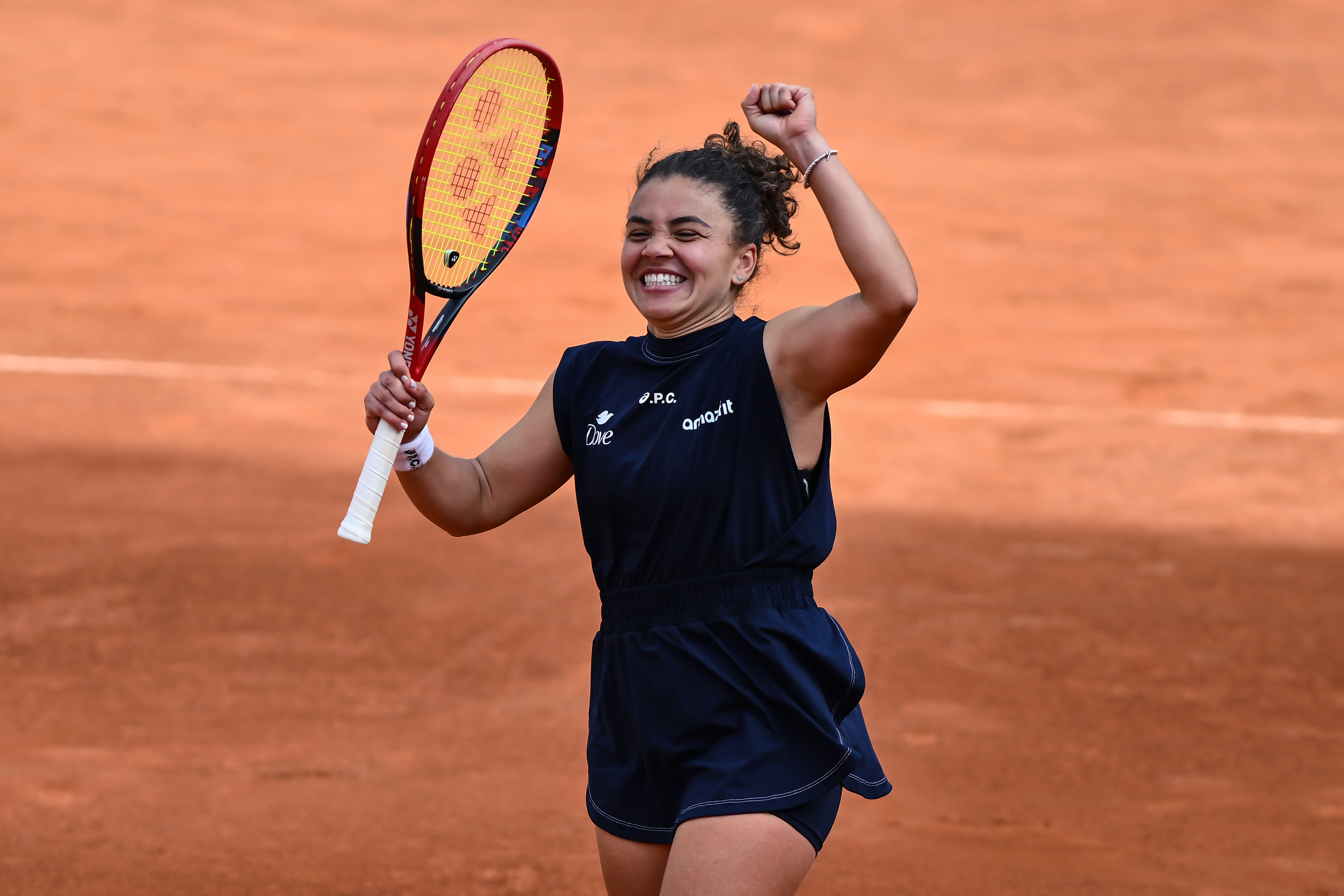
Jasmine Paolini stepped onto Rome’s clay carrying the weight of a 40-year national drought since Rafaella Reggi’s 1985 triumph at the Internazionali BNL d’Italia, her steady rallies blending topspin loops with sharp angles against a stacked field. In the final, with President Sergio Mattarella in the stands, she dismantled Gauff 6-4, 6-2 in 89 minutes, using underspin backhands crosscourt to neutralize the American’s power before unleashing down-the-line passes for the kill. The next day, she and Sara Errani claimed the doubles title, turning home pressure into a WTA 1000 double that electrified the Foro Italico faithful.
Cole Bambini emphasized the unique joy of that home-soil conquest.
Ito’s flair upends expectations
Unheralded qualifier Aoi Ito, ranked No. 110, faced her first top-10 opponent in Montreal’s second round, her quirky style of nonchalant forehand slices and unexpected touch already charming the hard-court crowd after erasing a match point in the second set. Against Paolini, Ito saved her boldest move for the decider’s match point: half-volleying a return and charging the net for a poached volley—her inaugural SABA tactic of the match—to seal a career-best upset. This inventive spark highlighted the tour’s depth, though a back injury sidelined her after the US Open, leaving fans craving more of her angle-driven chaos.
Alex Macpherson zeroed in on that singular, crowd-delighting shot as the year’s creative peak.
Bencic balances motherhood and mastery
Ten months after giving birth, Belinda Bencic strode into Abu Dhabi with her flat-hitting precision intact, reading the hard-court tempo to mix slice approaches with inside-out forehands that pinned opponents deep. Her calm shot selection dismantled the draw, culminating in a title that felt like an extension of her pre-maternity dominance, the desert sun glinting off her clean strikes as she controlled rallies with ease. The ceremony’s tender kiss to her daughter amid the trophy lift fused professional grit with life’s quiet victories, easing her reentry into a tour demanding constant adaptation.
Matt Wilansky reflected on the forehand’s enduring bite and the moment’s deeper resonance.
One for the memory books 📸🏆@BelindaBencic | #MubadalaAbuDhabiOpen pic.twitter.com/4UBAPDE2I3
— wta (@WTA) February 8, 2025
These flashes—from Gauff’s Parisian grit to Ito’s Montreal magic—wove through a season where parity forced relentless evolution, each player turning surface quirks and personal stakes into propulsion. As Riyadh’s echoes fade, the WTA heads into 2026 with talents honed sharper, ready to channel crowd roars and tactical edges into even bolder narratives across the globe.