Belinda Bencic’s Defiant Path Back to Elite Tennis

Seven months after motherhood, Belinda Bencic absorbs a bruising debut loss and builds toward titles and a top-15 finish, her fresh outlook turning obstacles into momentum on courts from Sydney to Tokyo.
Belinda Bencic’s first steps back on the tour in 2025 carried the weight of new beginnings. Seven months after giving birth to daughter Bella, she faced Jasmine Paolini in Sydney during United Cup play and absorbed a 6-1, 6-1 defeat that dropped her ranking to No. 487. The Olympic singles and doubles medalist, who last competed in September 2023, could have let the result linger, but motherhood had already rewritten her response to pressure.
From her home in northern Switzerland, Bencic framed the loss as a necessary jolt rather than a setback. She spent the aftermath with husband Martin Hromovic and Bella, watching waves crash along the shore, her focus shifting from scores to steady improvement. This neutral entry point, free of timelines, marked a departure from her pre-maternity intensity.
“Tough loss, but it was very expected,” Bencic said. “It was a good reality check.”
Motherhood unlocks mental resilience
Stepping away at the end of 2023, Bencic gave birth in April 2024, her mind far from tennis during pregnancy. Thirteen months after her final match, she returned for an ITF W75 event in Hamburg, entering with an open stance toward whatever came next—perhaps even a longer break if priorities shifted. By November, another ITF W75 followed, then a WTA 125 in Angers, France, where she defeated four top-250 players while still breastfeeding, only to fall to Alycia Parks in the final.
These early tests revealed a transformed body, demanding time to regain strength and endurance amid logistical strains. Yet they affirmed her capability, building quiet confidence as she prepared for Melbourne nine months postpartum. Defeating Jelena Ostapenko and Naomi Osaka there, Bencic’s flat groundstrokes regained precision, her inside-out forehands carving angles that pulled opponents off the baseline.
The mental pivot deepened with each outing. Before Bella, self-doubt often followed losses; now, daily affirmations anchored her. “But after having Bella,” she said, “I really say it to myself every day and I think that changes a lot.”
Tactical adaptations drive court dominance
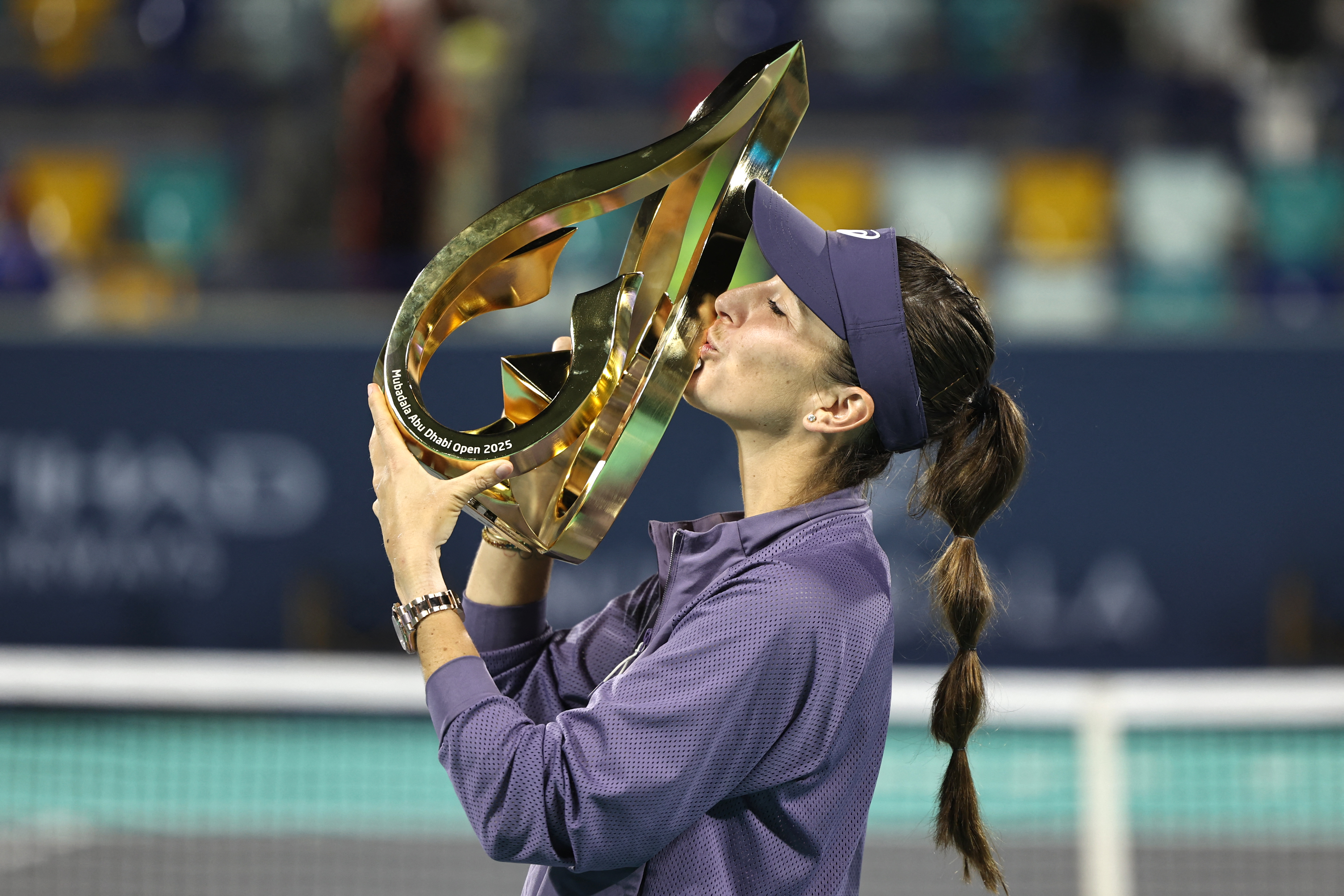
On the medium-paced hard courts of Australia, Bencic mixed underspin backhands with high-kicking second serves to disrupt aggressive returns, turning potential deficits into controlled exchanges. Her Abu Dhabi title soon materialized, where the fast outdoor surface rewarded her 1–2 pattern: a deep serve setting up crosscourt forehands that forced errors without overextending her recovering stamina. The crowd’s rising hum in the desert heat mirrored her building rhythm, each point a reclamation of pre-maternity power.
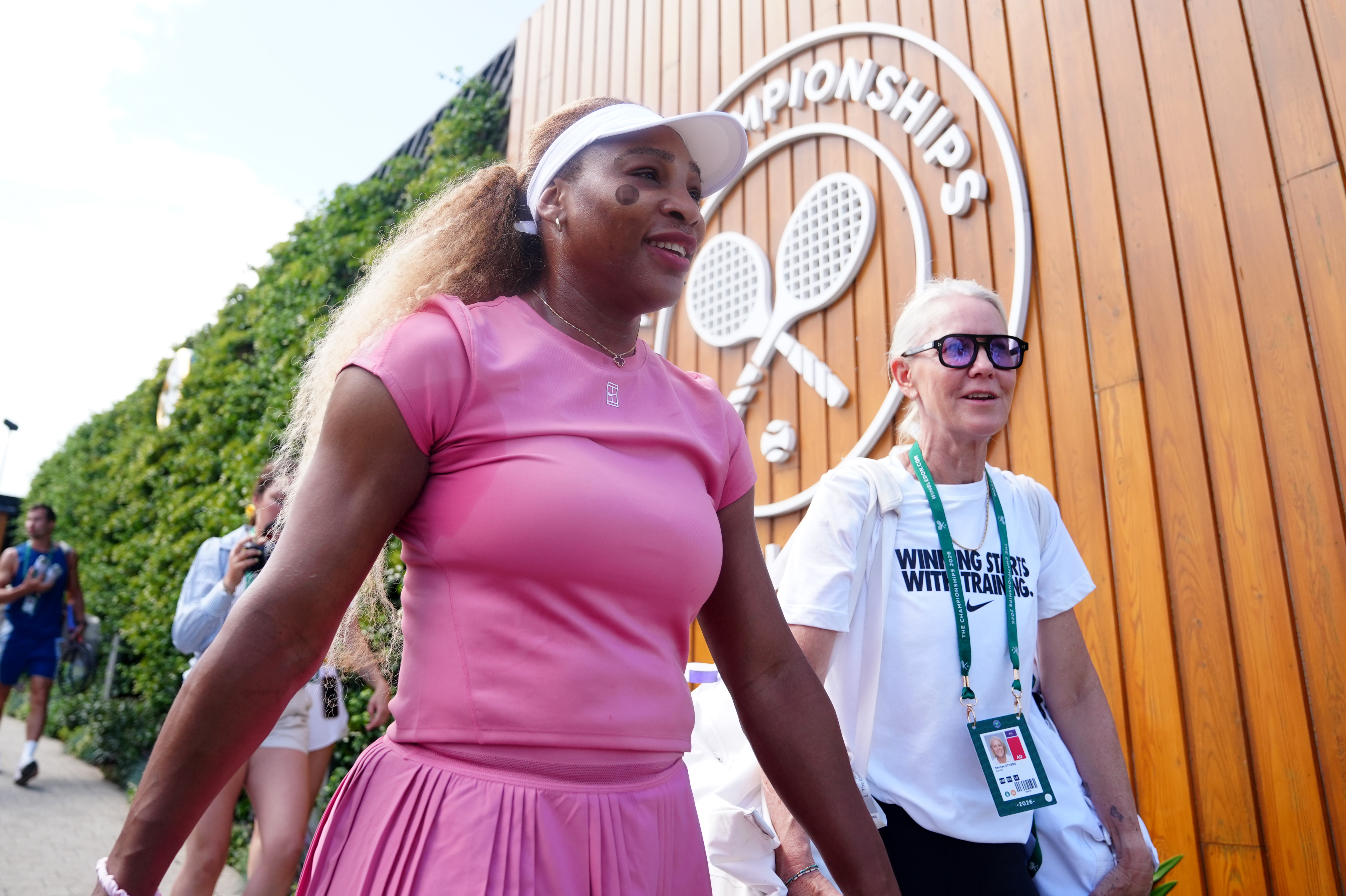
Wimbledon’s grass in July demanded quicker pivots, amplifying her flat serve and low slices that skidded through the damp turf. Rushing the net more boldly than before, she reached the semifinals—her second Grand Slam last-four appearance—using inside-in serves to the body followed by down-the-line backhand winners that hushed Centre Court. The low bounce suited her precise volleys, conserving energy in shorter points amid the tournament’s echoing cheers.
Tokyo’s indoor hard courts capped the year with another title, her slice serves curving to jam returners while forehand inside-in shots pierced defenses. From No. 487 after Sydney, these runs—netting over 700 points from Wimbledon alone—propelled her to No. 11, nearing her career-high No. 4. “I am surprised at the level that I played,” she reflected. “It’s been a crazy lot of work, and obviously it hasn’t been easy at all to come back. It’s been really tough on the body and really tough mentally, also logistically.”
Family support sustains the journey
At 28, Bencic’s surge relied on a tight-knit network, with Hromovic on full-time Bella duty and her parents alongside his forming what she terms a village—no nannies required. This setup carved out practice windows amid travel, easing the mental load of balancing baselines and baby bottles. It allowed her to channel energy into targeted training, aiming to shed lingering weight for sharper movement across surfaces.
Her path echoes WTA trailblazers like Kim Clijsters, who claimed three Grand Slams after her 2008 birth, and more recent returns by Victoria Azarenka, Serena Williams, Naomi Osaka, and Elina Svitolina. These stories bolstered Bencic’s resolve, proving comebacks possible without end-of-career rushes. “Absolutely, they helped me,” she said. “Because I had this option of coming back and being confident about it, that it’s possible because they showed that it is.”
The WTA’s 2025 Comeback Player of the Year honor celebrates this blend of grit and grace, though Bencic’s deepest pride lies in the harmony achieved. Looking to the United Cup for Switzerland after the new year, then Adelaide and the Australian Open, she eyes a rematch with Paolini in Perth—a tight three-setter this fall already signals her evolution. Plans for more children simmer, but without another full return; at this pace, she dictates her timeline, inspiring others to weave family into the fight. “I think it shows that we don’t have to choose between a family and a career,” Bencic said. “It shows also that it’s possible to do, even though your body is changing so much during pregnancy. I feel as athletes, if we work really hard, it’s possible. I hope it gives a lot of confidence to the next athletes that choose to become moms.” “It’s something I’m really proud of.” With her heavy topspin finding deeper grooves and family rhythms steady, Bencic’s blueprint points toward sustained contention, turning postpartum waves into winning serves.