Riyadh Welcomes Doubles’ Enduring Bonds and Bold Newcomers

Under Riyadh’s arena lights, eight doubles teams arrive with seasons of triumphs etched in resilience and reinvention, where the clash of styles and stories promises a finals field alive with tactical intrigue and emotional depth.
The WTA Finals in Riyadh pulses with the rhythm of doubles partnerships that have weathered highs and lows across 2025’s varied surfaces. From clay-court defenses to grass-court assaults, these eight duos blend veteran savvy with emerging fire, their paths converging in a round-robin format that amplifies every serve and volley. The desert venue’s indoor hard courts demand quick adjustments, turning a year’s worth of one–two combinations into decisive edges as teams vie for supremacy.
Italian duo defends era of dominance
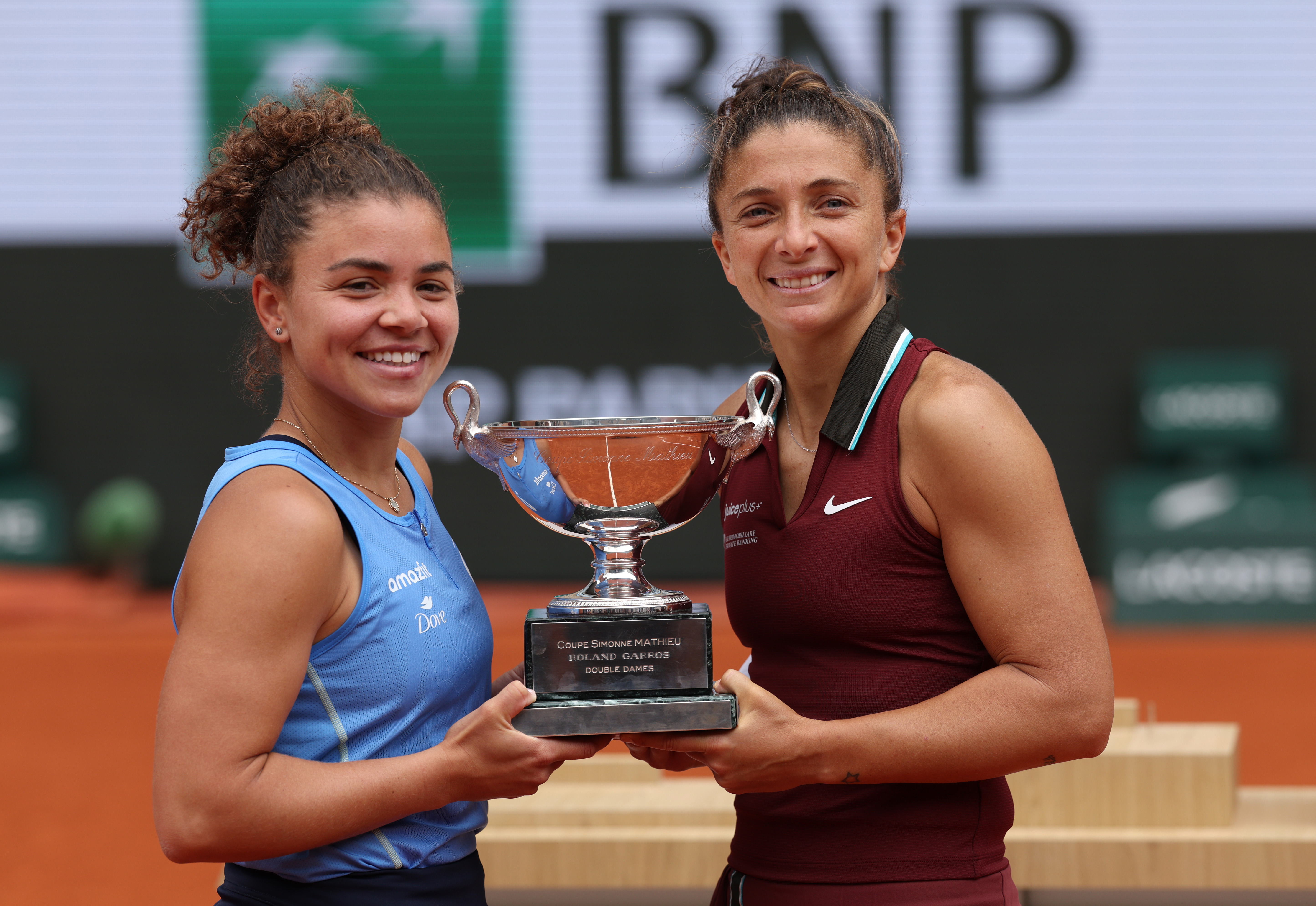
Sara Errani and Jasmine Paolini carry the weight of Italy’s doubles renaissance into Riyadh, their 2025 mirroring the precision of the previous year with a 33-10 record and four titles. They defended WTA 1000 crowns in Rome and Beijing while claiming a new one in Doha, their clay affinity shining through crosscourt lobs that pull opponents off-balance before inside-out finishes. The Roland Garros victory marked Paolini’s first Grand Slam doubles title and Errani’s return to major glory since Wimbledon 2014, a triumph that echoed their undefeated streak in the Billie Jean King Cup.
Errani’s mixed doubles defense at the US Open with Andrea Vavassori highlighted her adaptability against singles stars in the updated format, while Paolini’s back-to-back singles qualifications add another layer of intensity to their shared campaign. Last year, we called Olympic gold medalists Sara Errani and Jasmine Paolini “one of the defining partnerships of 2024.” That distinction now spans this era, as the pair enters tied at No. 3 in doubles rankings, having reached one final in Berlin. With Errani’s semifinal appearances in 2012 and 2013 alongside Roberta Vinci, they aim to advance beyond last year’s round-robin stage, their underspin slices disrupting rhythms on the faster hard courts.
one of the defining partnerships of 2024.
Resilience fuels champions’ return
Katerina Siniakova and Taylor Townsend showcase prolific versatility, Siniakova’s 10 Grand Slam titles and 32 career crowns across 10 partners complementing Townsend’s 11 victories with seven different allies. Their season started with a 12-match winning streak, securing the Australian Open for their second major together and adding Dubai, while a US Open final capped a run of at least quarterfinals in every Slam. Playing just seven tournaments, their 27-5 record reflects ruthless efficiency, Siniakova holding World No. 1 and Townsend at No. 2.
Siniakova’s net poaching pairs with Townsend’s powerful lefty serves to set up down-the-line winners, their approach rarely yielding before semifinals. As 2024 finalists, they build on Siniakova’s 2022 WTA Finals win with Barbora Krejcikova, the selective schedule sharpening their synchronization amid singles commitments. In Riyadh, after Siniakova’s six prior appearances and Townsend’s one, they target a year-end title, adjusting slice backhands to counter deep returns on the indoor surface.
Gabriela Dabrowski and Erin Routliffe return as defending champions, their 2024 WTA Finals victory deepened by personal adversity. Dabrowski’s breast cancer diagnosis in April 2024 sidelined her for two months of treatment, yet she rebounded with a Wimbledon final alongside Routliffe and an Olympic mixed doubles bronze with Felix Auger-Aliassime. Rib injuries kept her out of Roland Garros, but they still claimed three titles: Stuttgart on clay to complete a career surface sweep, Cincinnati, and a US Open reclaim from 2023, with a 27-13 record anchoring semifinal showings at the Australian Open and Wimbledon quarters.
Routliffe ranks No. 5 and Dabrowski No. 9, their North American hard-court surge exploiting opponents’ backhands with inside-in approaches before net rushes. The ordeal has fortified their bond, turning every point into a testament of grit. She has since said that the experience “shook me to my core of what it meant to be alive.” In Riyadh, drawing on six appearances for Dabrowski and two for Routliffe, they defend their crown with cautious volleys, the indoor pace favoring their one–two tempo against power-heavy foes.
shook me to my core of what it meant to be alive.
Veronika Kudermetova and Elise Mertens reunite after a two-year split, their 2022 WTA Finals title in Fort Worth sparking a mid-season pivot from faltering early pairings. Kudermetova’s work with Chan Hao-Ching and Mertens’ with Ellen Perez yielded losses until clay brought them back, leading to WTA 1000 finals in Madrid and Rome. Wimbledon’s grass-court title followed, Kudermetova’s first Slam and Mertens’ fifth, via topspin variety that neutralized aggressive returns with crosscourt passes.
A 25-7 record positions Mertens at No. 7 and Kudermetova at No. 10, their separation refining individual tactics like improved serve placements for down-the-line setups. With Mertens’ six prior Finals and Kudermetova’s two, this redemption arc tests their grass-to-hard transition in Riyadh, where serve-volley patterns could reprise past success amid the field’s pressure.
Youth and contrasts ignite fresh rivalries
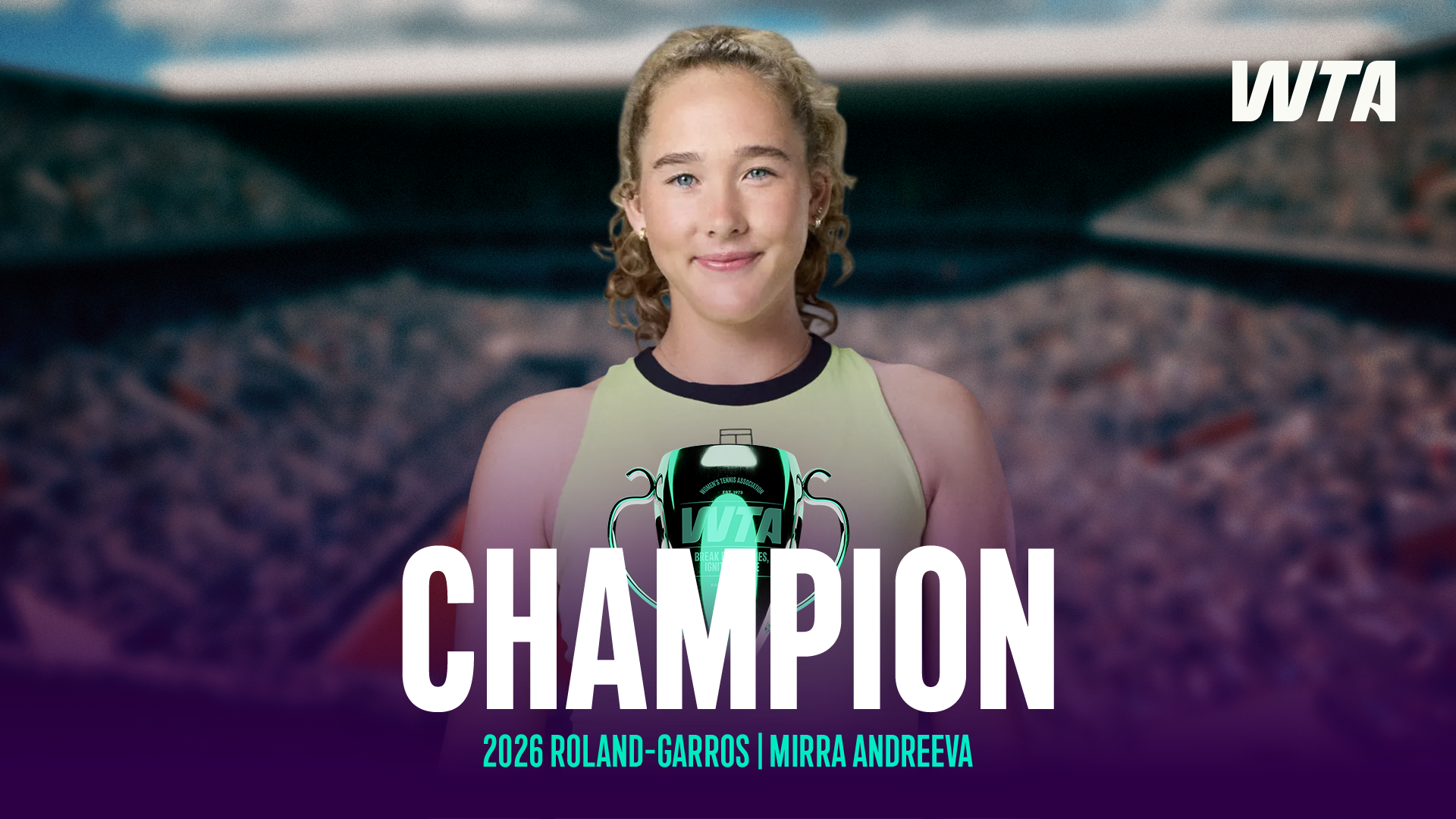
Mirra Andreeva and Diana Shnaider, at 18 and 21, emerge as the youngest qualifiers since Martina Hingis and Anna Kournikova in 2000, their combined age challenging doubles’ veteran norms. Olympic silver in 2024 prompted a full-season commitment, starting with an eight-match streak for the Brisbane title and Australian Open semifinals, followed by a WTA 1000 win in Miami and Roland Garros semis. A 29-12 record highlights Shnaider’s junior pedigree of three girls’ doubles Slams, blending with Andreeva’s speed for defensive retrieves that fuel one–two combinations.
Ranked No. 11 and No. 12 with no prior Finals, their baseline depth and crosscourt passing shots unsettle net players, the Miami breakthrough showcasing tactical maturity. The leap from Olympic one-offs to year-end stakes accelerates their growth, every rally a step toward endurance on Riyadh’s fast courts. Their freshness promises to disrupt established rhythms, turning uncharted territory into opportunity.
Hsieh Su-Wei and Jelena Ostapenko fuse finesse and power, initial skepticism yielding an Australian Open final in their debut. Three more finals followed—Dubai and Wimbledon—but titles eluded them, a 21-9 record marked by post-Wimbledon splits except Beijing. Ostapenko’s wins in Abu Dhabi with Ellen Perez and Charleston with Erin Routliffe underscore her range, Hsieh’s underspin slices contrasting Ostapenko’s booming groundstrokes to pressure prolonged exchanges.
At No. 6 and No. 8, with Hsieh’s five Finals and Ostapenko’s two but none together, stylistic extremes have built resilience despite the title drought. Hsieh’s 2013 win with Peng Shuai and Ostapenko’s 2022 semifinal with Lyudmyla Kichenok inform their approach, Riyadh offering a chance to channel chaos into victory through varied serve depths and inside-out forehands.
Timea Babos and Luisa Stefani break Babos’ four-year title drought since Roland Garros 2020, their collaboration yielding four 2025 wins: Linz, Strasbourg, Sao Paulo, and Tokyo, plus a Ningbo final. A 37-15 record stems from a switch mid-season from Nicole Melichar-Martinez, Stefani’s nine prior titles including three WTA 1000s now gaining consistency. Babos’ five straight Finals from 2015 to 2019, with three victories, return via this pairing, Stefani becoming the second Brazilian qualifier after Beatriz Haddad Maia in 2022.
Grand Slam quarterfinals reflect their evolution, Babos’ serves enabling Stefani’s poaching volleys in crosscourt rallies. Ranked No. 15 and No. 16 with no team prior appearances, Stefani’s debut adds emotional weight, their late surge carrying momentum into Riyadh’s intensity. The Hungarian-Brazilian link tests synchronization, every net cord a bid for breakthroughs.
Asia Muhammad and Demi Schuurs close the field with steady progress, their 25-20 record featuring Indian Wells and Queen’s titles—Muhammad’s second WTA 1000 and Schuurs’ sixth. Muhammad’s 11 trophies since her 2015 ‘s-Hertogenbosch win elevate to Finals level, paired with Schuurs’ sixth straight appearance across five partners. Schuurs’ semifinals in 2019 with Anna-Lena Groenefeld, 2021 with Nicole Melichar-Martinez, and 2022 with Desirae Krawczyk highlight her adaptability, their crosscourt returns controlling tempo against aggressive duos.
At No. 19 and No. 22 with no team history here, consistent teamwork counters star power, Muhammad’s persistence echoing in down-the-line lobs. Riyadh’s arena will amplify their quiet build, where tactical patience could yield upsets in the round-robin grind. As these pairs unpack their arsenals, the finals promise clashes that blend legacy’s fire with innovation’s spark, every match a step toward etching new chapters in doubles lore.