Coco Gauff rebounds toward Riyadh repeat

Through the peaks of Paris and valleys of summer frustration, Coco Gauff sharpened her serve and mindset, arriving at the WTA Finals with a flawless hard-court finals record and quiet fire to defend her crown.
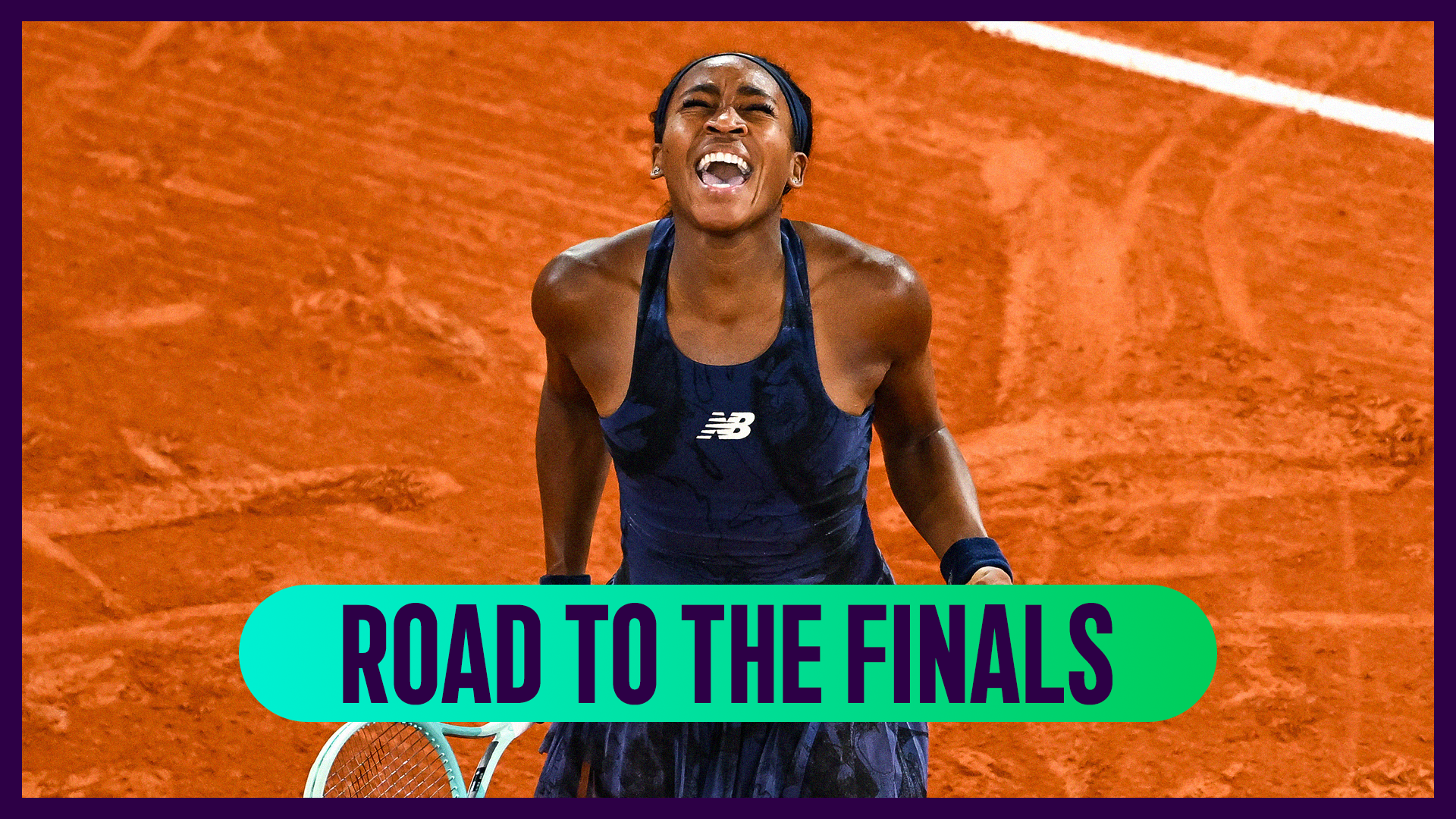
In the marathon of a 10-month tennis season, fortunes flip swiftly, testing even the elite with their blend of highs and abrupt descents. World No. 3 Coco Gauff captured that volatility in 2025, launching with nine straight wins in Australia where her quick feet and flat forehands carved through early draws on hard courts. She then owned clay, posting an 18-3 mark with finals runs in Madrid and Rome, before stunning World No. 1 Aryna Sabalenka at the French Open in early June—her second Grand Slam, sealed by crosscourt backhands that jammed the Belarusian’s power and inside-out forehands that stretched rallies into her favor.
Summer shadows test her resolve
Grass brought immediate reversal, a first-round Wimbledon exit underscoring serve glitches as double faults mounted under the slick conditions. Gauff sought help from biomechanics specialist Gavin MacMillan to overhaul her toss and motion, aiming to stabilize second serves and reduce errors on quicker surfaces. That mental strain carried into New York, where an early US Open departure revealed frayed focus, her frustration spilling over in heated exchanges amid the Arthur Ashe roar.
Yet vulnerability became fuel. After a tearful second-round victory over Donna Vekic, 7-6(5), 6-2, she reflected on resilience, a moment that echoed through her recovery.
“I just show people what it’s like to be human. I have bad days, but I think it’s more about how you get up after those bad moments, and how you show up after that. I think today I showed that I can get up after feeling the worst I’ve ever felt on the court.”
Asia unlocks calm dominance
The Asian swing offered escape, a circuit where pressure eased into rhythm for the 21-year-old American. Unburdened in Beijing, she claimed nine of 10 matches, her refined serve delivering aces on second balls and setting up one–two patterns—forehand inside-in to open the court, followed by down-the-line backhands that exploited gaps. Semifinals at the China Open led to a Wuhan Open title, where she dispatched Top 10 foes Jasmine Paolini and Jessica Pegula, her third WTA 1000 trophy amid the humid buzz of sold-out stadiums.
No one on the Hologic WTA Tour has notched more Asian wins than Gauff over the past three years; the hard courts amplify her underspin slices that skid low, forcing opponents into awkward replies, and her defensive speed that turns defense into counterpunches. This surge, blending tactical tweaks with serene headspace, lifted her overall record to 47-14, including a doubles 1000 in Montreal, positioning her as a rankings contender against leaders like Sabalenka, whose standard-setting year drew focus in Monday, Oct. 20: Road to the WTA Finals: How Sabalenka has set the standard in 2025, and Swiatek, whose versatility shone in Tuesday, Oct. 21: Road to the WTA Finals: Swiatek proved versatility is her greatest weapon.
Hard-court poise eyes history
Gauff’s clutch edge gleams on hard courts, where she’s triumphed in all nine WTA finals—a tour-record streak that underscores her Florida-bred endurance, absorbing heavy shots and redirecting them crosscourt to wear down foes. Observers highlight how her elite backhand and footwork transform grueling exchanges into opportunities, often overlooked amid serve discussions. This perfection fuels her arrival in Riyadh as defending champion, with momentum from Wuhan sharpening her bid for a repeat.
Last year’s Riyadh run embodied grit: an opening loss to Barbora Krejcikova, then victories over Pegula, a stunner against Iga Swiatek, and edging Sabalenka to the final, where she outlasted Zheng Qinwen 3-6, 6-4, 7-6(2) in a 3-hour, 4-minute thriller, the arena pulsing with every tiebreak point. Prior appearances—a 2022 group-stage exit, 2023 semifinals loss—paved this path, her French Open defining moment proving multi-surface mastery beyond the 2023 US Open breakthrough. Repeating would join elite company, like Kim Clijsters in 2003, Justine Henin in 2007, or Serena Williams in 2013 and 2014, a feat Brad Kallet views as validation of her maturity and bounce-back ability, especially post-serve woes.
Greg Garber points to her gamer instincts, that unyielding quickness and backhand solidity thriving under lights. With Riyadh’s indoor hard courts suiting her patterns—varied serves into one–two rallies—she carries Asia’s poise into the fray, ready to navigate elite matchups where every adjustment could tip the scales toward another crown, the court’s tension building like the crowd’s anticipatory hush before her next serve.