Rinderknech rises from retirement doubts to Shanghai final

Arthur Rinderknech’s path through the Shanghai Masters blended family rivalry with personal redemption, turning a season of near-quit into a career-high ranking after a tough final loss.
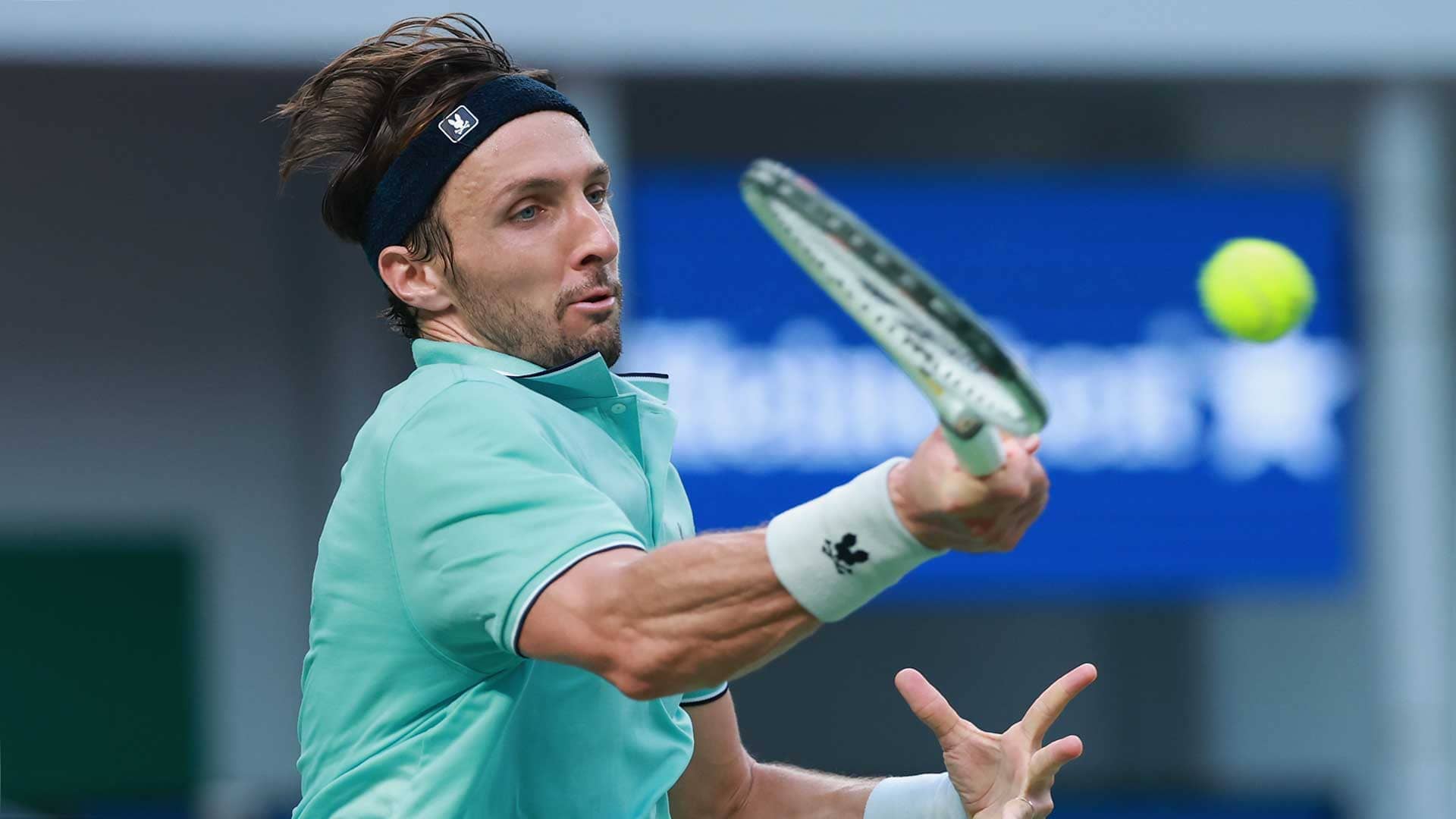
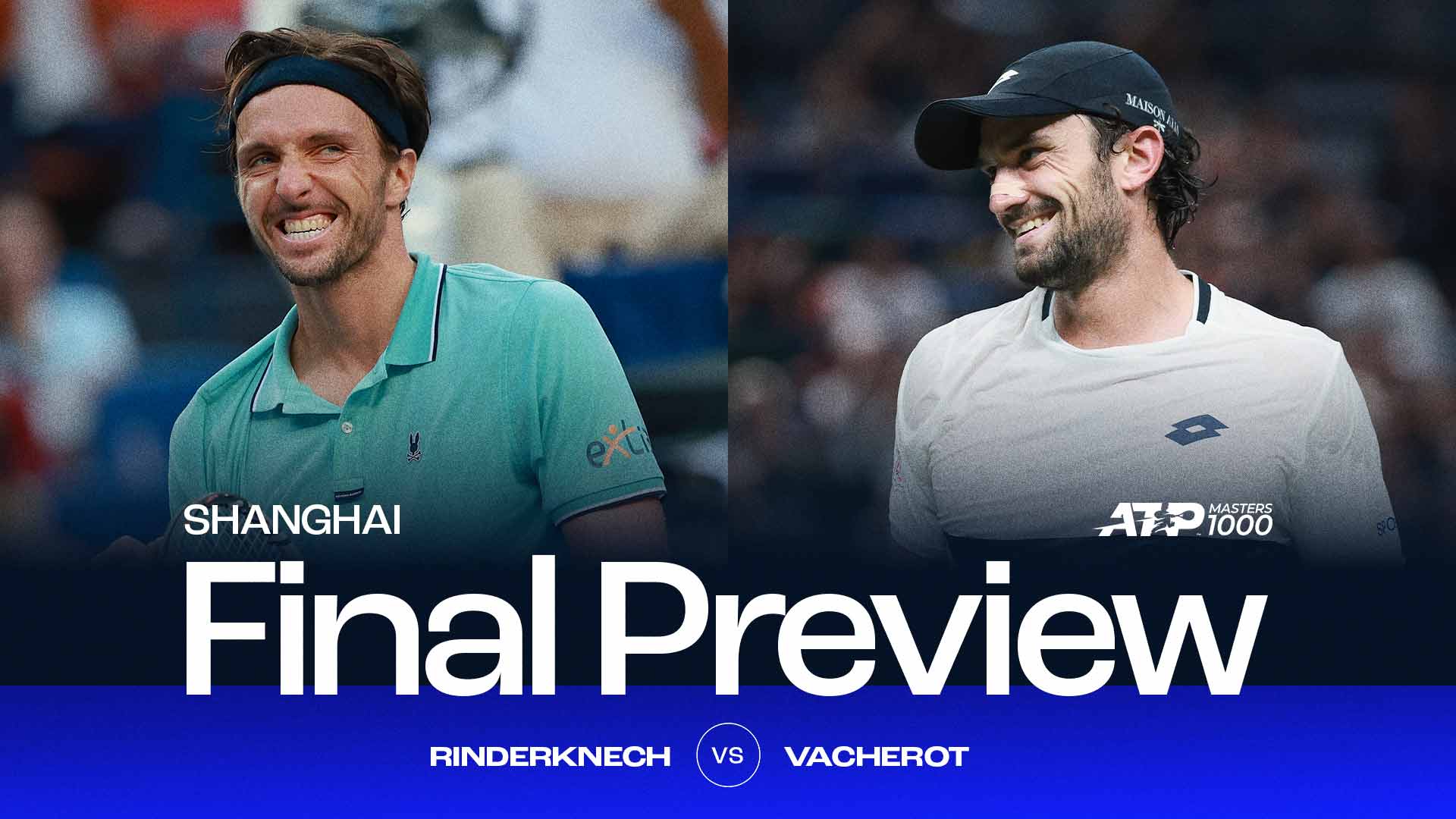
Under the humid glare of Qizhong Stadium lights, Arthur Rinderknech absorbed the sting of defeat in the Rolex Shanghai Masters final, his 6-4, 3-6, 3-6 loss to cousin Valentin Vacherot marking the end of a improbable run. The 30-year-old Frenchman had stormed through the draw, upsetting top seeds and climbing into uncharted territory, all while the crowd’s energy pulsed like the quickened balls on the hard courts. This championship match, laced with familial tension, highlighted not just tactical battles but the mental grit that pulled him back from the edge five months earlier.
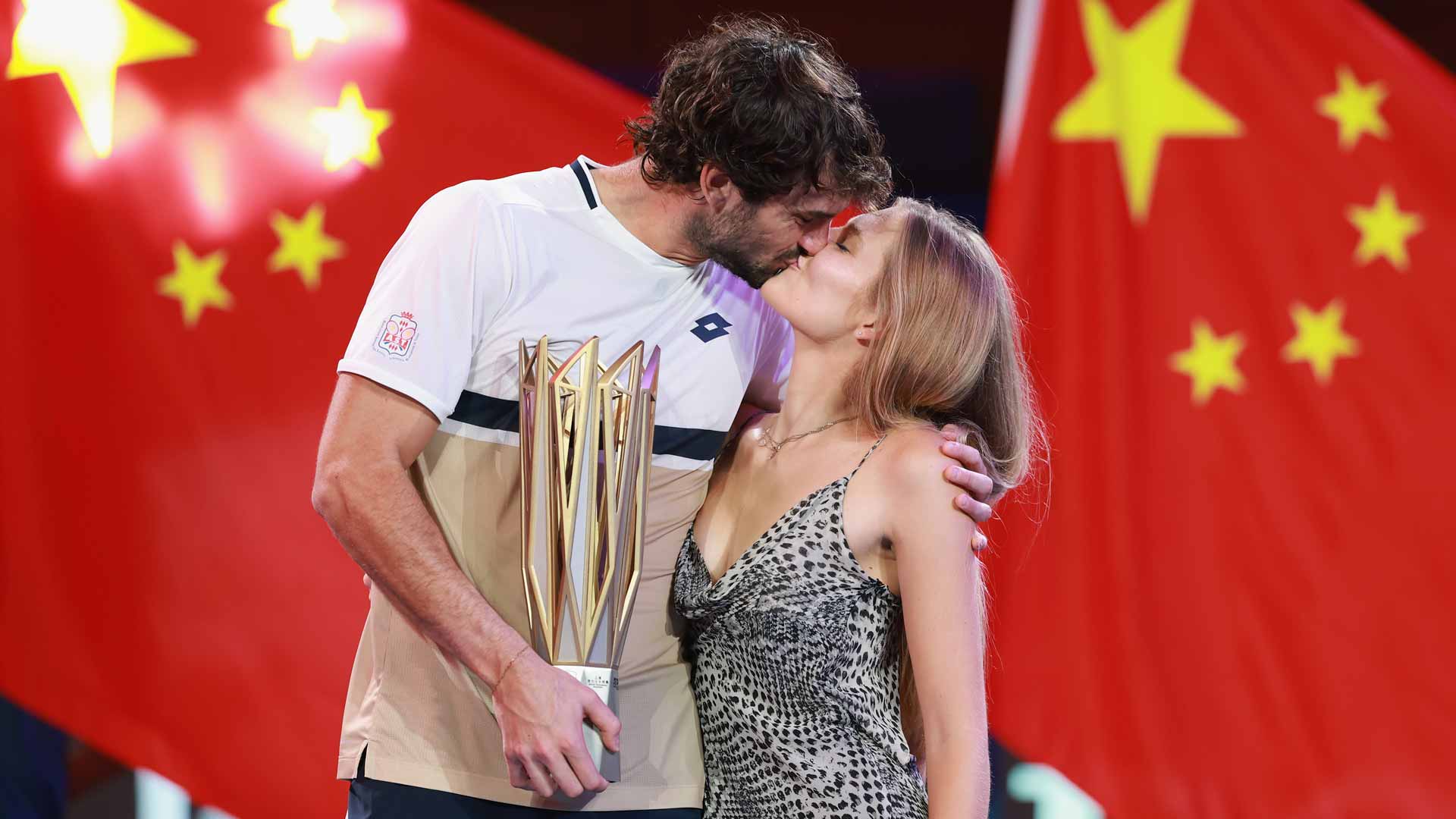
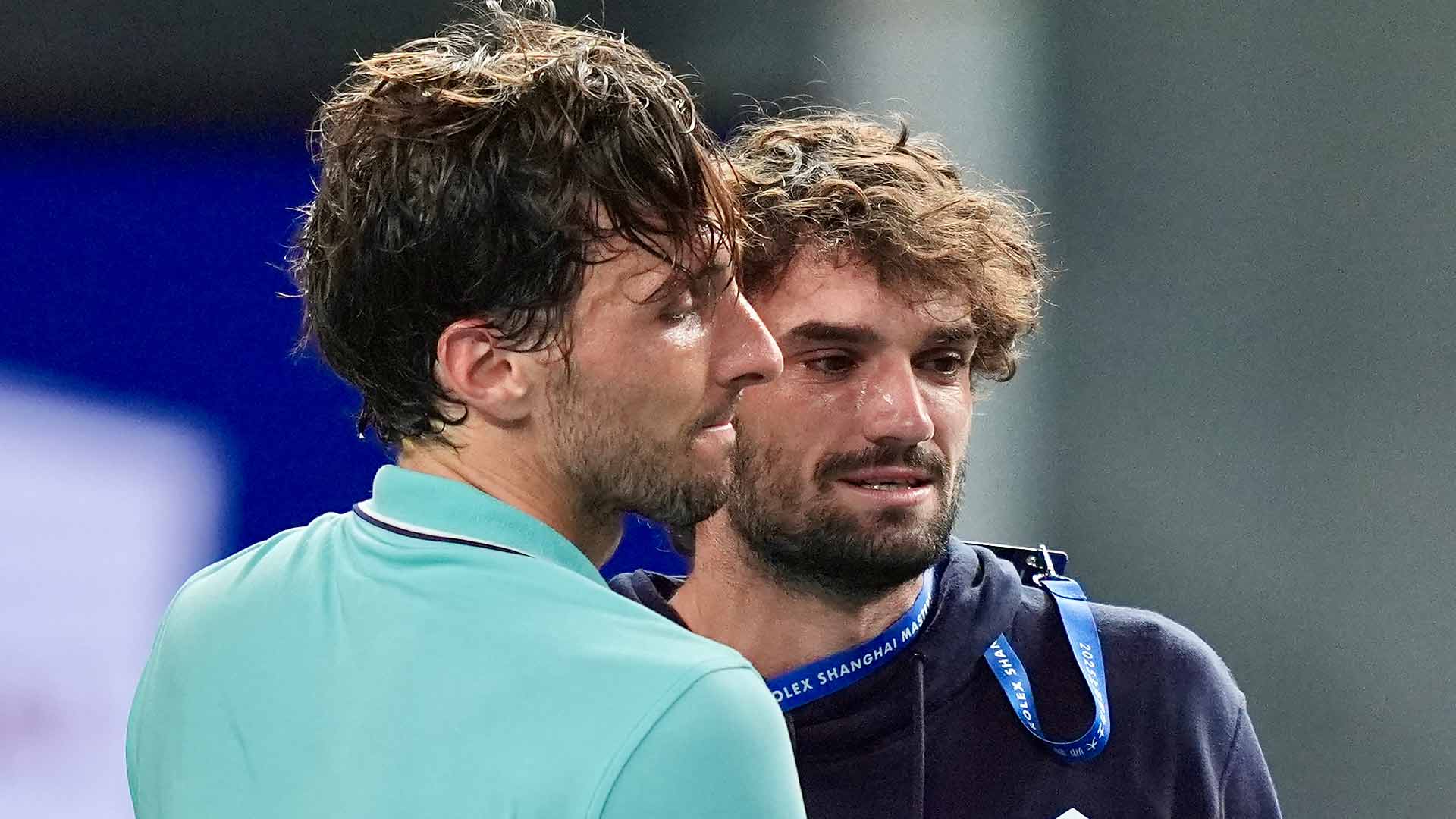
Before the trophy ceremony, rivals shared a moment that underscored the event’s warmth, family ties holding firm amid the competition.
Did you ever think you’d see this before a trophy ceremony?
Rivals, competitors, but always family first @SH_Masters | #ShanghaiMasters pic.twitter.com/pTV1mraXjB— ATP Tour (@atptour) October 12, 2025
Early struggles push toward quitting
In mid-June, Rinderknech entered qualifying at the HSBC Championships at London’s Queen’s Club carrying a 5-15 tour-level record for 2025, the grass surfaces amplifying his frustrations with low bounces that neutered his groundstrokes. Those weeks tested his resolve, leading him to question the grind of professional tennis, the endless travel and sparse results dimming his passion to the point of considering retirement. A turning point came through the guidance of fellow Frenchman Lucas Pouille, the former Top 10 player who offered belief and structure when doubt peaked.
Their partnership, forged from that low, flipped his fortunes, yielding a 21-11 record since Queen’s as per the ATP Win/Loss Index. Rinderknech’s game sharpened with focused practice on footwork and shot selection, preparing him for the shift to hard courts where his flat strokes could thrive.
“Thank you to Lucas [who is] at home,” said Rinderknech. “We started when I was ‘below the floor’ five months ago. I was thinking about stopping tennis at some points, because I wasn’t seeing the point anymore. You believed in me, you gave me my chance and trusted in me… Now here we are in the Top 30. I hope it’s only the beginning. I can’t thank you enough.”
“I can also thank Rose as much. Rose gave me a lucky charm, and I think it’s a good one. So merci, Rose.”
Upsets showcase hard-court adaptation
Shanghai’s fast acrylic surfaces rewarded Rinderknech’s adjustments, his inside-out forehands slicing angles against power hitters in the humid heat. He toppled Alex Michelsen early with deep crosscourt returns that forced errors, then outmaneuvered Alexander Zverev by jamming the German’s backhand with inside-in shots during extended rallies. Jiri Lehecka fell to relentless baseline pressure, while Felix Auger-Aliassime met varied paces including underspin backhands that disrupted his rhythm, setting up one-two combinations for winners.
The semifinal against Daniil Medvedev turned into a tactical duel, Rinderknech using high-bouncing second serves and down-the-line passes to counter the Russian’s flat precision on the quick court. These victories, each draining in the sweltering conditions, built momentum, propelling him to the final and a 26-spot jump to No. 28 in the PIF ATP Rankings on Monday. Vacherot, ranked No. 204, claimed history as the lowest-ranked Masters 1000 champion with explosive play in the decider, his down-the-line winners piercing defenses late.
Family bonds deepen final’s emotions
The cousin matchup layered personal stakes over strategy, Rinderknech’s serve-forehand patterns keeping sets tight until Vacherot’s surge in the third. Post-match, emotion swelled as he addressed his kin in French, voice faltering with pride and vulnerability, the stadium’s roar giving way to intimate reflection. He praised Vacherot’s effort, wishing him more such triumphs, family eclipsing the competitive loss.
Turning to the Qizhong crowd, Rinderknech expressed gratitude for their support across the week, the center court’s flawless setup enhancing every point in the perfect conditions. “I want to thank you all for the whole support this week,” he said. “It was amazing. Amazing to play on the centre court. The conditions were perfect, one of the nicest centre courts in the world. I enjoyed it so much. I enjoyed the battle. I gave everything I had in every match. It was hot. It was humid. I sweat everything I had. Today was not enough to get the win, but I gave it all and that’s all that matters. I really enjoyed my time on the court so thank you to the Chinese fans and the Shanghai population.”
This arc from despair to contention positions him for sustained challenges, his rebuilt mindset ready for the tour’s next demands.