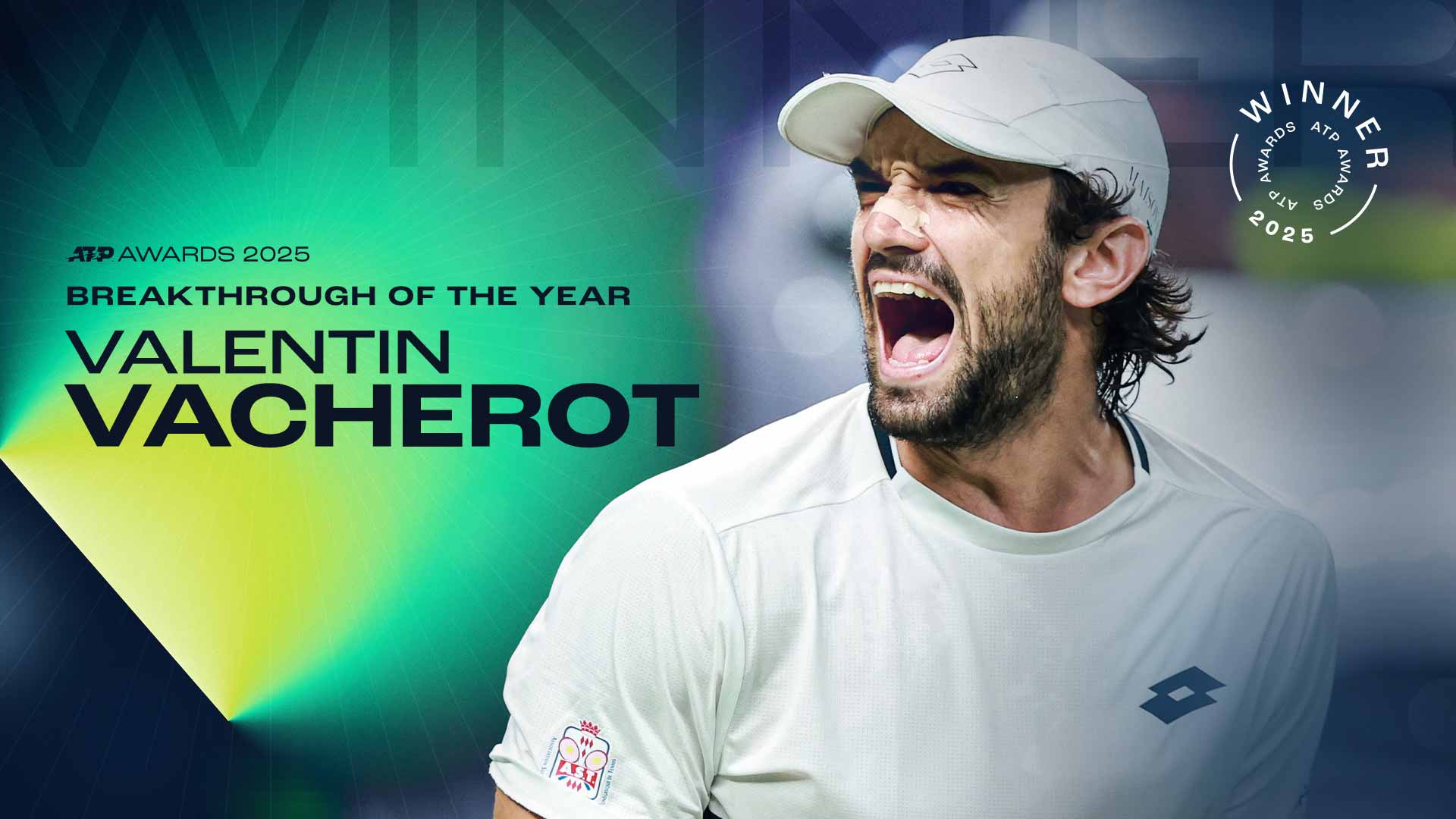
Vacherot’s surreal surge to Shanghai immortality

From the fringes of the rankings, Valentin Vacherot turned a last-minute entry into a Masters 1000 miracle, outlasting cousins and champions on Shanghai’s relentless hard courts to etch his name in tennis history.
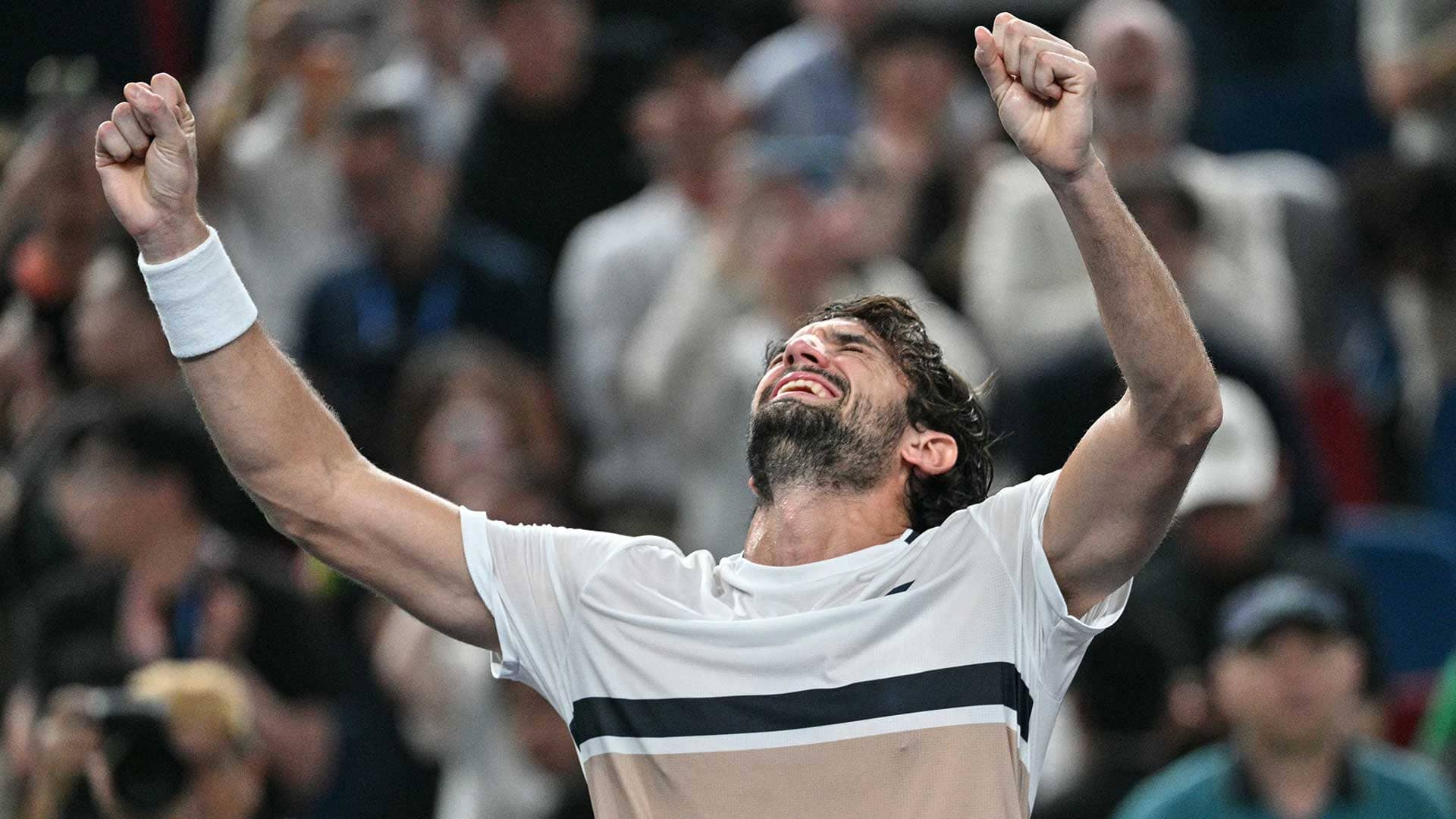
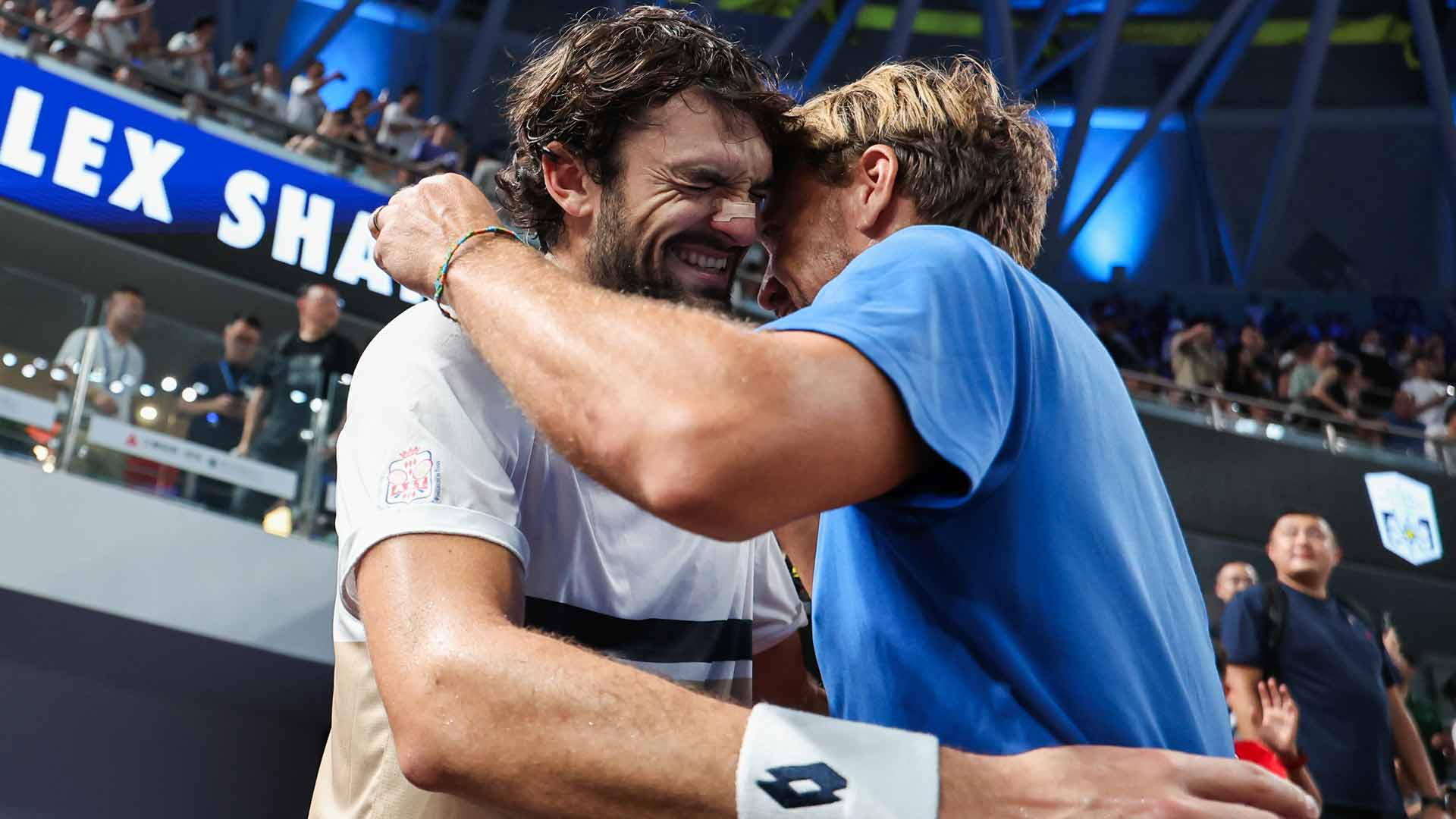
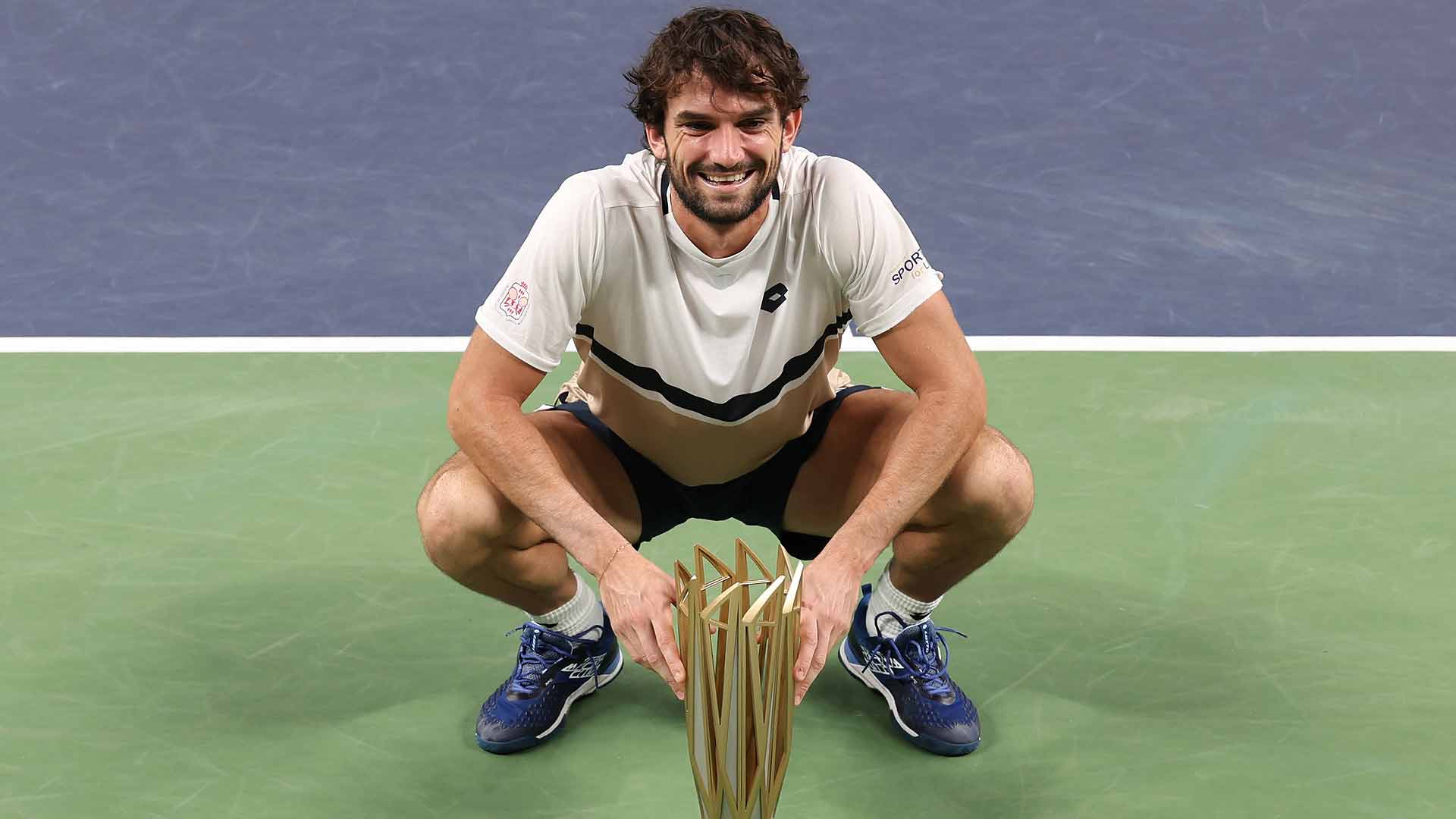
Under the humid night lights of Stadium Court, Valentin Vacherot lifted the Rolex Shanghai Masters trophy, his expression a blend of exhaustion and euphoria after a run that upended the ATP Tour’s script. The 26-year-old from Monaco entered ranked No. 204 in the PIF ATP Rankings, slipping into qualifying through last-minute withdrawals, yet he battled through six grueling matches to claim the title, becoming the lowest-ranked champion in Masters 1000 history since 1990. What unfolded was a testament to grit on one of the tour’s swiftest hard courts, where low bounces and rapid pace demanded unflinching adaptation from an outsider who had just one tour-level win to his name before arriving.
Scraping through qualifying’s brink
Vacherot landed in Shanghai barely a day before qualifiers, outside the initial entry list, betting on his form amid the pressure of a season where Challengers loomed as the only path to his Top 100 goal. The surface’s speed tested him immediately in the second round against Liam Draxl, where he trailed 6-7, 3-4 in the third, two points from elimination, but saved a break point with deep returns that exploited the court’s true bounce to force errors. That narrow escape set a pattern of resilience, carrying him into the main draw with a mental edge sharpened by months of mounting ambitions.
His opener against Laslo Djere showcased baseline solidity, pinning the Serb back with inside-out forehands that turned the hard court’s grip into an advantage for extended rallies. Vacherot then faced Alexander Bublik‘s unpredictable angles in the second round, saving break points while down a set by targeting the backhand down-the-line, the pace allowing his flat shots to skim low and disrupt rhythm. These early battles, all from deficits, built momentum as he dispatched Tomas Machac and Tallon Griekspoor, reaching the quarterfinals as the first player from Monaco to do so at a Masters 1000 event.
“I don’t even understand why I’m sitting here right now. it’s crazy,” Vacherot said when reflecting on his achievement on Sunday evening. “I think I’m going to start realising in the next few days. Right now, I just want to enjoy the moment. I just got really, really emotional on the court after the ceremony, being up there with Arthur.
Toppling seeds in straight-set stunners
The quarters pitted Vacherot against Holger Rune‘s explosive power, but he neutralized the Dane’s inside-in forehands with crosscourt redirects and aggressive net approaches, volleying short balls to cut off angles on the low-bouncing surface. Shanghai’s atmosphere thickened with crowd energy as he converted breaks through precise lobs, his footwork quick enough to chase down drops and counter with one–two combinations that ended in forehand winners. This tactical shift from absorbing to imposing pressure carried into the semifinals against four-time champion Novak Djokovic, where Vacherot mixed underspin slices to vary pace, jamming the Serb’s setup with inside-out returns that forced unforced errors in longer exchanges.
Down a set in six main-draw matches, Vacherot’s composure shone, drawing on the season’s psychological buildup to outlast the World No. 1 in straight sets, the hard court’s consistency allowing him to extend points until fatigue edged in. He reveals in reflections how he viewed the Shanghai Masters' expanded qualifying as a gateway to his end-of-season target, unaware it would propel him beyond. The upset not only validated his gamble but infused the stadium with a buzz that peaked during the final against his cousin Arthur Rinderknech, a familial clash where shared bloodlines amplified every point under the roaring lights.
Vacherot leaned on intimate knowledge of Rinderknech’s big serve, stepping inside the baseline for aggressive returns to the body, setting up deep crosscourt forehands that decided key games. The one–two patterns—serve followed by slicing approaches—proved decisive, securing the win amid emotional undercurrents that transcended the scoreboard. “It was just some unreal moments for both of us, for our family. Unfortunately, there was one winner. But our family won, and the sport of tennis won as well, because the story we just wrote is amazing. The emotions were just everywhere after the match,” he shared, his voice catching on the catharsis of a breakthrough long envisioned.
Embracing the rankings rocket
As confetti fell, Vacherot’s ascent hit No. 40 in the PIF ATP Live Rankings, a 164-spot climb that shattered his Top 100 and Top 50 barriers, with $1,124,380 in prize money eclipsing his prior career total of $594,077. Back home, Monaco’s small federation hosted a watch party on the Sunday off-day, the nation pausing to celebrate their first tour-level singles titlist waving the flag. Among the packed stands, one figure drew louder cheers than rally-ending smashes: Roger Federer, his presence a surreal capstone to a week that included beating Djokovic and meeting the icon.
“It was amazing to have him out there,” Vacherot noted on Federer. “Whenever they were putting him on the screen, I think it was making more noise than after some of the great points we played. That’s how amazing and great he is to the sport. I got to play Novak yesterday. I got to meet Roger today. I mean, even outside tennis, it’s just a crazy week.” This nod to legends underscores the run’s layers, from tactical adaptations on swift hard courts to the emotional release of representing The Principality.
“When I landed here, I wasn’t even supposed to play the tournament,” he recounted. “I took a little gamble to come play. I got in just a little more than one day before the start. The challenges were just everywhere. Even in the first round of qualifications, I was down 6-7, 3-4. I saved a break point when 3-4 down in the third in the second qualification round. Then saving break points against Bublik in the second round after being down in the first set. I won six matches from being down from the first set. So the challenges were just everywhere. I’m just so happy. So happy that I just cooperated with all that and to be even sitting here right now is surreal to me.”
With Top 50 security easing the grind, Vacherot eyes the tour’s closing swings, his toolkit of varied depths and quick redirects now battle-tested for bigger stages. The Shanghai Masters saga, blending underdog fire with elite execution, signals a contender emerging from the shadows, ready to challenge the calendar’s unforgiving tempo.