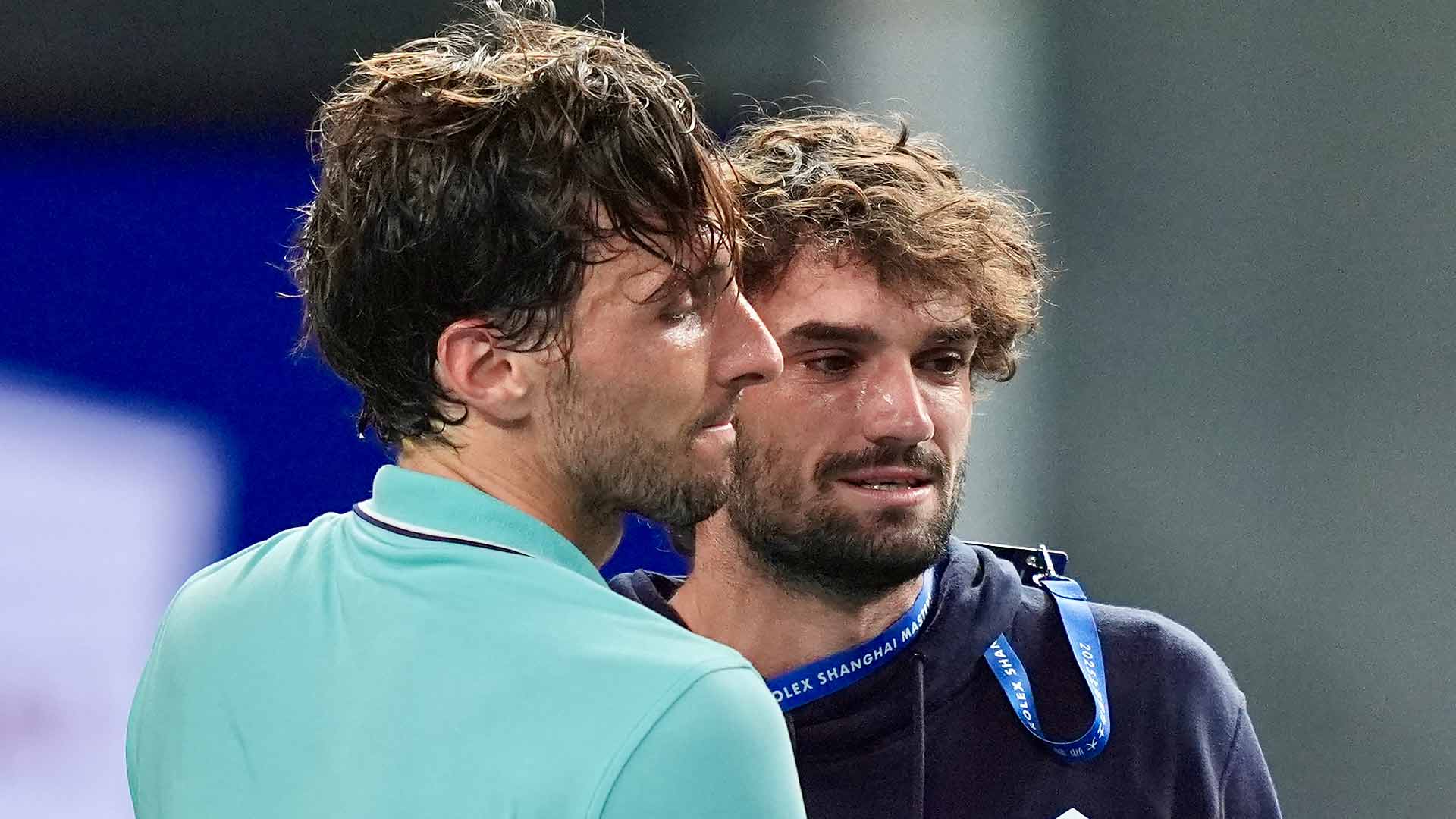
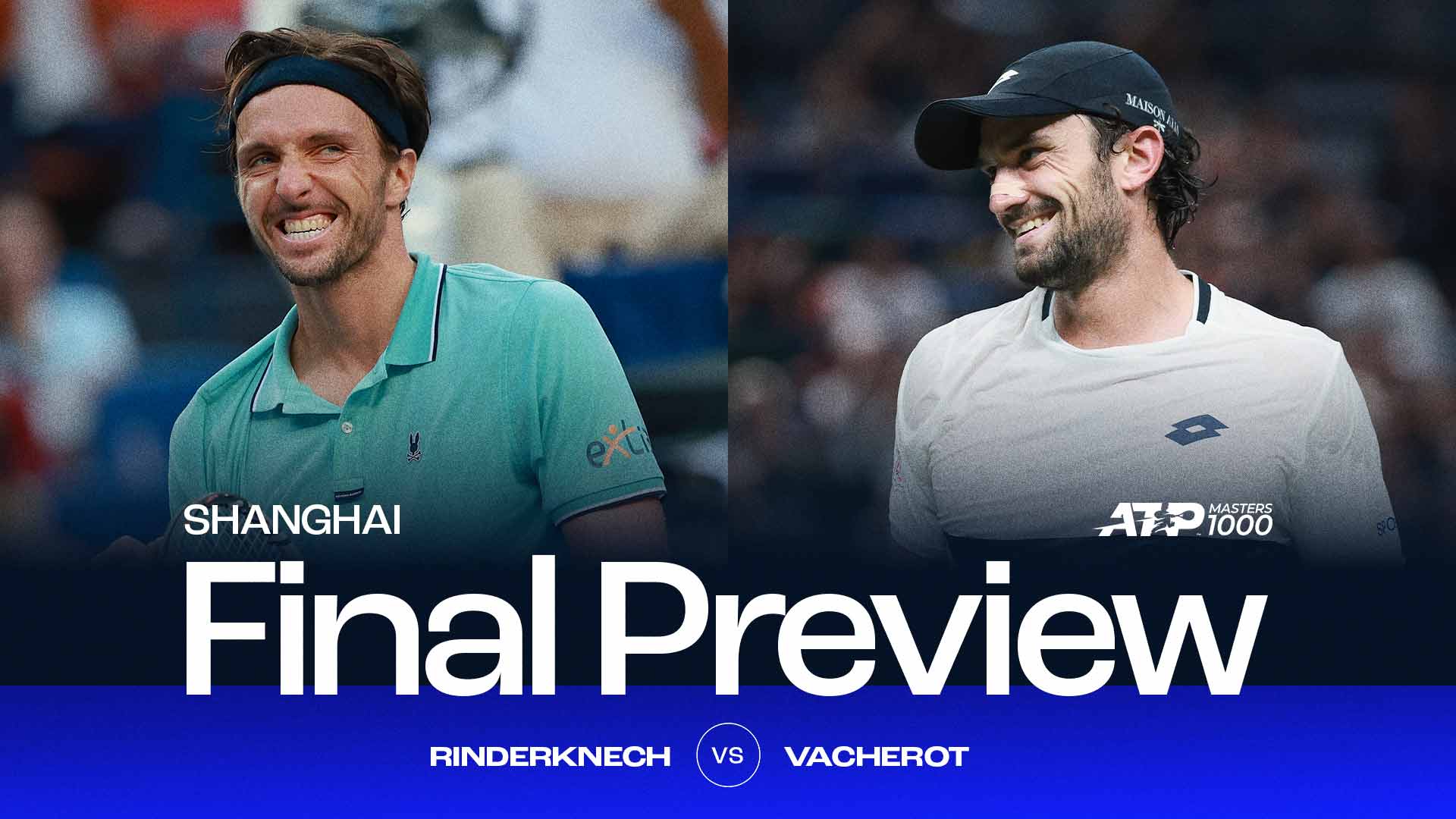
Cousins from Texas A&M chase Shanghai Masters dream

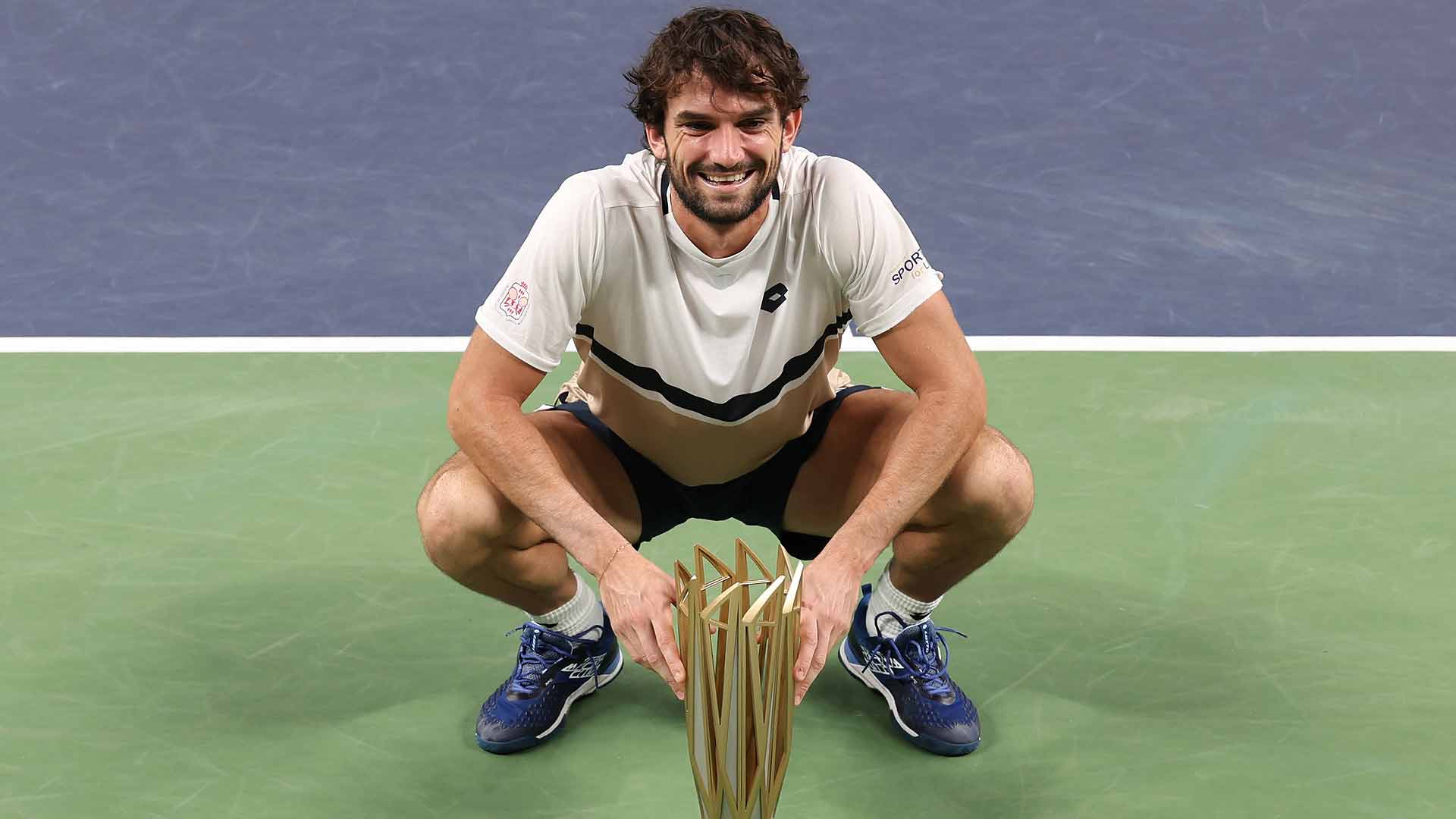
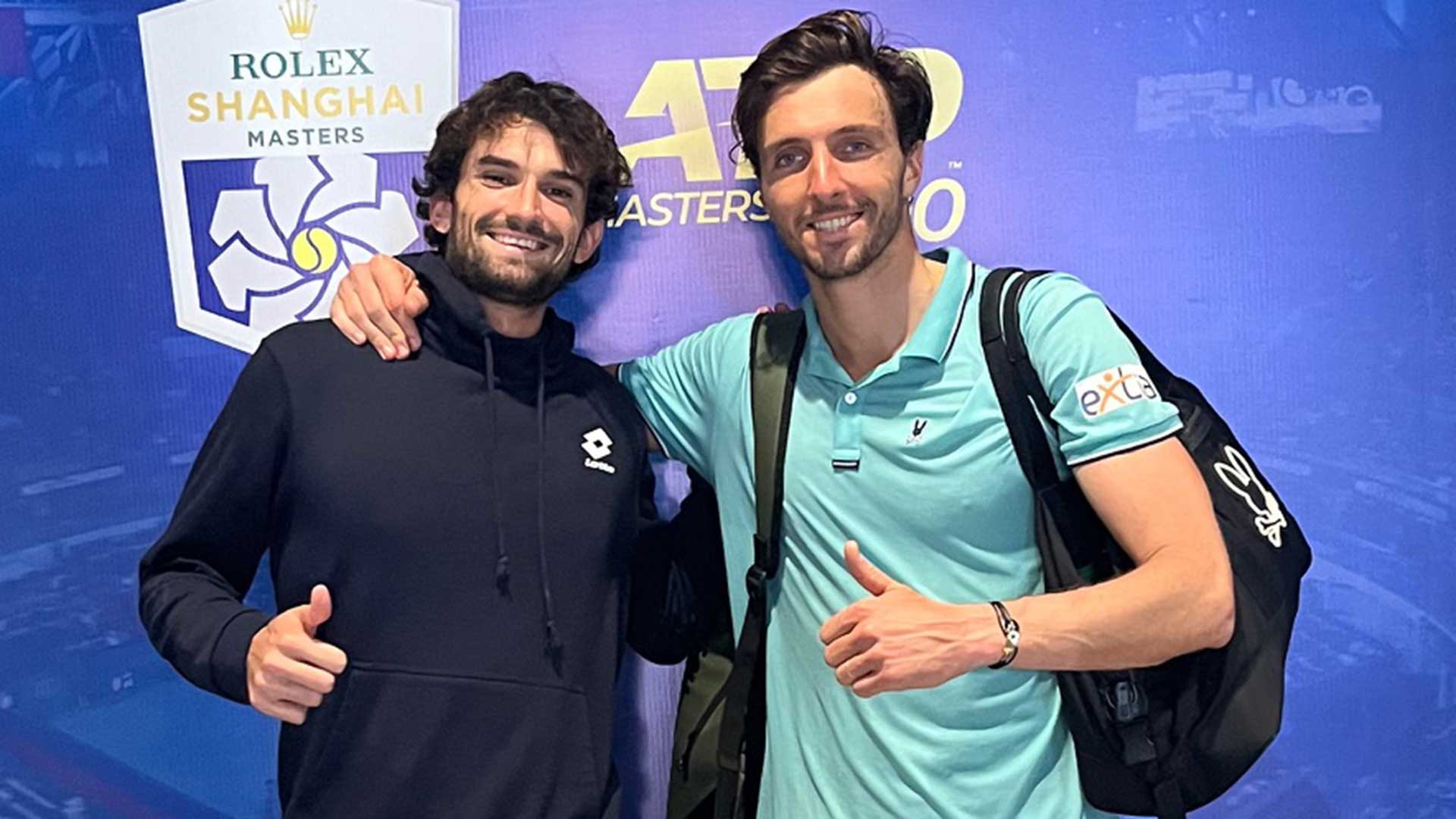
Bound by family and college grit, Arthur Rinderknech and Valentin Vacherot have upended Medvedev and Djokovic to reach the final, their shared past now fueling a tense showdown under Shanghai’s lights.
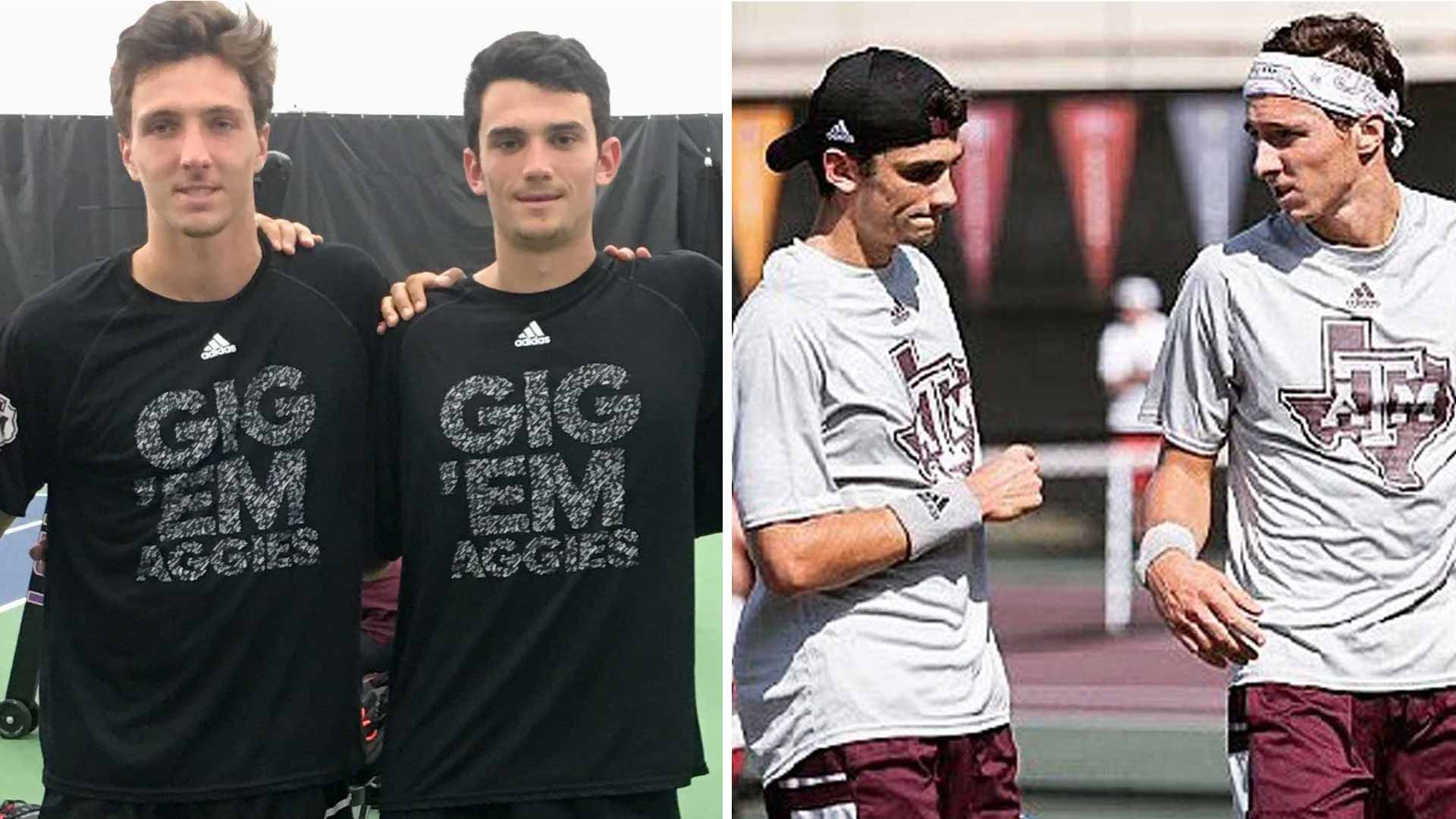
In the sweltering heat of the 2018 NCAA Championships semifinals, the Texas A&M men’s tennis team pushed Wake Forest to the brink before dropping a 4-3 decision that stung like a fresh defeat. Arthur Rinderknech anchored No. 2 singles, his powerful groundstrokes echoing across adjacent courts where his cousin, Valentin Vacherot, dug in at No. 4, their efforts side by side in a bid that defined their final college moments together. That loss closed Rinderknech’s Aggie chapter, but it planted seeds of resilience that have bloomed into this improbable run to the Shanghai Masters final, where the cousins will clash for ATP Masters 1000 glory on a crisp October Sunday.
Forging team spirit amid college trials
Head coach Steve Denton, a two-time Australian Open finalist, watched Rinderknech’s character emerge during his first year at A&M, when ineligibility sidelined the Frenchman and forced him to absorb matches from the bench. That period of quiet suffering built a selfless leader, one who prioritized the team’s rhythm over individual spotlights in an inherently solitary sport. As Rinderknech prepared to turn pro after the semifinal heartbreak, he pulled Denton aside with a heartfelt charge to nurture Vacherot just as he had been guided.
Denton recalls the exchange vividly, honoring the promise when Vacherot arrived the next year, unaware at first of the family connection that steered the Monegasque to College Station. The cousins overlapped for two seasons, elevating the program to new heights with Rinderknech‘s bold confidence contrasting Vacherot’s reserved focus, both instilling a team-first ethos amid grueling practices on clay-tinged courts. Their dynamic turned potential rivals into allies, a bond Denton has nurtured from afar as they navigated the pro circuit’s demands.
“When Arthur left to go out to try to go play [professionally], I remember him saying to me, ‘Steve, make sure that you take care of my cousin like you took care of me’,” Denton said. “I said, ‘Absolutely, I’ll do that’.”
Those college years taught them to channel setbacks into fuel, blending academic pressures with tactical drills that sharpened their baseline exchanges and serve returns. Rinderknech’s early pro grind through challengers honed his inside-out forehands, while Vacherot built endurance with steady crosscourt patterns, lessons from A&M that echoed in their shared leadership styles.
Upsetting giants on Shanghai’s hard courts
Fast-forward to this week’s Shanghai Masters, where the cousins stunned the field by ousting former No. 1s in the semifinals—Rinderknech grinding past Daniil Medvedev, the 2019 champion here, after dropping the opening set. At 30, he extended rallies with heavy topspin and occasional underspin slices down-the-line, not just chasing victory but aiming to drain the Russian’s legs for the final against his kin. The Qizhong Forest Sports City crowd surged with each point, the humid air thick as Rinderknech’s one–two combinations pinned Medvedev deep, turning defense into opportunistic attacks on the medium-paced surface.
Vacherot, meanwhile, pulled off an even bolder upset by toppling Novak Djokovic, varying his serve placements and using crosscourt backhands to disrupt the Serb’s rhythm in extended exchanges. Denton, tuning in from Texas in the dead of night, admits the outcome seemed improbable, yet Vacherot’s college-forged consistency shone through, his deep returns forcing errors in baseline marathons. Both drew on that 2018 scar, transforming mental pressure into precise adjustments amid the Asian swing’s fatigue.
“I went to sleep last night and it was very improbable that Valentin Vacherot was going to beat Novak Djokovic,” Denton said. “Arthur has been playing really well, and he’s very confident, but still, Medvedev is a former number one player in the world and for Arthur to be able to win that match and then get to play each other in the finals is just an amazing story.”
Their semifinal paths highlighted adaptive play: Rinderknech mixing aggression with patience to exploit movement gaps, Vacherot relying on underspin to neutralize power and build points incrementally. Crowd energy pulsed through the stands, amplifying the tension as each point tested their hard-court transitions from college’s varied surfaces.
Family ties redefine pro tennis pathways
Denton spotted Rinderknech’s potential during a junior event in France, deciding in minutes to recruit the talent that would anchor A&M, later extending the invite to Vacherot on his cousin’s subtle nudge. “After the first year and me having a good relationship with him and him loving it here, I think he thought, ‘Okay, this is a good spot for my cousin, I’m going to look out for him and I’m going to make sure he comes here’,” the coach reflects, crediting that humility for their enduring connection. Even in Shanghai, Rinderknech’s mindset echoed his team-player roots, hanging tough against Medvedev partly to aid Vacherot’s chances.
“That’s the kind of kid he is. He’s always been a team player for us,” Denton said. “He was a team player, and he kind of hung in there in that match thinking, ‘Well, if I can’t win, maybe I can take Medvedev’s legs away from him a little bit by staying out here and giving Val a better chance’. And they both think that way. They both have a lot of humility. They both are very team oriented and clearly even more so than that, they are family oriented.”
This final marks only the second ATP Masters 1000 championship match between former college players since 1990, following Mikael Pernfors of Georgia’s victory over Todd Martin of Northwestern in the 1993 Canada event. Denton, grounded in Texas by flight schedules, plans to rise early for the clash, his involvement a constant thread from recruitment to now. Their story spotlights college tennis as a viable route, especially for those outside the Sinner or Alcaraz mold, blending tactical evolution with unbreakable kinship.
As Sunday unfolds, Rinderknech’s aggressive inside-in forehands will test Vacherot’s defensive slices, the hard-court tempo building under the lights toward a family verdict. This showdown promises not just a title but a beacon for aspiring pros, their shared trials proving that resilience and strategy can bridge college courts to the tour’s pinnacle.