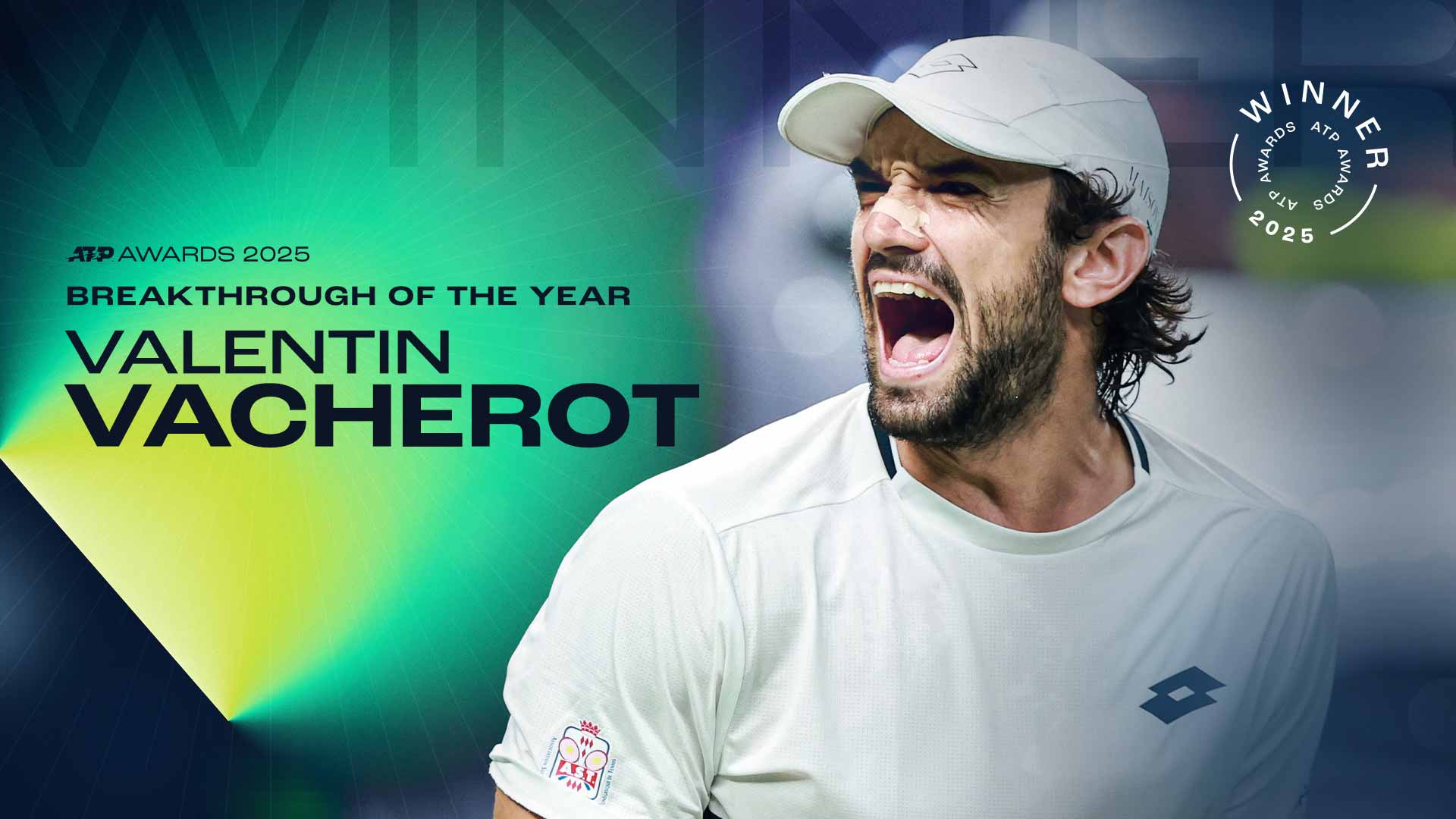
Family Ties Drive Vacherot’s Shanghai Miracle

Ranked outside the top 200, Valentin Vacherot stormed the Shanghai Masters with a blend of grit and precision, his half-brother coach Benjamin Balleret turning emotional investment into a championship blueprint amid the tournament’s relentless pace.
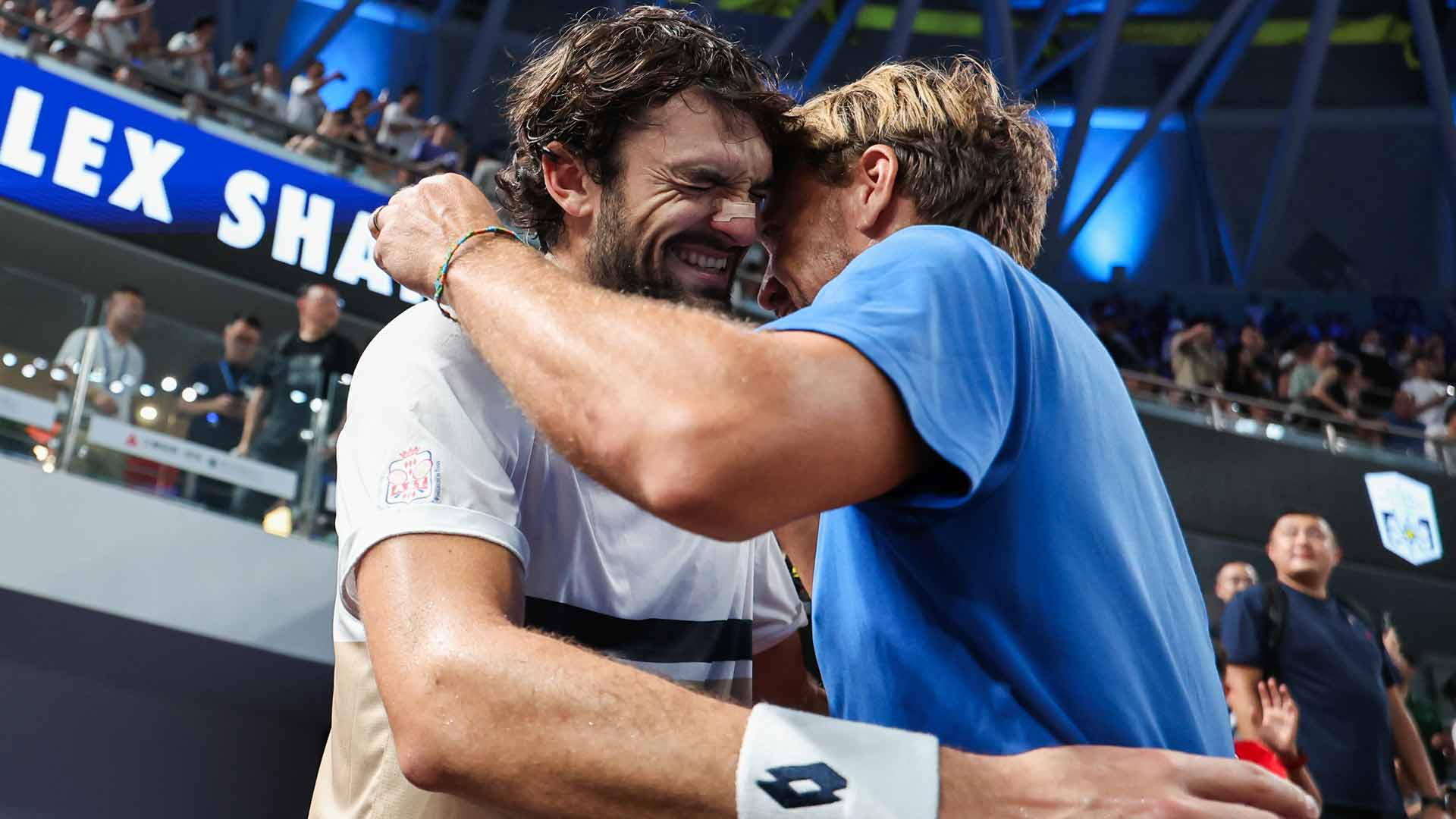
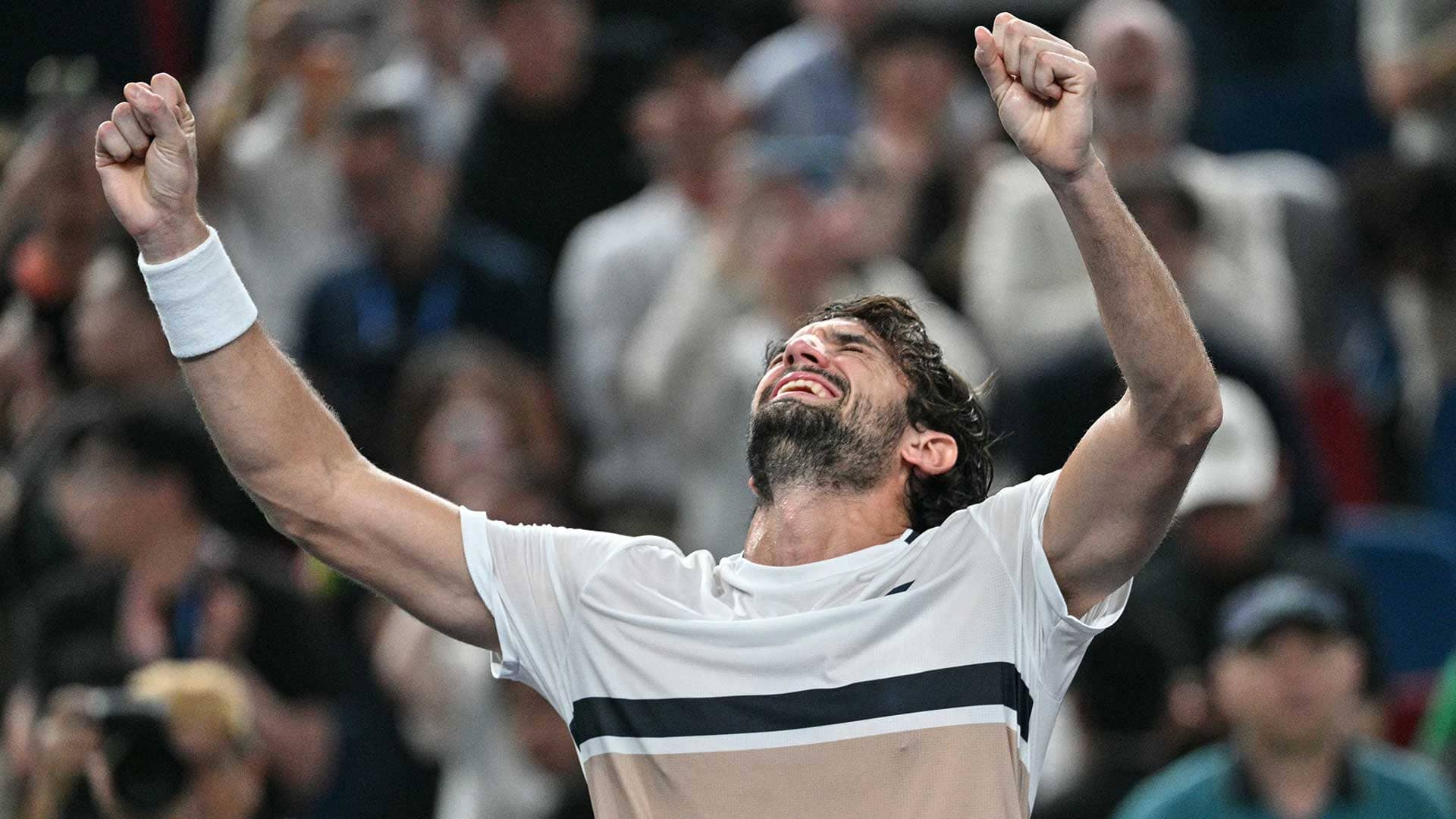
In the electric hum of Shanghai‘s Qi Zhong Tennis Center on October 12, 2025, Valentin Vacherot clutched the Rolex Shanghai Masters trophy, his breakthrough etching a new chapter for the 26-year-old Monegasque who arrived as a No. 204 qualifier. The fast hard courts, with their low bounces and swift tempo, amplified his aggressive inside-out forehands and crosscourt backhands, propelling him through a draw laced with upsets and family drama. For his coach, Benjamin Balleret, the triumph carried profound weight, as the player he molded was not just a talent but a half-brother, their bond infusing every rally with heightened stakes.
Navigating doubts through brotherly resolve
The season had tested their partnership with frustrating defeats that blurred professional and personal lines, each setback hitting harder because of their shared blood. Balleret, at 42, drew from his own playing days, where he peaked at No. 204 after a third-round run at the Monte-Carlo Masters in 2006, only to fall to Roger Federer in a match that showcased his baseline tenacity. He guided Vacherot away from an early pro leap, recognizing the need for growth when the young player turned 18, his slight build and mental edge unready for the tour’s demands.
Family talks led Vacherot to Texas A&M University, trailing cousin Arthur Rinderknech to develop under structured college tennis. Balleret, transitioning to coaching then, spent two and a half years with Gilles Muller and nearly five with Pierre-Hugues Herbert, experiences that sharpened his approach to holistic preparation. This foundation emphasized fitness and mindset, steering clear of the rushed path Balleret himself had taken.
“It’s a long way and sometimes you lose a little bit faith. Bad losses, it’s difficult emotionally because it’s family, it’s not only a player you work with, which is already difficult,” Balleret said. “You want it so much. But when it’s your brother it’s even more. So there was some ups and downs. To be here in front of you guys today as Val is a Masters 1000 champion, it’s just unbelievable.”
College roots fuel hard-court surge
At Texas A&M, Vacherot flourished under Steve Denton, the two-time Australian Open finalist whose drills built his physique and tactical depth, turning a skinny prospect into a resilient competitor. Last year, this evolution lifted him to a career-high No. 110, yet a Masters 1000 title lingered far beyond reach amid qualifiers and early exits. In Shanghai, those lessons shone as he mixed slice backhands with a potent one–two serve-return combo, sustaining pressure on the speedy surface where endurance met explosive power.
The draw’s twists began with hopes of a fourth-round clash against Jannik Sinner, whose flat strokes thrived on the pace, but the Italian’s loss to Tallon Griekspoor opened unexpected paths. Vacherot adapted swiftly, his footwork slicing through rallies, while Balleret’s scouting honed matchups that exploited opponents’ second serves with down-the-line passes. The semifinal against 100-time tour-level titlist Novak Djokovic arrived as a pinnacle, the Monegasque targeting the backhand with inside-in forehands to force errors from a Serb not at full strength.
“You say, ‘Okay, unbelievable. He can play Djokovic once in his life’. And he ends up beating a not 100 per cent Djokovic, but still beating him,” Balleret said. “The story to play Arthur in the final. it’s like everybody said, like a movie, like a fairytale. So that’s how we feel right now, in a fairytale.”
Fairytale finish sparks top-50 ascent
The final against Rinderknech unfolded under roaring crowds, family heritage adding cinematic tension to every point, as Vacherot’s underspin slices neutralized big serves and kept exchanges crisp. His composure, forged in college tiebreaks and pro grind, overwhelmed the baseline battle, securing the title that vaults him to No. 40 in the live rankings and direct entry into majors. Balleret’s emotional investment, once a source of pressure, now fueled unbridled joy, their dynamic evolving into a blueprint for sustained success.
With the top 50 secured, Vacherot’s toolkit—blending European clay patience with American hard-court aggression—positions him for global contention, from grass-court sprints to clay marathons. Balleret envisions deeper runs ahead, his half-brother’s guidance ensuring adjustments keep pace with the tour’s demands.
“Already we say we want to keep going,” Balleret said. “I told him right away, ‘Amazing. We’re going to keep going. We’re going to go again. We’re going to go again full’. And we’ll see what happens next.”
As Shanghai’s lights faded, the duo’s resolve promised more breakthroughs, turning a season of trials into a launchpad for the elite circuit.