Navratilova dissects the WTA Finals contenders

Riyadh’s courts await a clash of resilient minds and sharpened tactics as eight players vie for WTA Finals glory. Eight-time champion Martina Navratilova shares her incisive take on the mental fortitude and strategic edges defining this elite field.
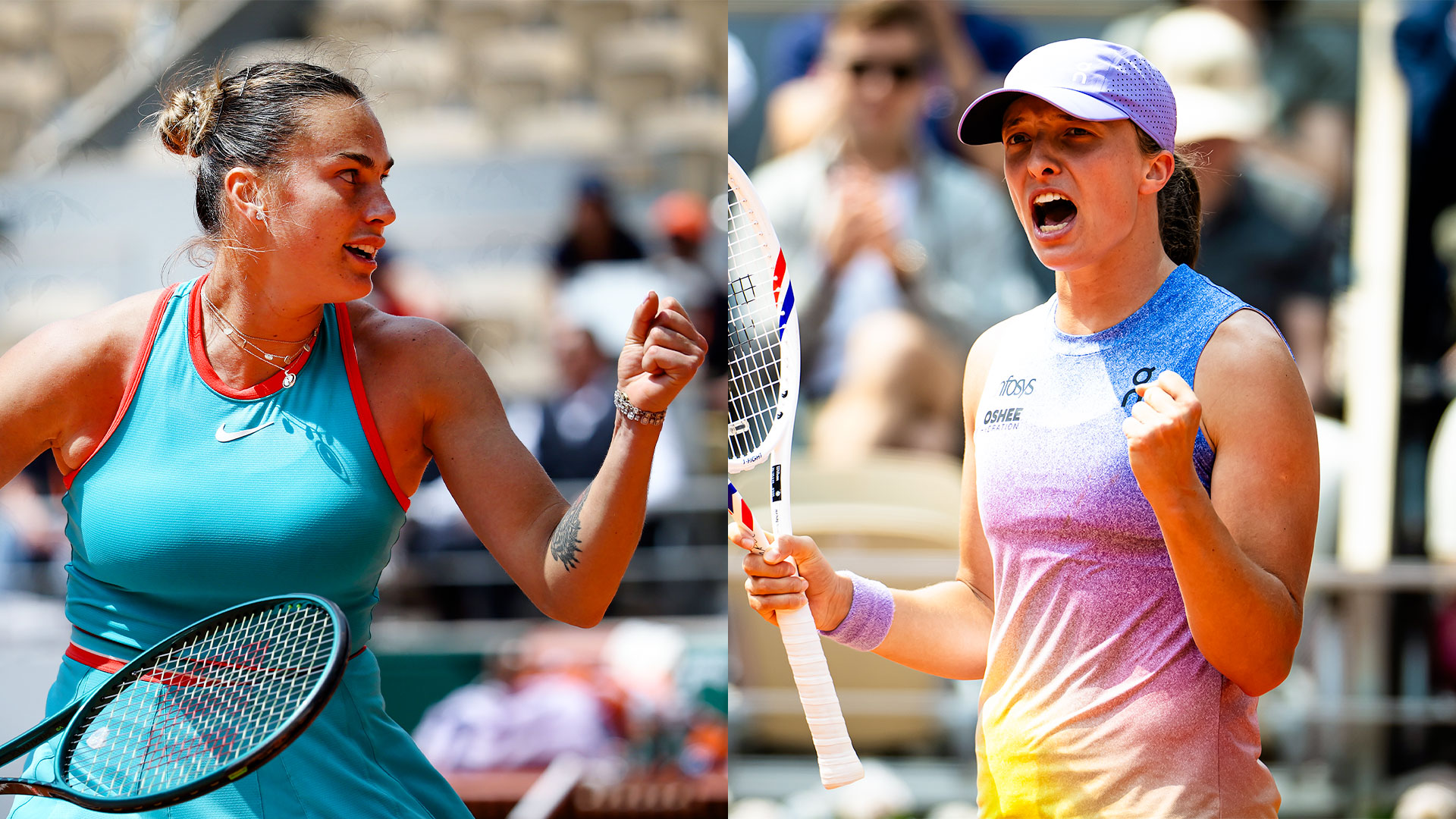
The WTA Finals field in Riyadh has taken shape after a season that stretched nearly ten months, with the final qualifying spot decided in Tokyo’s decisive moments. This lineup—Aryna Sabalenka, Iga Świątek, Coco Gauff, Amanda Anisimova, Jessica Pegula, Elena Rybakina, Madison Keys, and Jasmine Paolini—reflects the Race standings, due for official release on Monday. Heavy hitters mingle with late surges and hard-won comebacks, all converging on medium-pace hard courts that reward solid footing and precise positioning, where the round-robin format will test endurance as much as execution.
Navratilova, who claimed the title eight times, offers a masterclass in what elevates qualifiers to champions, drawing from her unmatched experience to spotlight the psychological and tactical threads binding this group.
“Incredibly consistent and excellent. One major win, two finals and a semifinal. She was only three or four matches from winning the Grand Slam. Her consistency is not to be underestimated. There are so many players you can lose to these days, you have to be on your game at all times, and she was.”
Świątek anchors the favorites’ resolve
Sabalenka powered through the year with unwavering firepower, her inside-out forehands and thunderous serves maintaining a rhythm that turned potential pitfalls into dominant displays. She peaked for the majors, channeling the sting of a French Open semifinal loss to Gauff into a Wimbledon semifinal effort halted by Anisimova’s relentless pressure, before sealing the US Open with decisive one–two combinations that exploited every opening. On Riyadh’s surface, where the bounce aids her preparation without excess speed, she thrives as the heavy favorite, her mental steadiness forged in the isolation of constant pursuit.
Świątek, meanwhile, navigated the weight of near-perfection, her topspin forehands ripping crosscourt to control rallies while backhands sliced down-the-line to disrupt footing. The French Open slipped away in a clutch exchange with Gauff, but she rebounded at Wimbledon, scrambling defensively before falling to Anisimova, then dominated Flushing Meadows with flat drives that pinned opponents deep under the stadium’s electric hum. Navratilova highlights this bounce-back as key, noting how the medium pace gives her time to load up, turning psychological setbacks into tactical dominance.
“She peaked well for all the majors. She’s still rueing the French Open more than anything. She could have won that match against Coco Gauff. But she bounced back and reached the semifinals at Wimbledon, where she was beaten by Amanda Anisimova rather than beating herself. Then she won the US Open pretty decisively.”
Her shots adapt seamlessly here, the solid footing allowing aggressive inside-in forehands to finish points, while her composure under the season’s glare positions her to dictate the round-robin’s tempo from the outset.
Gauff and Anisimova channel breakthroughs
Gauff’s path twisted through prodigy pressures, her explosive movement blending defense with attacks that echoed emerging talents like Andreeva, yet she flipped expectations by conquering Wimbledon after faltering at Roland Garros. Flattening her groundstrokes under London’s variable conditions, she threaded crosscourt passing shots in tiebreaks and leaned on a backhand with Djokovic-like punch, winning nine hard-court finals in a row—including last year’s Riyadh title. Beijing’s recent victory amplified her confidence, her fluid coverage and crisp volleys turning the net into a weapon, as Navratilova observes her aggressive mindset shedding prior enigmas.
“I feel like she’s a bit of an enigma this year based on the standards she set in recent seasons. She didn’t win the one everyone thought she would at Roland Garros, then she turned around and won the one no one expected her to win. Maybe the pressure was off and she said, ‘I’m just going to go for it.’”
This liberation fuels her in Riyadh, where low-bouncing slices and redirected pace keep rivals guessing, her mental shift from doubt to daring promising to unsettle the field’s top seeds amid daily matches.
Anisimova’s resurgence carried profound emotional depth, emerging from her father’s loss and injury setbacks that once matched the hype around Gauff, now blooming into heavy, clean ball-striking reminiscent of Davenport. She stunned Świątek in Wimbledon’s semifinals with accurate wings that stole time, body serves neutralizing swings, then repeated the feat in the US Open semis before a tough final tested her resolve. From a purist’s view, her straight-line shots—crosscourt or down-the-line—delight in their precision, the Arthur Ashe crowd’s energy mirroring her focused intensity.
“Oh my goodness. She has been through so much -- losing her father and dealing with everything else that came with that. The expectations were big, almost on par with Mirra Andreeva and Coco Gauff now. Big things were expected of her and she tried to grow into that. Sometimes the pressure is too much if the results don’t come on the timeline people expect. It gets tricky. There were injuries, too.”
Navratilova praises this alignment, suggesting body serves to counter her purity, positioning Anisimova as a dark horse whose psychological rebirth could thrive on the bounce, her niceness masking a competitive edge ready to disrupt.
Pegula, Rybakina, and Keys adapt for contention
Pegula’s late-bloomer evolution infused aggression into her steady game, drop shots and net rushes varying her flat crosscourts, much like Radwańska redirecting pace in slower conditions. In China, she swung harder at serves and groundstrokes, low-bouncing slices drawing foes forward into volleys, her adaptation paying off against the Asian swing’s deliberate tempo. Navratilova notes this mix as crucial, her rhythm thriving when balls feed her racquet, turning mental frustrations from past near-misses into confident ownership.
“She’s been picking it up. She’s adapted her game to be more aggressive, going for her shots, coming forward more, using the drop shot. She hits a nice ball, not too much topspin or slice when she’s in rhythm. Now she’s mixing it up much better -- the drop shot, coming in, the low-bouncing slice.”
The round-robin’s grind will probe her stamina, but Riyadh’s pace suits her whaling style, her psychological pivot from adaptation to assertion setting up opportunities to exploit lapses in the group’s tension.
Rybakina’s easy power, showcased in her 2022 Wimbledon win, faced subtle motivational dips, yet her killer serve and versatile shots—across surfaces—regained form in Asia, down-the-line backhands knifing through humid evenings. Navratilova recommends more slices and drop shots off both wings to vary patterns, keeping opponents off-balance in prolonged exchanges. Her serious demeanor hides renewed hunger, the medium courts favoring flat trajectories and net transitions, her composure a quiet force as recent play sharpens her one–two punches.
“When she won Wimbledon in 2022, the future looked bright. Her game is beautiful. She has such easy power and she moves well. The serve is a killer. She has all the shots and she’s proven she can win on any surface.”
Mentally, this reclamation from post-major shadows positions her to peak, blending power with placement under Riyadh’s intensity.
Keys’ Australian Open triumph marked an emotional watershed, Navratilova moved to tears by a player whose talent long outstripped results due to inner hurdles, now addressed through attitude shifts beyond new equipment. Consistent in Melbourne’s roar, she took a two-month break to train specifically for this, prioritizing freshness over forced outings—a savvy move echoing lessons from her career. Her powerful groundstrokes and kicking serves suit the surface, inside-out forehands slicing through defenses, her self-compassion turning past doubts into sharp focus.
“We were all pulling for her. I cried when she won the Australian Open. I was so happy for her. I thought she’d be a massive force after that because so much of her challenge was emotional. The game has always been there.”
Returning rested, she eyes the format’s demands with long-term wisdom, her breakthrough flooding play with purpose amid the event’s high stakes.
Paolini’s torpedo energy lit up the tour, her Barty-like spins and angles blending defense with attacks, qualifying in singles and doubles—a mental feat amid round-robin’s potential for ten matches in eight days. She mixes underspin slices with flat drives and drop shots, positioning savvy turning Tokyo’s cheers into momentum. Navratilova sees boundless coverage despite a smaller serve, her joyful persistence transforming breakthrough pressures into buoyant drive.
“She has a really fun game to watch. She’s a torpedo out there, and she defends well, attacks well, and she understands spins, positioning and angles. She’s like a mini Ashleigh Barty with a smaller serve.”
In Riyadh’s blend of tradition and tension, her versatility—crosscourt redirects and down-the-line angles—promises to ignite upsets, her instincts exploiting cracks as the finals unfold.
These arcs converge where season-long pressures meet pure rivalry, Navratilova’s insights underscoring how mental steel and tactical nuance could propel any contender to the throne. For more on her full breakdown, head to the WTA Tennis feature.