Kaja Juvan’s neurological journey reshapes her tennis mindset

On the rankings bubble for the Australian Open, the Slovenian reflects on a yearlong hiatus from functional neurological disorder that taught her to balance pressure with recovery, fueling a rapid climb back to the Top 100.
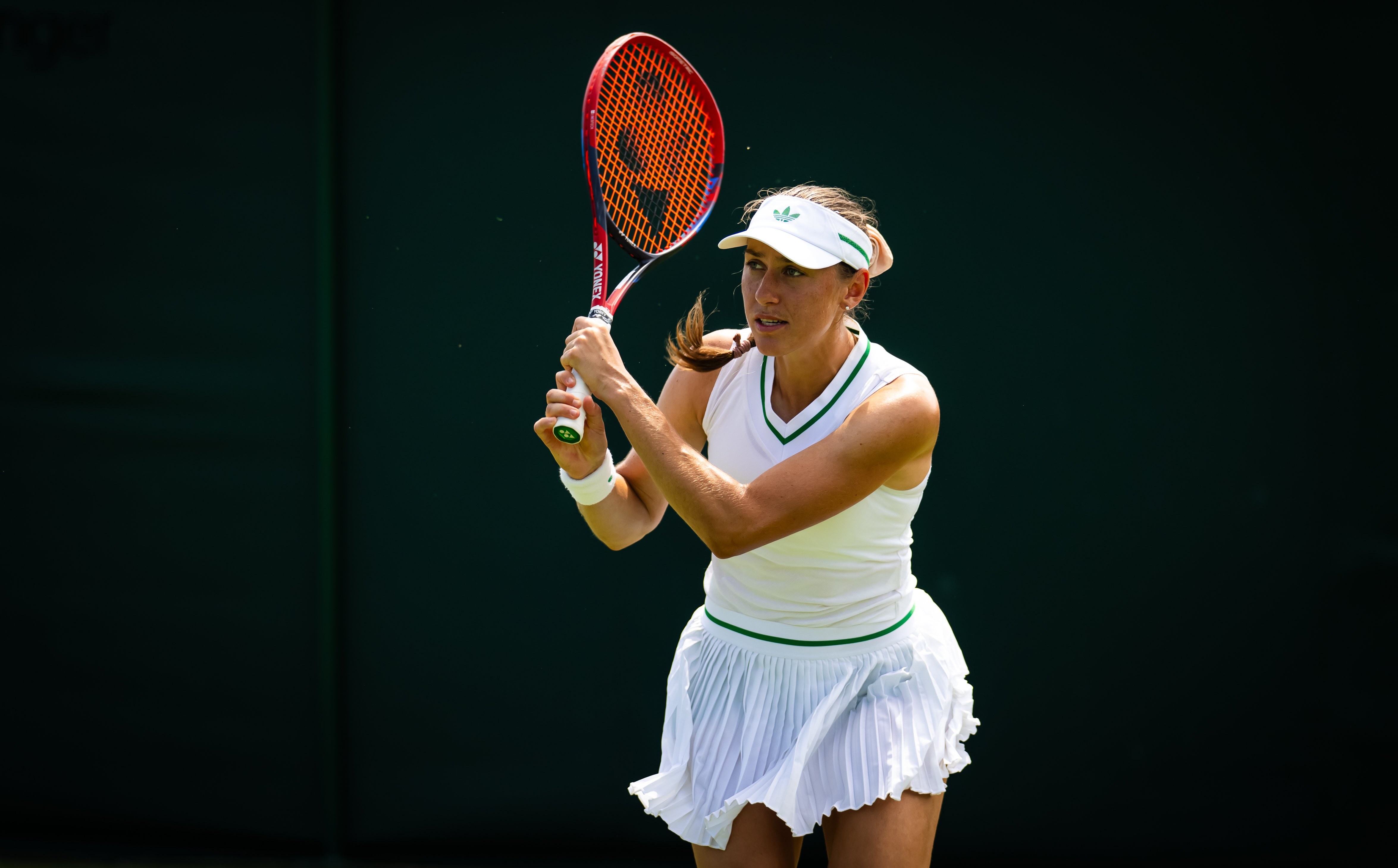
In Ljubljana’s winter hush, Kaja Juvan eyes the WTA rankings with steady resolve. At No. 101, she hovers near direct entry to the Australian Open main draw, the cutoff a week away and her fate tied to rivals’ results. Shutting down her 2025 season after guiding Slovenia to Billie Jean King Cup Play-Offs success in India, the 25-year-old chooses health over the drag of WTA 125 and ITF events, carving out five weeks for preseason on hard courts where pace rewards her baseline steadiness.
Grief intertwines with physical breakdown
Unranked at the start of 2025 after nearly all of 2024 lost to functional neurological disorder, Juvan posted a 52-20 record, snaring two WTA 125 titles to end in the Top 100. Her father’s death from stomach cancer in late 2022 led her to take a short break from the tour the following year in order to mourn, yet by late 2023 she forced a full return amid fading joy. The disorder struck as a nervous system glitch, hard to pinpoint, blending mental strain with bodily revolt—headaches, dizziness, and a hand that suddenly went limp during drills.
In one session, anxiety flooded her, body locking up mid-swing as tears came unbidden, the court blurring under the weight. She links it to grief’s toll, where mourning exhausts deeper than matches ever could. “When you love a person so much, the grief is tiring,” she shares.
“You can’t separate the brain from the body,” she said. “Our whole nervous system is controlled by the brain. A lot of injuries stem from that.”
A Madrid team—psychiatrist Dr. Marta Sanz Amador, neurologist Isabel Pareés Moreno, and neuro-physiotherapist Pilar Rada Romero—guided her through it, questioning why she equated success with endless pushing. This probe uncovered roots in past coaching that prized breaking spirits to forge winners, a mindset she now sees as manipulation cloaked in toughness.
Toxic dynamics yield to zonal awareness
Her time off immersed Juvan in psychology and neurology, revealing her brain’s wiring anew. “I got to know my brain in a completely different way,” she says with energy. This freed her from coaches who reshaped her kindness into a supposed flaw, insisting niceness doomed her on court.
One early mentor aimed to shatter her mentally, daily hammering that her personality hindered wins, slowly convincing her unhappiness fueled results. Tennis’s coach-player bond twists here: authority figures paid yet precarious, bolstering egos by claiming credit for triumphs and blame for losses. Juvan notes how women’s tennis amplifies this, with youth fed tales of inferiority to the men’s game, shaking self-value and opening doors to exploitation.
“When we’re growing up, we always hear, ‘Women’s tennis is worse compared to men,'” she grimaces. “Blah blah, all of these things. If you’re Top 100 in the women’s, you hear, ‘Oh, that’s not so great.' But in the men’s, it’s like you’re already a god. I think our self-worth can be a little bit shaky. And a coach can take advantage of that.”
She frames performance in three zones: comfort for recharge, challenge for peak play, panic for overload. Competition hums in challenge, but grief shoved her into constant panic, routine rallies turning frantic as anxiety built over 10 to 12 months. What started as growth edged into terror, her system unable to reset despite no genetic bent toward worry.
“Basically, what happened to me is that I was in the panic zone all the time,” she explains. “What was once a challenge became a panic. I’m not prone to depression or anxiety genetically, but for almost 10 to 12 months I woke up and I couldn’t calm my system down. I was getting more and more anxious every day, but I kept saying I have to push it, if I just push myself a bit more, it’s good to be out of my comfort zone and it’s normal that I’m stressed all the time. I needed to reprogram my nervous system.”
Sanz Amador countered the suffering ethos, showing Juvan’s shots flowed freer when relaxed, fun easing her nerves for sharper decisions—like threading an inside-out forehand past a lunging returner. Fear clamps muscles, dulling slice approaches or down-the-line passes, but empathy unlocks fluidity, kindness once mocked now her edge in drawn-out crosscourt exchanges.
Team trust anchors her resurgence
Sponsors Yonex and Adidas stood firm during her break, messaging support and granting time without strings. Coach Nik Razborsek and trainer Miran Kotnik cut pay to join the recovery, expanding their skills in tandem and proving bonds outlast slumps. “They both accepted lower pay than they usually would have and said they’d be with me through the whole recovery process,” Juvan recalls. “At the end, it’s about your relations with people.”
Training now prioritizes prevention over punishment, building base fitness with tweaks based on her honest input—trust essential when she claims rest days that could nix a tournament slot. Razborsek once countered her five-day plea by linking it to event entry, the call hers: recharge fully or risk the draw. This setup curbs paradoxes like fretting finances without fixation or tracking points sans obsession, keeping her in challenge zone for hard-court grinds where one–two patterns wear down foes.
Her 52-20 haul and Top 100 return stem from this, poise turning tight sets into wins as crowds feel the shift in her serve’s pop or backhand’s bite. On clay, underspin slices now disrupt without drain; on hard, inside-in winners land with control, not force. The disorder’s lessons spot fatigue early, averting stalls in long rallies, her game a blend of tactical smarts and emotional flow.
Through the WTA’s tie with Indiana University East, she studies psychology majoring with neuroscience minor, her doctor parents’ legacy pulling her toward aiding others at psychology-medicine’s crossroads. Yet she paces it, one step at a time. “I think if I learned anything from this, it’s to see how it goes step by step,” she laughs.
Frustration lingers over the Australian Open wait—“I feel a bit frustrated because I’m doing the good thing for mental burnout, and it might cost me the Australian Open spot,” she writes from home—but resolve trumps it, five weeks’ prep priming her for 2026’s majors. In Melbourne’s heat, her crosscourt groundstrokes will carry this clarity, turning personal reset into tour momentum, where mind’s calm sharpens every point against the circuit’s pulse.