Anisimova Refines Edge After Breakout Surge

Amanda Anisimova arrives at the Australian Open with tactical polish, turning 2025’s raw wins into a disciplined chase for majors amid rising pressure.
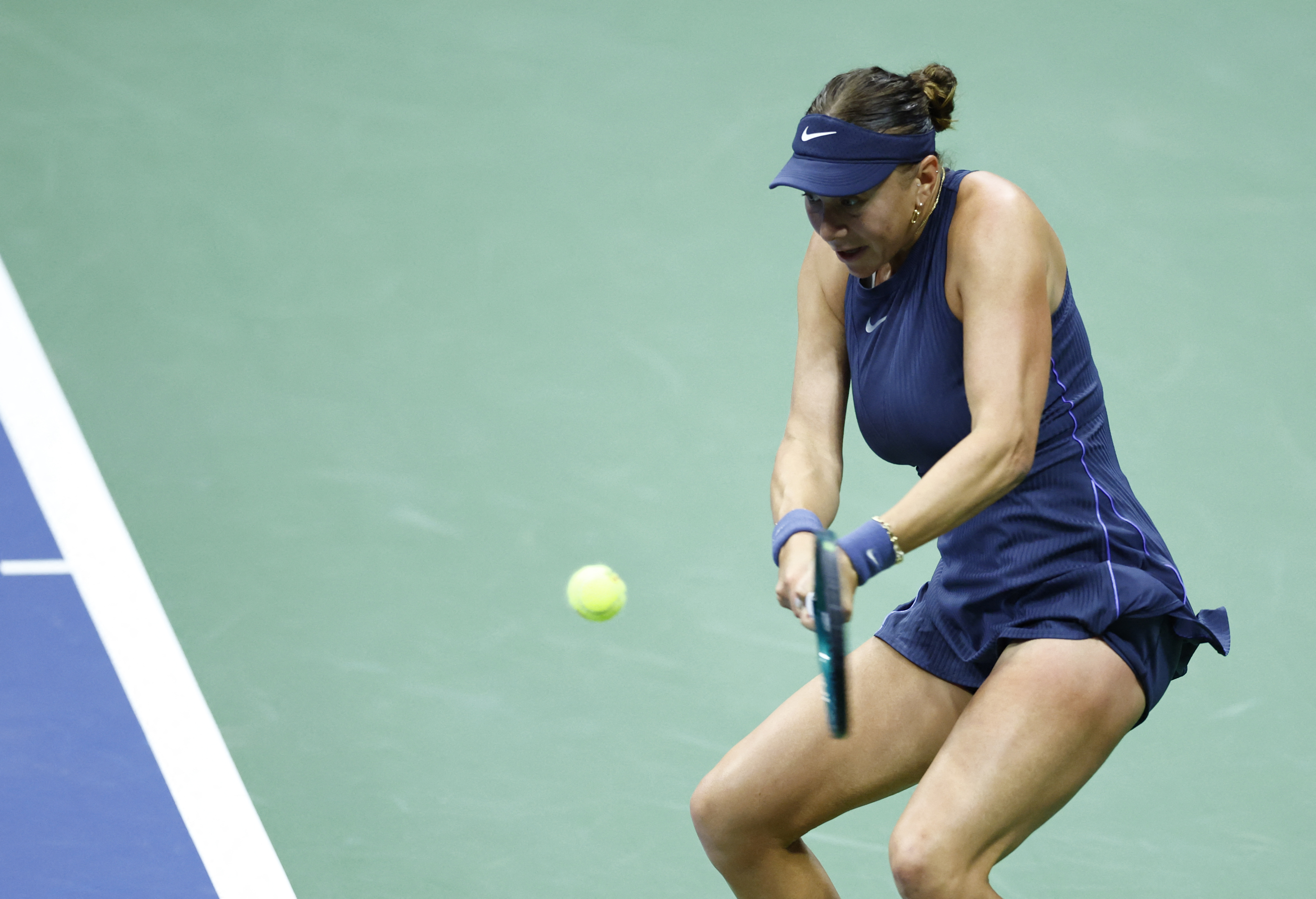
The baseline cracks sharp under Melbourne’s January sun as the Australian Open begins, but for Amanda Anisimova, the tempo has shifted from explosive to exacting. Her 2025 breakout vaulted her 32 spots to a career-high No. 4, fueled by a WTA 1000 title in Doha and back-to-back Grand Slam finals that etched her name among the elite. Now, at 24, she faces the weight of expectation on these fast hard courts, where every adjustment counts toward an encore.
In Brisbane’s humid warm-up, she spoke of the mental clarity driving her forward. That inner work, rooted in a 2023 break, powered 10 Top 10 victories—more than her entire prior career—and 13 straight three-set escapes, including triumphs over all four reigning major champions.
“Yeah,” she said, “super excited to build off that, and I feel like I’m in a really good place mentally, so I feel like that’s maybe the change from the previous year. “I feel like I’m growing into the person that I am and that’s helped a lot.”
Mental growth anchors pressure play
Anisimova’s arc last year blended booming groundstrokes with psychological steel, turning potential into persistence. A crushing 6-0, 6-0 Wimbledon final loss to Iga Swiatek tested her limits, yet she flipped the script at the US Open, stunning the Pole in the quarterfinals with heavy topspin forehands and inside-out backhands that broke defensive walls. Those rallies, stretching deep into points, demanded she vary pace to disrupt rhythm, a tactic that carried her past Naomi Osaka in the semifinals via a crisp one–two serve-forehand pattern.
Even in the final, she pressed Aryna Sabalenka hard, dropping a tight second-set tiebreak after forcing errors with crosscourt angles. At the same age Sabalenka claimed her first major here in 2023, Anisimova senses her moment ripening, her poise now a weapon against doubt. The WTA Finals debut in Riyadh capped a whirlwind year, but it also spotlighted gaps in sustaining leads through extended exchanges.
Tactical tweaks sharpen consistency
Back in Miami for a brief offseason, she soaked up family time and New York jaunts, balancing recharge with six weeks of targeted drills. Her coach, Hendrik Vleeshouwers, praised her 2025 adaptability but pushed for deeper court awareness—reading match flow to pivot tactics, like slicing underspin to reset against power baselines. “To put it simply, maybe court awareness,” he noted post-Riyadh, stressing shifts that turned potential three-set losses into wins.
Those sessions honed her serve for better pace and placement, adding kick variations to exploit the Australian hard courts’ lively bounce. Brisbane tested the upgrades: a 6-1, 6-3 clinic over Kimberly Birrell highlighted sharper net approaches and consistent first-strike tennis, though a 6-4, 6-3 reversal to Marta Kostyuk exposed transitional lapses amid the Ukrainian’s Top 10 streak. As No. 4 seed in Melbourne—after briefly surpassing Coco Gauff at No. 3—Anisimova views these as fuel, refining her 1–2 pattern with more down-the-line threats to pull opponents off-balance.
Laughing off details in her wtatennis.com interview, she hinted at the focus. “Um, I don’t want to give away too much, but I’m sure people always expect that we want to work on our serve, improve it and make it faster. So we did things to help with that. Yeah, just working on consistency and all the physical elements as well.” Physical conditioning now bolsters her through longer rallies, where slice backhands vary height to counter flat hitters.
Encore demands deeper resolve
On Rod Laver Arena, where crowd energy pulses like the heat, Anisimova craves back-to-back pressure tests to build on last year’s clutch moments. Her path could echo the US Open grit, navigating self-doubt with adaptive smarts—deploying inside-in forehands to wrong-foot returners in tiebreaks. These hard courts favor her flat style, but tactical layering will decide deep runs, perhaps against a Swiatek semifinal where underspin slices force up-unforced errors.
“Putting myself in situations back-to-back, where I know that I can push myself and get to the finish line even when there’s self-doubt that creeps in,” she reflected. “I think I did that over and over again, throughout last year. Just knowing that and looking back at all those moments I think will help me hopefully do the same kind of thing this year.” With Doha proving her speed on faster surfaces, Melbourne tests if her evolved game sustains the surge, turning rivals’ roars into her rhythm. For deeper insights into her evolution, explore the WTA Tennis feature on her game-leveling strides.