Echoes of the First WTA Top 10, Fifty Years Later

In the shadow of a computerized revolution, the 1975 rankings unveiled a cast of trailblazers whose rivalries and resilience reshaped women’s tennis, with a 20-year-old phenom at the helm amid whispers of change.
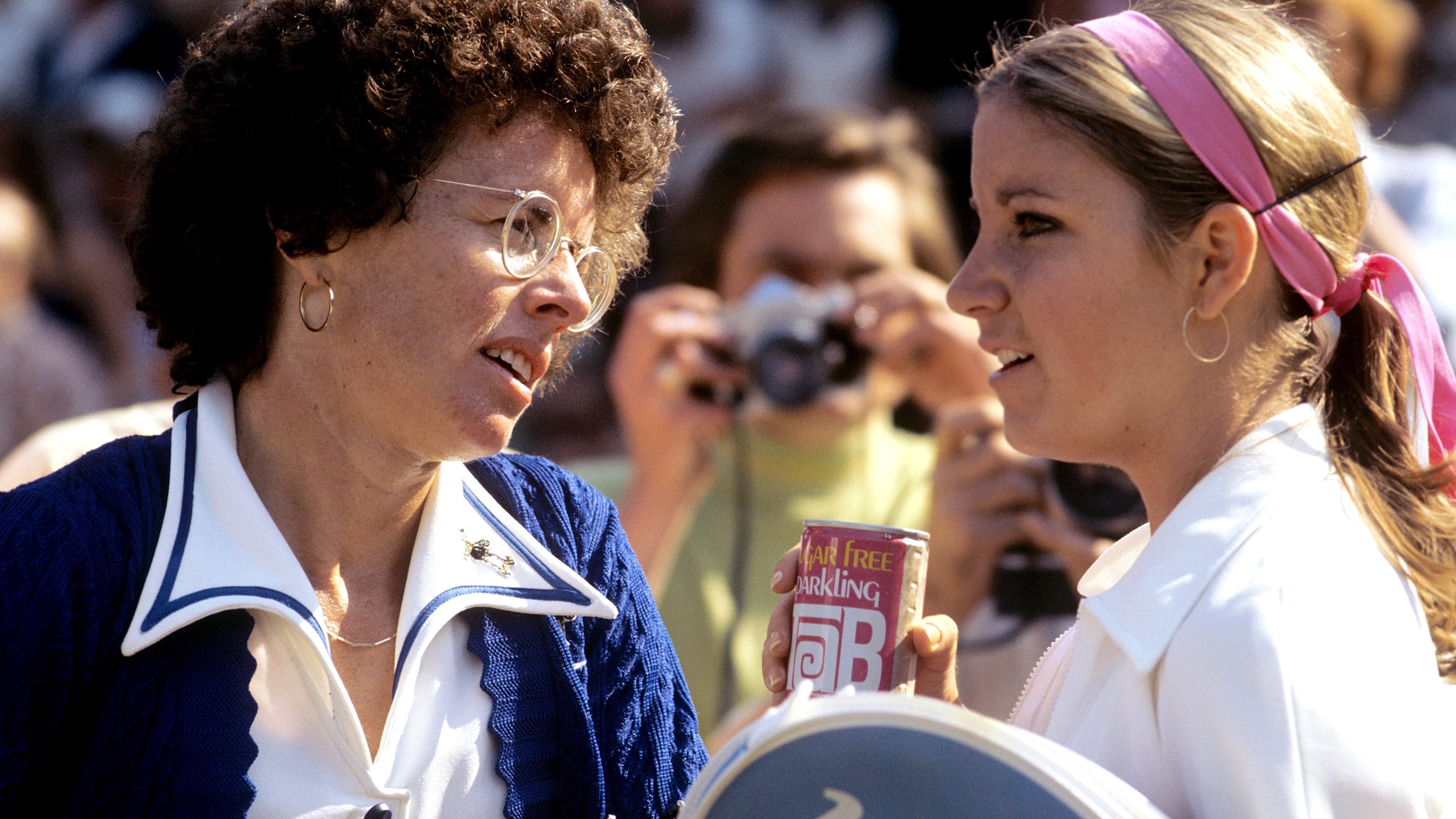
Fifty years ago this week, on November 3, 1975, the WTA rolled out its inaugural official rankings, a computerized ledger that crystallized a season of surging ambition and tactical evolution. This global Top 10, drawn from 135 players across six nations, spanned ages from 18 to 33 and spotlighted eight Grand Slam singles champions, nine of whom would later claim Hall of Fame honors. The list supplanted subjective tallies from journalists and associations with data-driven precision, bolstering tournament seedings, entries, and endorsement deals in a sport blooming under the spotlight of icons like the young No. 1.
Evert’s poise anchors a fragmented tour
Chris Evert claimed the top spot with 14,936 points, her second season as a major winner a masterclass in unflinching consistency that steadied the era’s whirlwind calendar. Defending her Roland Garros title, she extended rallies on clay with deep crosscourt forehands, pulling opponents off-balance before firing down-the-line backhands to secure the first of 14 major finals against her emerging rival. The psychological edge sharpened at Wimbledon, where she pushed to the semifinals only to meet Billie Jean King’s net-rushing savvy, yet rebounded on hard courts to snag her inaugural US Open crown, her 16 titles from 22 events—including a third Virginia Slims Championships victory and second Italian Open—forging a 94-6 record amid the grind of holiday majors and indoor circuits.
The tour’s patchwork rhythm, from the Australian Open over Christmas to the 10-tournament Virginia Slims swing culminating in early April’s Los Angeles finale, tested endurance like never before. Evert’s baseline depth turned faster carpets into traps, her one–two combinations of topspin and slice disrupting aggressive approaches, while the weight of global expectations only honed her focus. That quiet command not only propelled her points lead but ignited fan fervor, drawing crowds to venues where every match pulsed with the promise of a new order.
Wade and Navratilova ignite indoor battles
Virginia Wade slotted in at No. 2 with 11,063 points, her mid-career surge a blend of tactical adaptability and crowd-fueled momentum on the Virginia Slims Circuit. She opened with back-to-back titles in Dallas and Philadelphia, toppling Martina Navratilova in the first final via low slices that jammed the teenager’s power serves, then outlasting Evert in a Philadelphia decider where crosscourt volleys exploited brief lapses. At 30, Wade’s European indoor sweep—trophies in Stockholm, Paris, and London—relied on underspin approaches that slowed rallies on speedy surfaces, though grass at Wimbledon brought a quarterfinal exit to Evonne Goolagong’s retrieval, and the US Open semifinals fell to Evert’s passing precision.
Navratilova, at 18 and third with 10,780 points, burst onto the scene with raw aggression tempered by growing poise, her lefty serves carving inside-in angles that wrong-footed baselines on indoor hard courts. She reached her first Grand Slam final at the Australian Open on New Year’s Day, grass underfoot in Sydney’s heat as Goolagong’s all-court finesse turned her bold forehands into errors, yet four Virginia Slims finals followed, including titles in Washington, D.C., and Boston where deeper returns neutralized Margaret Court’s flat drives. Evert proved a recurring puzzle, besting her in the Championships title match and on Paris clay with varied pace, but quarters at Wimbledon and semifinals at the US Open marked breakthroughs, the Forest Hills loss a catalyst for her defection from Czechoslovakia amid personal storms.
The indoor lights of the circuit amplified these clashes, where the hum of packed arenas underscored the shift from prodigy to contender for the young Czech, her path weaving ambition with the era’s political undercurrents. Wade’s hat trick, meanwhile, captured the thrill of defiance, each volley echoing the crowd’s roar as she chased the leader’s shadow.
Veterans weave legacy into youth’s ascent
Billie Jean King, the WTA founder, landed fourth with 9,765 points, her selective schedule yielding a Wimbledon masterpiece that blended advocacy’s fire with on-court dominance. In the semifinals, she dismantled Goolagong 6-1, 6-0 on slick Centre Court grass, her inside-out serves setting up crosscourt volleys that exploited fleeting backhand weaknesses, securing the last of her 12 Grand Slam singles titles before a temporary singles retirement announcement. Earlier highlights included a Virginia Slims of Sarasota clay crown via patient kick serves drawing errors from net players, plus finals in San Francisco, Austin, and a three-set Eastbourne thriller over Wade.
Goolagong Cawley followed at fifth with 9,354 points, her fluid game dancing across surfaces from home-soil grass to indoor hard, opening with a Sydney title and third Australian Open win over Navratilova through angled slices and down-the-line counters. She claimed Detroit against compatriot Court with speedy retrieval turning flat shots into overhitting, reached semifinals at the Virginia Slims Championships, and pushed to runner-up spots at Wimbledon—edged by King’s precision—and the US Open against Evert’s depth. Her Eastbourne wedding to Roger Cawley amid the tour’s chaos infused personal warmth into a season of resilient adaptation, where every point carried the rhythm of dual worlds.
Margaret Court, back after missing most of 1974 for her second child, took sixth at 8,875 points with a comeback laced by calculated risks on rebound ace courts. Sydney’s grass final fell to Goolagong’s variety, and Australian Open quarters to Navratilova’s aggression, but three Virginia Slims finals highlighted resurgence—a Chicago title avenging that Slam loss via baseline pounding that overwhelmed volleys, though runner-up finishes in Akron and Houston to Evert exposed spin vulnerabilities on carpet. Wimbledon semis against Goolagong and US Open quarters to Navratilova tested her power’s limits on grass and hard, yet her selective play preserved ranking solidity in a youth-fueled surge.
Olga Morozova, the Soviet pioneer at seventh with 7,114 points, consolidated her 1974 breakthroughs with Roland Garros semifinals on clay, where flat groundstrokes thrived in slower exchanges, and Wimbledon quarters via deep returns countering net rushes. Deep Virginia Slims runs and an Eastbourne semifinal kept her in contention, the indoor swings demanding mental shifts from prior Evert defeats, her consistency a quiet anchor amid the tour’s fragmented pulse.
Nancy Richey, an Original 9 stalwart, earned eighth at 6,176 points with a Phoenix revival at 33, her slices and counters navigating past Navratilova in semis and Wade in the final on hard courts. Early Wimbledon and US Open exits tempered the run, but US Clay Courts semifinals—retiring mid-third against Evert due to leg cramps—echoed her 1960s dominance, the physical toll underscoring grit in a field of eight Slam winners.
Françoise Dürr, ninth with 6,146 points at 32, infused unorthodoxy into the mix, her Swedish Open final in Stockholm slipping away from two match points as Wade claimed 10 of the last 12 points on indoor clay. Semifinals at Phoenix to Wade and Atlanta to Evert, plus Denver quarters, showcased underspin lobs disrupting carpet rhythms, while her Wimbledon doubles final alongside Betty Stöve added layers to a season of tactical defiance against age’s creep.
Kerry Melville Reid closed the Top 10 at 5,094 points, title-less but steady as a Washington, D.C., runner-up to Navratilova on indoor hard, her returns forcing mid-court errors. Six straight US Open quarterfinals culminated in a loss to Evert, the New York hard courts suiting her all-court probes, and her April marriage to Boston Lobsters teammate Raz Reid brought stability to the nomadic tour.
This pioneering list, born from a calendar of isolation and intensity, not only formalized women’s tennis but set the stage for rivalries that would redefine the sport, where data met destiny on courts alive with the echoes of firsts, urging the next generation toward uncharted slams.