Fifty years of WTA rankings: Evert’s defining lead

On November 3, 1975, a 20-year-old Chris Evert seized the top spot in the WTA’s inaugural Top 10, her poise amid a whirlwind season of surfaces and rivals signaling a new era for women’s tennis.
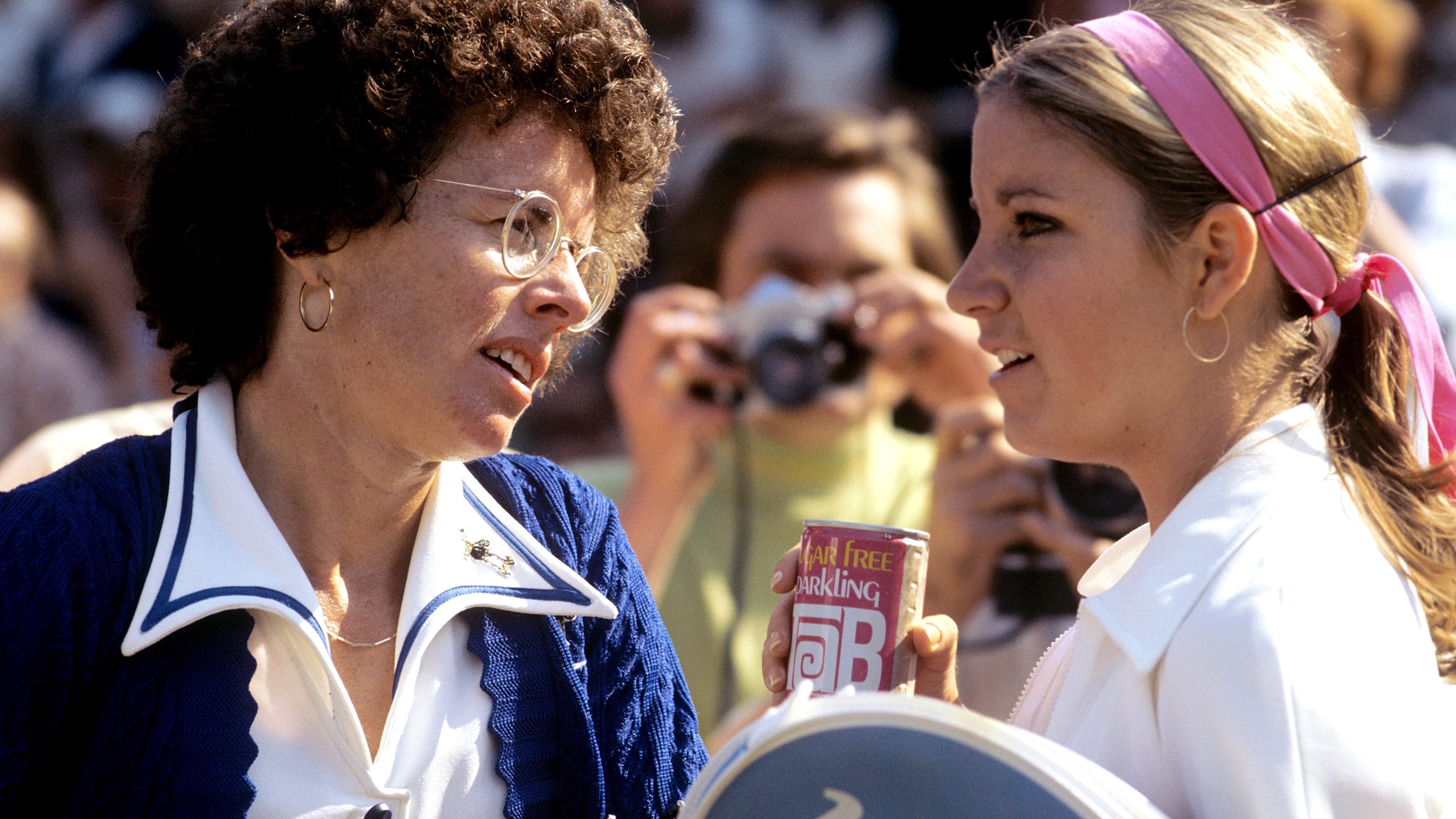
November 3, 1975, dawned with the women’s tennis world holding its breath as the WTA released its first official rankings. At the pinnacle stood Chris Evert, a 20-year-old whose unflinching baseline game had propelled her through a year of punishing schedules and emerging threats. This list captured more than standings; it etched the psychological and tactical battles that fueled the sport’s rapid ascent, with every point earned a testament to resilience under mounting scrutiny.
Evert navigates season’s relentless grind
The 1975 calendar assaulted players with diverse surfaces, from the deliberate clay at Roland Garros to Wimbledon’s brisk grass. Evert dominated the red dirt, her flat groundstrokes building one–two rallies that exhausted foes, but faster courts demanded quicker adjustments, amplifying the mental toll of constant travel. Rivalries sharpened the edge; Billie Jean King’s serve-and-volley rushes forced her to unleash down-the-line backhand slices, disrupting patterns and preserving her lead in the nascent points system.
As autumn approached, the pressure of frontrunner status weighed heavily, with Evonne Goolagong’s all-court fluidity posing fresh challenges. Evert countered with inside-out forehands to navigate lefty spins, her pre-match visualizations turning nerves into precision. The tour’s growth meant larger crowds at every venue, their cheers echoing the inner resolve needed to push through fatigue and secure deep runs in majors.
Tactical pivots across clay and grass
Evert’s clay mastery, blending topspin loops with underspin defenses, anchored her ranking, especially after triumphing at the French Open against a field hungry for upsets. On grass, low bounces favored aggressors like Goolagong, whose inside-in forehands tested her retrievals, prompting lobs and shortened swings for survival. Hard courts at the US Open fused these demands, where she varied her crosscourt exchanges to outlast veterans like Margaret Court, whose serve variations exploited any hesitation.
The rankings formula, prioritizing Slams and recent form, rewarded such versatility, with indoor events allowing net-rushers like King to claw closer. Atmosphere thickened at Flushing Meadows, the crowd’s energy underscoring each tactical risk as players adapted mid-rally. These shifts not only shaped the Top 10 but highlighted the era’s blend of endurance and innovation.
Legacy of a pivotal rankings debut
That inaugural list, detailed in the WTA’s retrospective, marked women’s tennis entering full stride, with Evert’s ascent inspiring a generation to master the mental and strategic depths of the game. It established a merit-based framework that evolved the tour, ensuring rivalries and surface battles remained central to supremacy. Today, as the sport reflects on five decades, her 1975 crown reminds players that true dominance lies in turning pressure into enduring momentum.