The hard courts in Beijing carry a crisp edge under October skies, where the ball’s thud echoes like a heartbeat quickening toward destiny.
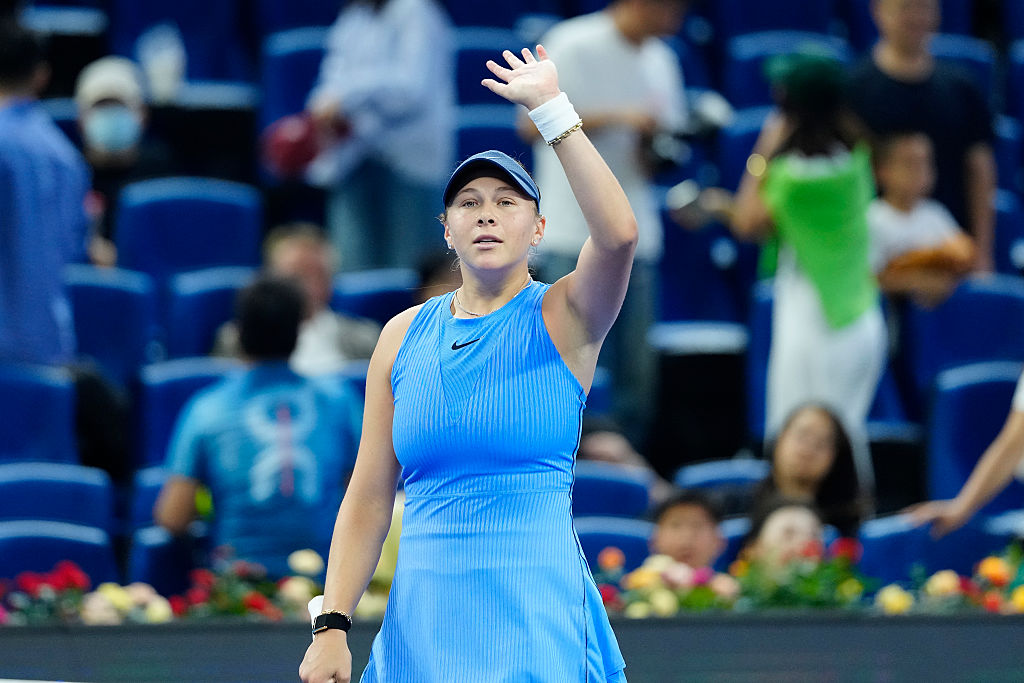
Amanda Anisimova arrives not as the prodigy of old, but as a 24-year-old architect of her revival, her 2025 unfolding with the deliberate rhythm of someone reclaiming lost ground. Finals at Wimbledon and the US Open have etched permanence into her game, transforming teenage promise into a top-tier force that now eyes
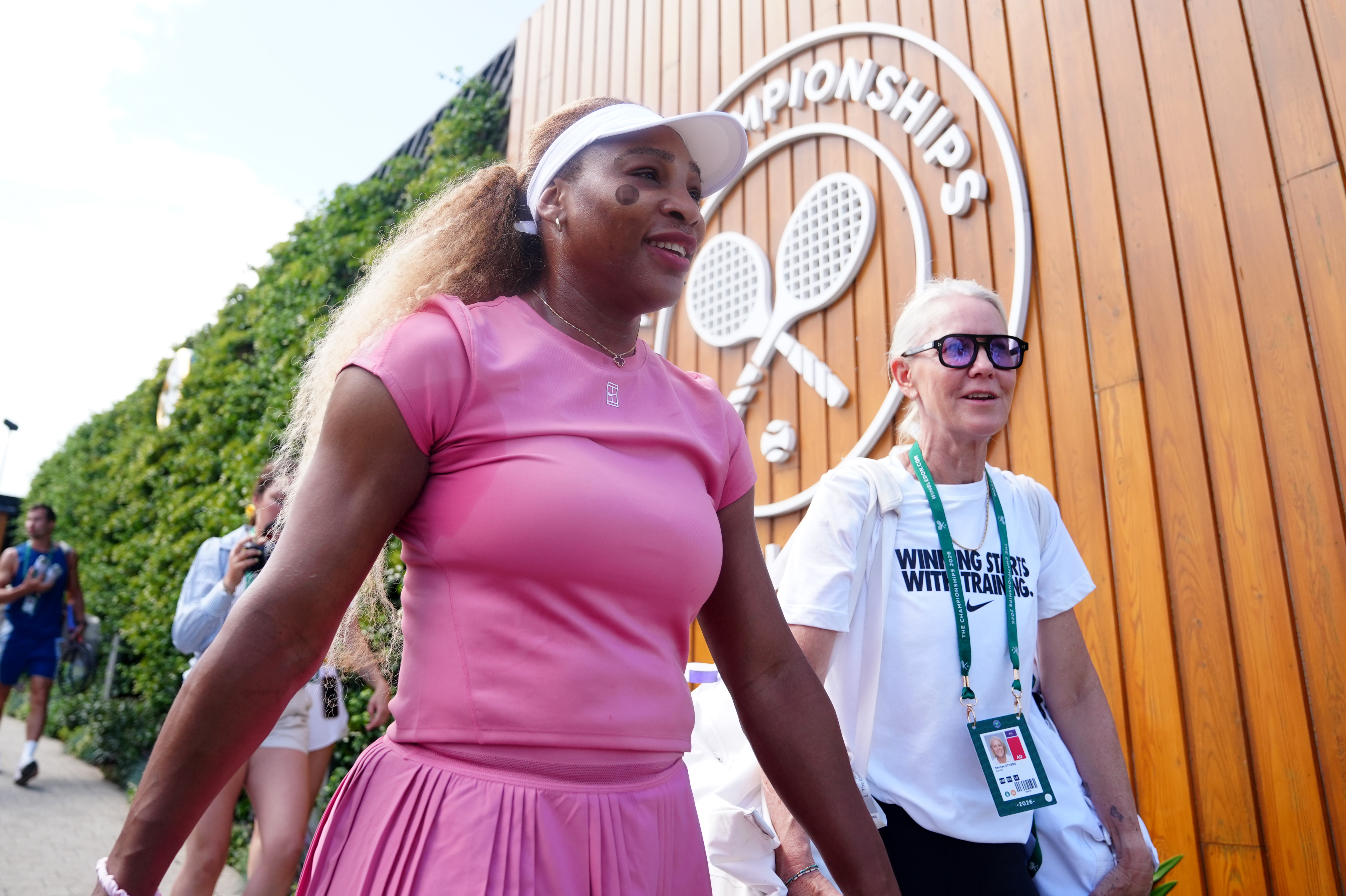
Jasmine Paolini across the net.
Slow rebuilds forge unshakeable belief
Anisimova’s path this year traces a psychological ascent, each victory layering resolve over the burnout that once dimmed her spark. She stepped away as a teenager after French Open semifinals and Wimbledon quarterfinals, only to return with steadier strokes that blend power and patience, her inside-out forehands now carving angles with surgical calm. Starting at No. 36 in the PIF WTA Rankings, she surged into the top 20 after clinching her first WTA 1000 title in Doha this February, where she dispatched two former Grand Slam champions by varying paces to disrupt their rhythms. The mental shift shows in her extended rallies, where fleeting doubts give way to one–two patterns that build points like a mounting crescendo, the crowd’s murmurs rising with her confidence.
Paolini’s 2024 blueprint mirrors this evolution, her breakthrough at 28 turning years of consistency into explosive peaks. Ranked No. 30 at the outset, she captured Dubai’s WTA 1000 crown, propelling her ascent while honing a slice backhand that skids low to force errors. That momentum carried into a second act this year, with another Rome title, a Cincinnati final, and a Madrid semifinal, plus a doubles Grand Slam at Roland Garros and sweeps in Rome’s draws. Now entrenched at No. 8, she channels national pride from defending Italy’s Billie Jean King Cup, her game a testament to pressure alchemized into poise, much as Anisimova now seeks to double up on WTA 1000 triumphs in a single season.
Major runs rewrite surface narratives
Paolini shattered expectations at Roland Garros in 2024, advancing beyond her second-round barrier with a final run that toppled two Grand Slam champions and rising star
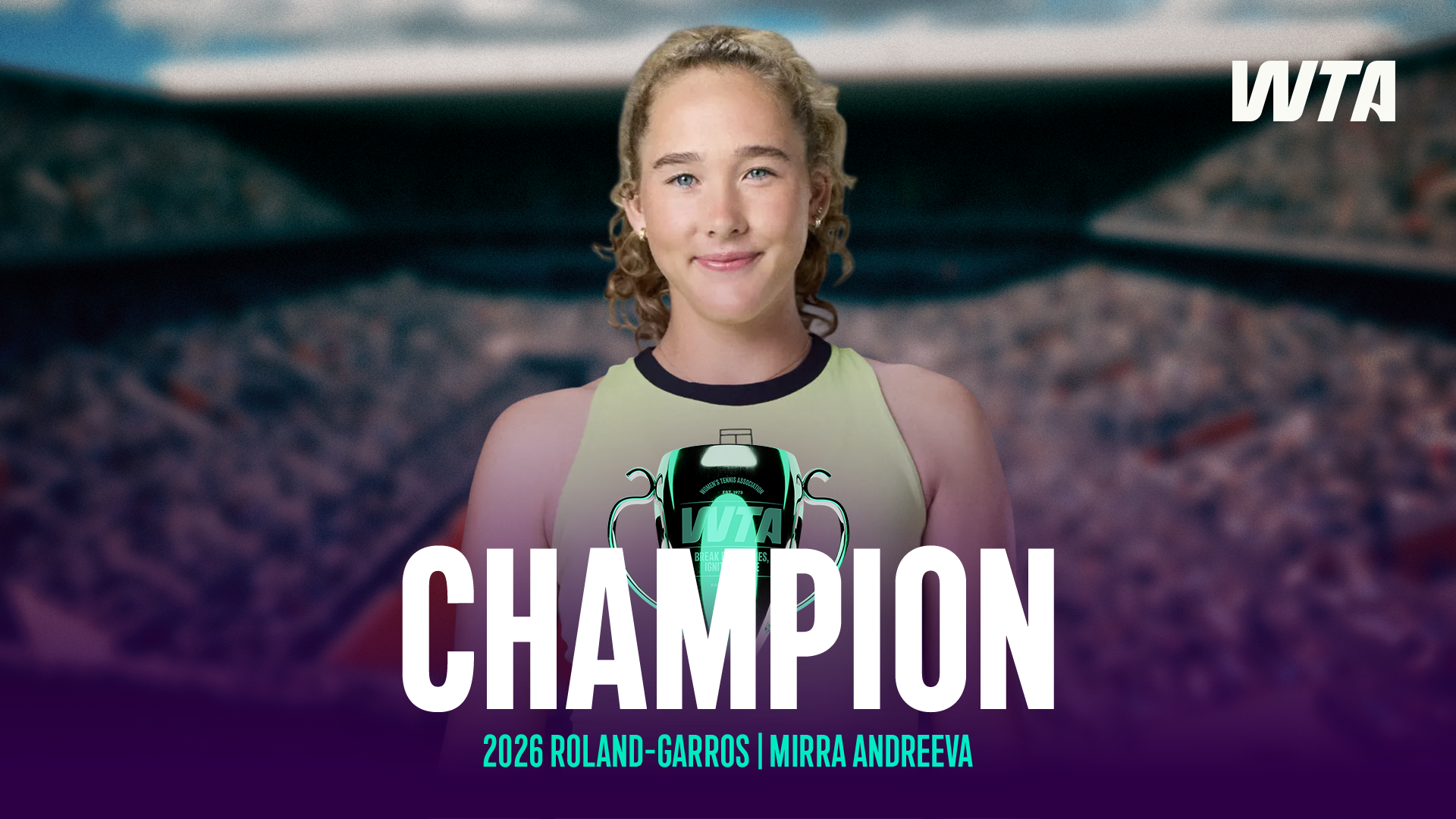
Mirra Andreeva before a defeat to
Iga Swiatek. Her topspin forehand climbed the clay’s slow grind, transitioning seamlessly to Wimbledon’s grass a month later, where she downed multiple Slam winners en route to a three-set loss against
Barbora Krejcikova, capping an 18-4 major record. Those breakthroughs stemmed from tactical tweaks—quicker net rushes and angled volleys that absorbed pace—extending her versatility into doubles dominance and a Doha WTA 1000 doubles crown.
Anisimova entered Wimbledon with a 2022 quarterfinal memory but scant recent form, her flat groundstrokes vulnerable to erratic bounces until this year’s refinements took hold. She broke through by outlasting world No. 1
Aryna Sabalenka, redirecting blistering returns with crosscourt depth and inside-in precision to hold her serve steady. That grass-court fire fueled a US Open final charge, where wins over Swiatek and
Naomi Osaka showcased underspin slices neutralizing aggression, before Sabalenka edged her out—yielding a 16-4 major tally as of October 1, 2025. Her hard-court affinity shines here in Beijing, where the plexicushion’s true bounce favors her penetrating drives, paralleling Paolini’s clay mastery while hinting at broader all-surface command.
Quarterfinal clash tests mirrored edges
Beijing’s evening floodlights cast a golden hue over the quarterfinal, the air thick with fallen leaves and fervent cheers as their arcs converge. Anisimova’s flatter trajectories probe Paolini’s backhand with down-the-line thrusts, while the Italian counters via crosscourt loops that stretch the court, her compact footwork thriving in the deuce court’s exchanges. At stake lies not just a semifinal spot, but the WTA Finals invitation that crowns a season of sustained surges, Anisimova poised to eclipse her mirror by claiming a second WTA 1000 amid the tour’s unforgiving math.
The crowd senses the symmetry, their energy pulsing with each prolonged point where mental fortitude decides the breaker. Paolini draws on her 2024 template of resilience, her serve placement forcing hurried returns, yet Anisimova’s refined movement covers ground to turn defense into dominance. In this theater of déjà vu, one will extend her narrative, transforming parallel paths into a singular ascent under the Beijing stars.