Burning Questions Shape WTA’s 2026 Dawn

As the Australian Open nears, Aryna Sabalenka’s grip on No. 1 faces fresh tests from surging rivals like Amanda Anisimova and Coco Gauff. Experts Greg Garber and Brad Kallet unpack the top storylines, from maiden Slam hunts to American supremacy, in a season primed for upheaval.
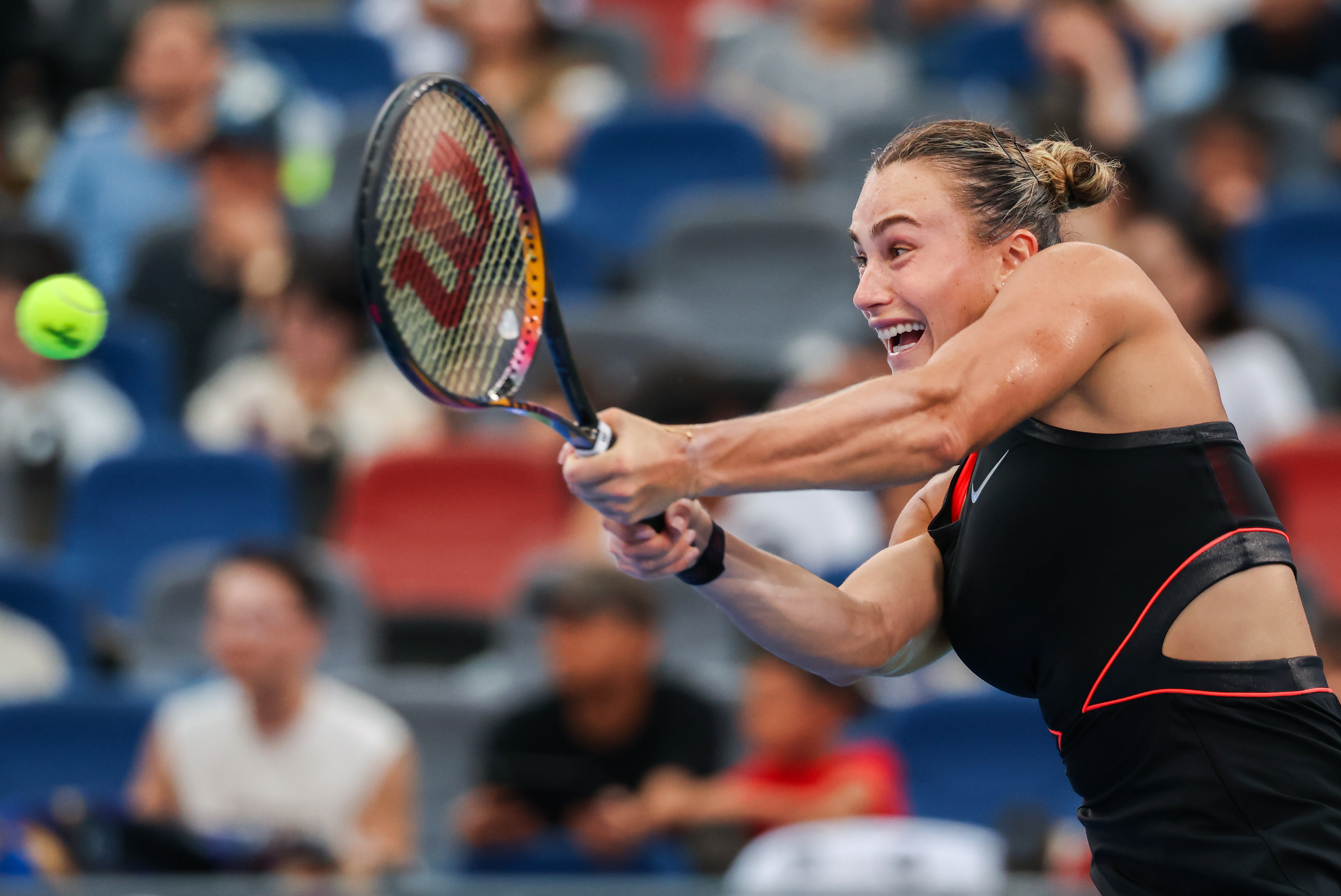
The hard courts of Melbourne shimmer under the southern sun, drawing the WTA Tour into 2026 with a pulse of uncertainty and promise. Aryna Sabalenka steps in as World No. 1, her 63 straight weeks at the top a fortress built on blistering serves and unyielding baseline fire. Yet the offseason whispers of challengers sharpening their edges, turning the rankings chase into a psychological chess match where every deep run exacts a toll.
Sabalenka’s major dominance has been her anchor, with three finals in 2025 yielding 5,380 points—nearly half her yearly haul—and victories in three of the past seven Slams she’s entered. Her last dozen majors include four titles, three more finals, and four semifinals, the only blemish a quarterfinal exit at 2024 Roland Garros. That rhythm of heavy topspin forehands and inside-out lasers has carried her through 16 tournaments last year, reaching semifinals 12 times and finals nine, with just one opening-round loss.
“When the new year dawns, Brad, Sabalenka will have been in the top spot for 63 straight weeks and 71 overall. No. 2 Iga Swiatek, who is roughly 1,500 points behind, has spent an impressive total of 125 weeks at No. 1, but I’m thinking in a year’s time Sabalenka will be closing in on that 125-week mark -- which ranks No. 7 on the all-time list.”
Greg Garber sees her extending that streak, her elite consistency a bulwark against Swiatek’s pursuit. Brad Kallet nods to her week-to-week reliability, thriving across time zones and surfaces, from the bounce of hard courts to the slide of clay. As the Australian swing unfolds, Sabalenka’s 1–2 patterns—serve jammed wide followed by a crosscourt backhand—will face returners probing for weaknesses, but her mental steel suggests another year atop the heap.
Sabalenka’s power sustains her lead
Sabalenka’s game thrives on flat aggression, her serves clocking high and forcing weak returns that she pounces on with down-the-line winners. Swiatek, trailing by 1,500 points, brings superior movement to extend rallies, but Sabalenka’s quick footwork turns defense into offense, slicing underspin to pull opponents forward. The Grand Slams’ 2,000-point prizes remain her domain, where crowd roars amplify her focus rather than fracture it.
In 2025, she lost consecutive matches only once, early in the year, then barreled through with semifinal-or-better showings. That scarcity of setbacks builds a quiet confidence, yet the psychological weight of defending her US Open crown at Flushing Meadows could intensify as summer heats up. If she channels the same ferocity on Melbourne’s faster courts, expect her to widen the gap, leaving challengers scrambling in her wake.
Anisimova eyes her first Slam glory
Amanda Anisimova stands out among the Top 10’s Slam-less half, her 24 years placing her squarely in peak form. Unlike Jessica Pegula and Ekaterina Alexandrova at 31 or Jasmine Paolini at 29, Anisimova’s 2025 surge—back-to-back finals at Wimbledon and the US Open—signals a tactical evolution from raw power to precise placement. She toppled Swiatek and Naomi Osaka in consecutive New York matches, her flat forehands cutting through the humid night air before pressing Sabalenka in the final.
Garber picks her for the breakthrough, citing those runs as proof of major readiness. Kallet agrees, recalling Sabalenka’s post-match endorsement that Anisimova will claim a title soon. On grass, her serve-volley mixes disrupt rhythms, while hard courts reward her inside-in approaches; staying healthy could turn those finals into a victory, perhaps at a sun-baked Australian Open.
Anisimova’s arc carries the weight of redemption, her early career dips now fuel for sharper net play and varied spins. Defending points from those finals and a Beijing 1000 title looms in the second half, but early opportunities on preferred surfaces beckon. As rivals adjust to her renewed aggression, her ability to close sets under pressure will define whether 2026 delivers that elusive trophy.
Gauff and Anisimova battle for American crown
Coco Gauff’s steady climb positions her to end 2026 as the top American, her consistency a counterpoint to Anisimova’s flashes of brilliance. Breaking into the year-end Top 10 at No. 7 in 2022 as an 18-year-old, she’s anchored at No. 3 for three years, her 2025 Roland Garros triumph at 21 showcasing elite movement that turns impossible gets into winners. A 9-0 hard-court finals record highlights her clutch gene, where slice backhands slow the tempo and draw errors in grinding exchanges.
Garber favors Gauff’s reliability, while Kallet leans to Anisimova, linking it to her predicted major win. With just 476 points between them now, the race promises tension, Gauff’s all-surface versatility— from clay’s long rallies to grass’s quick points—giving her an edge in the global swing. National expectations add layers, but Gauff’s poise in high-stakes moments, like down-the-line passes in deuce, suggests she’ll pull ahead by year’s end.
Their paths cross in mandatory events, where Gauff’s defensive lobs frustrate power hitters and Anisimova’s flat shots test retrieval skills. Late deciders, from the US Open’s night sessions to WTA Finals pressure, will hinge on who manages fatigue better after months of travel. Gauff’s experience in those crucibles positions her to claim the top spot, her game evolving to blend speed with strategic patience.
Rybakina’s health unlocks major potential
Elena Rybakina’s late-2025 surge hints at another Slam in 2026, her Riyadh WTA Finals triumph a psychological jolt after injury-plagued years. Qualifying on the final weekend, she dismantled Top 10 foes 5-0, including Swiatek and Anisimova in groups before outserving Sabalenka in the final. Her power game overwhelms when dialed, flat groundstrokes and serves generating free points that echo her 2022 Wimbledon win.
Garber envisions her snagging a major, likely on grass where her 6-8 head-to-head with Sabalenka and 5-6 versus Swiatek prove competitive. Kallet calls it a toss-up, noting her 2025 fourth-round major exits despite that end-of-year blur. Health remains key, but if sustained, her inside-in forehands could pierce defenses at the All England Club, turning potential into another deep run amid cheering crowds.
Rybakina’s serve pins returners deep, forcing errors on second shots, but clay’s endurance tests expose past vulnerabilities. The season’s early hard-court phase offers point-building chances before summer peaks. Channeling Riyadh’s dominance, she could disrupt the elite order, her quiet intensity blooming into title contention as the tour heats up.
Andreeva balances prodigy fire with wisdom
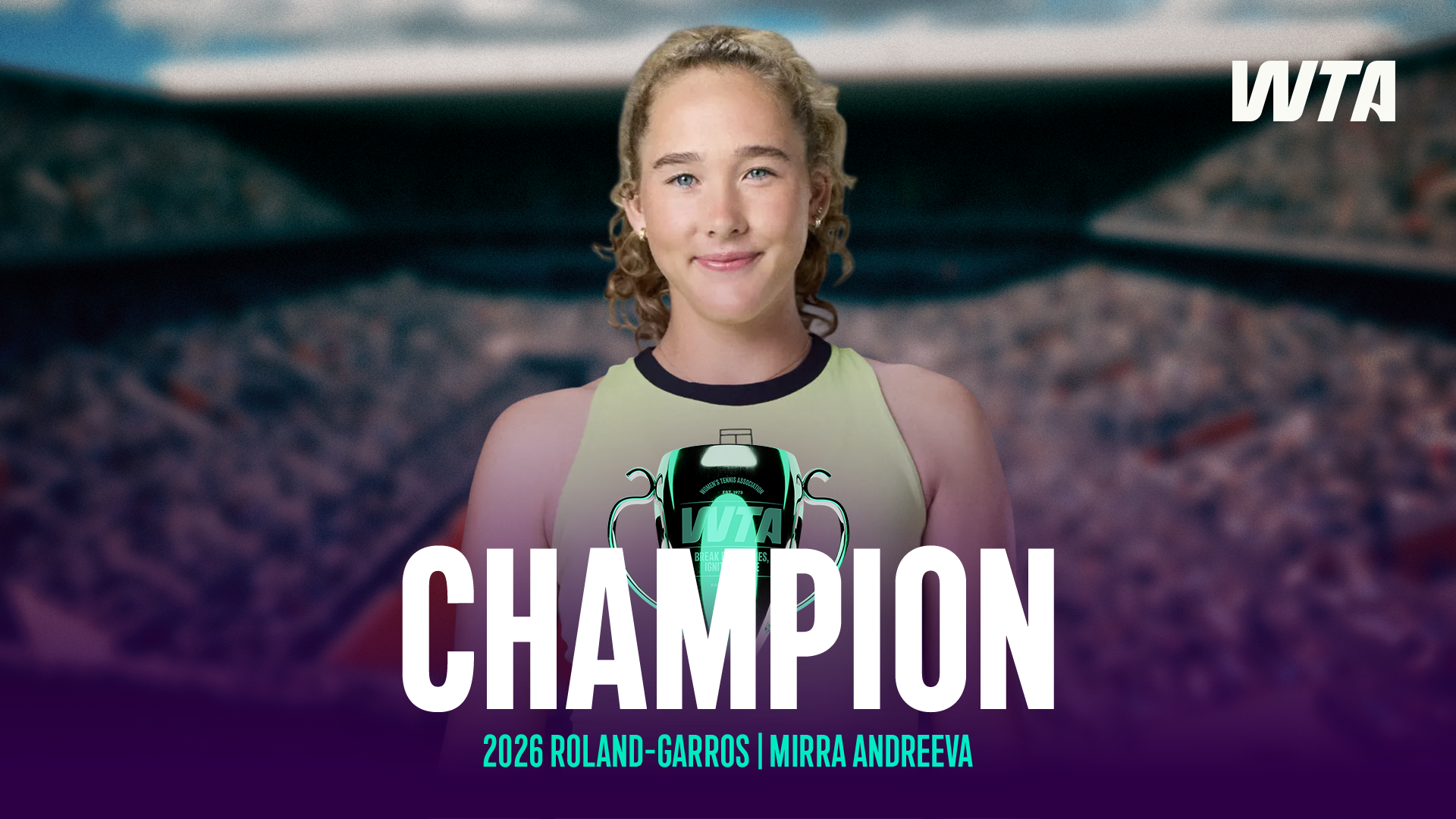
Mirra Andreeva’s complete game promises growth in 2026, the 18-year-old’s 2025 exploits tempered by a full tour’s demands. At 17, she claimed Dubai as the youngest WTA 1000 champion ever, then Indian Wells as the second-youngest, outlasting Sabalenka in a three-set final for a 12-match streak that hit 13 before Miami. Her early 20-3 record faded to 20-13, a natural wall after the grind.
Garber expects a strong rebound under Conchita Martinez, perhaps by trimming doubles to sharpen singles focus. Kallet foresees middle-ground results: no matching that hot start, but consistent finishes with late titles. Her varied spins and precise inside-out shots suit all surfaces, from hard-court speed to clay’s lift, but pacing the schedule will be crucial.
The prodigy pressure weighs, yet her poise in Dubai’s heat and Indian Wells’ winds hints at Top 5 potential. Fewer early exits mean refined tactics, like underspin to disrupt baselines or crosscourt angles to open courts. As 2026 progresses, Andreeva’s mental maturation could spark a youth revolution, her growth turning raw talent into sustained threat.
These questions frame a WTA season alive with tactical shifts and emotional undercurrents, from Sabalenka’s throne defense to Andreeva’s ascent. Majors will sort the contenders, their bounces and slips revealing who adapts best under the global gaze. Expect surprises on every surface, as the tour’s top tier collides in a rhythm of serves, spins, and sheer will.