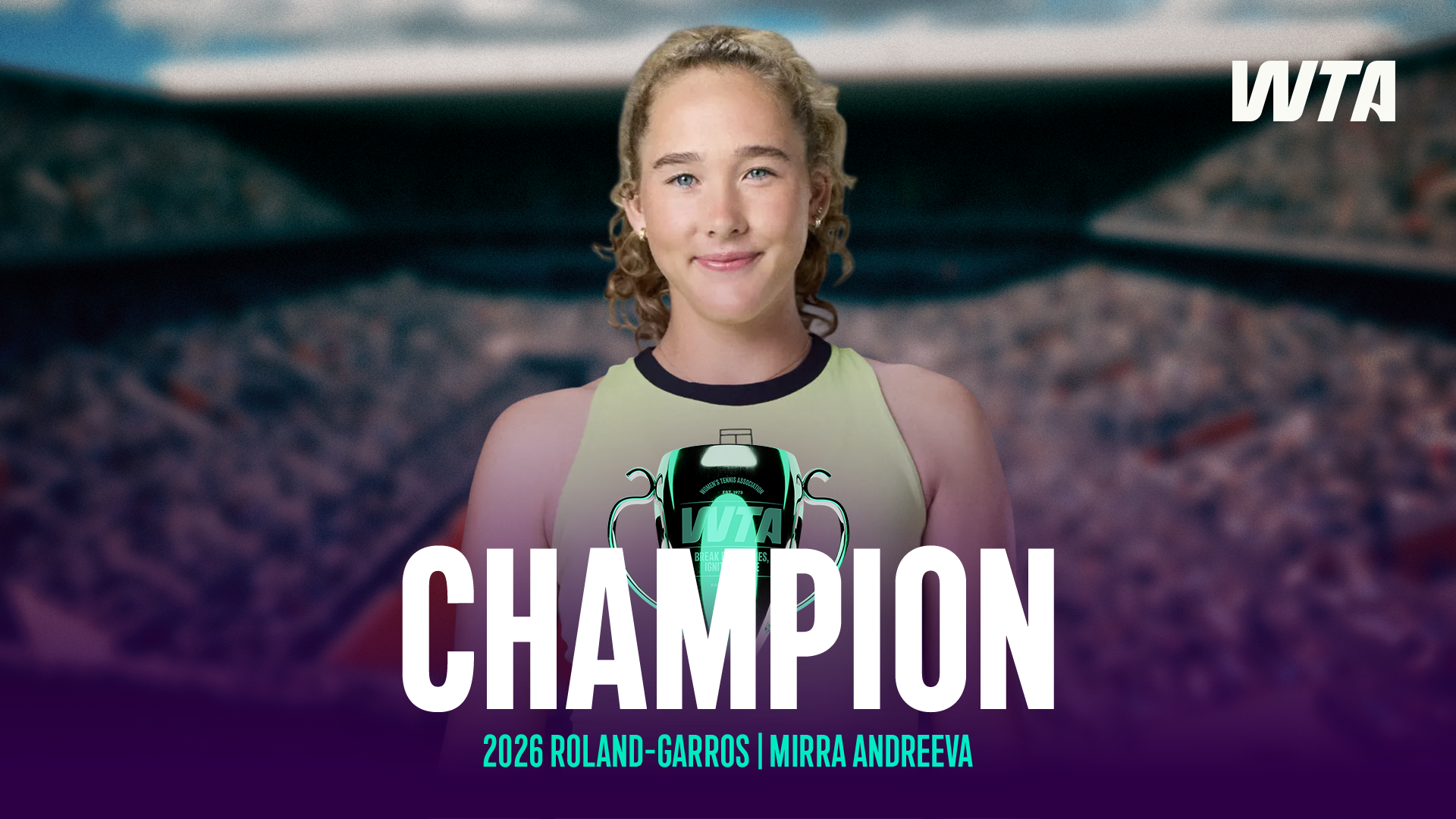
Andreeva lightens her load for the season’s endgame

Fresh from the shadow of early-season triumphs, Mirra Andreeva arrives in Beijing chasing not dominance but delight, her strokes freer as the Asian hard courts test a maturing resolve.
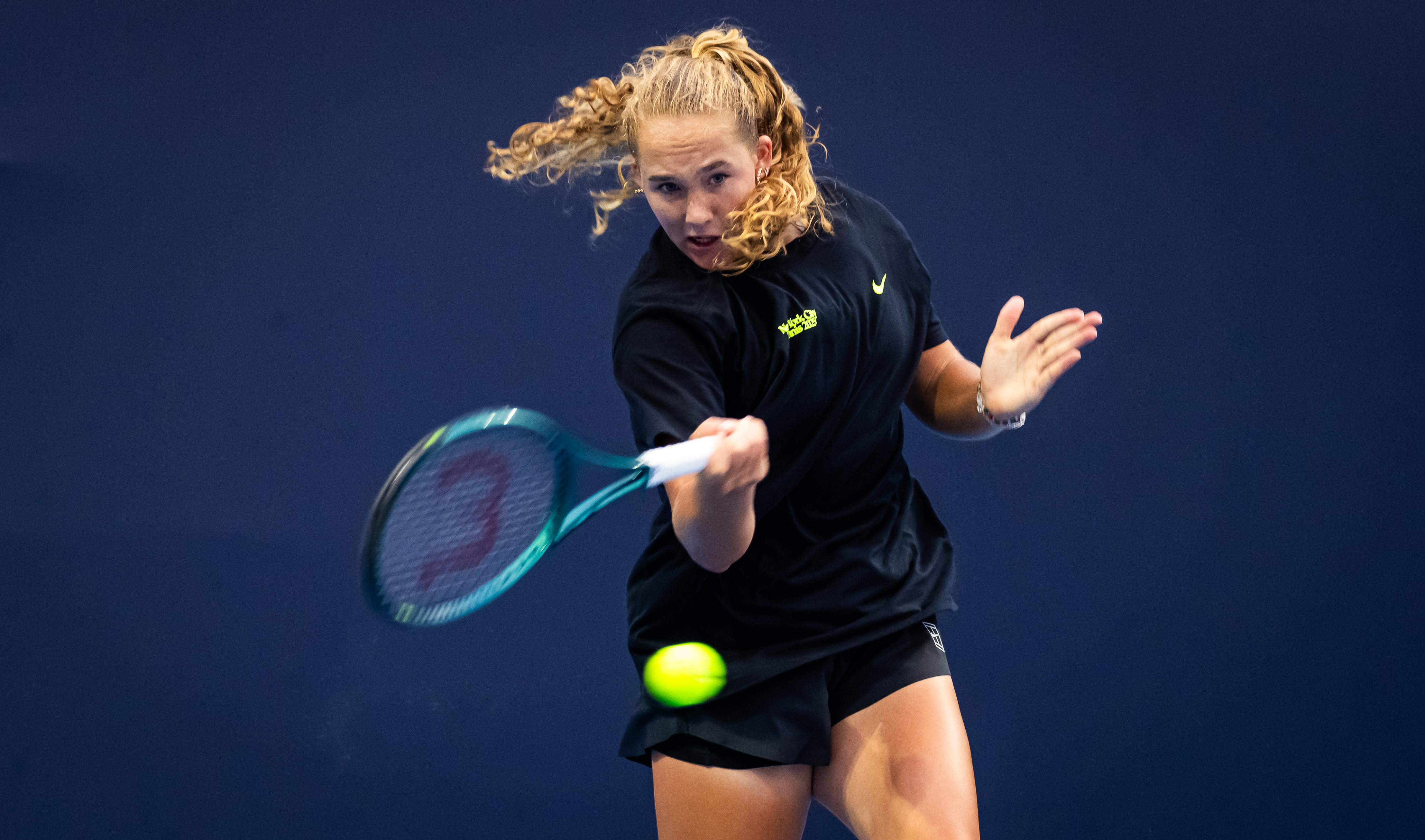
In Beijing’s crisp October air, where the China Open courts hum with the anticipation of a tour winding toward its climax, Mirra Andreeva steps forward unburdened. The 18-year-old’s path this year has traced a steep arc, from the euphoria of back-to-back titles in Dubai and Indian Wells to the quiet forge of expectation that followed. Now, as the Asian swing ignites under stadium lights, she embraces a looser rhythm, her game a blend of tactical precision and rediscovered joy amid the baseline’s relentless pulse.
Navigating the weight of early glory
Those victories in the desert and California sunshine lifted her 2025 record to 19-3, the tour’s highest win tally at the time, and rocketed her into the Top 10 as a 17-year-old sensation. For a player still the youngest in the Top 35 of the PIF WTA Rankings, the spotlight intensified every rally into a high-stakes narrative, her inside-out forehands now carrying the crowd’s collective hopes. Yet that pressure, once a tightening vise, has eased into perspective, allowing her to vary her patterns with instinctive flair—crosscourt backhands giving way to down-the-line surprises that keep opponents guessing on the hard courts’ swift bounce.
Grand Slam stages amplified the scrutiny, where she posted a 13-4 mark, carving quarterfinal paths at the French Open and Wimbledon with a mix of underspin slices to disrupt rhythm and aggressive one–two combinations to seize control. The air in Paris crackled with her topspin lobs over net-cord tension, while London’s grass rewarded her flat returns that skidded low, forcing errors in prolonged exchanges. Even in those triumphs, the mental load lingered, her post-match reflections revealing a young athlete learning to breathe through the roar.
“I’m trying to really focus on enjoying the game more,” Mirra Andreeva said. “After I won those titles, I started to feel more pressure and more expectations. I’m working on being positive, having a good mindset and just trying to enjoy the game, and do whatever I want to do on court without overthinking.
”After I won those two titles, I felt like people were expecting me to win every tournament I play, which I think we all knew would be impossible. But I think that is an experience I had to go through. You have to go through this, take the positives out of that, try to improve and learn from your mistakes. Every day I try to learn, and I get older, maybe a little bit wiser, maybe a little bit smarter.“
Her US Open campaign marked the season’s starkest detour, an early upset at the hands of American Taylor Townsend exposing vulnerabilities on the DecoTurf’s unforgiving speed. Townsend’s explosive returns shattered her serve patterns, the New York humidity amplifying every misstep as the crowd’s energy shifted from support to surprise. That defeat, though jarring, carved space for reflection, her slices now deployed with calmer intent to pull rivals off-balance rather than as desperate defenses.
Rebuilding strength for Beijing’s battles
Recovery became her ally after New York’s fade, the unexpected breather allowing focused work on an ankle that had shadowed her movement. Bolstered by targeted strengthening, she now glides across the plexicushion with renewed assurance, her footwork primed for the shorter points that define Asian hard courts. As the fourth seed here, a first-round bye sets up a likely second-round encounter with Moyuka Uchijima or a qualifier, where Uchijima’s topspin-heavy baseline game will demand quick adjustments—redirecting crosscourt to open angles before striking inside-in winners.
The schedule pulses ahead: the Wuhan Open as the final WTA 1000 in early October, then the WTA 500 in Ningbo, each venue’s grippy surfaces inviting her to lean into serve-and-volley forays or vary pace with underspin to counter aggressive returns. Beijing’s atmosphere, alive with local cheers and the distant hum of city life, mirrors her internal shift, warm-ups drawing young admirers who mirror her poised intensity. She visualizes these matches not as burdens but as canvases, her down-the-line backhands painting opportunities amid the floodlights’ glow.
”I feel good, my ankle is good,“ she noted. ”We did a good job in recovery, and strengthening it. I hope it’s not gonna bother me for the rest of the season.“ This physical solidity frees her mentally, strokes flowing with the fluidity that once defined her prodigious rise, now tempered by experience.
Pursuing Riyadh’s year-end spotlight
The ultimate horizon shimmers with the WTA Finals in Riyadh, a round-robin showdown for the top eight where tactical depth meets unyielding pressure. At World No. 5 with 4,793 points, she trails No. 4 Amanda Anisimova by 316 but leads No. 6 Madison Keys by 214, while No. 8 Jasmine Paolini sits 787 points behind in the final qualifying berth. Securing a debut there at 18 would mark a milestone, pitting her against the elite in a format that rewards versatility—mixing slice serves to jam returns with inside-out forehands that exploit the court’s dimensions.
”That would mean the world to me because I’m still 18, I’m pretty young, and to be able to qualify for the WTA Finals and play with seven other great players would be amazing,“ she said. ”It would be a great challenge for me. I’m going to try to do my best to make it there.“ As the Asian swing unfolds, her game evolves in tandem, each rally a step toward that desert stage, where the season’s lessons could culminate in a symphony of spin and strategy under Riyadh’s night sky.