Ann Li’s Resurgence: Joy, Tweaks, and a World Away

From ranking doldrums to a career-high finish, Ann Li’s 2025 blended mental resets and bold relocation into a season of gritty triumphs on hard courts worldwide.
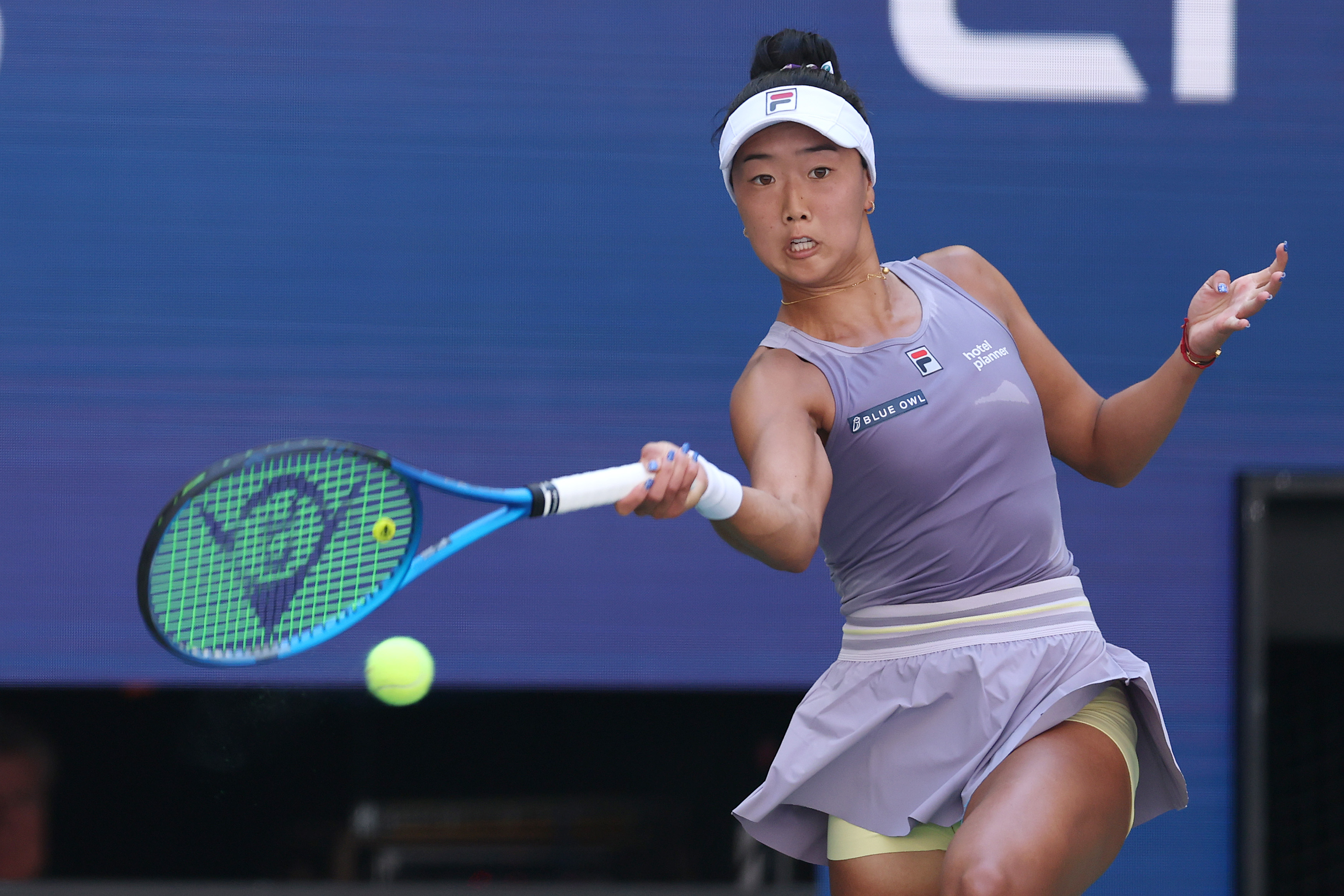
Ann Li stepped into 2025 clinging to the edge of the top 100 in the PIF WTA Rankings, her ambition fixed on storming the top 30 by December. The 25-year-old American carried scars from a post-2021 slide that had ejected her from the top 200, draining the spark from a game she once cherished. Incremental gains through the year’s first seven months lifted her to No. 69, but the breakthrough felt elusive until a rain-lashed tournament in Cleveland unlocked her fire.
Under relentless downpours, Li pieced together four victories, each a grind of deep returns and probing forehands that stretched opponents across the baseline. She reached the final there, her first deep run in years, channeling heavy topspin to turn defensive scrambles into offensive surges. That momentum spilled into the US Open, where she toppled 16th-seeded Belinda Bencic in the second round before falling to Jessica Pegula under the Arthur Ashe Stadium lights—her best major showing yet.
“I lost a little bit of joy in playing,” she admitted when reflecting on those challenging years. “And that was maybe the hardest part, because I genuinely love tennis.”
Rebuilding mindset with smart aggression
A fresh coach, Carlos Boluda, arrived as the pivot Li needed after nearly three years with Henner Nehles. Together, they reshaped her approach, emphasizing joy over outcomes and aggression tempered by patience—making every point a test of endurance. Li’s mantra emerged: force opponents to earn shots through crosscourt depth and inside-out angles, turning matches into wars of attrition on hard courts.
This shift sharpened her 1–2 pattern, where a slicing second serve set up forehand winners down-the-line. In Cleveland’s damp conditions, her topspin loops kicked high, disrupting flat hitters and converting break points at key moments. Off the court, Boluda helped buffer the tour’s emotional swings, focusing Li on daily competition rather than weekly rankings fluctuations.
“it’s really tough when you’re not doing well,” Li said, “because it’s so hard not to compare yourself. Honestly, results are the most important thing. One of the biggest goals when I started with Carlos was just to find the joy and be happy again.”
Her evolution showed in physical tweaks: more forward movement without recklessness, blending baseline rallies with net approaches on faster surfaces. Against Bencic at the US Open, Li’s backhand slices sniped short balls, flipping defense into pressure that yielded the upset. These adjustments not only rebuilt confidence but amplified her natural baseline power, prepping her for uncharted territories.
Relocating to Spain for total immersion
In January, Li made the seismic choice to uproot from her U.S. bases—Orlando, Atlanta, Delray Beach, Charleston—and settle in Alicante, Spain, near Boluda and her team. The Mediterranean port city offered beachside calm but demanded adjustment: no fluent Spanish, few friends, just the rhythm of training amid solitude. Her parents’ offseason visits brought familiar comforts, like home-cooked meals, yet the isolation fueled focus, turning downtime into recovery gold.
Alicante’s quieter pace contrasted the tour’s chaos, allowing intense fitness sessions that left her legs burning—core drills and leg circuits mimicking marathon rallies. With little beyond the courts to distract, Li honed specifics: a steadier second serve to jam returners, reduced unforced errors through consistent depth. This base translated to Asia, where she debuted on the continent by capturing the WTA 250 Guangzhou Open—her second career title, first in four years.
In Guangzhou, Li’s smart physicality shone on medium-paced hard courts, using one–two combos to break serves and crosscourt backhands to pin foes wide. The win hurled her to No. 33, ending the year at No. 38—a career high that brushed her top-30 dream. View this post on Instagram A post shared by Ann Li (@tennischampann)
“If you’re not having a great day, it doesn’t matter,” Li said of her mindset shift. “You still have to be able to perform and win and find a way to compete. You’re playing against one person. You just have to be better than that one person on that day.”
View this post on Instagram A post shared by WTA (@wta)
Charting 2026 without rigid ceilings
Parting from Nehles wasn’t impulsive; it aligned with Li’s quest for renewal, now paying dividends in seeding perks and direct entries. Alicante’s offseason grind continues, soreness a badge of progress as she eyes consistency over rankings pressure. As a former Wimbledon girls’ finalist, she balances ambition with presence, tweaking slice approaches to tee up inside-in forehands against power players.
The 2026 campaign launches in Brisbane, a loaded draw with four top-10 commits, followed by Adelaide or Hobart before the Australian Open. Li skips concrete goals, wary of their weight—“it’s a balance,” she noted. “it’s good to put a little bit of pressure on yourself in terms of rankings, but I try not to think about it too much. it’s not the best thing to think about.”
“I’ve never been more sore in my life,” she laughed of the training. “We’re training so hard. it’s a lot of intense fitness. My friend invited me to go to this carnival, and I didn’t go because my legs are dead.”
From Cleveland’s rains to Guangzhou’s glory, Li’s arc proves resurgence thrives on layered commitments—mental, tactical, geographic. Brisbane’s fast hard courts will test her improved returns against elites, potentially seeding her deeper into majors. She seeks no roof, just the next point won, joy intact, pushing toward the WTA’s upper echelons.