Tiantsoa Rakotomanga Rajaonah’s 2025 Breakthrough Reflections

From a gritty comeback in São Paulo to her first WTA title and Roland Garros debut, the 20-year-old Frenchwoman unpacks a season of mental resets and clay-court triumphs that propelled her into the top 120.
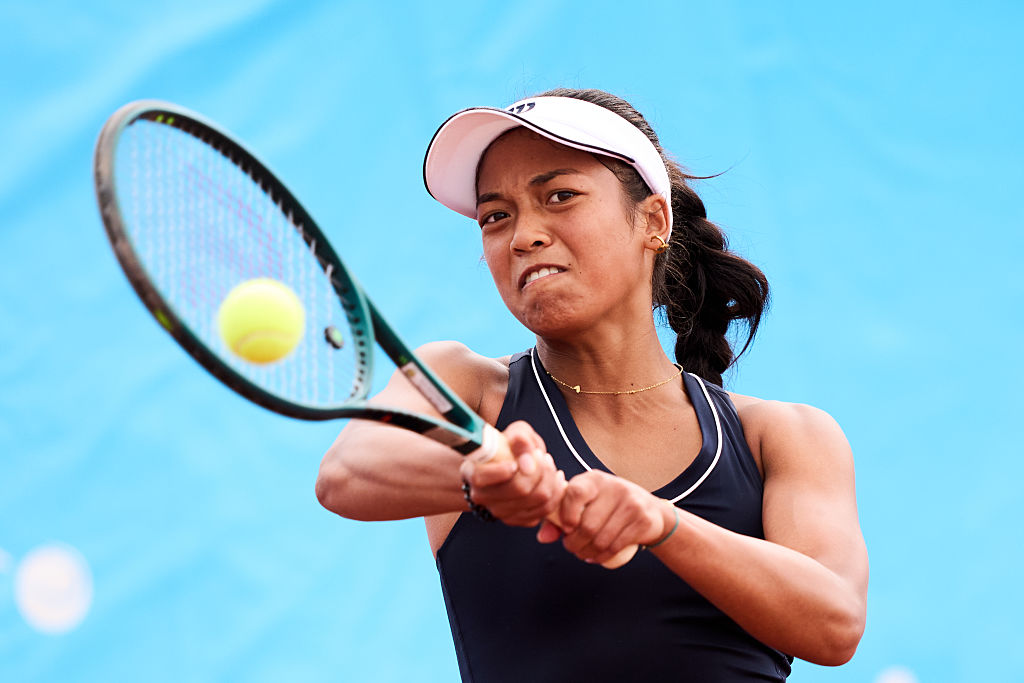
In the fading light of a São Paulo evening last September, Tiantsoa Rakotomanga Rajaonah trailed 5-0 in the final set of her opening-round match, the clay gripping her feet as doubt crept in. What began as a steady 2025—quarterfinals on home soil in Rouen, a Grand Slam debut at Roland Garros—demanded everything she had built over months of ITF finals and ranking climbs. She breathed deep, refocused on the next point, and turned the tide, launching a straight-sets surge through the draw that ended with her first WTA title against Janice Tjen.
I didn’t feel good at all, but I didn’t want to lose the match. At 4-0, I told myself, ‘Just relax, apply your tennis and everything will go right.' Then I stopped focusing on my leg. That’s what happened. I played point by point and things got better. My game got better.
That mental shift carried her forward, confidence blooming with each victory. She entered the year just inside the top 400, but three ITF singles finals and two in doubles pushed her past 100 spots to a career-high No. 119—coinciding with her 20th birthday. The São Paulo run, defeating strong opponents in crisp sets, felt like validation after a season of quiet accumulation.
Turning pressure into straight-set dominance
The first-round escape banished arriving nerves, setting a rhythm of match-by-match focus. Rakotomanga Rajaonah avoided fixating on outcomes, instead prioritizing recovery between points to sustain her energy on the red dirt. By the final, her lob on match point against Tjen floated just out of reach, sealing the win without the weight of expectation clouding her strokes.
Emotions hit hard right after: relief flooded in, easing the season’s built-up tension, followed by waves of joy that left her disbelieving yet exhilarated. She couldn’t quite grasp it at first, the pressure lifting like a sudden breeze after hours under the sun. That release marked not just a title, but a turning point in handling the tour’s demands.
Relief. I felt all the pressure leave my body. I couldn’t believe it. I really couldn’t believe it. But I felt all my strength and all the pressure go away, and then it was just a lot of joy. I was really happy. Really, really happy.
Her game thrived on clay’s generosity, where time allowed her to layer heavy topspin forehands deep, stretching opponents before pulling them in with drop shots. In Rouen, against Jaqueline Cristian, those delicate touches disrupted aggressive advances, turning potential breaks into held serves. The surface’s slower pace suited her patient construction, rewarding the one–two patterns she favors: a crosscourt backhand to open angles, followed by an inside-in forehand to finish.
Clay rhythms and idol influences shape her edge
Rouen’s quarterfinal run on home soil exposed her to WTA veterans, where she absorbed their composure amid lengthening rallies. She watched matches closely, noting how they managed pressure on the dirt, insights that sharpened her own approach. Clay gave her that crucial buffer, letting her set up points without the rush of hard courts, much like her idol Rafael Nadal’s relentless baseline work.
Nadal’s fighting spirit inspired her court attitude, while Roger Federer’s clean execution influenced her shot selection—blending grit with elegance. She aimed for clarity in her game, using slice backhands to keep balls low and unpredictable on the bounce. That hybrid style shone in tight spots, where drop shots became her go-to escape, winning points when rallies dragged into double digits.
Her Roland Garros debut amplified these lessons, the home crowd’s roar adding electric layers to every exchange. Playing on familiar red clay, she observed training sessions and tournament flow, learning how pros navigate major-stage nerves. It felt unbelievable, a step beyond anything prior, yet the court’s time let her deploy topspin loops and down-the-line passes with growing assurance.
We’re going to be putting a lot of work into my serve. And … yeah, the serve. Especially the serve. And goals, I don’t know. I just want to play all four Grand Slams, and I want to enter the top 100, so I guess that’s my goal.
Heading into 2026, refining her serve tops the agenda—placement to jam returns, kick serves to disrupt on clay. Success means cracking the top 100 and competing in all majors, building on 2025’s momentum from Australian hard courts to Wimbledon grass. These adjustments will address vulnerabilities exposed in longer matches, turning second serves into weapons rather than targets.
Family ties ground a rising career
Off the court, family provided the steady anchor through tour isolation. Born in Madagascar and moving to France at 6, she carries warm memories of extended relatives there, though school and tennis quickly made Toulouse feel like home. Her parents, married for years in Toulouse, and 23-year-old sister in Paris keep close via daily calls, their support a daily recharge amid the grind.
Tennis started as family playtime around age 6 or 7, hitting against the wall and club courts during free moments. She can’t pinpoint when it became a pursuit, but the love was always there, evolving from casual games to professional drive. Excitement builds for holiday reunions, gifts from friends filling gaps left by distance, each one a reminder of the network sustaining her.
Beyond the baseline, she unwinds with singing—though it annoys roommates—reading, and quiet alone time, plus sleep when possible. Making people laugh comes naturally in French, tougher in English, but her smile-making spirit lightens any room. If she could play anywhere off-tour, Madagascar calls, its beauty tying back to her roots for a match amid inspiring landscapes.
The first-round turnaround in São Paulo echoed through Rouen and Roland Garros, where clay’s patience let her extend rallies and vary spins. Drop shots against Cristian pulled the Romanian forward, creating openings for crosscourt winners that exploited the dirt’s grip. ITF finals earlier built that base, each one honing her ability to redirect pace with underspin slices staying low.
At Roland Garros, the debut’s intensity mirrored childhood wall sessions, where rhythm and repetition built instincts for point construction. She studied pros’ serve drills, noting slice variations that skid on clay, ideas to integrate into her 2026 focus. Family’s early encouragement—parents’ long marriage a model of stability—fueled the resilience seen in her São Paulo lob, floating triumphantly to end the final.
Her 2025 arc, from top-400 starts to No. 119 highs, wove mental fortitude with tactical growth on clay. Straight-set wins post-comeback showed precision: forehands whipping inside-out to wrong-foot Tjen, backhands down-the-line piercing gaps in extended exchanges. Pressure transformed into focus, the title’s joy a release that positions her for deeper runs, serve tweaks unlocking top-100 matchups.
Madagascar’s pull evokes freedoms contrasting tour structure, yet both nurture her grounded approach. Reunions with Toulouse parents and Paris sister will recharge before 2026’s slate, from hard-court transitions to grass adjustments. There, her drop-shot confidence and Nadal-Federer blend promise disruptions, turning clay comfort into all-surface threats.
In São Paulo’s heat, the 5-0 deficit became her forge, strokes sharpening as she ignored the score for point-by-point clarity. Rouen’s home crowd energy taught adaptation against power, drop shots dying on the line to snatch games. Roland Garros immersed her in major tempo, observations of pressure management informing serve work ahead.
Family tennis love sparked it all, wall practice at 6 or 7 instilling baseline patience that thrives on clay’s slide. Daily mom calls combat loneliness, their closeness buffering 2025’s chaos—from ITF doubles buffers to WTA singles surges. As she eyes all Slams, this foundation ensures pressure fuels ascent, not overwhelm.
The São Paulo final against Tjen highlighted matchup edges: her topspin loops forced high bounces on clay, clashing with flat shots to open the court. Lobs reset when net approaches faltered, conserving energy for decisive inside-in forehands. Post-title, relief mingled with joy, body unburdened as rankings math—over 100 spots gained—crystallized the year’s arc.
Idols’ influences persist: Nadal’s attitude for fightbacks, Federer’s class in drop-shot finesse. Rouen against Cristian exemplified it, the ball teasing the netcord before dropping short. Early ITF finals stabilized climbs, singles breakthroughs adding velocity before Roland Garros’ top-150 entry.
For 2026, serve placement—wide backhands to set up forehand attacks—addresses breaks in rallies. Imagine kick serves on Paris clay, weak returns attacked with crosscourt winners against grinders. Her childhood move at 6 blended worlds, Madagascar family visits evoking home, now fueling tour resilience.
Off-court habits—singing softly, reading in quiet—recharge for tactical demands. Humor bridges gaps, smiles easing English barriers. Birthday celebrations with friends, gifts substituting family, highlighted support’s role in mental pivots like São Paulo’s.
Clay’s time lets her deploy one–two patterns fluidly: deep crosscourt to stretch, inside-out to finish. Roland Garros’ atmosphere sharpened this, watching pros mix spins under lights. 2025’s narrative—from tentative debuts to title release—positions her as a 20-year-old mastering mind and racquet, ready for broader horizons.