Vacherot’s hidden chaos powers Shanghai fairy tale

Beneath Valentin Vacherot’s record-shattering Masters 1000 triumph lurked a whirlwind of injuries, visa scrambles, and family rituals that turned his No. 204 ranking into an unstoppable force on Shanghai’s hard courts.
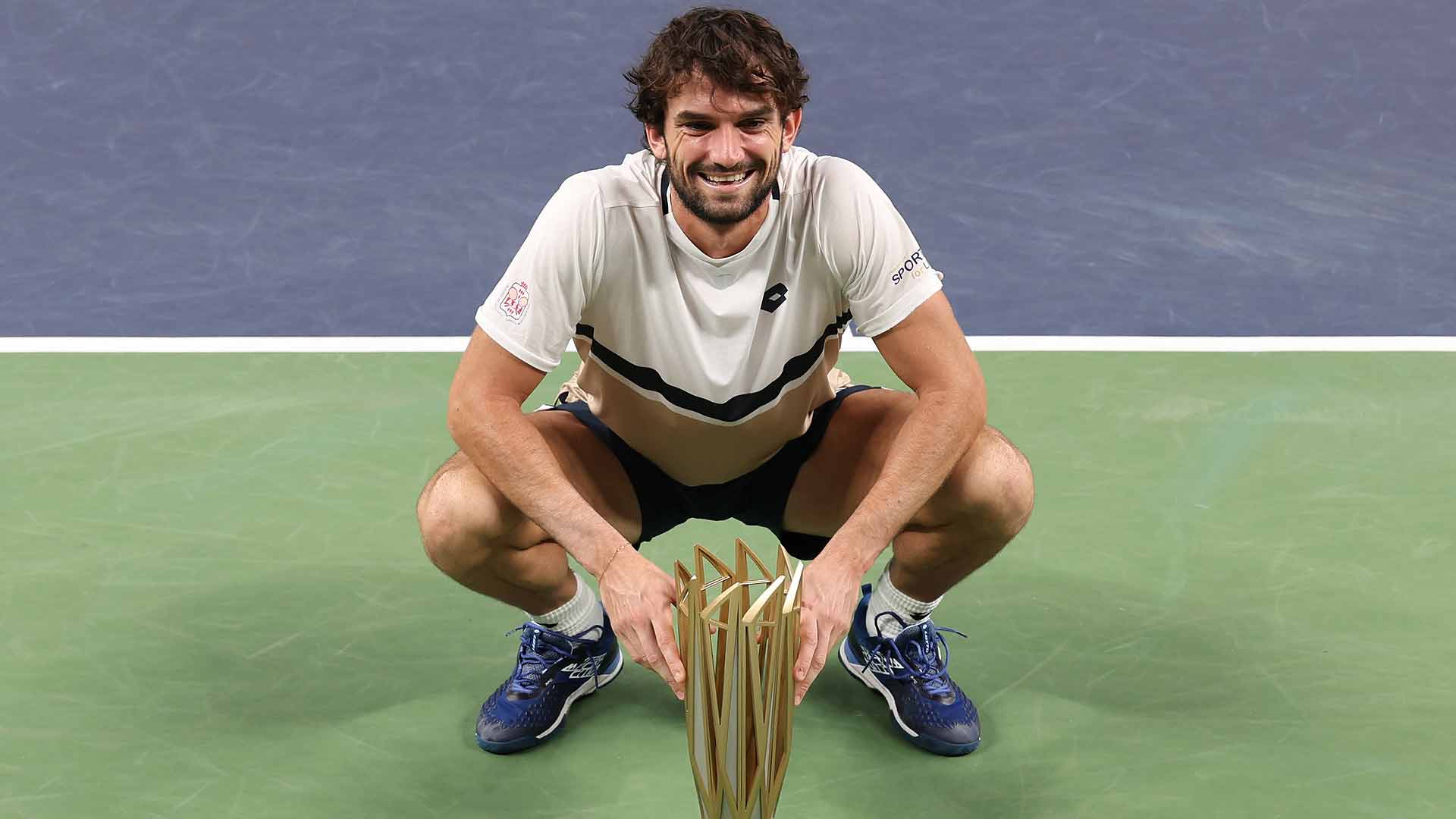
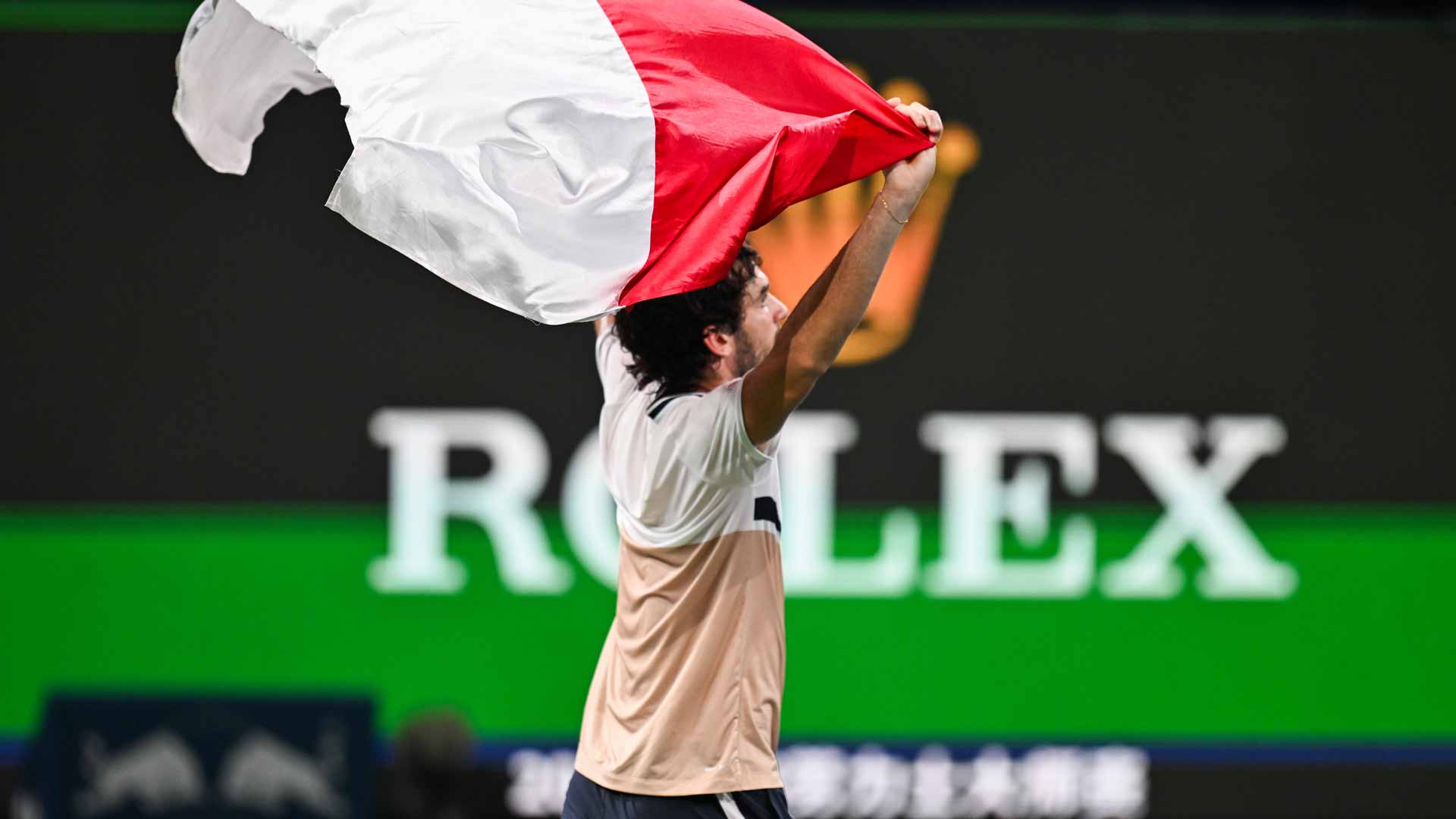
Valentin Vacherot‘s dash to the Shanghai Masters title unfolded like a script no one could predict, blending sheer grit with moments of near-disaster that amplified the improbability of it all. At 26, the Monegasque entered ranked No. 204 in the PIF ATP Rankings, with just one prior ATP Tour victory to his name, yet he became the lowest-ranked champion in Masters 1000 history. His path through qualifying nearly ended in the second round, where he staved off two match points against Liam Draxler before surging into a main draw that would rewrite the tournament’s lore.
Grass tumble ignites hard-court revival
The saga traced back to Wimbledon, where Vacherot slipped on the grass during first-round qualifying against Hamish Stewart, retiring in the second set with suspicions of a torn ACL hanging over him. That late-June mishap threatened to derail his season, but he reemerged a month later on the ATP Challenger Tour, testing his knee at events like the one at the Rafa Nadal Academy by Movistar in late August. The shift to hard courts sharpened his game, his topspin forehands gaining bite on the higher bounces while he dialed back slice backhands to match the surface’s quicker tempo.
Emily Snyder, Vacherot‘s girlfriend, sensed the momentum building and texted one of his best friends: Shanghai doesn’t know what’s coming; he’s making quarters. Her optimism, drawn from watching him grind through Challengers, masked the travel uncertainties ahead, as Vacherot initially fell outside the qualifying cutoff for the event.
“We would go watch Arthur’s match. Arthur’s match would finish. We would go all together to the [same] Italian restaurant because Arthur was only traveling with one other guy,” Snyder said. “For a lot of the other matches, Ben — Val’s coach and half brother — would come, and he would sit and almost kind of be like a coach for Arthur, too.”
Family bonds steady the underdog charge
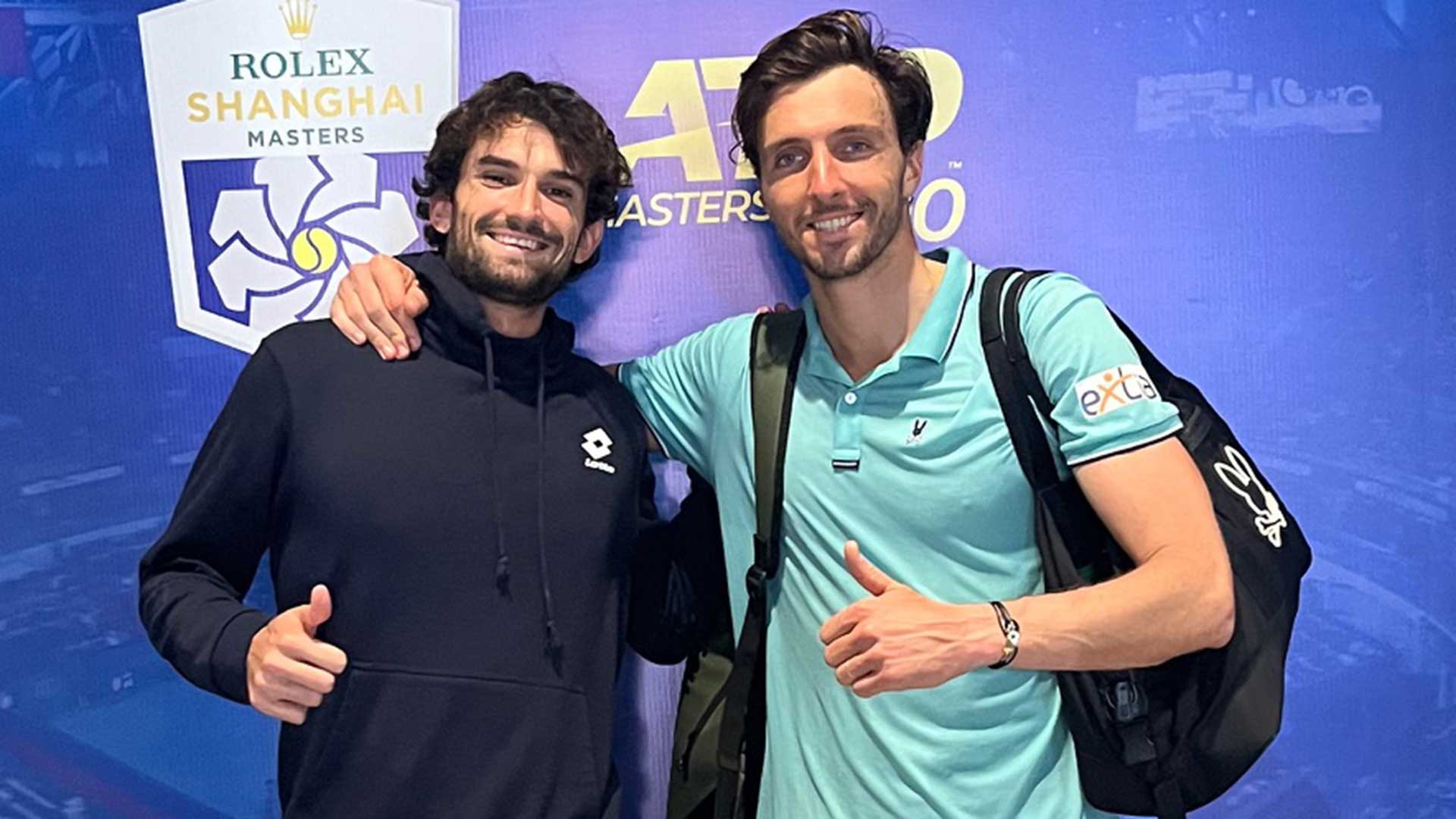
Once in China, Vacherot battled through qualifying to link up with his cousin Arthur Rinderknech in the main draw, their matches alternating in a rhythm that kept the pressure shared. On days Rinderknech competed, Vacherot’s team, including coach and half-brother Benjamin Balleret, filled the Frenchman’s player box, offering insights amid the humid buzz of Qizhong Forest Sports City Arena. Post-match gatherings at a nearby Italian restaurant fostered a tight-knit vibe, with Balleret providing tactical tips that echoed across both campaigns.
On October 2, preparing to face 14th seed Alexander Bublik, Vacherot and Snyder wandered Yuyuan Garden amid Golden Week crowds, then dined near The Bund before a taxi scramble left his phone at one percent battery upon hotel return. The next day, he upset Bublik with deep crosscourt returns that exploited the Kazakh’s erratic serves, his inside-out forehands carving angles on the fast hard courts. Nightly hotel reunions brought stares of disbelief turning to laughter, as the pair questioned if their reality had scripted such a surge.
Snyder’s 10-day transit visa added urgency, prompting daily flight cancellations until Vacherot’s fourth-round win over Tallon Griekspoor forced a 4 a.m. pivot. She flew to Osaka for a night, rushing back at dawn to catch his quarterfinal against Holger Rune, where underspin approaches neutralized the Dane’s power and propelled another comeback. Vacherot dropped the first set in six of his nine matches, each rally built on a nothing-to-lose edge that freed his one–two serve patterns to disrupt seeded rhythms.
Superstitions seal the historic run
Snyder revealed post-final how routines anchored them: she stuck to the same toilet daily, while Vacherot showered in one stall twice a day, and the team claimed fixed car seats for rides to the venue. These unspoken habits, born from the marathon’s mounting stakes, mirrored his mental framework—one match at a time, where trailing eased swings but leading amplified break-holding stress. He often shared with her during opponents’ bouts that deficits allowed bolder crosscourt probes, a mindset that fueled his down-the-line passes against fading favorites.
“I think what helped the entire time. It was one match at a time,” Snyder reflected, noting Vacherot’s refrain: I have nothing to lose; I’ve made it this far, why stop now? This poise carried him through the family-fueled final, etching a magical cousinly tale into Shanghai’s legacy.
Everything led up to this moment… ⁰⁰Arthur & Valentin, what a magical story ⁰⁰#ItAllAddsUp | #ShanghaiMasters pic.twitter.com/ortZfXbDIt
— ATP Tour (@atptour) October 12, 2025
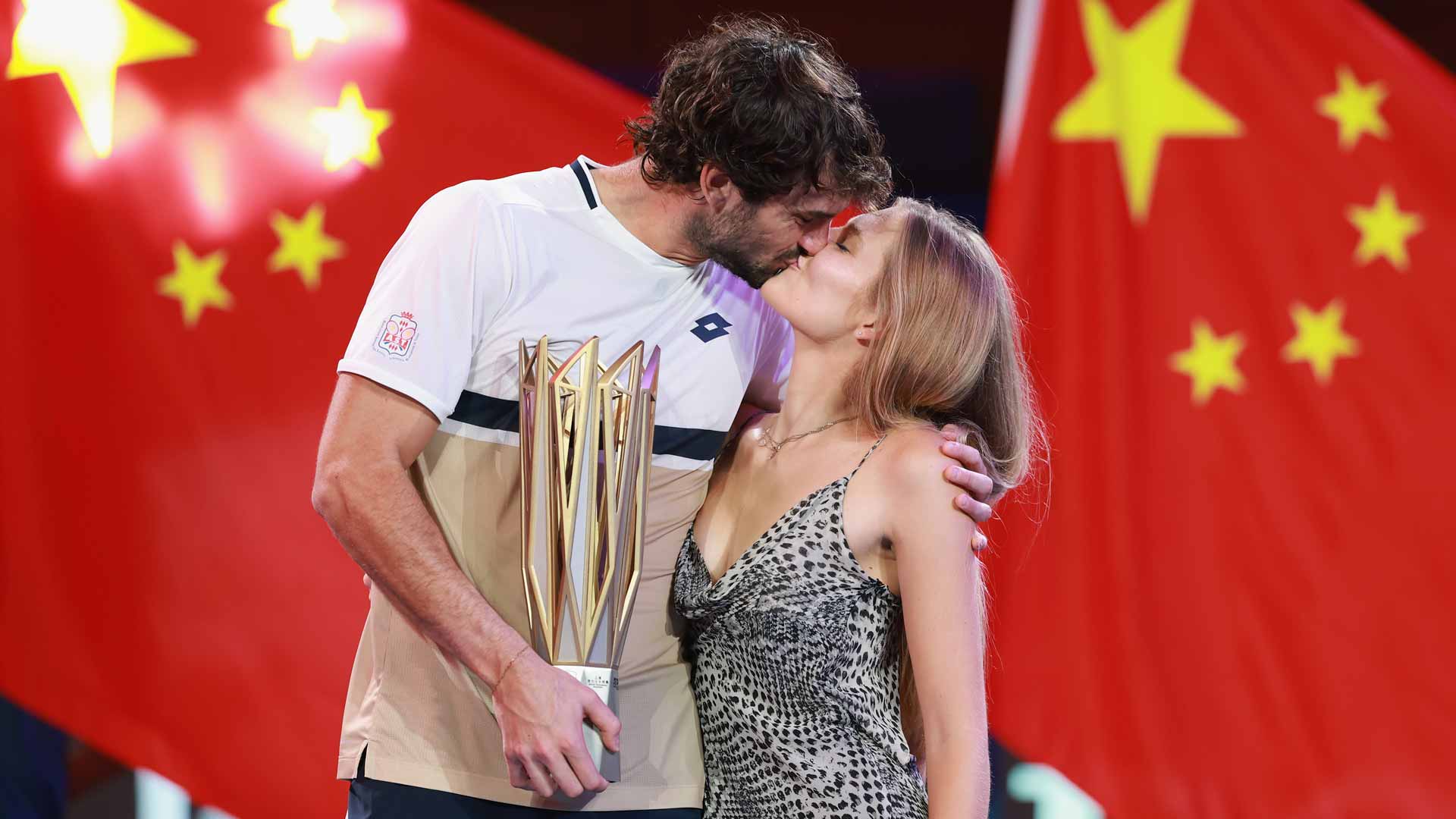
Back in Monte-Carlo on Monday, three years after meeting at a 2022 bar—Snyder on a study-abroad break from the University of North Carolina, he sidelined by a foot stress fracture—the couple faced an airport ambush from family and high school friends. Strangers approached him at Tuesday lunch, hailing the achievement, and Prince Albert II attended a celebration at Monte-Carlo Country Club. Even home, the triumph’s full weight eluded them, especially with the cousin connection derailing Vacherot’s planned five Challengers and opening doors to brighter tours ahead.