Yuliia Starodubtseva Emerges in Charleston

From qualifier doubts to WTA final nerves, Yuliia Starodubtseva’s green-clay surge in Charleston blends homesick resolve with tactical grit, marking her pro ascent after college detours.
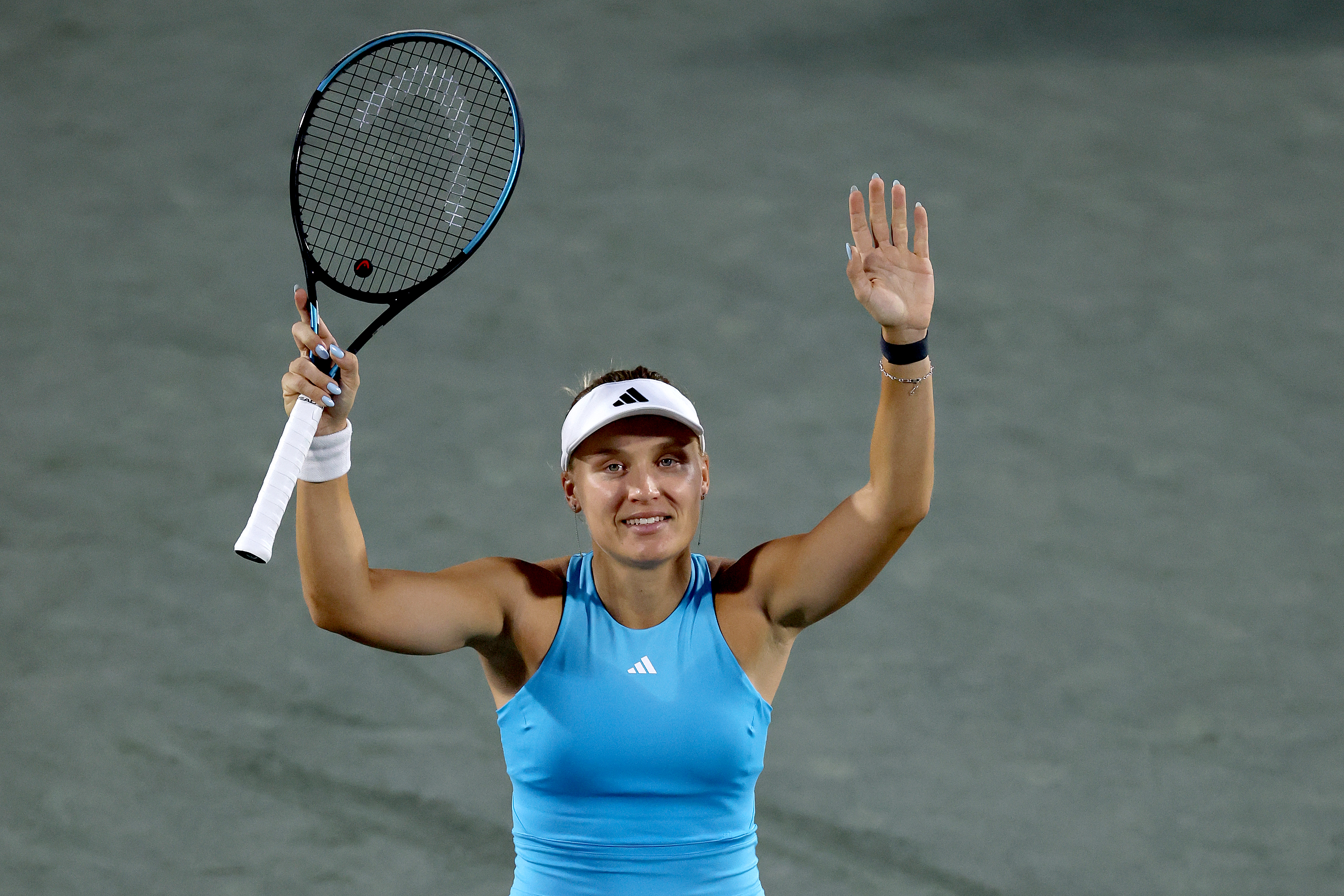
In the sticky Lowcountry air of Charleston, South Carolina, Yuliia Starodubtseva arrived at the Charleston Open carrying the scars of a uneven 2025. The World No. 89 had clawed through qualifiers, slipping into the main draw via a late withdrawal, her game sharp but confidence frayed. What unfolded was a run to her first WTA Tour final, ending in a valiant loss to Jessica Pegula and a $218,225 reward that lit a path forward.
She spoke after her semifinal win over Madison Keys, revealing the emotional undercurrents driving her play. The ongoing conflict in Ukraine has stranded her abroad for four years, family ties pulling from afar as she settles in Berlin, Germany, with a move to Barcelona, Spain, on the horizon.
“I still have family back home,” Starodubtseva said. “I haven’t been home for four years. Really miss home. Haven’t seen my dad for four years, my grandparents. it’s been hard. I keep thinking how to bring us all together, but maybe now it’s going to become easier because I feel like a lot of it depends on the finals.”
Her father’s texts arrive like urgent dispatches, questioning her post-match adrenaline and pushing for immediate practice sessions, even as she collapses into bed after late-night triumphs. This eastern European tenacity mirrors the mental steel she deploys on court, where deep returns and patient rallies turn pressure into points. Back home, streaming matches proves tricky, yet their support bridges the miles, fueling her focus amid the tournament’s rising stakes.
College roots build steady foundations
At 17, financial hurdles in Ukraine steered Yuliia Starodubtseva toward Old Dominion University in Norfolk, Virginia, a leap into unknown American college tennis. She landed there with scant grasp of the system, drawn by a full scholarship, team resources, and fellow Ukrainian players offering instant comfort. That spring of 2022, she racked up a 22-1 singles record, her only slip a three-set battle against McCartney Kessler of the University of Florida—a matchup destined to echo.
“In all fairness, like I was 17 years old, and I had no idea about American colleges,” she reflected after her Charleston quarterfinal victory over Kessler. “It just seemed like a great opportunity, especially at that moment I wasn’t able to go pro.” The program’s structure—intercultural communication undergrad followed by a sport management master’s—honed her beyond strokes, teaching adaptation in team travels and shared car rides that knit lasting bonds.
There, she crossed paths with her coach and boyfriend, Australian Pearse Dolan, from the men’s team; he’s shaped her game for the past year and a half, refining patterns like the one–two serve-forehand combo that pins opponents deep. Those university days, blending competition with camaraderie and occasional house parties, tempered her into a pro-ready competitor, far from the random start at age five that ignited her competitive spark by 11 through local Ukrainian wins.
Coaching grind sharpens clay edge
Graduating in 2022, Starodubtseva pivoted to coaching at Westchester Country Club in New York, logging 10-hour days across clinics for men, women, and kids on 15 green clay courts—a twist of fate priming her for Charleston’s surface. She bridged to the pros via UTR tournaments, flipping her college loss to Kessler with a final win in one such event, building layers of rivalry-fueled confidence. Her former boss even showed up for that Charleston quarterfinal, watching as she outlasted Kessler in baseline exchanges laced with inside-out forehands and low slices.
“There is an inside joke that I’m so comfortable on green clay because I coached it for a year,” she noted on Friday, her laugh cutting through the press room buzz. Green clay’s quicker pace—higher bounces, less slide—rewards her adjustments: shortening returns to absorb power, mixing heavy topspin forehands crosscourt to control rallies, and deploying underspin backhands down-the-line to disrupt aggressive swings. Against Keys in the semis, this tactical mix extended points until the American’s 28 unforced errors mounted, her 6-4, 7-5 victory a testament to poise under Charleston’s palmetto-shaded lights.
In the final, Pegula’s back-to-back title defense tested those edges, her drop shots pulling Starodubtseva forward while precise backhands neutralized the Ukrainian’s topspin loops. Yet the run—holding serve at key moments with wide angles and deep seconds—netted ranking points to vault her toward the top 60, easing financial strains and opening doors for family visits. Her phone, meanwhile, overflows with unread messages, Instagram muted to stem the flood, a chaotic echo of her breakthrough’s ripple.
Off court, drives in fast cars and techno rhythms offer release, her Autobahn dreams clashing with Dolan’s pull toward Green Bay Packers games and Aaron Rodgers fandom—now Steelers-bound. Tennis hooked her through early tournament successes, her father’s nudge toward college ensuring she arrived pro-ready, mentally fortified. As Barcelona beckons, this Charleston surge—blending personal ache with green-clay savvy—positions her for Europe’s clay swing, where varied spins and patient patterns could sustain the momentum into deeper runs.