Djokovic Etches Legacy in Melbourne Defeat

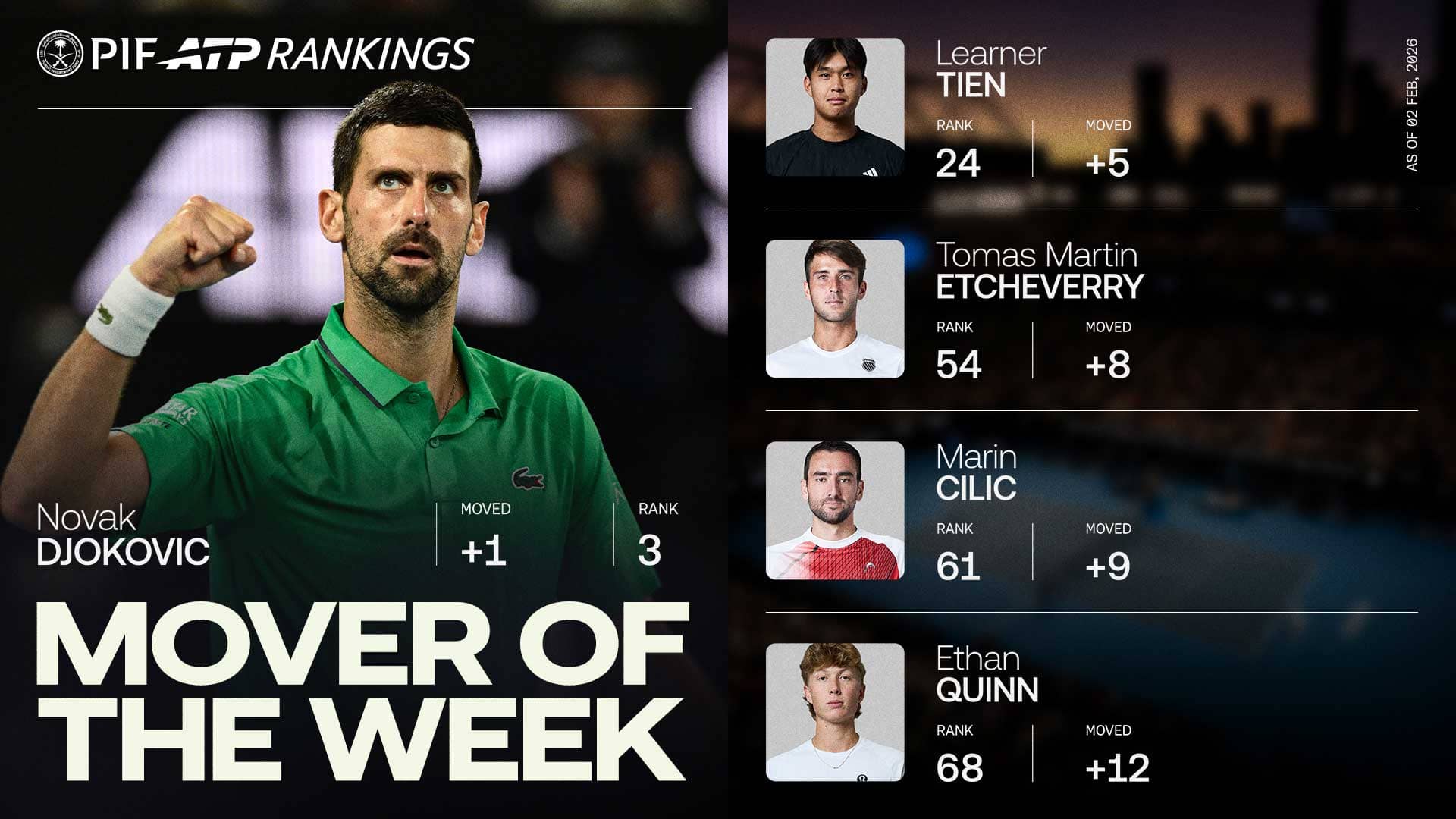
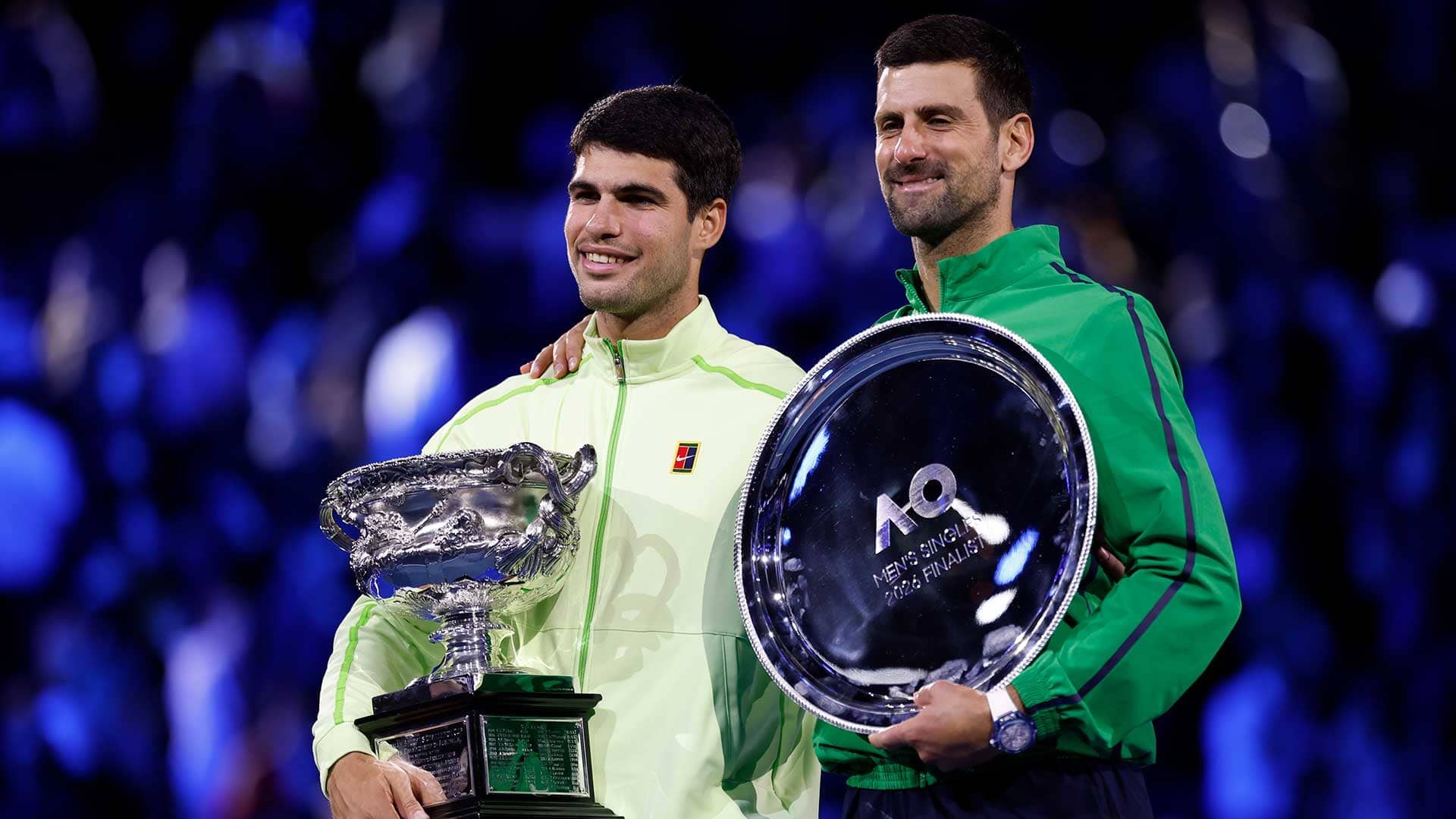
Novak Djokovic chased a 25th Grand Slam at the Australian Open but fell to Carlos Alcaraz in four sets, yet his run overflowed with records that redefine endurance at 38.
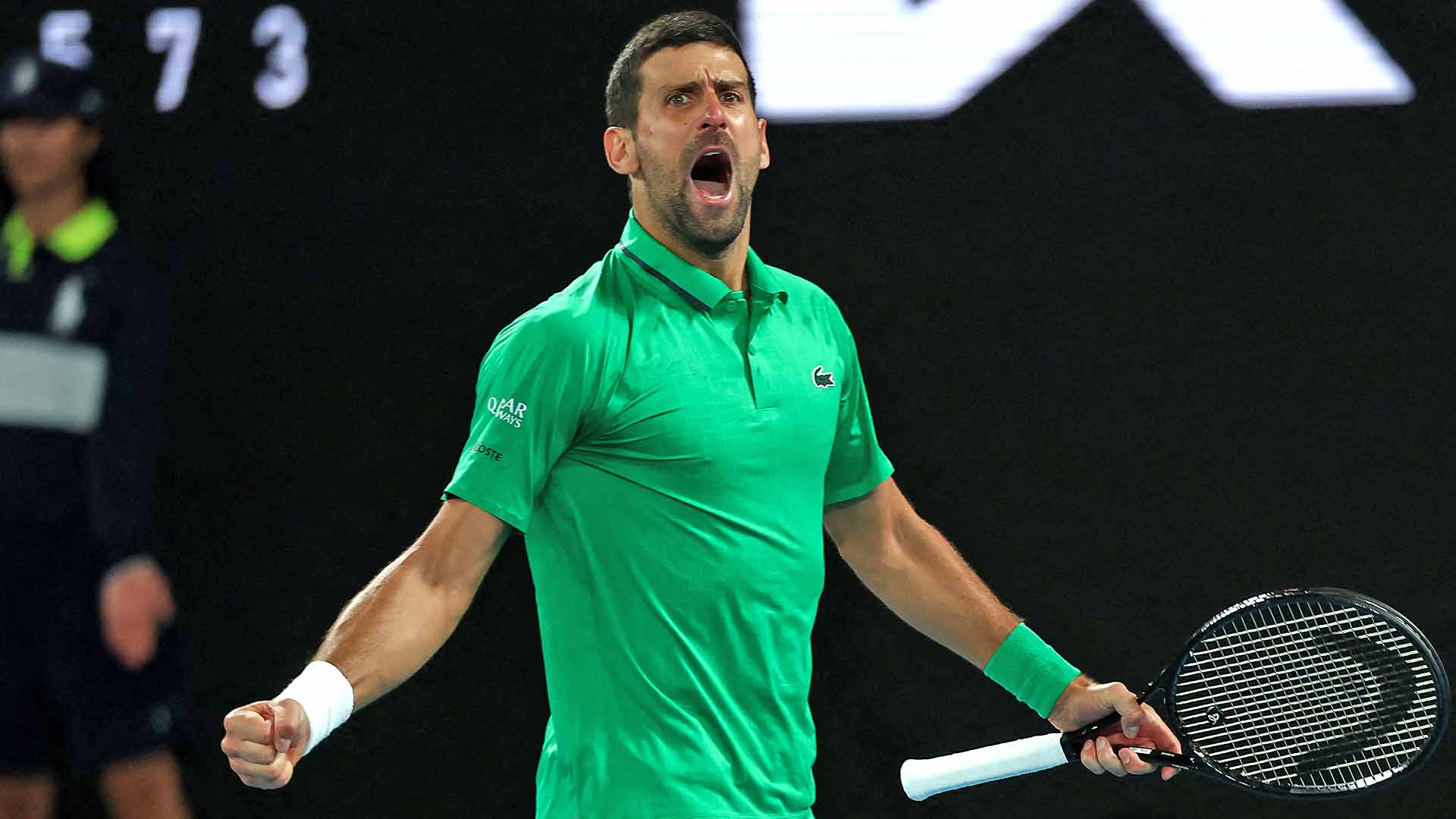
In the humid roar of Rod Laver Arena, Novak Djokovic stretched Carlos Alcaraz across baselines in a four-set final at the Australian Open, his heavy topspin forehands forcing errors until the Spaniard’s inside-out winners tipped the scale. The 38-year-old Serbian, eyes locked on a record-extending 25th major, arrived in Melbourne nursing an elbow niggle from late 2025 that sharpened his focus on efficient patterns. Even in falling short, he turned the fortnight into a masterclass of adaptation, his 1–2 serve-return combos pinning foes deep on the plexicushion courts.
“it’s not about the trophy this time; it’s about proving the fire still burns,” Djokovic said post-match, sweat beading under the arena lights.
Baseline grind yields historic wins
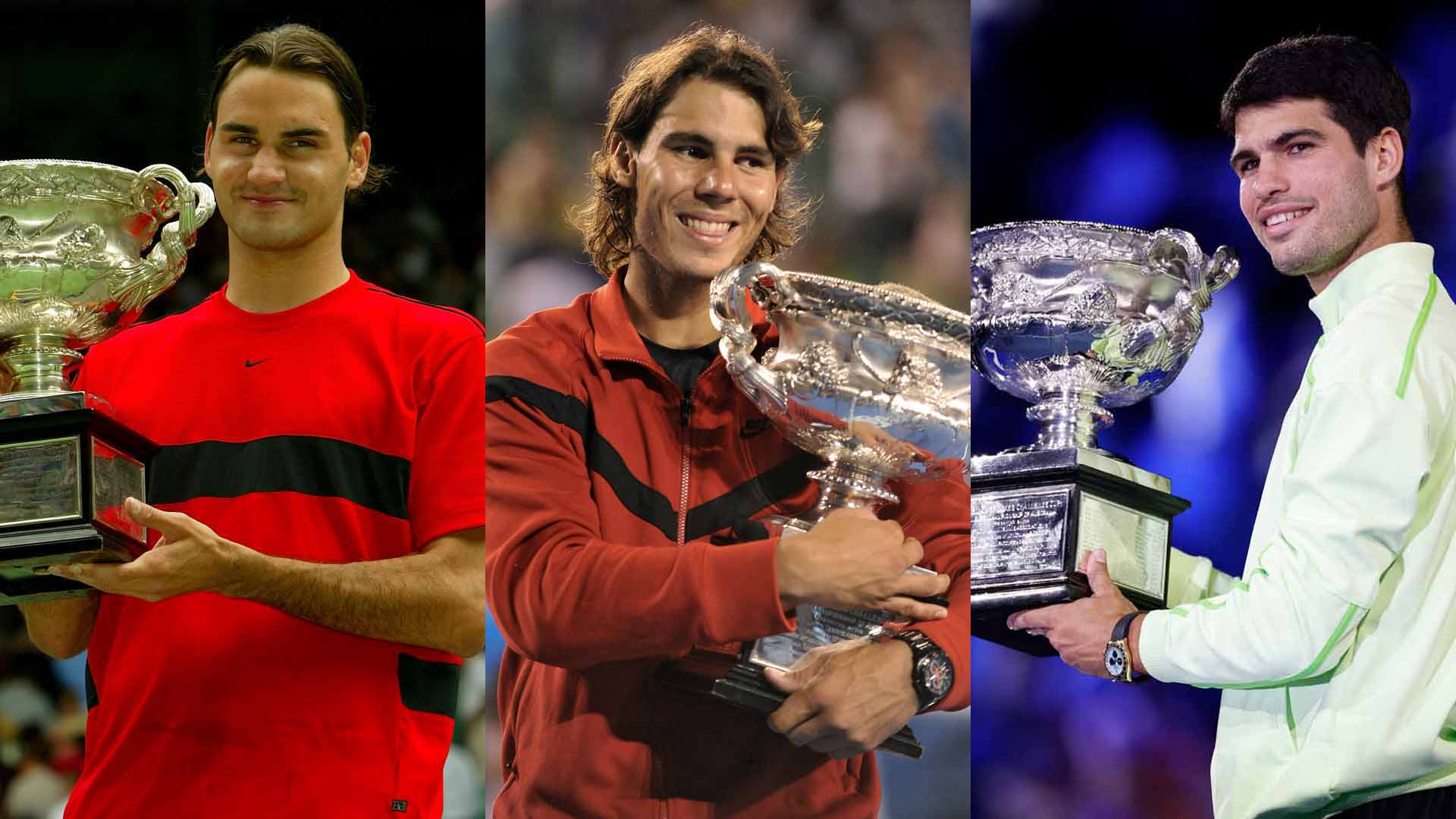
Djokovic’s path carved 104 victories at Melbourne Park, eclipsing Roger Federer‘s 102 and seizing the all-time lead across men’s and women’s tennis. He leaned into crosscourt backhands to control rallies, preserving energy in three-set battles where the hard court’s true bounce amplified his depth. This tally made him the only player with at least 100 wins at the Australian Open, Roland Garros, and Wimbledon, a trio forged from surface-specific tweaks like looping topspin on clay and quick slices on grass.
Reaching the final amplified his dominance, as he hit 400 Grand Slam match wins, closing the tournament at 402 and pulling ahead of Federer’s 369 and Serena Williams’s 367. In quarters against Rafael Nadal, his down-the-line passes exploited the Spaniard’s movement, turning potential upsets into statements of longevity. The crowd’s chants swelled with each milestone, the air thick with the scent of victory deferred but records secured.
Age bends but never breaks records
At 38, Djokovic became the oldest Open Era finalist at the Australian Open, surpassing Ken Rosewall‘s mark from 1972 when the Australian was 37. He countered Alcaraz‘s explosive rushes with underspin slices that skidded low, buying time to reset on the faster hard courts. This run marked his 38th Grand Slam final, extending his own record beyond Chris Evert’s 34, a barrier he first cleared alone at 2023 Wimbledon.
Since turning 35, he’s now reached seven major finals, setting a new Open Era standard over Rosewall’s six, Williams’s five, and Federer’s four. Semifinal tension peaked in extended deuces, where his inside-in forehands neutralized break threats, the baseline tempo a rhythmic duel of patience and power. Melbourne’s energy fueled these feats, transforming physical strain into psychological armor.
Finals chase sustains seasonal fire
Djokovic’s adaptations—shortening his backswing for quicker loops against Alcaraz’s speed—ensured ATP points flowed despite the title slip, buffering his world No. 1 hold. The hard courts rewarded his tactical reads, like anticipating drop shots with preemptive volleys, layering depth into every exchange. As confetti fell on Alcaraz, the Serbian’s gaze turned to clay horizons, his records a foundation for evolutions ahead.