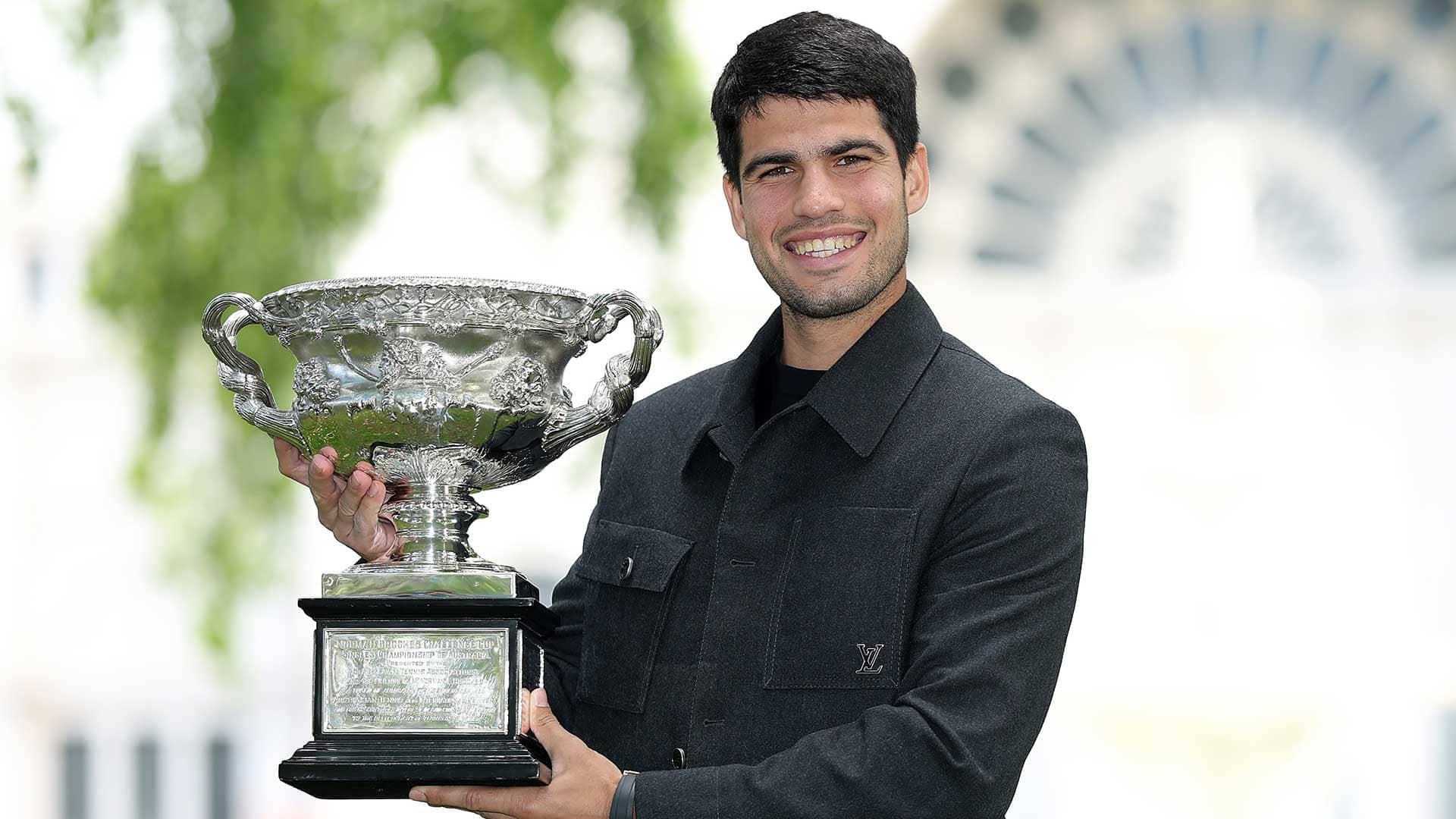
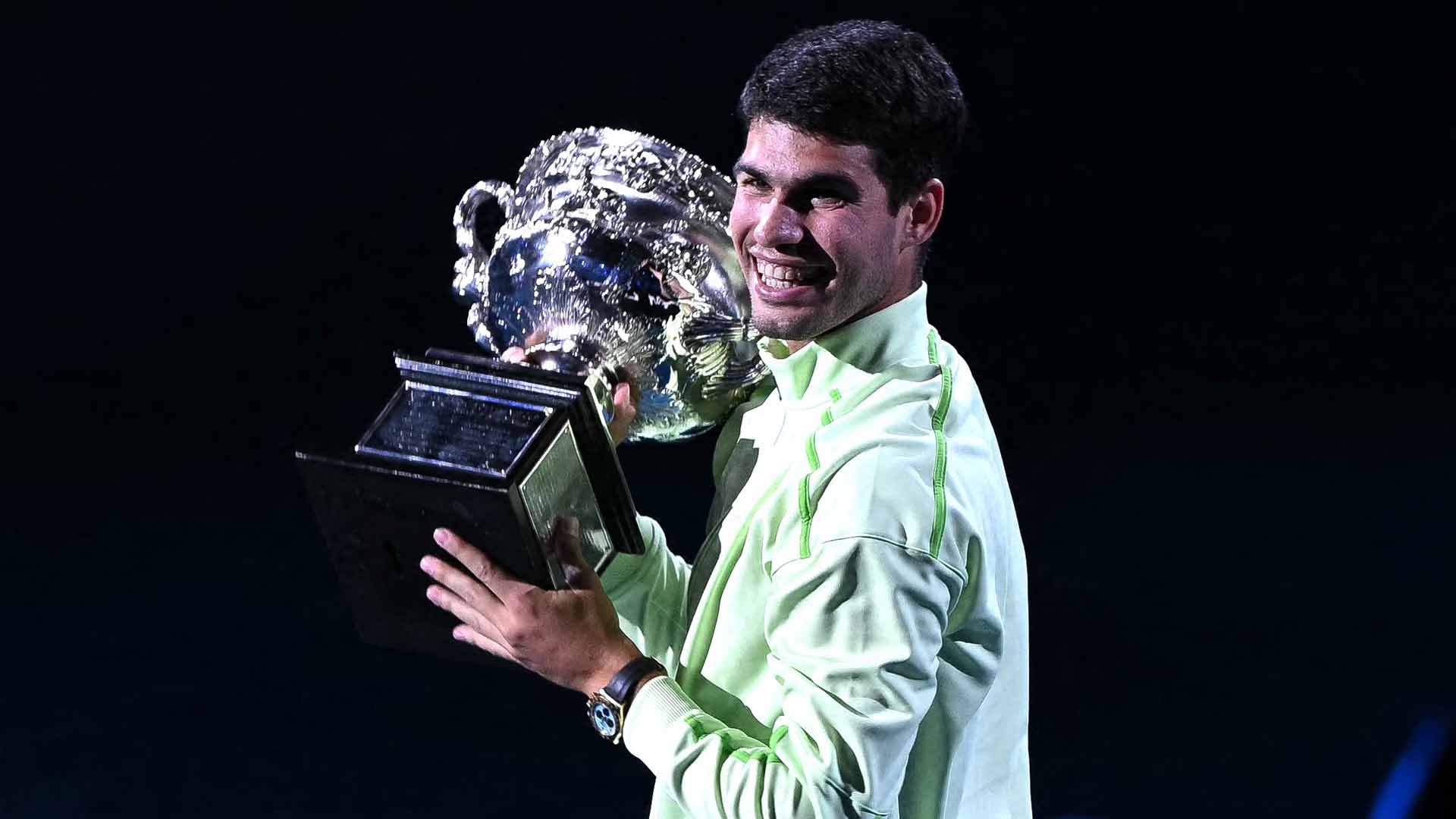
Alcaraz Links to Federer and Nadal’s February Australian Open Glory

Carlos Alcaraz’s tense victory over Novak Djokovic on February 1 cements a rare historical thread with Rafael Nadal and Roger Federer, each seizing their first Australian Open title at 22 after four fruitless runs in Melbourne.
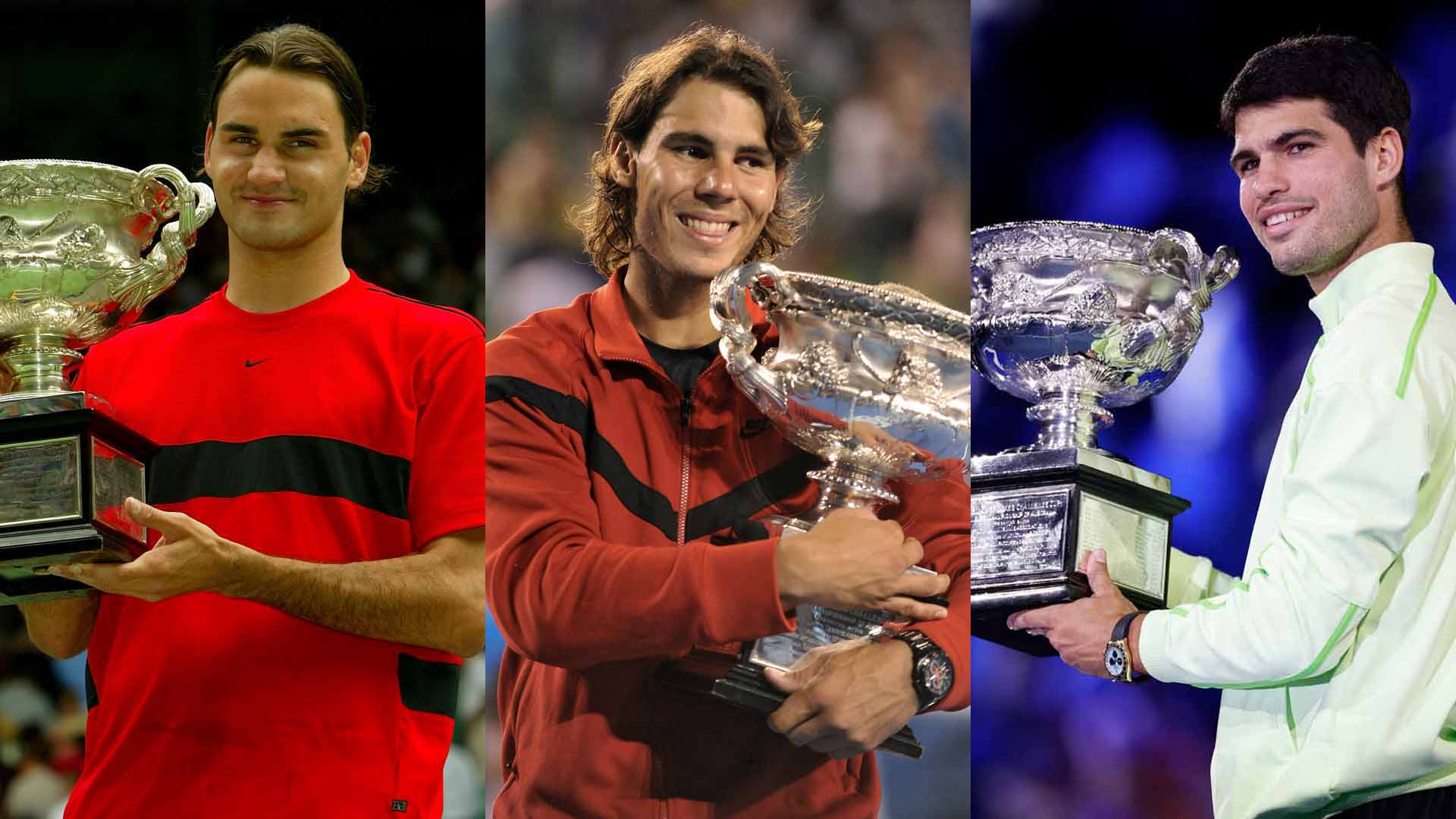
On a humid Sunday in Melbourne, Carlos Alcaraz clawed back from an early deficit to edge Novak Djokovic 2-6, 6-2, 6-3, 7-5, claiming his maiden Australian Open crown inside Rod Laver Arena. At 22, in his fifth tournament appearance without a prior final, the Spaniard aligned perfectly with Rafael Nadal and Roger Federer, both breaking through on February 1 under identical circumstances. This shared timeline at the season’s first major reveals the grinding patience demanded on these hard courts, where early promise meets repeated setbacks before ignition.
Alcaraz’s path echoed the quiet accumulation of hard-court lessons that Nadal and Federer endured. His previous Melbourne showings—quarters in 2022, fourth round in 2023, semis in 2024 and 2025—built a reservoir of tactical tweaks, like sharpening his inside-out forehand to pierce deep defenses. The 2026 draw tested that evolution from the opener, where heavy topspin forehands dismantled opponents’ setups, setting the stage for the final’s rhythmic exchanges.
“it’s incredible to join them in this history,” Alcaraz said post-match, his voice carrying the relief of synced legacies.
Paths forged in repeated near-misses
Rafael Nadal arrived in 2009 carrying the weight of four Melbourne exits, none deeper than the second week, his clay prowess yet to fully translate to the Plexicushion’s speed. That year, a five-set semifinal against Fernando Verdasco under the arena’s glare demanded endurance, with Nadal’s crosscourt forehands pulling his rival wide before closing nets with underspin approaches. The final against Federer followed, a tactical chess match where Nadal’s topspin gripped the surface, forcing errors in the 7-5, 3-6, 7-6(3), 3-6, 6-2 decision and paving his route to the US Open for Career Grand Slam completion in 2010.
Federer’s 2004 campaign mirrored this buildup after four underwhelming Australian Open starts. As world No. 1, he carved through Lleyton Hewitt in the quarters using precise inside-in forehands off the serve, then outlasted Juan Carlos Ferrero‘s baseline resilience in the semis with a one–two pattern of flat serves and backhand slices. The straight-sets final over Marat Safin, 7-6(3), 6-4, 6-2, showcased Federer’s adaptation to the bounce, down-the-line winners slicing through power plays and leading to his own Career Grand Slam at Roland Garros five years on.
Crucibles that shaped hard-court dominance
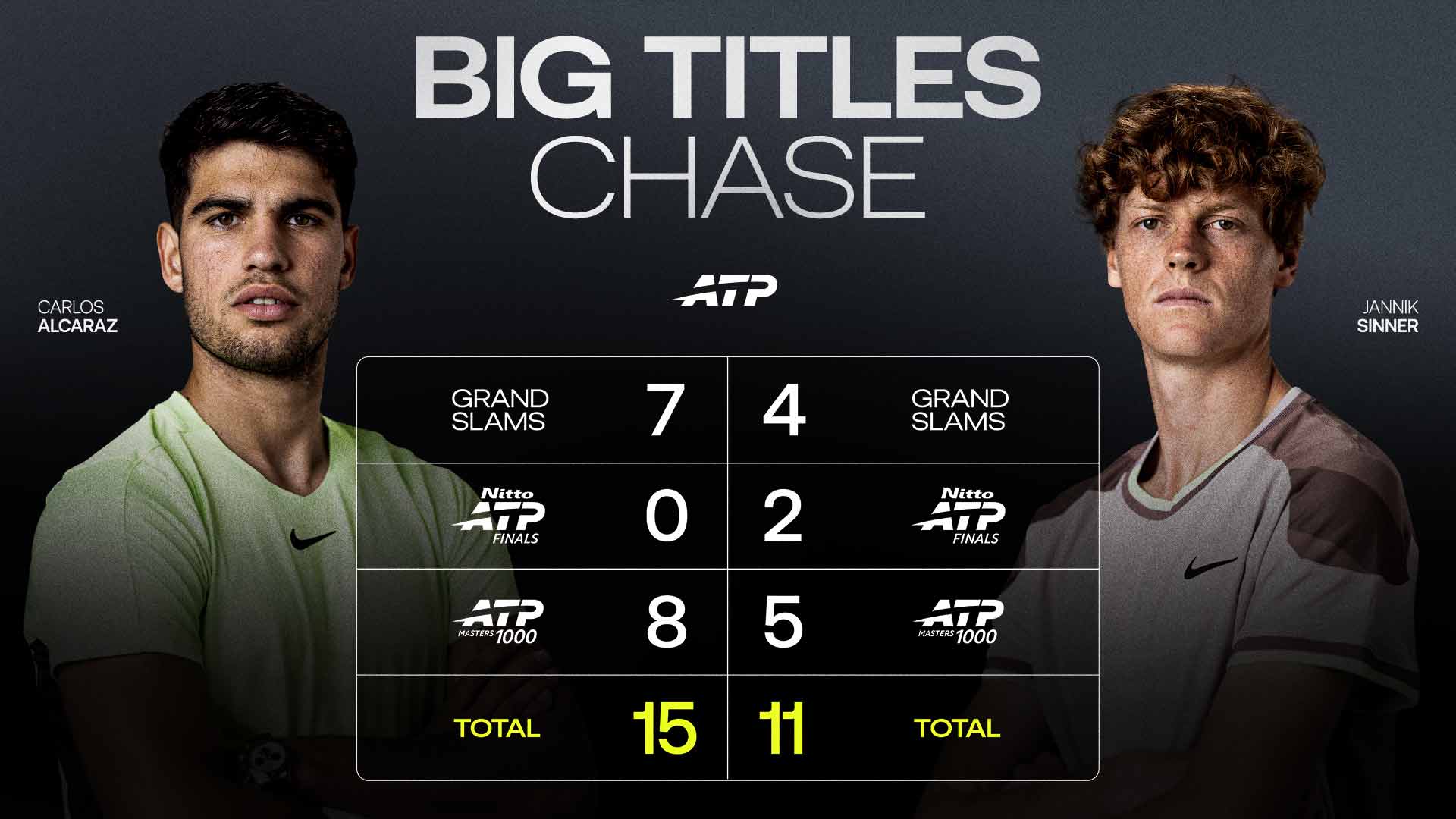
Alcaraz’s duel with the 10-time champion Djokovic demanded mid-match resets, dropping the first set before accelerating his serve-forehand combinations to disrupt return depth on the bouncy courts. The crowd’s energy surged with each down-the-line backhand, the Spaniard’s agility turning defense into sudden raids, much like Nadal’s 2009 shifts against Federer or Federer’s calm dismantling of Safin. This win elevated Alcaraz to seven majors at 22, bridging to Nadal’s eventual 22 and Federer’s 20, while releasing the post-holiday tension of jet lag and compressed prep.
For contrast, Jannik Sinner captured his first Australian Open at 22 in his fifth try back in 2024, but on January 28, rallying from two sets down against Daniil Medvedev in a 3-6, 3-6, 6-4, 6-4, 6-3 epic through relentless baseline pressure. The Italian now targets Roland Garros to seal his Career Grand Slam, his Melbourne tactics informing the clay shift just as the trio’s hard-court breakthroughs propelled their evolutions. Alcaraz’s February symmetry with predecessors hints at tennis’s recurring tests, where fifth-time resolve on these courts often unlocks enduring runs ahead.