Wawrinka’s Defiant Passion at 40

Deep into a career’s twilight, Stan Wawrinka confronts the ATP Tour’s relentless demands, his raw social media words exposing a drive rooted in self-challenge rather than trophies.
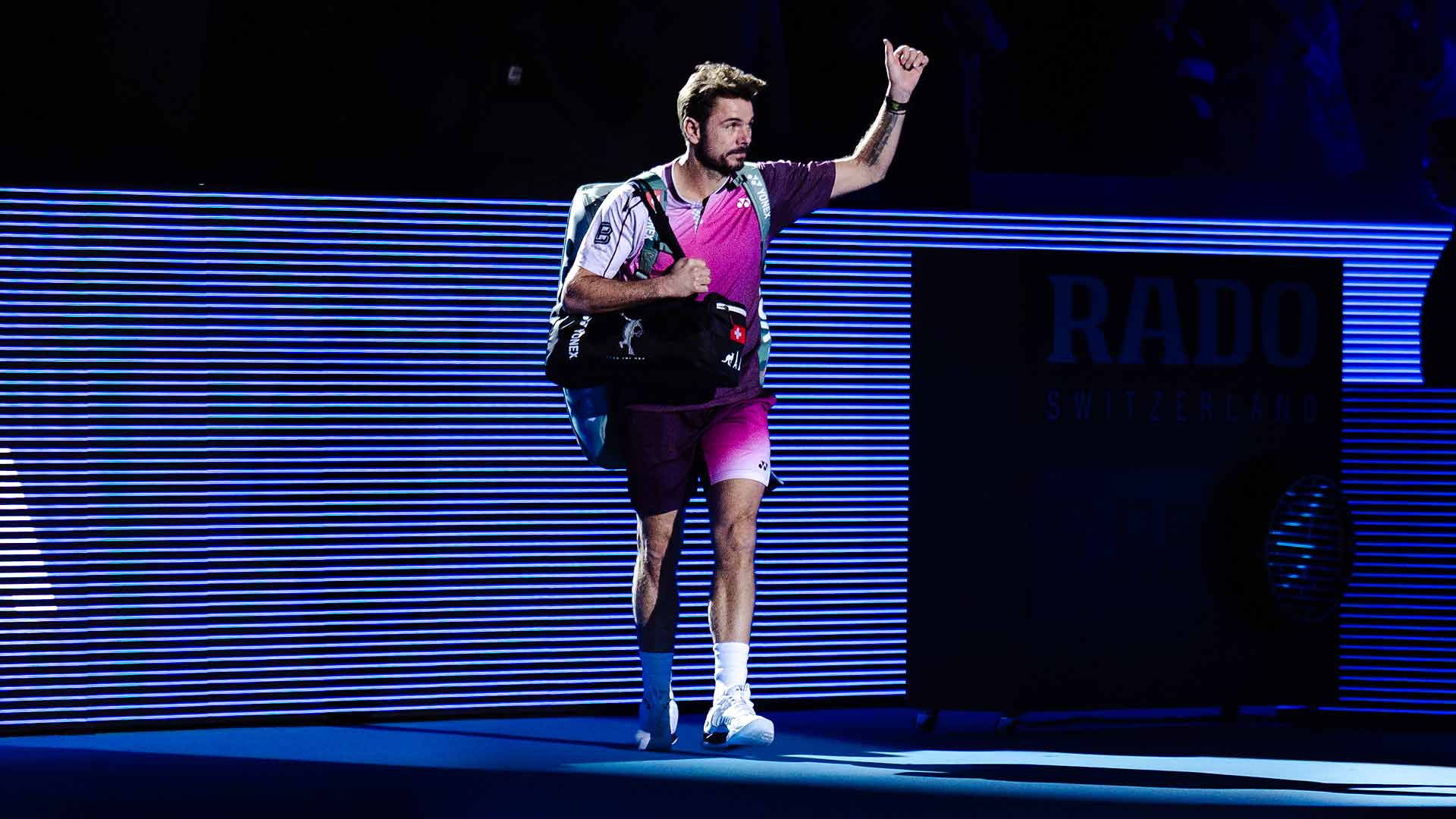
Under Basel‘s echoing arena lights, Stan Wawrinka steps onto the court with the steady gait of a player who has stared down majors and now faces his own timeline. At 40, the Swiss veteran reaches the second round of his home ATP 500 event, each point a quiet assertion against the tour’s unforgiving pace. The crowd’s murmurs carry a mix of nostalgia and urgency, sensing the mental edge that propels him through a season of uneven results and slipping rankings.
Childhood game evolves into core drive
Wawrinka traces the roots of his endurance to age 8, when casual swings on local courts ignited a deeper pull. What started as play transformed into a consuming passion, the dream of professional circuits shaping every subsequent step. Now, as World No. 158, he carries that initial spark into grueling practices, where the indoor hardcourt’s quick bounce tests reflexes honed over decades.
This origin story underscores his current mindset, revealed in a candid social media reflection posted on October 24, 2025. He challenges the external chorus urging retirement based on age or standings, insisting the fire lies in the daily push. Fans worldwide, from those who witnessed his prime to newcomers drawn by his grit, find resonance in this unyielding pursuit.
PASSION - A strong liking, desire, or devotion to an activity. When I started playing tennis at 8 years old, it was just a game. Then it became my passion. My dream was to one day become a professional tennis player. I know that as an athlete, people like to think they know when it’s time for you to stop. People believe that when you get older, when you don’t play at the same level, don’t have the same ranking or same result, you should stop.
PASSION
- A strong liking, desire, or devotion to an activity.
When I started playing tennis at 8 years old, it was just a game. Then it became my passion. My dream was to one day became a professional tennis player.
I know that as an athlete, people like to think they know… pic.twitter.com/kluj8qvfGd— Stanislas Wawrinka (@stanwawrinka) October 24, 2025
Season’s grind sharpens tactical resolve
The ATP circuit’s packed calendar amplifies physical and mental strains, with travel across surfaces demanding constant adaptation from veterans like him. In Basel, Wawrinka deploys inside-out forehands to exploit the fast indoor deck, wrong-footing opponents in extended crosscourt exchanges that conserve his energy. His one-handed backhand, laced with underspin, slices down-the-line to disrupt aggressive returns, turning potential deficits into opportunities during rallies.
Reaching this stage here feels like a tactical win, built on one–two combinations that blend serve depth with immediate pressure. He has amassed 16 tour-level titles and 581 matches through such precision, now layering in loftier lobs to counter the low skid of the ball. The home crowd’s roar during these moments buffers the isolation of the tour, fueling adjustments that keep him competitive against younger baselines bombers.
Limits tested beyond victory’s glare
For the three-time major champion, competition transcends wins or rankings; it’s the raw act of extension that sustains him. He embraces not reclaiming Top 10 status or another Slam, focusing instead on the process that defines his passion. This shift manifests on court through deliberate net approaches after solid setups, closing points with volleys that echo his career’s bold strokes.
Wawrinka credits global supporters, especially those in Basel this week, for amplifying his fight against the career’s eventual close. Their energy pulses through the venue, mirroring the internal resolve that turns late-season fatigue into focused renewal. As the draw deepens, his approach promises more layers of strategy, where emotion and execution converge to extend the chase.