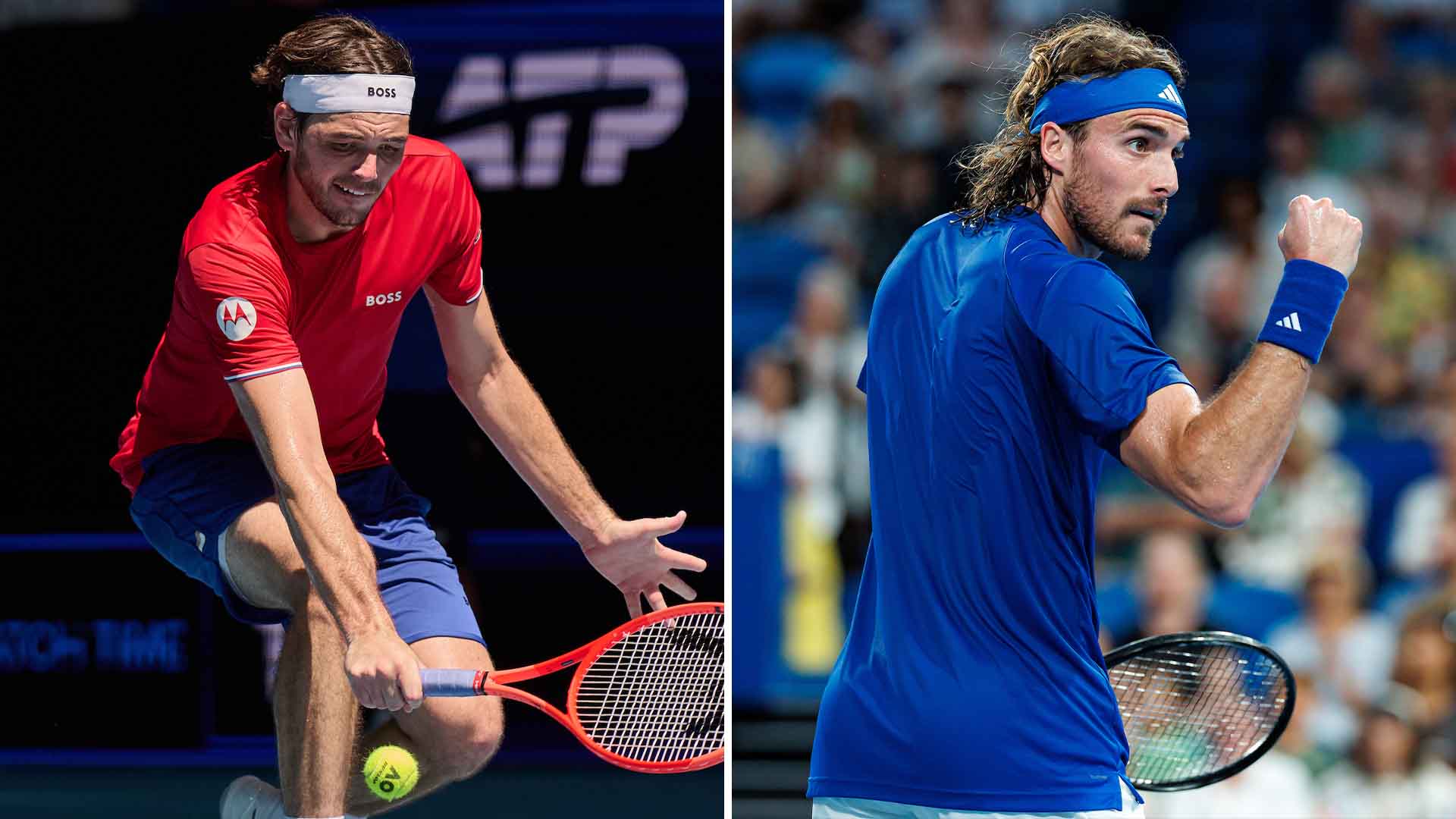
Tsitsipas Eyes Pain-Free Path in Perth Return

Stefanos Tsitsipas steps back onto the court in Perth, his body mended but his mind still tracing the scars of a tough 2025. As the United Cup kicks off, the Greek star tests rebuilt strokes against lingering doubts, chasing a year where every match finishes on his terms.
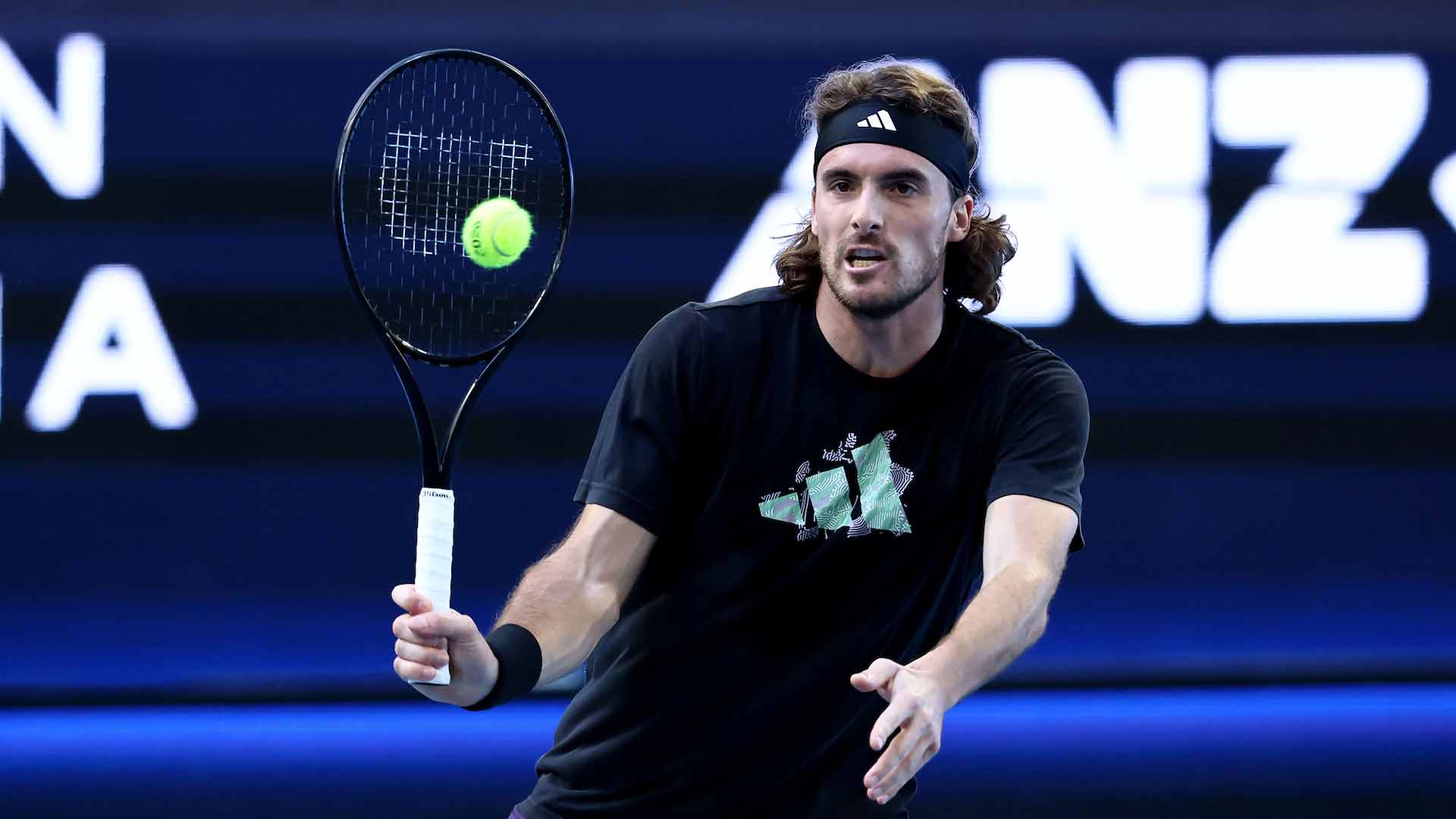
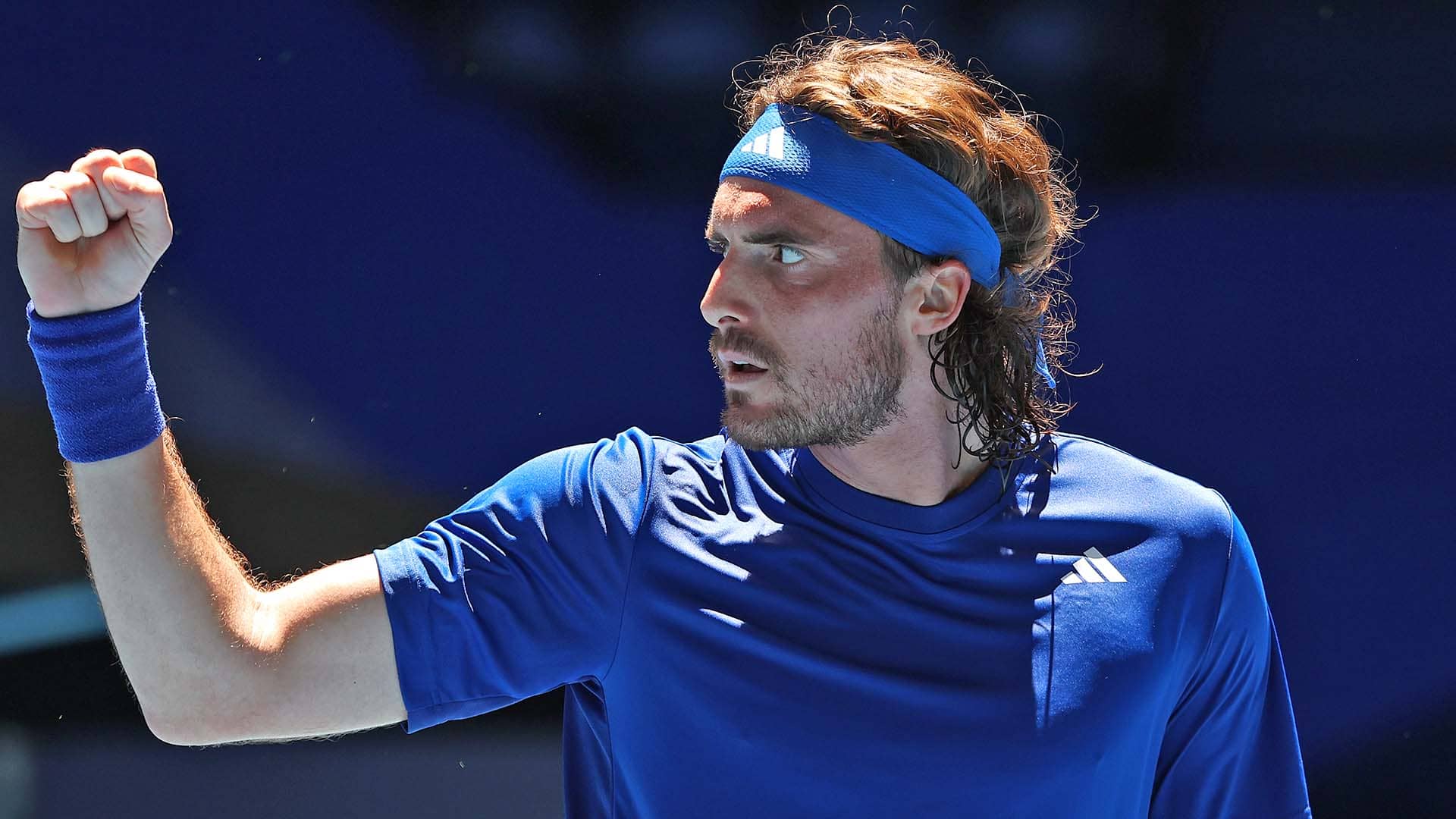
Stefanos Tsitsipas glides across the practice court in Perth, the Australian heat pressing down as his one-handed backhand cuts clean through the air. The former No. 3 in the PIF ATP Rankings carries the weight of a 2025 season that crumbled under a back injury, forcing him out after two singles rubbers for Greece in the Davis Cup last September. Now, rested and sharp, he prepares to lead Team Greece into the season-opening United Cup, where the fast hard courts of RAC Arena await his explosive game.
His 22-16 record from last year masked deeper frustrations, with the injury turning routine rallies into endurance tests. At 27, Tsitsipas has rebuilt through a pre-season free of twinges, his heavy topspin forehands landing deeper and his movement freer across the baseline. The psychological shadow lingers, though, from moments when pain redefined his limits.
“I did spend some time recovering. I was absent from the courts for a long time,” reflected Tsitsipas on Thursday at Team Greece’s pre-tournament press conference. “The last three or four tournaments of the season I could barely hold up. So it was important to try and find something that will bring me back again healthy.
“I did all the necessary actions and took all the necessary steps to rehabilitate and get back to what I remember myself being back at. So now so far I think it makes for great feedback, knowing that I’ve done my whole pre-season without any pain, without any discomfort. I’m just hoping that stays this way and I can deliver that starting with United Cup and hopefully for the 2026 season.”
Rebuilding trust in every stroke
Tsitsipas, a 12-time tour-level champion, zeros in on sustaining his power without the constant fear of breakdown. He drills shorter swings on the backhand to reduce torque, mixing slice approaches with crosscourt drives to keep opponents off balance on the medium-paced Plexicushion. The off-season work has him visualizing full matches, where his 1–2 patterns from serve to forehand flow without interruption, turning potential vulnerabilities into controlled aggression.
That mental loop dominated the past six to eight months, every training session a question of endurance. Now, with core stability honed, he absorbs pace on returns more efficiently, extending fully into inside-out winners that stretch the court. Perth’s crowd energy, laced with Greek flags waving under the arena lights, amplifies this pivot, pushing him toward a season where doubt gives way to dominance.
“The thing that I’m most excited about is trying to see my actual training that I’ve been putting in the last couple of weeks and how it responds in regards also to my back, because my biggest concern has been: can I actually finish a match?” he said. “That was what was going through my mind the past six to eight months. I was constantly thinking, ‘If I win a match, will I be able to come back the next day and play another match without pain?
“I got really scared after my US Open loss with my back, because I just couldn’t walk for two days. When things like that happen, you start reconsidering the future of your career. I’m just hoping 2026 doesn’t bring any of that. I went to actually visit one of the best sports doctors in the world, and he so far is promising to heal me. I’m hoping this stays for 2026. That’s my biggest wish for 2026, is to finish matches and not have to think about any issues regarding my back.”
Facing Mochizuki under Perth lights
His 2026 opener pits him against Shintaro Mochizuki, a left-handed Japanese player whose wide-slice serves probe the backhand side on these indoor hard courts. Tsitsipas plans deep returns to neutralize the low bounces, then unleashes down-the-line forehands to dictate short points and avoid prolonged slides. The maiden head-to-head follows a tense WTA matchup between Maria Sakkari and Naomi Osaka, with Team Greece and Team Japan clashing in Friday’s night session amid rising crowd roar.
Perth feels like an extension of home, its expatriate community swelling the stands with chants that echo Athens. Tsitsipas thrives in this team format, the collective fire reigniting his competitive edge after months of solitary rehab. A clean win here could net early points toward a top-5 rebound, setting the tone for a United Cup run that tests his mended frame against the tour’s grind.
“We’ve played here plenty of times. Perth seems like it’s becoming part of one of the biggest cities of Greece little by little,” said Tsitsipas. “I’m glad that we’re back. it’s a great way to start the season. Couldn’t ask for anything better right now, honestly.
“I’m really hoping each and every one of our teammates is ready and prepared for war. We are going big. We are fighters. We’re Greek, so we’re going to try to make the most out of it.”
Teaming up with Sakkari for synergy
Beyond singles, Tsitsipas reunites with Sakkari for mixed doubles, their partnership built on Olympic battles and years of mutual insight. Her baseline power covers his net rushes, while he poaches angles with underspin lobs to disrupt returns, crafting strategies that play to shared strengths on the fast surface. This duo turns potential weaknesses into fluid transitions, her flat groundstrokes complementing his finesse at the line.
Reflecting on their path, he marvels at the evolution from junior days to atop the game together. Fifteen years ago, such a scenario seemed worlds away; now, it anchors Greece’s United Cup push, blending trust with tactical precision. As the ties unfold, their comebacks could snowball into team momentum, easing Tsitsipas toward a 2026 where pain stays in the past and every point builds forward.
“I couldn’t ask for a better partner to play mixed doubles with,” said the Greek ATP Tour star. “I’ve known Maria for a very long time. I feel like our mixed doubles matches have built a lot of trust and confidence in what we’re good at and what we’re not so good at. Obviously there’s a tradeoff. We know our strengths. We know our weaknesses. We try and use that type of information to try and come up with the best doubles strategy and plan whenever we have the chance to play.
“Actually, reflecting on it, we’ve had so many amazing comebacks, but also appearances, including the Olympics. Thinking about it, 15 years ago I would never have pictured myself in a situation like this where I get to be on top of the game that I love the most with the female equivalent from my country.”
In the charged air of RAC Arena, Tsitsipas moves with quiet resolve, his adjusted game promising a fiercer return. If he navigates Mochizuki unscathed and fuels Greece’s fire, the United Cup becomes the launchpad for a season unburdened, where inside-in winners and team triumphs redefine his path ahead.