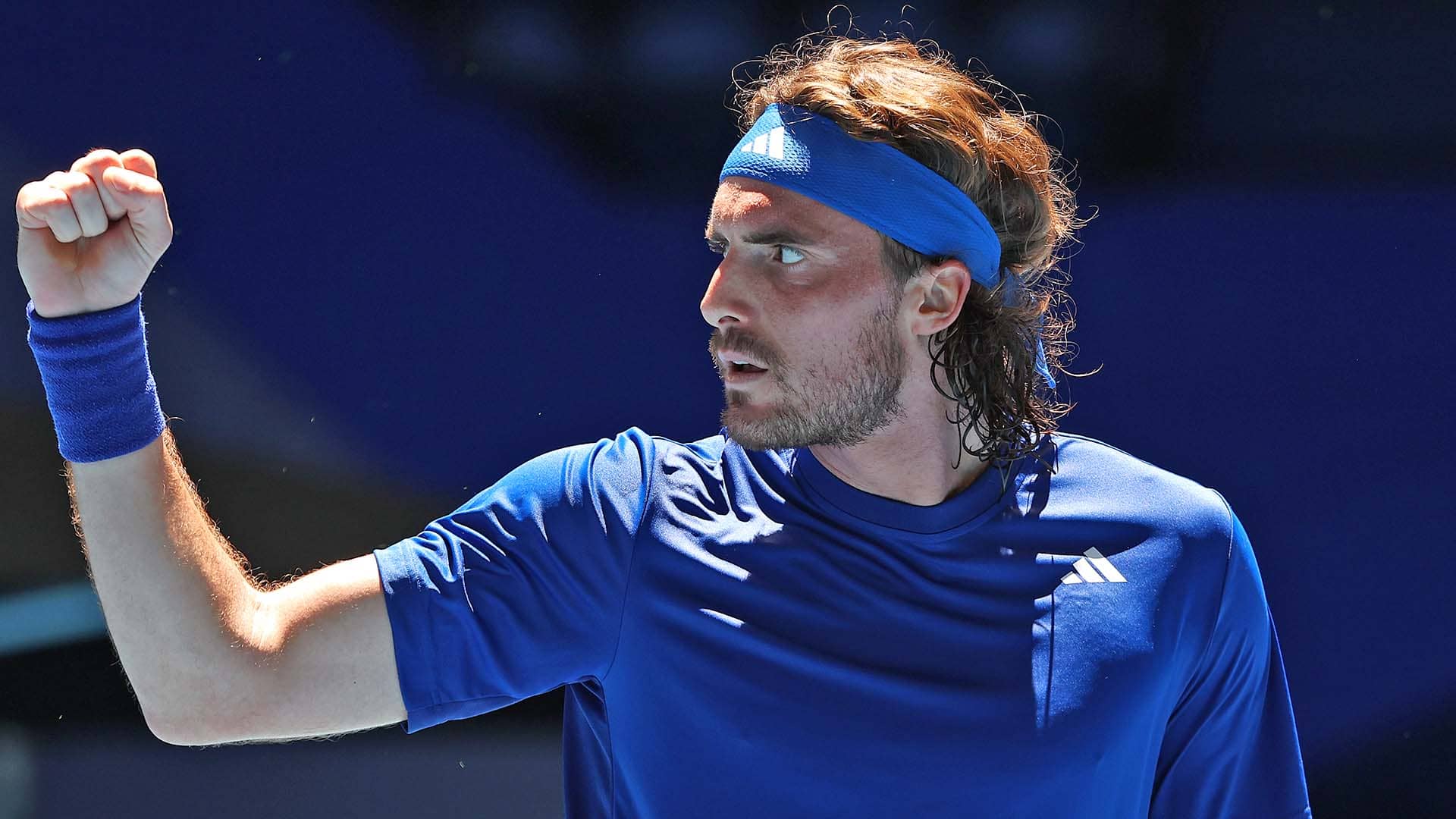
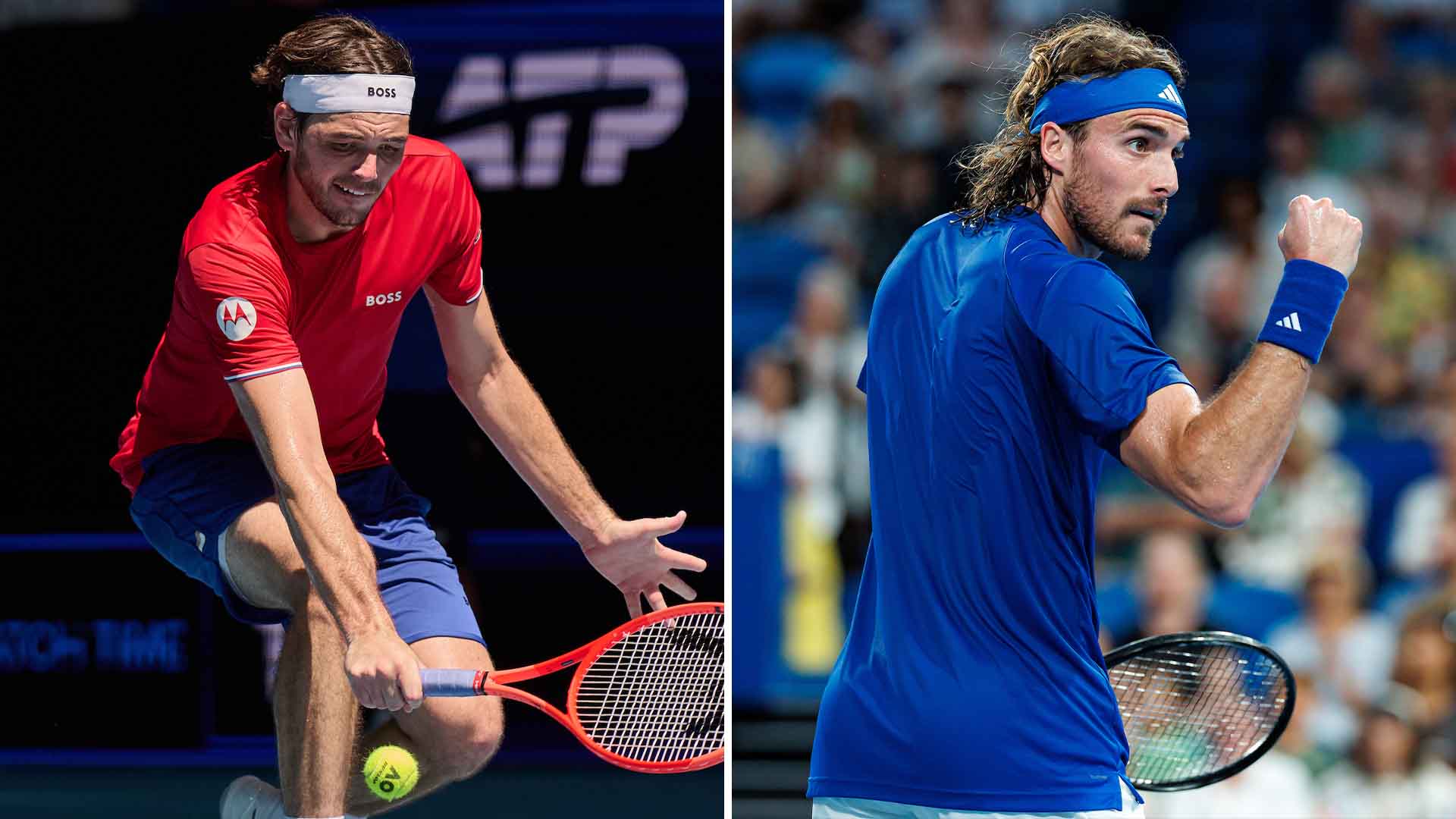
Tsitsipas bows out of Shanghai with leg setback

Stefanos Tsitsipas’ withdrawal from the Shanghai Masters due to a leg injury underscores a season of physical hurdles, reshaping the draw and his path to recovery.
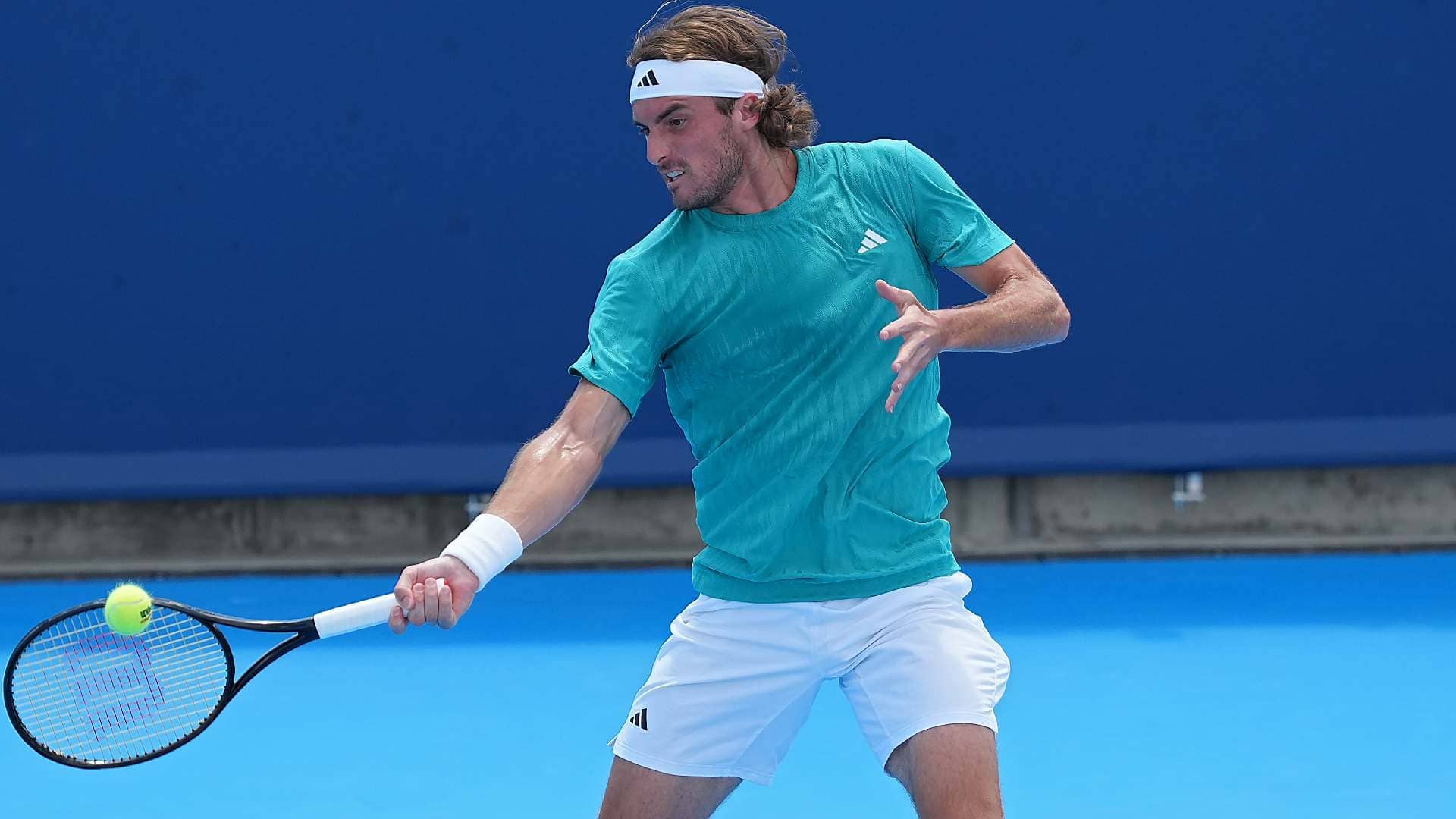
Under the humid evening lights of Shanghai, Stefanos Tsitsipas confronted the limits of his endurance, pulling out of the Shanghai Masters just before his second-round match. The Greek star, plagued by a fresh leg injury atop lingering back issues, leaves a void in a tournament that thrives on relentless baseline duels. His absence shifts the focus to resilience, as the hard courts demand the mobility he now lacks.
Season’s toll weighs on former champion
Tsitsipas, the 2019 Nitto ATP Finals champion, has navigated a year of inconsistency, slipping to No. 25 in the PIF ATP Rankings after five Top 10 finishes from 2019 to 2023 and a No. 11 close last season. Back pain earlier disrupted his rhythm, forcing pauses that hampered training for the hard-court swing where his one–two serve-forehand patterns excel. This latest leg issue, pulling him from a clash with Czech qualifier Dalibor Svrcina on Grandstand 2, compounds the physical and mental strain of a 22-18 record tracked by the ATP Win/Loss index.
The withdrawal echoes the quiet pressure of elite tennis, where each missed opportunity on fast surfaces like these—grippy yet swift—erodes momentum. Tsitsipas thrives in extended rallies, using inside-out forehands to open the court, but immobility turns those strengths into vulnerabilities. As he steps away, the crowd’s murmurs on Grandstand 2 fade, replaced by the shuffle of a reshuffled draw.
Lucky loser injects new tactical edge
Australian Aleksandar Vukic enters as the lucky loser, stepping into the slot against Svrcina and bringing a serve-dominant game suited to Shanghai’s medium pace. Vukic’s flat crosscourt strikes and down-the-line surprises could exploit any fatigue in the Czech’s aggressive baseline style, altering the matchup from Tsitsipas’ topspin variety to raw power exchanges. This pivot highlights the tournament’s fluidity, where opportunity arises from unexpected gaps.
For Svrcina, the shift means facing less defensive slice and more outright pace, demanding quicker footwork on courts that punish hesitation. The atmosphere on Grandstand 2, usually charged with the crack of deep groundstrokes, now pulses with underdog energy as Saturday’s final match unfolds. Tsitsipas’ exit serves as a reminder of the sport’s unforgiving tempo, urging the field toward adaptive patterns amid the humid air.
Recovery sets stage for hard-court return
With the Shanghai Masters favoring mobile precision—inside-in forehands wrong-footing opponents and 1–2 approaches pinning returners—Tsitsipas’ leg tweak disrupts his ideal preparation for the indoor stretch ahead. He now eyes lighter sessions to rebuild, balancing the mental fortitude that fuels his expressive play with cautious physical pacing. This setback, layered on a season’s battles, positions his comeback as a test of patience, where reclaiming the baseline could reignite his elite trajectory.