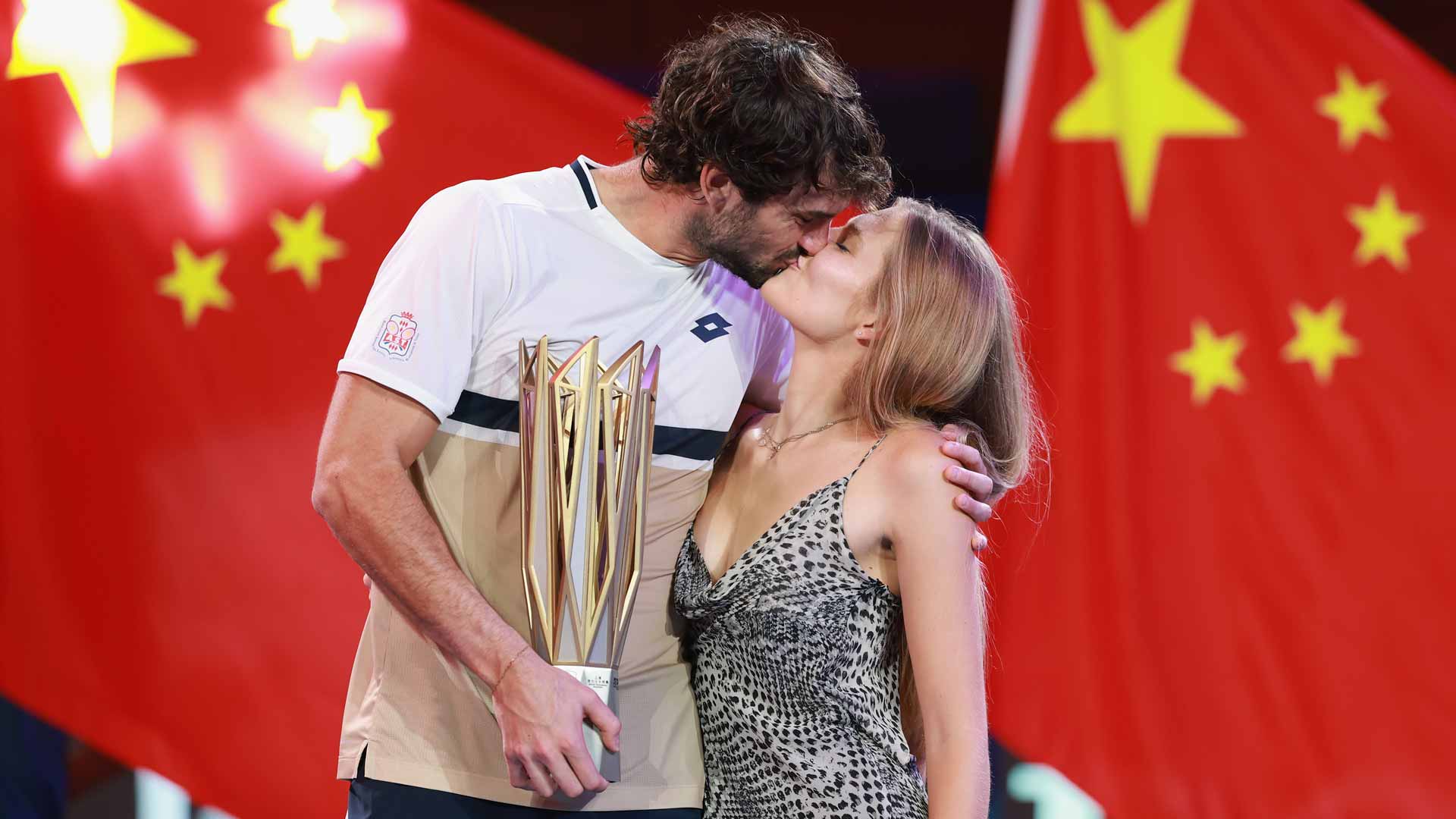
Tsitsipas redraws lines in Shanghai’s gathering dusk

Stefanos Tsitsipas steps into the Shanghai Masters with a mending back and a steadied family bond, chasing pain-free rallies and a spark of late-season fire against the hard courts’ unyielding bounce.
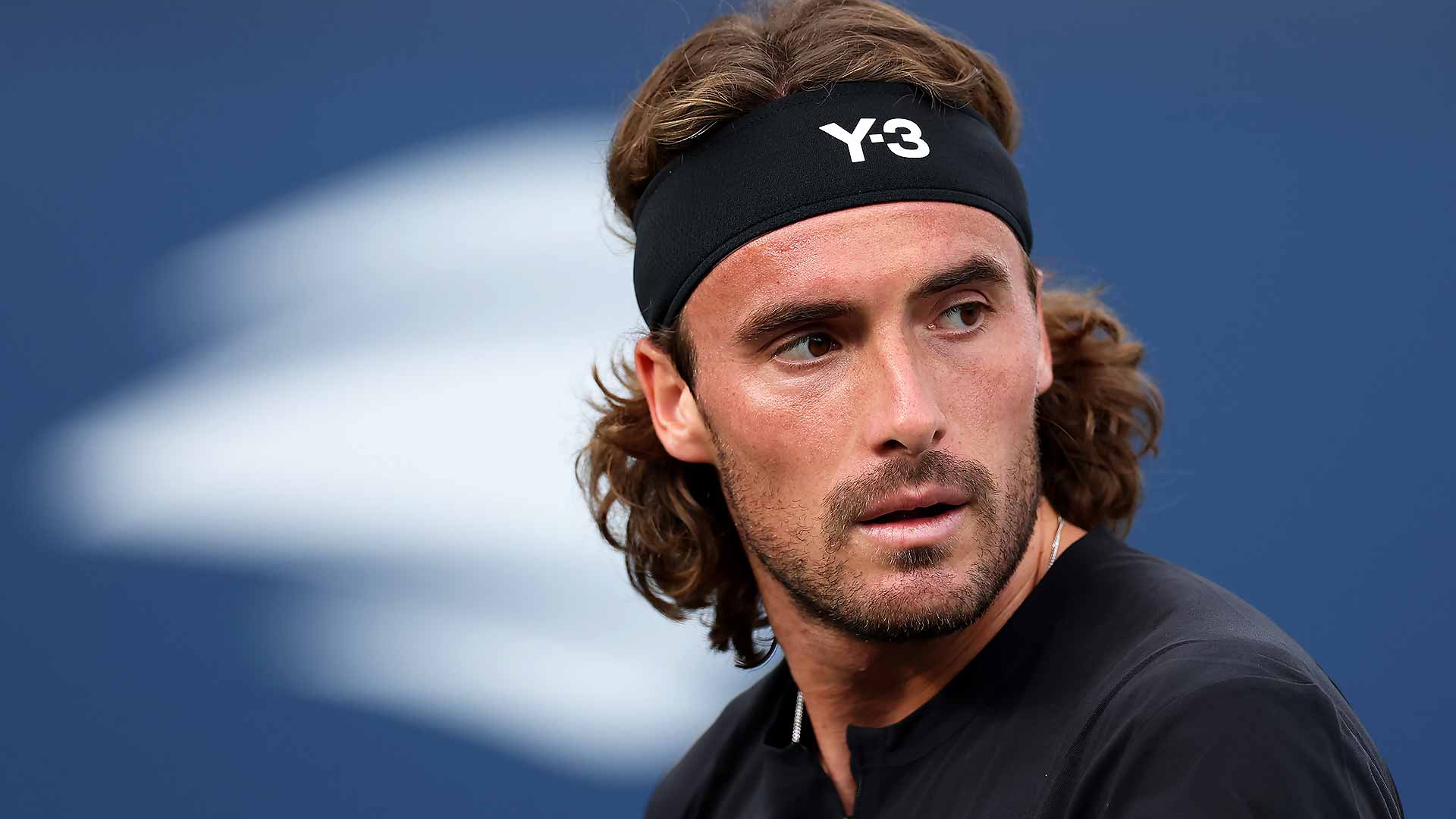
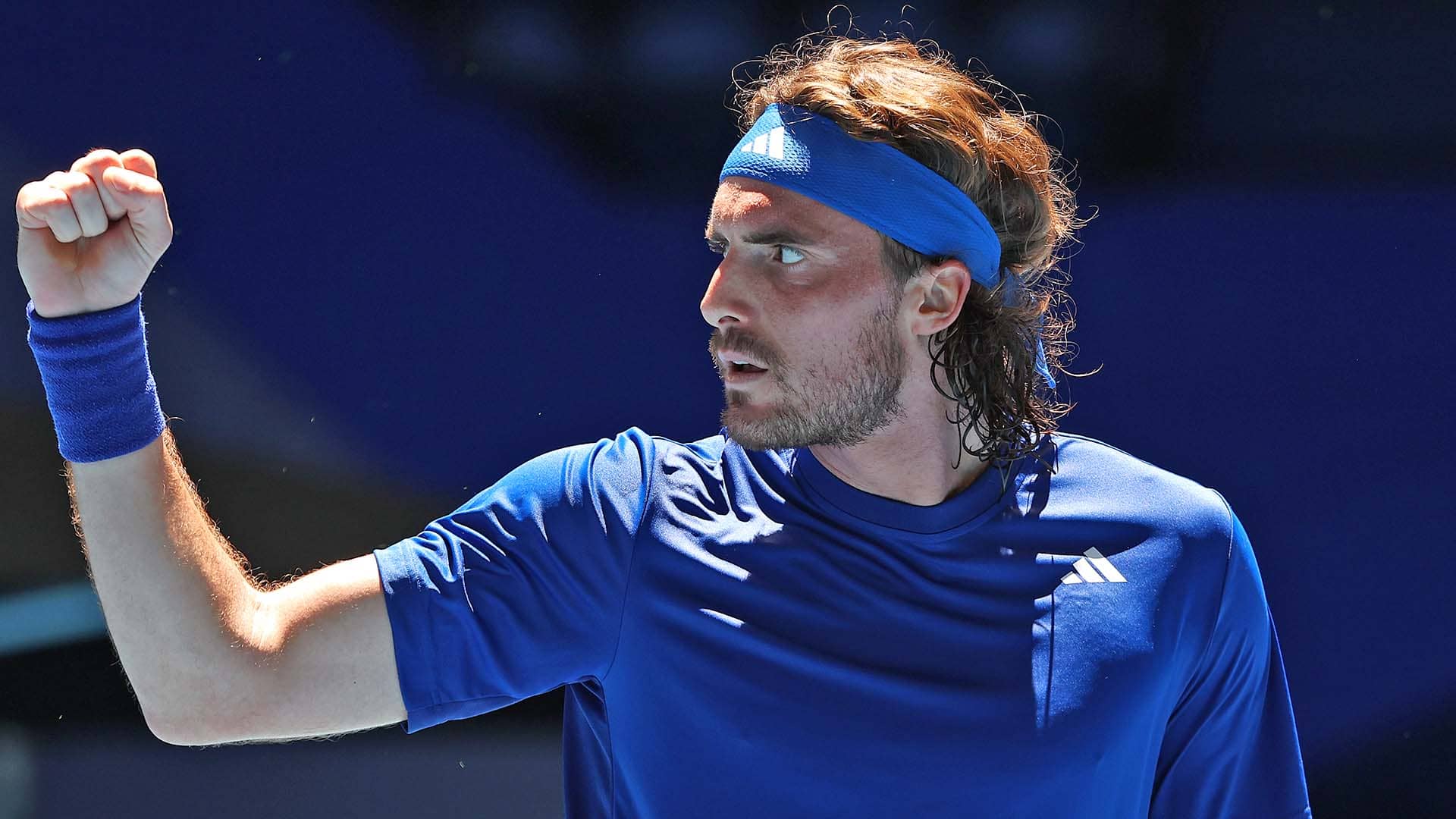
Under Shanghai‘s neon-veiled skyline, the hard courts hum with the promise of redemption as Stefanos Tsitsipas arrives for the Shanghai Masters. The Greek, once a fixture in year-end contention, now confronts a season’s unraveling threads—a 22-18 record shadowing his path into this eighth Masters 1000 event of 2025. The air carries the faint scent of rain on asphalt, mirroring the uncertainty that clings to his strokes, yet his eyes hold a quiet determination, fixed on baselines where inside-out forehands might reclaim lost ground.
Navigating physical echoes and ranking slides
At 27, Tsitsipas has slipped to No. 25 in the PIF ATP Rankings, a descent from the five Top 10 finishes that marked 2019 through 2023 and last year’s No. 11 close. The Nitto ATP Finals, where he triumphed on debut in 2019 and qualified consecutively until 2023, looms as another near-miss, its prestige now a distant pull rather than an imminent hunt. Back pain has curtailed his fluid one–two patterns, forcing shorter points and cautious pivots, but recent treatment—a specialized examination, not surgery—offers hope for extension without restraint, potentially unlocking crosscourt depth and down-the-line precision that defined his peak.
He dismisses surgery whispers with measured calm, emphasizing how the procedure realigned his posture for freer competition. His goals narrow to essentials: testing this renewed mobility in strung-together matches, blending tactical efficiency with the joy of unhindered play. As the tournament’s medium-paced surface favors his aggressive baseline game, these adjustments could stem the slide, especially with home crowds awaiting in Athens for the regular season’s close.
“We have changed our dynamic very much and I’m actually very happy the way we all cooperate and work together now,” Tsitsipas told ATPTour.com. “it’s very refreshing as a player to have this relationship with a father. it’s exactly where I wanted it to be for a long time now. And I’m happy. He has adjusted to my needs and I have adjusted to his needs. And we have both created a type of dynamic that is one to be proud of.”
Balancing paternal wisdom with fresh horizons
In the coaching box, Apostolos Tsitsipas has transformed tension into harmony, his decades on tour—stretching to the player’s mother’s era—now a steadying force rather than a source of friction. The son honors this legacy first as father, then coach, viewing their partnership as sustainable yet open to evolution. He envisions adding a collaborator to infuse newer insights, easing his father’s role as years advance and allowing space for life beyond the lines, a reminder he’s voiced for seasons.
This recalibration counters the isolation of pro tennis, fostering a rhythm where underspin backhands and serve-volley forays flow from mutual trust. While respecting the elder’s tactical acumen, Tsitsipas welcomes perspectives that could refine his inside-in approaches for Shanghai’s true bounce, blending inheritance with innovation to sustain his two-time Grand Slam finalist edge. The shift arrives timely, bolstering resolve amid a year that tested his core.
“My dad has been on the tour for a lot of years, even dating back to my mother’s playing days. So he has a lot of tennis in his life,” he said. “I’m extremely proud to call him my coach and my father. But first of all, my father. Secondly, my coach. I definitely see [our current coaching partnership] as something sustainable. I would be interested in the future to add a person in my team that can collaborate and work with my dad. Obviously he’s not getting younger, so if I can find the right person, he can be by my dad’s side a little bit, with a clear, fresher mindset. That might also allow my dad to maybe take a step back a little bit to also enjoy life because it’s not only tennis. And I’ve been reminding him and telling him this for a very long time.”
“My focus would be a combination of seeing what my back allows me to do now and reconnecting a little bit with the wins,” the former No. 3 explains. “Top of my list right now, I would definitely like to see a few matches in a row without back pain.”
Recharging amid Greece’s timeless embrace
Post-US Open, with only two Davis Cup matches in Athens to bridge the gap, Tsitsipas retreated to Greece’s storied landscapes, weaving through the Acropolis Museum’s ancient echoes and the National Gardens’ serene paths. This interlude, rich with spiritual fulfillment, restored a humanity often eclipsed by the tour’s relentless chase for points and titles. Time with his younger sister and brother Petros—shared doubles sessions reminding him of familial rhythms—underscored the break’s necessity, realized only in its quiet depths.
Practice hits with Novak Djokovic, three sessions that peeled back layers beyond rivalry, sharpened his mental fortitude and defensive transitions. The Serb’s precision honed Tsitsipas’s net poaches and rally endurance, insights gleaned off the tour’s competitive glare. Refreshed, he carries this vitality into Shanghai, where 2019 memories—of toppling Djokovic en route to a semifinal—stir under the lights.
Saturday’s opener against Nuno Borges pits his evolving game against the Portuguese lefty’s flat returns and baseline solidity. On courts that reward wide serves to the deuce side and varied pace, Tsitsipas aims to deploy crosscourt lobs and inside-out winners, his mended back enabling quicker footwork to neutralize aggression. In this crucible, where crowd energy builds like a gathering storm, he seeks not just victories but a tactical rebirth, one pain-free point at a time, setting the stage for a season’s defiant close.
“Getting to know Novak in a deeper way was nice because on the Tour, you don’t have that opportunity,“ Tsitsipas said. “And I spent a lot of time connecting with my spirit in Greece. I actually had a great time exploring my own country and doing things I found spiritually fulfilling. I did definitely need that break. I only realised that when I was there. I spent a lot of time with my little sister, my brother Petros, who I always see on the court playing doubles with him. That is something that I lack a little bit in my daily life, a little bit of humanity, especially when you’re constantly stressed and chasing points, tournaments, all that. it’s important sometimes to take a break and reconnect with your humanity.”