Stephens Reclaims Ground After Melbourne Qualifiers

Sloane Stephens grinds through Australian Open qualifiers for her first wins since 2024, turning a first-round loss into a stepping stone amid foot injury recovery and 2026 ambitions.
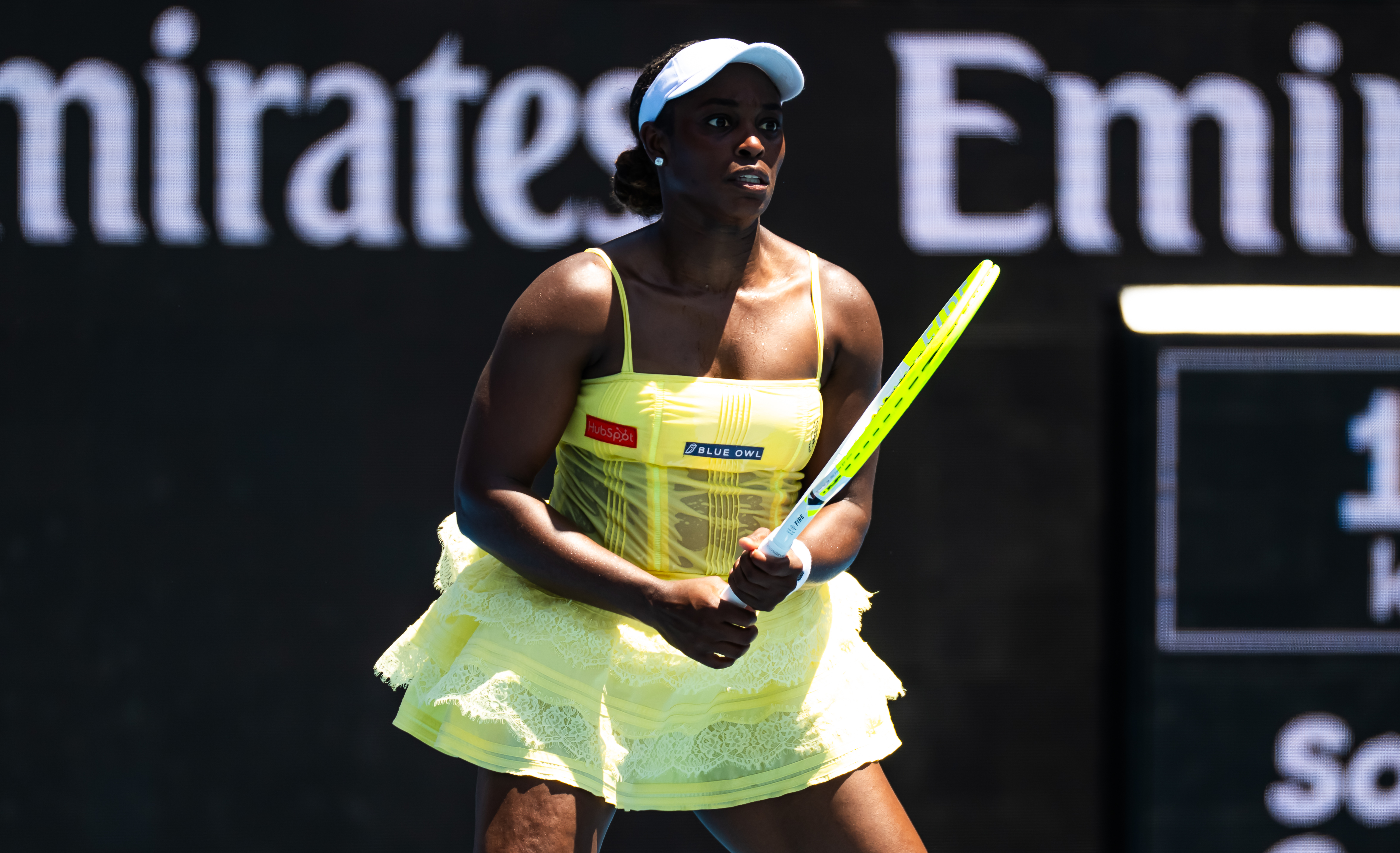
In Melbourne’s press room, the hum of air conditioning mixed with the faint echo of Rod Laver Arena crowds as Sloane Stephens settled into her chair. Her Australian Open 2026 run ended against Karolina Pliskova, but three qualifier triumphs marked her first victories since 2024, a quiet victory after months sidelined by injury. At 32, the 2017 US Open champion spoke with measured optimism, her words cutting through the post-match haze.
Stephens’ 2025 dissolved into frustration, limited to five matches before a right foot stress fracture forced her off the tour from late February to mid-September. This echoed a prior left foot issue, but she skipped surgery this time, deeming it too risky at her age—a potential career-ender after her earlier procedure. Instead, she endured a three-month boot stint, easing into light hitting that rebuilt her base without full intensity until the final stretch of recovery.
“To play a lot of tennis, whatever that means,” Stephens said. “I don’t know where that’s going to take me, but be pain free, healthy and win a lot of matches.”
Rehab’s slow burn yields returns
By September, she dipped back into competition at Guadalajara and Tampico, exiting in first rounds but gathering match feel on hard courts. The process tested her patience, each session a negotiation between ambition and caution, her flat groundstrokes regaining snap without the lateral bursts that once defined her movement. Now pain-free, she arrived in Auckland for the ASB Classic warmup, then Melbourne, her body signaling readiness for sustained play.
Qualifying demanded the long route, a path she last took here in 2011. She dispatched No. 2 seed Lucia Bronzetti in the final round, mixing crosscourt backhands with down-the-line forehands to control rallies and minimize foot strain. Those wins chipped away at the mental rust, transforming isolation into incremental confidence on the Plexicushion’s bounce.
Qualifier grit meets comeback symmetry
The main-draw clash with Pliskova carried a rare footnote: the first Grand Slam match between players outside the top 1000 since 1990, pitting two former top-three forces and Australian Open semifinalists. Pliskova, fresh from her own left ankle layoff since August 2024, leaned on protected ranking for entry, her towering serves kicking high on second deliveries. Stephens countered with deep returns and occasional inside-out forehands, pushing rallies from the baseline in a 6-4, 7-5 defeat that felt more like affirmation than setback.
“I don’t think you’re ever comfortable,” she reflected post-match. “I wasn’t even if I was ready to play here, so I think it’s just a matter of putting yourself out there and seeing how it goes.” The three qualifiers proved invaluable, erasing a winless streak and reigniting her competitive pulse under Melbourne’s humid lights.
“I had the same injury as my left foot, and at my age, it was probably more of a career ending injury if I would have had surgery like I did the first time,” Stephens explained. “I opted not to and just took the long recovery and tried to rehab it as best possible. It worked, so now we’re back.” Her voice carried the weight of hard-won perspective, each word underscoring the shift from survival to strategy.
Charting a flexible tournament path
Skipping the Middle East swing, Stephens targets the WTA 500 in Merida, Mexico, late February, to test her form on outdoor hard courts. Indian Wells and Miami’s expanded 1000 draws follow, where special ranking might route her through qualifiers, adding reps to hone patterns like her 1–2 setup of serve into heavy topspin forehand. Charleston launches the clay swing, a surface that favors her sliding footwork and looping groundstrokes, potentially with extra events to build volume.
“I’m going to do that and see how I hold up, how I get on, and go from there,” she said. “I might play a few extras on the clay this year. I’m not sure, depends on where I get in because I’m still on the special ranking.” This blueprint balances ambition with listening to her body, the foot’s history guiding a pace that prioritizes longevity over haste.
“I think that the three matches were super helpful for me since I haven’t won a match since 2024,” Stephens added. “Either way, it was a win for me, and I’m happy that I just came and did it and kind of just got the monkey off my back. and I’m just ready to play again and go to the next tournament.” As Melbourne fades, her focus sharpens on Merida’s sun, where baseline tenacity can carve fresh momentum, one careful step at a time.
Read more on the WTA site.