Sinner’s Gut-Wrenching Fall to Djokovic in Melbourne

Jannik Sinner’s two-sets-to-one edge evaporated under the Rod Laver lights, handing Novak Djokovic a five-set Australian Open semi-final win that leaves the Italian grappling with raw disappointment and tactical what-ifs.
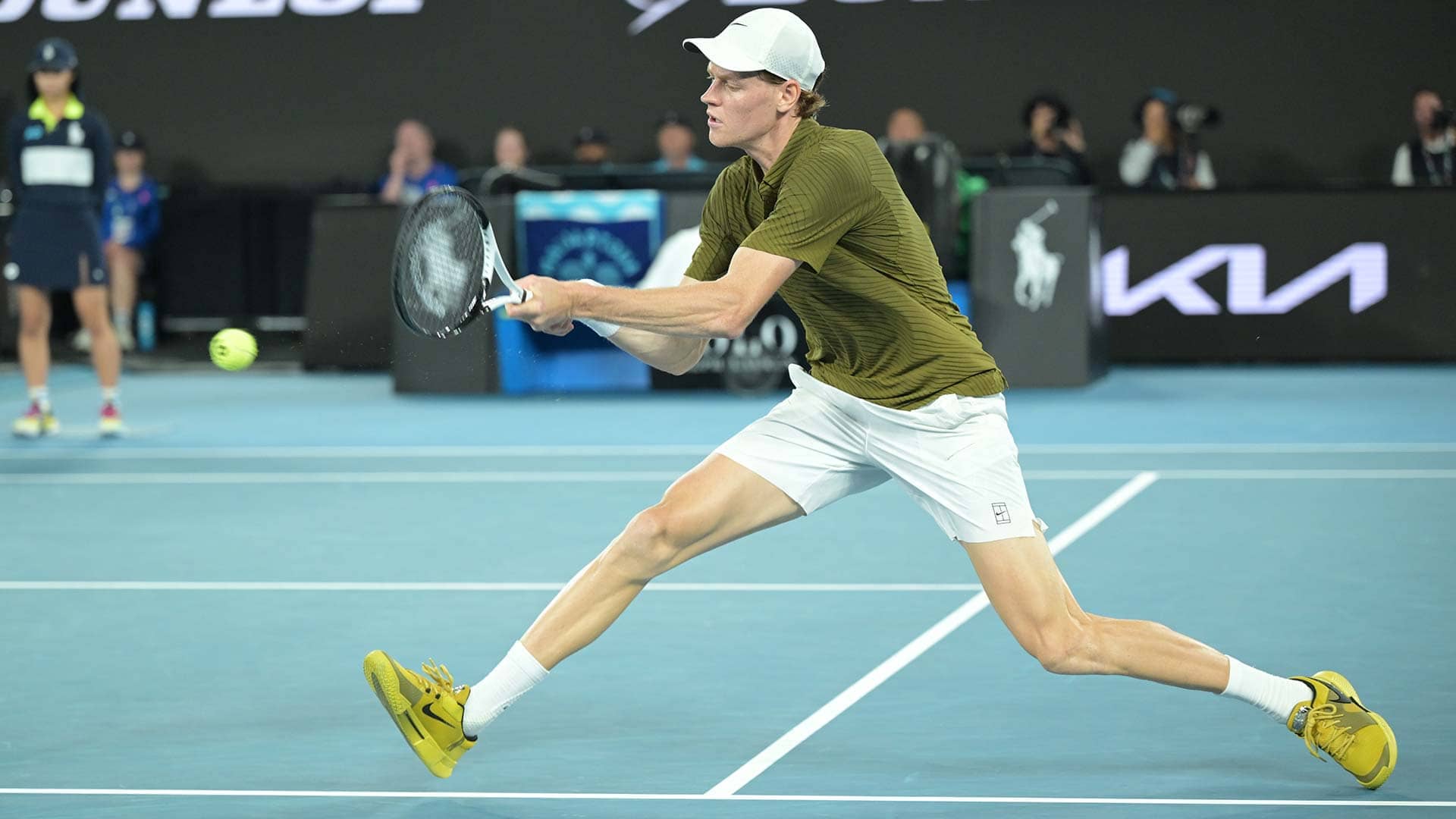
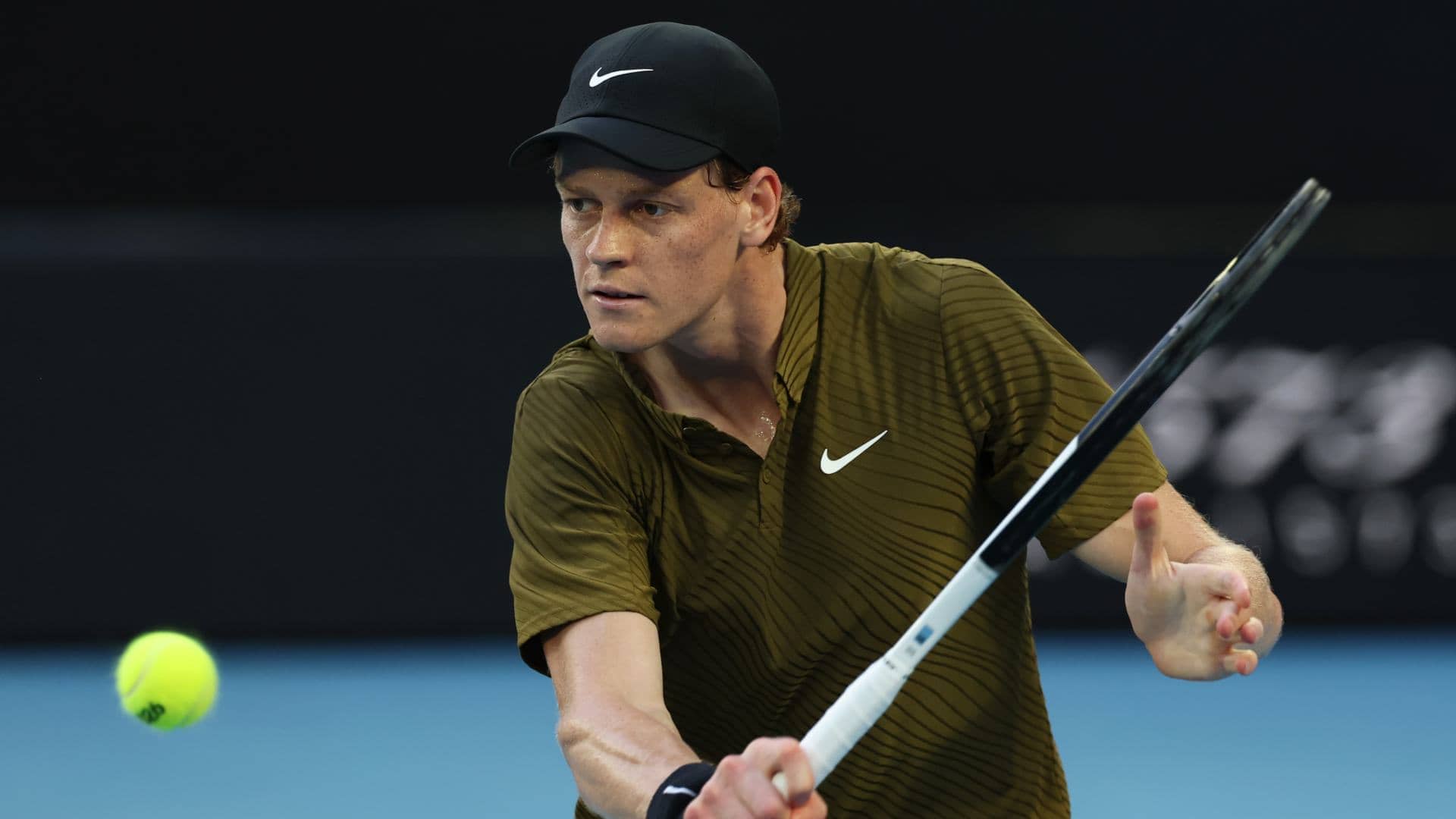
The humid Melbourne night thickened with tension as Jannik Sinner‘s Australian Open aspirations unraveled in a five-set semi-final against Novak Djokovic. The 24-year-old Italian, seeded second and chasing a third straight title here, seized a two-sets-to-one lead with his penetrating groundstrokes carving angles on the hard courts. But Djokovic, the 38-year-old Serbian drawing on his storied resilience, clawed back, turning the match into a grueling test of nerve on Rod Laver Arena.
Sinner’s heavy topspin forehands had dominated early, forcing Djokovic to stretch wide with inside-out winners that landed inches inside the lines. The crowd’s energy surged with each point, Italian flags waving as the young star seemed poised to extend his perfect 5-0 head-to-head record. Yet in the fourth and fifth sets, subtle shifts in rhythm exposed cracks, with Sinner’s aggressive returns clipping the tape more often than sealing breaks.
“A lot,” Sinner said when asked how much the defeat hurt. “It was a very important Slam for me, of course, knowing also the background, it can happen. It was a good match from both of us. I had many chances. Couldn’t use them and that’s the outcome. It hurts, for sure.”
Break points slip in the decider
Sinner converted just two of 18 break points, a inefficiency that haunted him most in the fifth set, where his 1–2 pattern off the serve—kick serve wide followed by a crosscourt forehand—drew errors but couldn’t capitalize. Djokovic‘s deep returns, laced with underspin, neutralized the Italian’s flat backhand, keeping rallies alive and forcing defensive lobs that bought time. The arena’s roar faded into murmurs as those chances vanished, the surface’s moderate bounce amplifying every missed opportunity.
Tactical tweaks came late: Sinner mixed in more down-the-line serves to disrupt the baseline rhythm, but the Serb anticipated, countering with angled passing shots that pinned him back. This duel highlighted the Australian Open‘s demand for precision on a court that rewards power yet punishes hesitation, turning Sinner’s early dominance into a roller-coaster fade. The psychological weight pressed harder as fatigue set in, mirroring the broader challenge of sustaining elite form against a rival who thrives in chaos.
“I had my chances. It was in the fifth set. Many break points, I couldn’t use them. He came up with some great shots,” Sinner reflected. “I decided a couple of different things. Today they didn’t work, but that’s how tennis is. I felt like also the first set was a great level from both of us. It was a bit [like] a roller coaster, and it happened like it happened today.”
Praise tempers the immediate sting
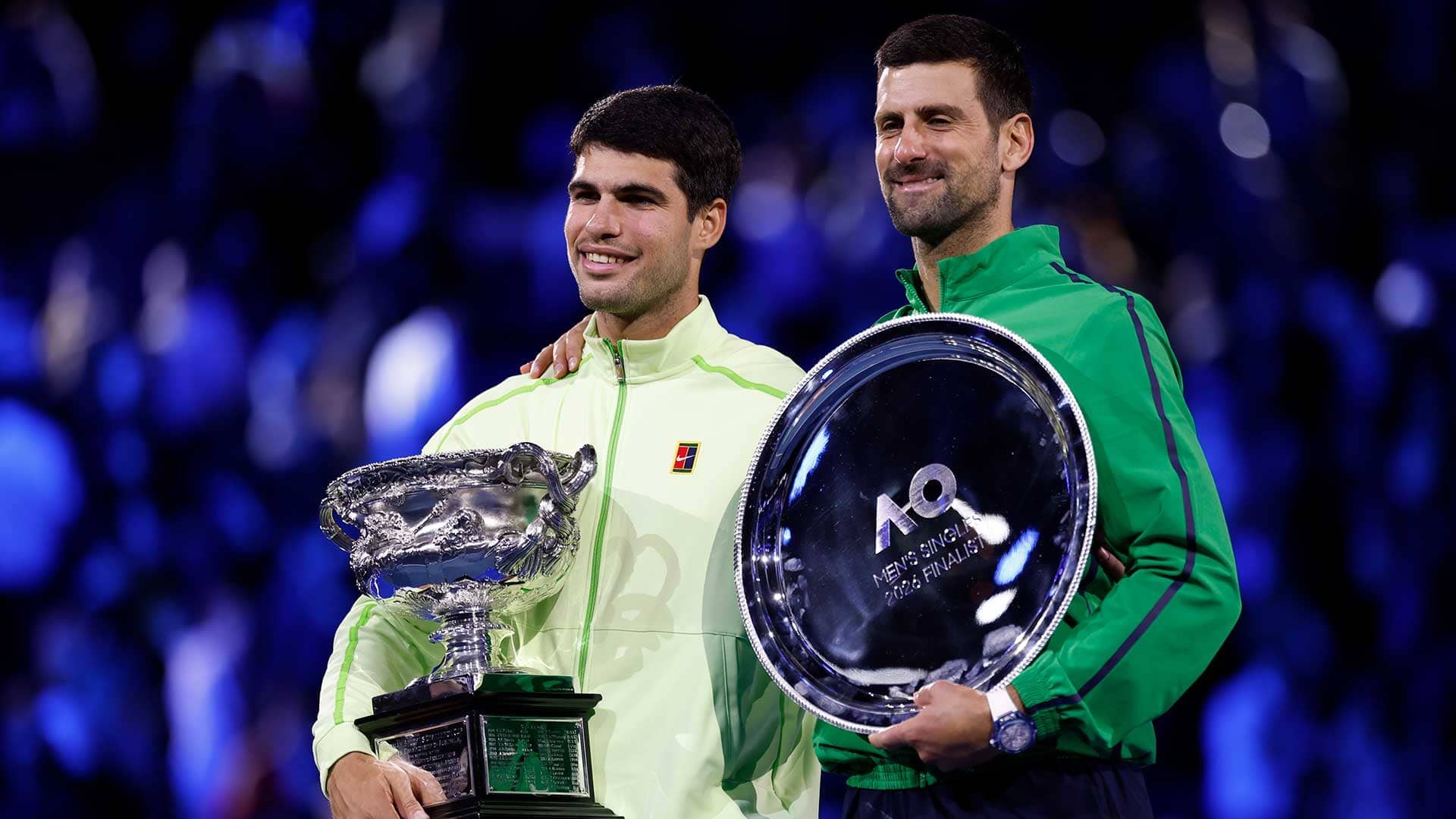
Sunday brings Sinner’s first major final absence since Wimbledon in 2024, when Carlos Alcaraz upended Djokovic, a reminder of tennis’s swift turns. Departing Melbourne at No. 2 in the PIF ATP Rankings—unchanged from his arrival—the four-time major winner outscored his opponent in total points, a bittersweet stat that underscores untapped potential. The loss layers emotional depth onto a 2026 season calibrated for peak Slams, with sparse scheduling to preserve energy for hard-court battles like this.
Sinner’s respect for Djokovic cut through the frustration, framing the defeat as a benchmark rather than a barrier. The Serb’s 24 Grand Slams loomed large, his extra motivation in majors evident in clutch holds that silenced the crowd. This encounter, blending Sinner’s rising power with Djokovic’s elastic defense, sets the stage for growth, channeling hurt into refinements for the clay ahead.
“He’s won 24 Grand Slams. We know each other very well, how we play. I always said, [you can not be] surprised, because I feel like he’s the greatest player for many, many years,“ Sinner said. ”Of course, he’s playing less tournaments because of his age and everything, but we also know how important Grand Slams are for me, for him, for Carlos, and everyone. There is this small extra motivation, and he played great tennis. Hopefully I can take it as kind of a lesson maybe to see what I can improve on.”
The Melbourne humidity lingers in memory, but Sinner’s poise signals evolution, his game blending aggression with adaptability to chase more titles in a packed year.