Sinner Sharpens Serve Amid Title Defense

Jannik Sinner cruises into the Australian Open second round, but the world No. 2’s focus on refining his serve reveals the fine margins in his bid for a historic three-peat against rising pressure.
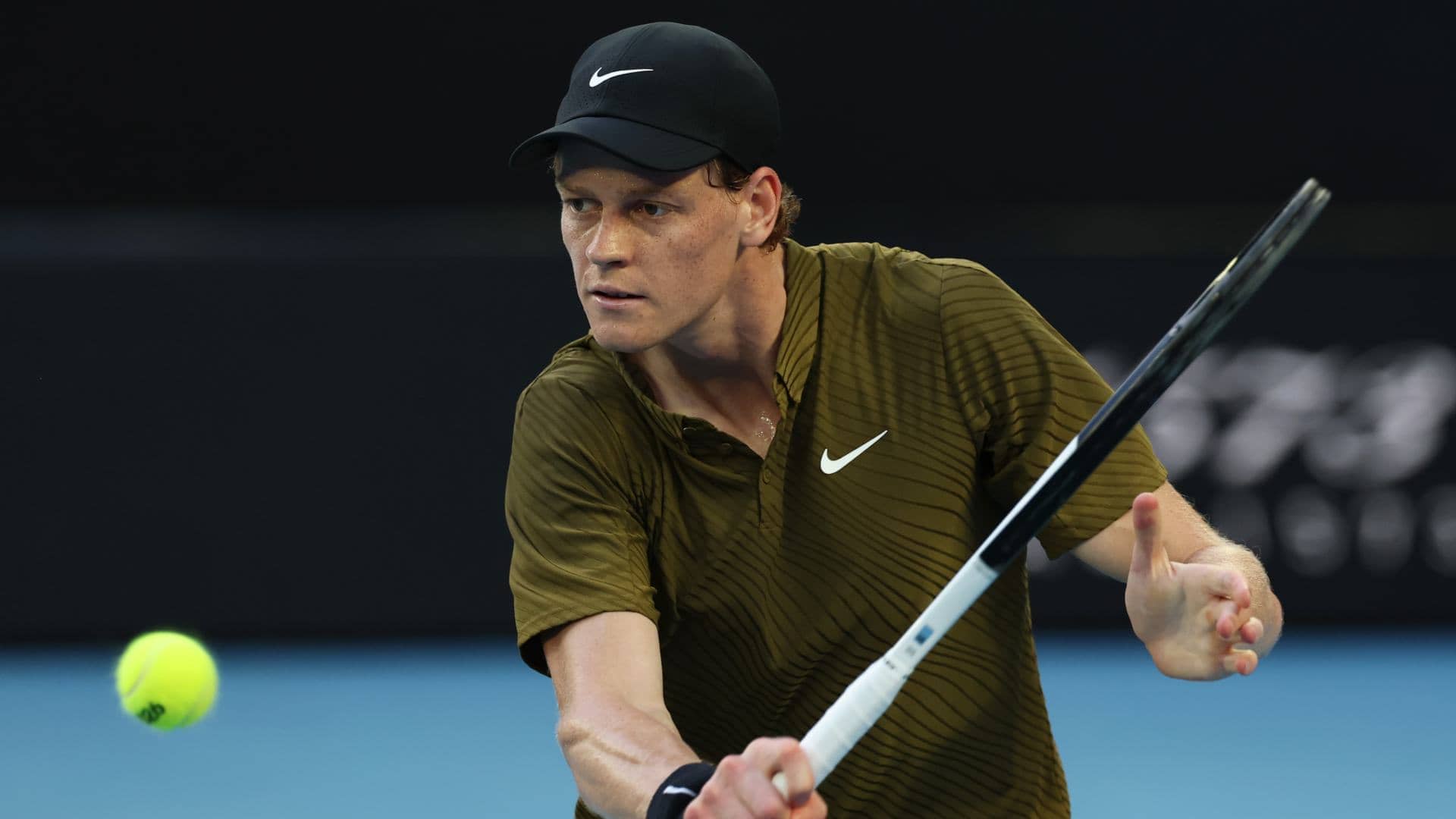
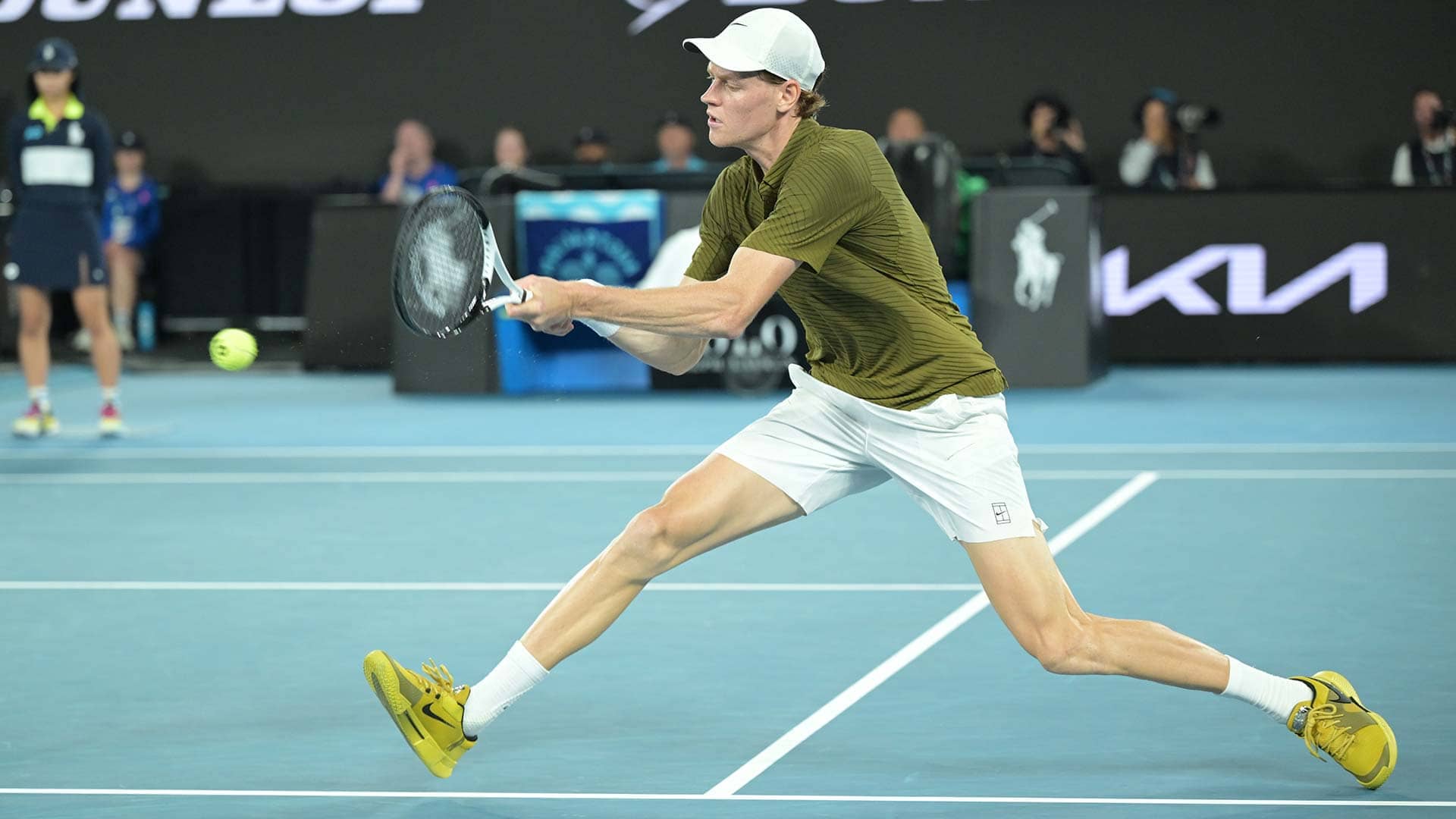
Jannik Sinner moved effortlessly into the second round at Melbourne Park, the hard courts still warming under the January sun. The 24-year-old led Hugo Gaston 6-2, 6-1 when the Frenchman retired after 68 minutes, a brief encounter that left little doubt about the Italian’s form. Yet as a two-time defending champion at the Australian Open, Sinner’s gaze fixed on subtler edges, particularly the serve that powered his six titles in 2025.
Those victories, capped by a second straight Nitto ATP Finals crown, crowned him the Serve Leader per ATP Stats, blending aces with points won and effectiveness. Still, he senses more to unlock in that isolated stroke, where adjustments begun before the US Open now shape his offseason rhythm. The changes—a slower startup, toss shifted back over his head—aim to steady a delivery that occasionally drifts.
“it’s not only [since] the US Open,” Sinner said when asked about the timestamp of the service-motion changes. “I felt like the serve was and still is a shot where I need to improve. it’s the only shot we have where we can do everything by ourselves. There is a lot of room to improve. “We changed a little bit the motion, the rhythm of the serve. Before it was a bit too fast in the beginning. Now it’s a bit slower. The toss usually was a bit more in front, a bit on the right. Now it’s a bit more back and over the head.”
Serve refinements fuel deeper runs
On these plexicushion surfaces, where the ball grips just enough to reward spin, Sinner’s tweaks could elevate his first-serve percentage, turning holds into quick points that preserve energy for baseline wars. The slower coil allows better hip rotation, potentially adding bite to inside-out serves that jam returners wide. Against Gaston, the serve hummed reliably, but longer matches will reveal if the toss holds under return fire.
“At times I still lose it [the toss]. it’s not a shot where I feel very safe,” he admitted. “But at the same time we are working on that. It is one of if not the most important shots we have because it can give you so many great things. So let’s see how I’m going to serve this season.” Marginal gains here might decide tiebreaks, especially as he chases the World No. 1 spot from Carlos Alcaraz, whose explosive returns thrive on any predictability.
The Australian Open‘s tempo demands versatility—mixing flat aces down the T with heavy topspin seconds to pull opponents off the baseline. Sinner’s evolution targets that balance, ensuring his one–two pattern of serve into forehand flows without interruption. Crowds at Rod Laver Arena pick up on this precision, their murmurs shifting to roars when a well-placed delivery sets up an inside-in winner.
Mental edge anchors technical shifts
Beyond mechanics, Sinner draws on his partnership with Dr. Riccardo Ceccarelli to navigate the psychological demands of a title defense. Their sessions adapt to the season’s phases, using a portable kit for on-the-go check-ins that steady his focus during high-pressure holds. This consistency builds resilience, turning potential wobbles into composed responses amid the Slam’s swirling energy.
“We are in contact trying to understand and also working on a couple of things,” Sinner said of Ceccarelli. “I have my home kit with me, so whenever I need to work on, whenever I feel like, I can work with that. “It goes a bit by period: How I feel also and what mental statement I am in. For sure there is still some room to improve. I’ve been in contact with him consistently. it’s good to have a stable person and he understands me now also a little bit better. By time we understand each other better. I understand his work ethic. We try to work on that.”
The mental work complements his serve overhaul, fostering the calm needed to execute slice serves wide or kick serves to the body against lefties like his next opponent, James Duckworth. Sinner holds a 2-1 edge in their head-to-head, but Duckworth’s underspin returns could test the Italian’s adjustments on home soil. As night sessions cool the courts, this inner fortitude will help sustain aggression through potential five-setters.
Aiming to join Novak Djokovic as the only man with three straight Australian Open titles—in 2011–13 and 2019–21—Sinner knows the path steepens quickly. Djokovic’s shadow adds weight, but the Italian’s quiet refinements suggest a player evolving beyond raw power. Each practice refines the toss’s arc, each dialogue sharpens resolve, positioning him to turn Melbourne’s heat into another layer of legacy.