Shelton Builds Through Sinner’s Shadow

Ben Shelton exits another Australian Open quarterfinal against Jannik Sinner not defeated, but determined—his game sharpening in the heat of elite rivalry.
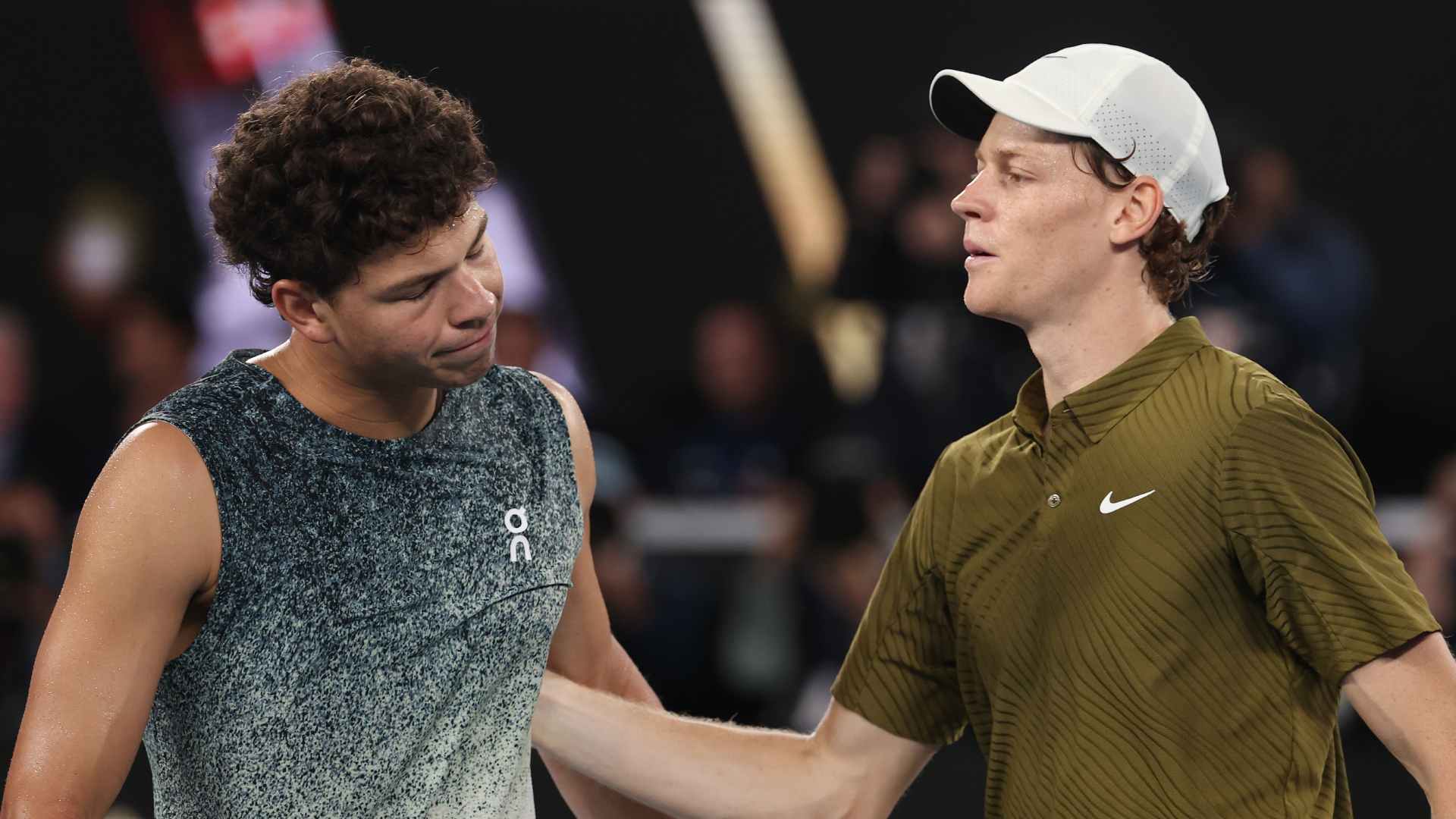
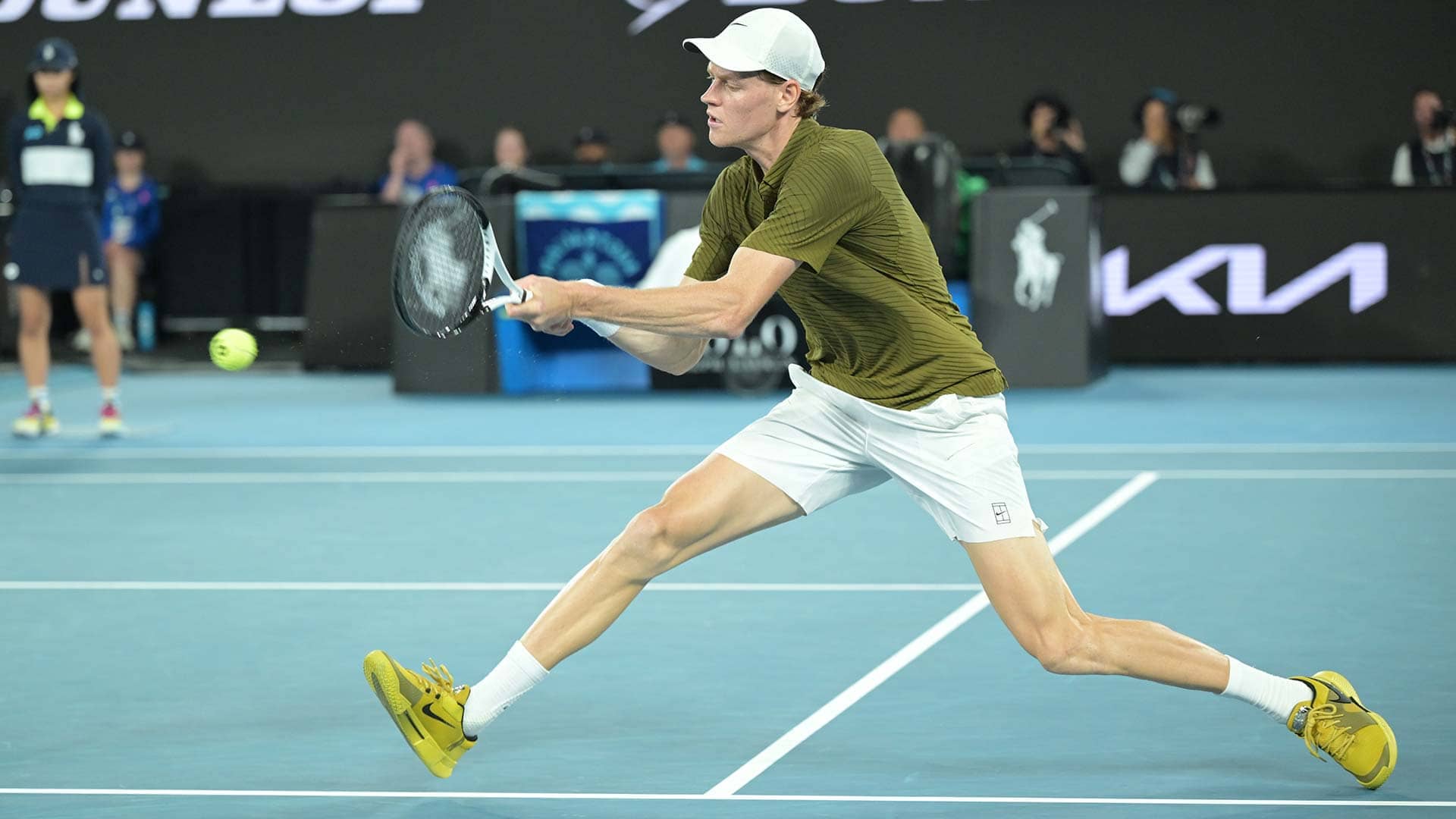
In the sweltering close of Rod Laver Arena, Ben Shelton‘s powerful strokes fell silent after a straight-sets quarterfinal loss to Jannik Sinner at the Australian Open. The eighth seed had powered through the draw, dropping only one set in four matches, only to face the Italian’s relentless returns in a 3-6, 4-6, 4-6 defeat. This marked the fourth time a major run ended at Sinner’s hands, extending their head-to-head to 9-1, yet Shelton departed with eyes on the horizon, his resilience intact amid the crowd’s fading cheers.
Shelton’s path to this stage traced a steady climb since his first major quarterfinal here in 2023. At 23, he has claimed three tour-level titles, including his debut ATP Masters 1000 in Toronto, propelling him into the Top 5 of the PIF ATP Rankings. Semi-final appearances at the US Open in 2023 and this event in 2025 have tested his fire, revealing a player who thrives under Slam pressure.
“I think my level is better, and I’m getting better and better and becoming a lot less limited,” Shelton said when analysing his progress. “I think this game takes time, and the results don’t always come when you want them. I’m getting to the point now where I’m getting stopped by the toughest challenge in the game for the most part, and I do think that I’m close to bringing it all together.
Chasing early leads unlocks power
Shelton knows leading sets the tone in majors, where his confidence turns rallies into dominations. Trailing early against Sinner forced reactive tennis, his destructive first serves booming but often met with aggressive plus-one returns that jammed his forehand setups. He craves that initial edge, where bruising crosscourt winners and down-the-line surprises flow freely, making opponents scramble on the hard courts.
The American’s forehands landed heavy, testing Sinner’s defenses with inside-in angles, yet capitalization slipped in crucial spots. On break points, two second-serve returns lacked depth, allowing the Italian to spread him wide with deep crosscourt replies and seize offense. Against others, Shelton can neutralize from a weak second delivery, scrambling back via his one–two punch, but Sinner’s bilateral aggression demands sharper purpose from the return line.
“I think I had two second-serve looks on break points today, and I think I missed both of them, or maybe one of them I hit weak and he spread me quickly,” Shelton said reflecting on the match. “I think that with other guys, I can get away with putting in the court and either being at neutral or having to scramble a little bit at the first ball and then getting back to neutral or getting on offense. I was doing a really good job of that. But with a guy who has the plus-one ability that he has off of both sides, I needed to be a lot better and have more purpose with my second-serve return, which I thought that he had against me. He was able to put me in uncomfortable positions and get to offense a good amount of times on my second serve and make me think about which serves I was using.”
Slam pressure fuels relentless hunger
Grand Slams ignite Shelton’s competitive core, the five-set format amplifying his drive on unforgiving hard courts. He admits the arena’s intensity sharpens his focus, turning every point into a puzzle against the field’s best. This addiction pushes him to dissect patterns, from serve variety to baseline redirects, evolving a game once raw into something more layered.
Flashes of disruption appeared in the match—underspin slices forcing awkward replies, forehand redirects pinning Sinner back—but the Italian’s consistency held. Shelton’s journey, from debut quarters to Top 5 status, builds toward completeness, the rivalry’s lopsided score a motivator rather than a barrier. He senses the breakthrough near, one tactical shift from flipping the script.
“I’m an addict. I’ve become more and more addicted to this game and figuring things out, chasing the guys who are ahead of me,” Shelton said. “it’s feeling the pressure that you feel on the court at a Grand Slam, there’s no better feeling… That’s what drives me every day, and I just feel like the drive getting stronger and stronger each year.”
As the hard-court season stretches ahead, Shelton’s pieces align under mounting expectations. The next clash could hinge on varied second serves or bolder returns, turning vulnerability into victory. In Sinner’s formidable shadow, he forges not just survival, but supremacy on the tour’s biggest stages.
“it’s a matter of time and work just trying to put all the pieces together, because I’m not complete yet, but I feel myself becoming more complete.”