Roddick claims the throne after US Open glory

In the fall of 2003, Andy Roddick turned a breakthrough Grand Slam into sustained dominance, overtaking rivals to seize world No. 1 amid a whirlwind of hard-court battles and mental tests.
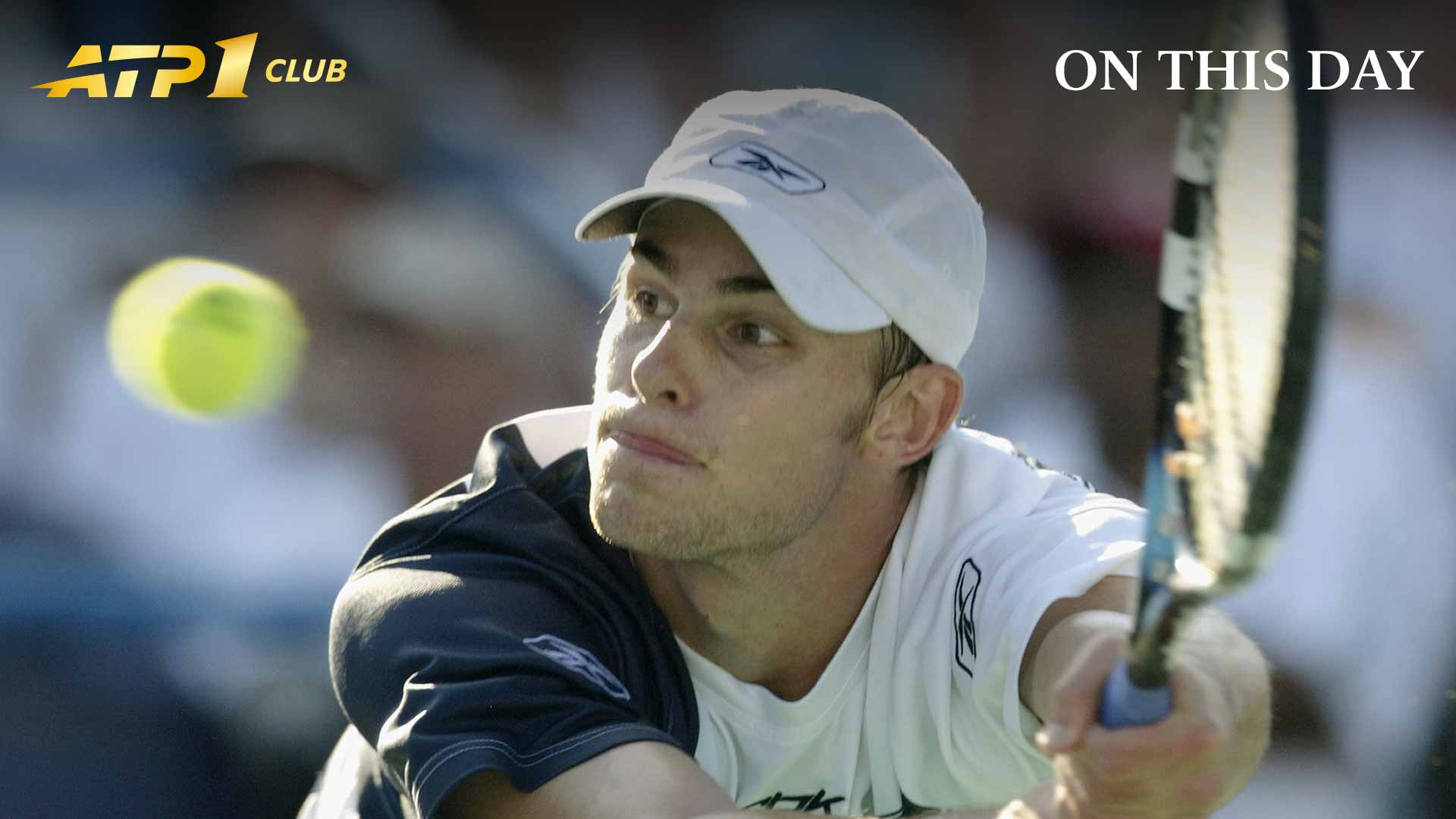
On November 3, 2003, Andy Roddick ascended to the pinnacle of the PIF ATP Rankings, a crowning achievement just two months after his sole Grand Slam victory at the US Open. The American’s explosive style captivated fans, as he clung to the top spot for 13 weeks and captured the ATP Year-End No. 1 presented by PIF honors. This last U.S. man to claim a major singles title had woven power and precision into a season of five additional tour-level triumphs, one on each surface, proving his mettle under mounting scrutiny.
Forging edge with Gilbert‘s guidance
Teaming up with Brad Gilbert brought swift transformation, as Roddick traded his visor for a trucker cap and embraced a sharper tactical mindset. The partnership honed his booming serve into the setup for aggressive one–two combinations, allowing him to control rallies with inside-out forehands on varied courts. This reinvention built immediate confidence, turning diverse surface challenges into stepping stones for his rankings climb.
Pressure simmered through the North American hard-court swing, where Roddick ignited a 19-match winning streak, claiming the three premier titles on offer. The grippy surfaces amplified his flat groundstrokes, letting him dictate tempo against foes who tested his patience in longer exchanges. Crowds buzzed with energy under the lights, feeding his drive as he navigated the psychological weight of expectations.
Hard-court mastery fuels the surge
In the Montreal ATP Masters 1000, Roddick surrendered only two sets en route to victory, one in a gripping semifinal against Roger Federer where deep crosscourt returns neutralized the Swiss’s finesse. He followed with even fiercer command in Cincinnati, another Masters 1000 crown, dropping just the opening set of the final to Mardy Fish before rallying through twin tiebreaks with unyielding focus. These wins showcased his ability to adjust mid-match, varying depths to exploit opponents’ movements on the faster hard courts.
The US Open tested that resolve in the semifinal against David Nalbandian, where Roddick trailed by two sets and faced a match point in the third-set tiebreak. A thunderous serve flipped the momentum, paving the way for dominance in the final frames with precise down-the-line winners amid the Flushing Meadows roar. He sealed the title in straight sets over Juan Carlos Ferrero, whose own New York surge had briefly elevated him to No. 1, highlighting Roddick’s tactical edge in high-stakes duels.
Seizing No. 1 in Europe’s chill
Post-US Open, semifinal runs in Basel and the Madrid ATP Masters 1000 delivered the points to eclipse Ferrero on that pivotal November day. Indoor arenas hummed with tension as Roddick’s serve-volley touches and inside-in backhands cut through the crisp air, solidifying his brief reign. Yet Roger Federer halted the streak in February 2004, launching a record 237 consecutive weeks at the summit and underscoring the sport’s relentless evolution.
Roddick’s ascent blended raw athleticism with strategic depth, a blueprint for American players chasing similar heights. Learn more about ATP No. 1 Club to trace the paths of those who have worn the crown, where grit and adaptation remain the ultimate keys to enduring success.