Sinner and Alcaraz claim a youthful No. 1 throne

A season of split majors and ranking skirmishes saw two prodigies under 25 dominate the top spot, their rivalry injecting fresh urgency into tennis’s evolving hierarchy.
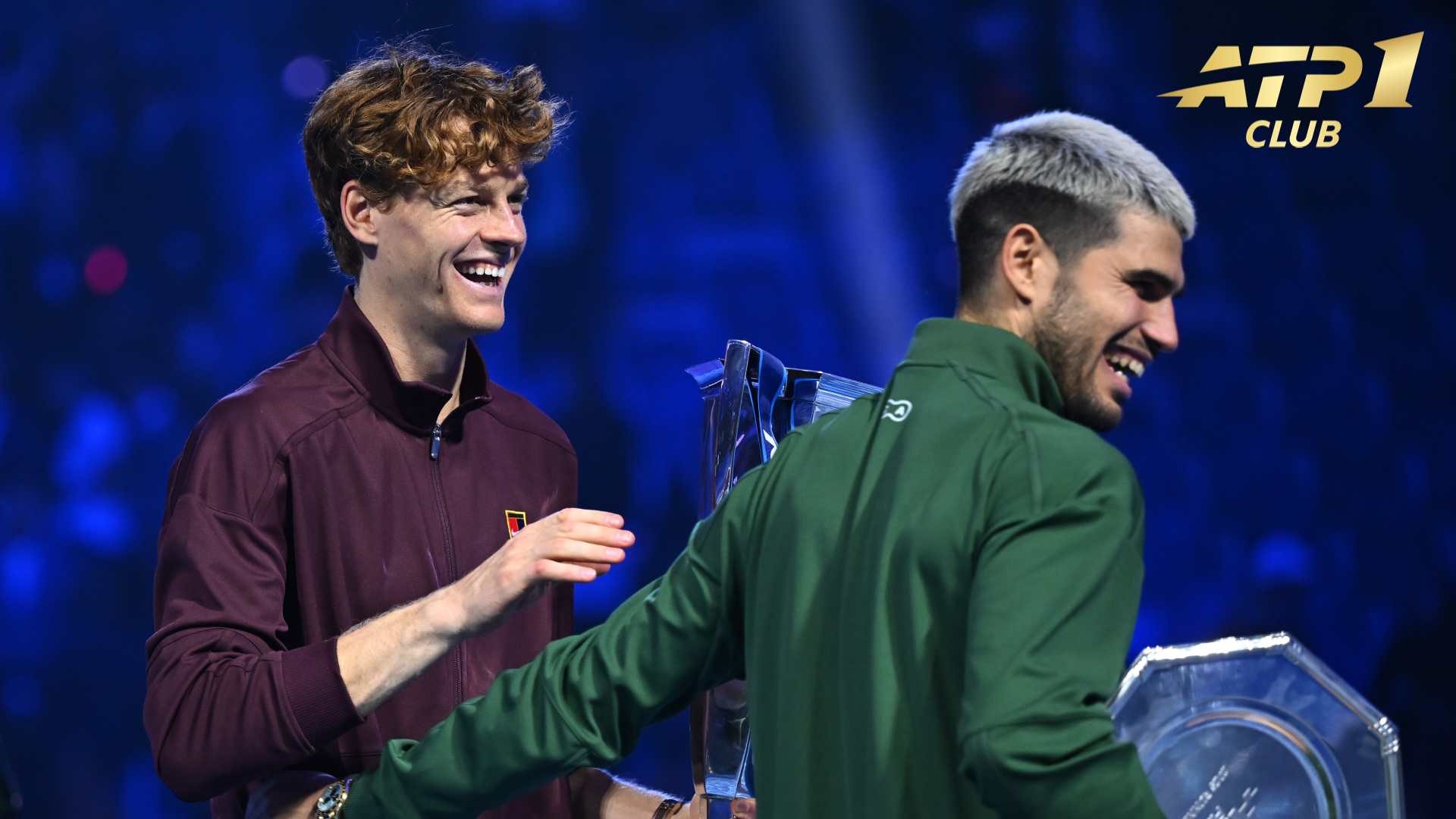
The 2025 ATP Tour wrapped with an uncommon sharpness in its rankings narrative: Jannik Sinner, at 24, and Carlos Alcaraz, at 22, stood as the only players to occupy the No. 1 position in the PIF ATP Rankings all year. They divided the four majors between them, a division that not only affirmed their supremacy but also marked the dawn of a youth-led era at the sport’s pinnacle. This back-and-forth control demanded unyielding focus, as each surface shift tested their ability to adapt tactics and mindset under the glare of constant comparison.
Youth shoulders mounting expectations
From Melbourne’s crisp hard courts to New York’s humid finales, Sinner and Alcaraz navigated a grueling calendar that amplified every tactical choice. The Italian’s penetrating groundstrokes, often routing through crosscourt exchanges before firing inside-out forehands, clashed with the Spaniard’s dynamic variety—drop shots slicing into one–two patterns that disrupted rhythms and drew crowds into frenzied applause. Beneath the surface wins lay the psychological strain of early leadership, where isolation in the spotlight forced them to recalibrate after each title, their composure a shield against the tour’s transitional pressures.
Historical echoes sharpen this intensity, as seasons since 1973 with all No. 1 holders under 25 have signaled profound shifts, much like 1980’s Borg-McEnroe duels that turned rankings into dramatic showdowns. Sinner’s grass-court serve adjustments, blending volleys with down-the-line backhands, evoked Borg’s poise, while Alcaraz’s clay flair mirrored those early breakthroughs amid rising stakes. Data from the PIF ATP Rankings places 2025 in this rare company, where mental resilience intertwined with strategic depth to sustain their dual reign.
Majors demand tactical evolution
The Australian Open’s pace suited Sinner’s flat returns, neutralizing aggressive serves with deep, angled replies that built points methodically. Alcaraz countered on clay at Roland Garros, his topspin loops stretching opponents wide in crosscourt rallies, forcing defensive underspin that exposed vulnerabilities in prolonged exchanges. Wimbledon’s low bounces then favored the Italian’s precision, his inside-in forehands reclaiming momentum after mid-season dips, while the US Open’s endurance test saw both players refine return positioning to edge out the year’s final tally.
Their head-to-head clashes, five in total, dissected these adaptations like precision strikes, with Alcaraz’s net poaches on ad court turning break points into roaring triumphs. Sinner varied serve placement, targeting the deuce side to open angles for down-the-line winners, a shift that neutralized the Spaniard’s coverage in key semifinals. Stadium energy pulsed through these moments, the crowd’s anticipation heightening the mental gauntlet where a single error could shift weeks at No. 1, blending raw skill with the era’s accelerated demands.
Compared to the Big Three, this youthful contest accelerates history: Federer held 237 consecutive weeks from 2004-08 starting at 23, Nadal broke through in 2008 at 22, and Djokovic in 2011 at 24, but their prime No. 1 battles unfolded later. Sinner and Alcaraz upended that pattern, their 22- and 24-year-old grips echoing 2004’s Federer-Roddick exchanges amid surface swings. Jon Wertheim notes in ATP Tour analysis that such early dominance, with majors split along hard and clay lines, forges a new template for rivalry-fueled excellence.
Rivalries signal generational fire
As autumn events intensified, Sinner’s calm demeanor offset Alcaraz’s improvisational sparks in extended baseline duels, crosscourt probes evolving into inside-out surprises that tested endurance. Holding the top spot meant outlasting not just foes but the weight of expectations, their under-25 control placing 2025 among the sport’s youngest dual No. 1 seasons. This equilibrium, last seen over two decades ago, threads through ATP lore—from Sampras-Agassi’s stylistic clashes in the 1990s to Borg-McEnroe’s emotional volleys—promising to ignite the next decade’s narratives.
Research by Jon Jeraj underscores how these arcs, blending tactical mastery with psychological depth, beacon emerging talents toward similar trials. The tour’s path forward rests on such dynamics, where every serve and rally hones champions ready for the unrelenting stage, hinting at prolonged youth surges in 2026 and beyond.