Paris Masters tests the resolve of No. 1 contenders

As the indoor hard courts of Paris light up for another showdown, the tournament’s history of high-stakes triumphs draws the world’s top players into a late-season crucible where mental fortitude meets tactical precision.
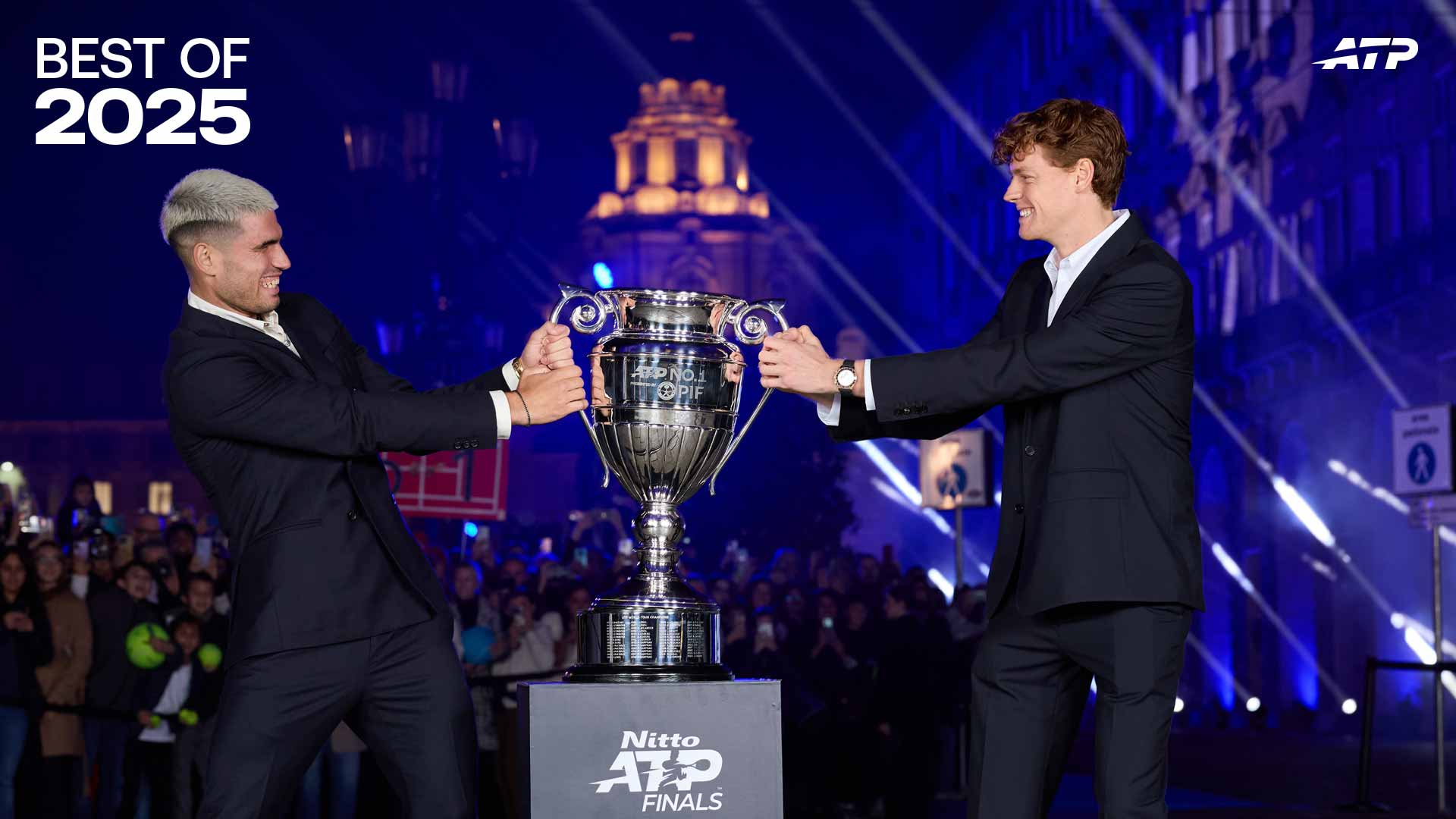
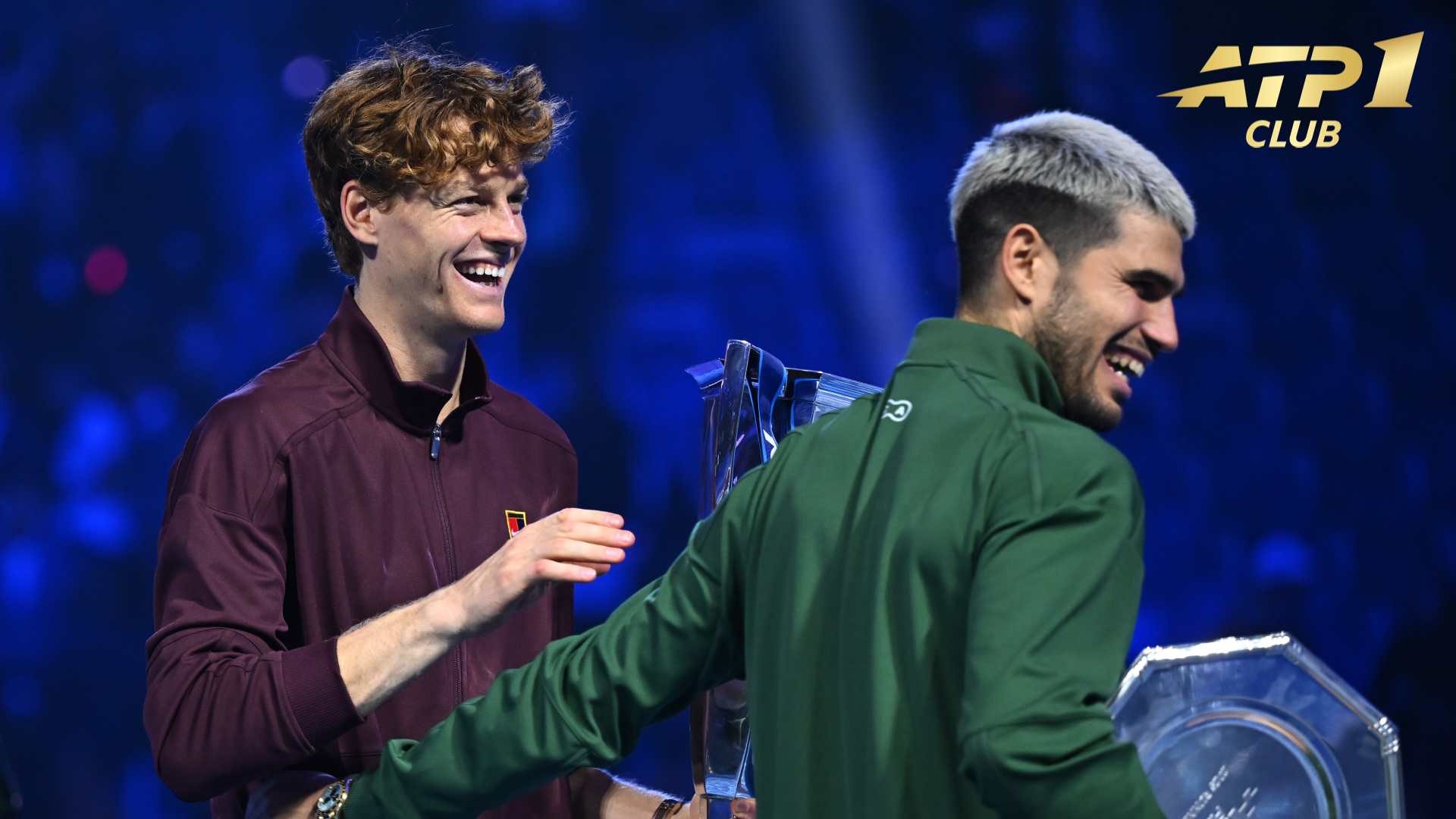
Under the Accor Arena’s bright lights, the Paris Masters has long served as a late-season forge for ATP No. 1 Club members, blending the echo of thunderous serves from Boris Becker and graceful volleys from Stefan Edberg in the 1980s and 1990s with the baseline marathons of Novak Djokovic and Daniil Medvedev today. Since adopting its current identity in 1986, nine different No. 1s have claimed 21 trophies on these indoor hard courts, turning the event into a rite of passage for those chasing supremacy. This year, Carlos Alcaraz and Jannik Sinner arrive as top seeds, eyeing their first titles amid a field ripe with experience and expectation.
Djokovic masters the pressure cooker
Djokovic holds the record with seven Paris titles, his 428 weeks at No. 1 underscoring a dominance that thrives on the event’s demanding pace. His 2023 victory, the 40th Masters 1000 crown of his career, came through precise return positioning and extended rallies that exploited the court’s speed, reigniting his season’s momentum. The Serb described it as one of his most cherished Masters triumphs, a moment where tactical adjustments silenced doubters under the arena’s roar.
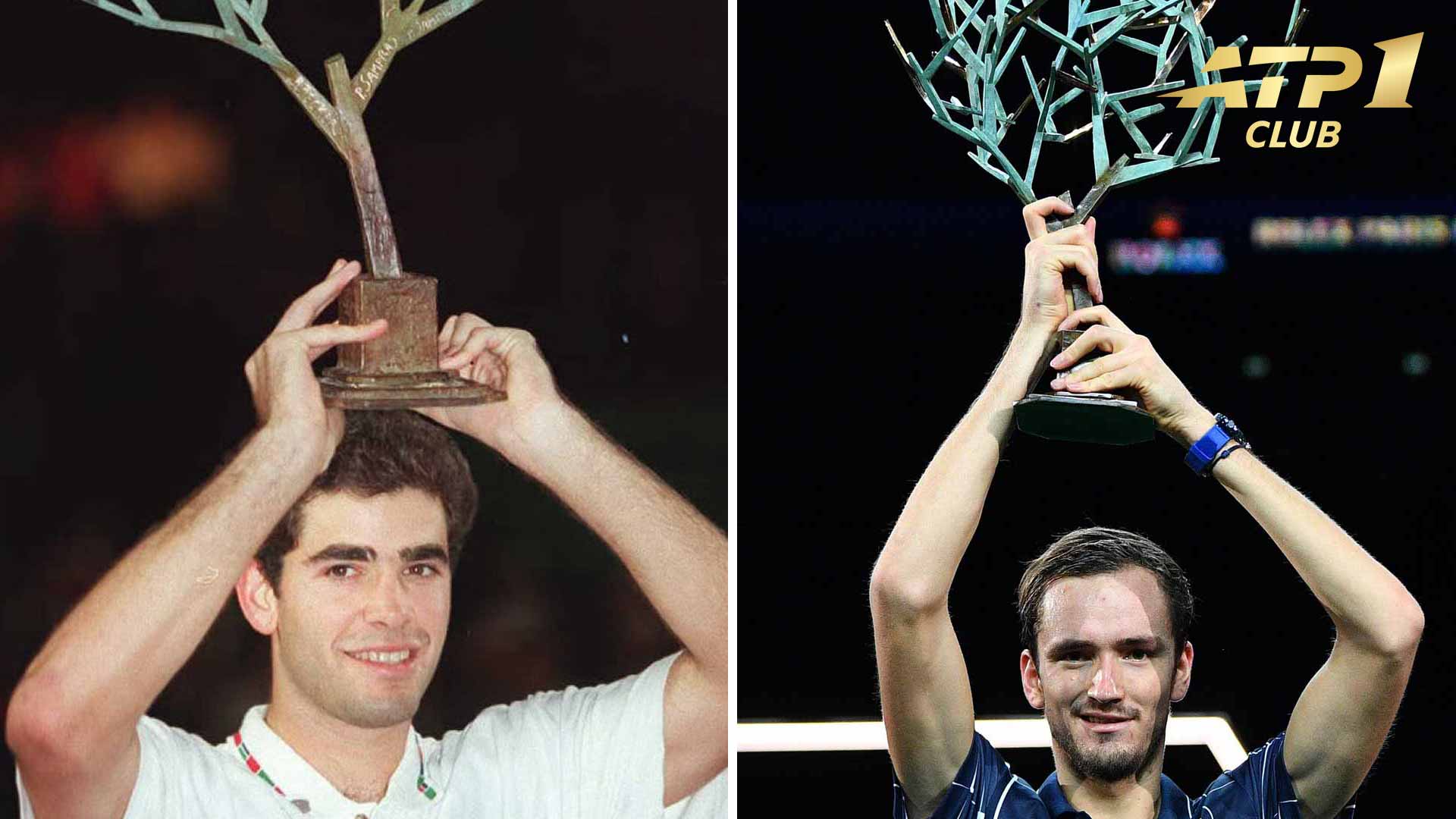
Medvedev, at 29 and fresh off his first title in over two years in Almaty, enters with renewed fire after his 2020 Paris run. He staged a stunning comeback in the final against Alexander Zverev, trailing 5-7, 3-4 before capturing nine of the last 10 games with deep crosscourt returns that opened down-the-line angles. That grit carried him to victory at the Nitto ATP Finals weeks later, transforming a season of frustration into one of redemption.
“Before the tournament I was not in my best form, playing not so bad with zero finals this year,” Medvedev recalled. “I was actually crying to my wife—not crying—but just complaining, ‘Oh my God, I don’t have the level, I don’t even have one final, I’m playing so bad’, bla bla… So finally, I’m the winner of the Paris Masters.”
Historical triumphs fuel late surges
Andy Murray‘s 2016 Paris title ignited a 24-match winning streak, his lone crown at the event propelling him to dethrone Djokovic at the Nitto ATP Finals and secure year-end No. 1 honors. On the indoor hard courts, switched from carpet in 2007, Murray’s counterpunching sharpened, with crosscourt forehands forcing errors in rallies stretched by the season’s toll. The Parisian crowd’s energy amplified his resolve, turning isolation into inspiration.
Roger Federer, boasting 103 tour-level titles, finally conquered Paris in 2011 after years of close calls, capping a 17-match run with inside-out forehands and slice approaches that disrupted baseliners’ rhythms. He noted the victory’s rarity, a breakthrough born from compartmentalizing past defeats amid the arena’s intense glare. Federer’s all-court finesse adapted to the surface’s grip, blending net rushes with baseline depth to claim the elusive trophy.
“I have had many attempts to win Paris and, for some reason, I wasn’t able to. It’s a special victory,” he reflected, highlighting how persistence unlocked the event’s secrets.
Legends pave way for new challengers
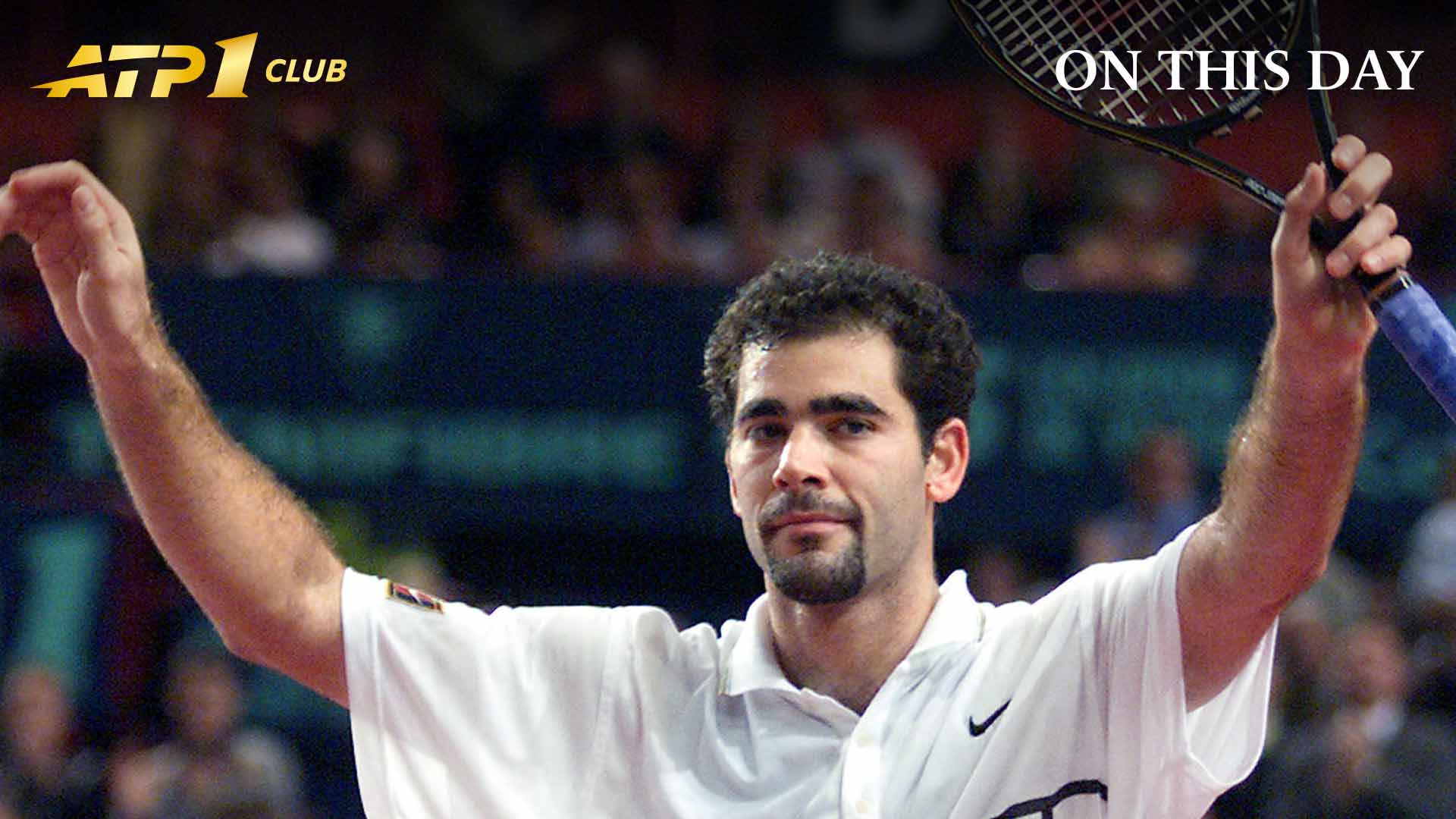
Even on the old carpet, heavy hitters like Marat Safin dominated early 2000s Paris with three titles in 2000, 2002, and 2004, his powerful groundstrokes pinning opponents deep in low-bouncing exchanges. Andre Agassi added flair with wins in 1994 and 1999, the latter completing a rare double alongside Roland Garros by varying returns to counter big serves on the quick deck. His rival Pete Sampras secured two trophies, in 1995 over Becker and 1997 as part of eight titles that year, using wide slice serves to set up inside-in forehands.
Becker set the aggressive tone with three early victories in 1986, 1989, and 1992, his booming serves echoing through the arena. Stefan Edberg‘s net mastery shone in 1990, claiming the title in a Wimbledon final rematch where Becker retired injured after six games—their sole such moment across 35 head-to-heads. Edberg’s volleys and underspin slices turned potential epics into statements of composure, influencing the event’s tactical evolution.
As Alcaraz and Sinner prepare for 2025, the Paris Masters’ legacy looms large, its history of comebacks and adjustments a blueprint for their breakthroughs. Alcaraz’s explosive one–two patterns and Sinner’s flat consistency must navigate the indoor tempo, where a single week’s focus could etch their names among the No. 1 greats and propel them toward year-end glory.