Sinner’s Grip Tightens on Melbourne’s Crown

Jannik Sinner returns to Melbourne Park as the two-time defending champion, his hard-court mastery setting the stage for a third straight Australian Open run amid rising challengers and a daunting draw.

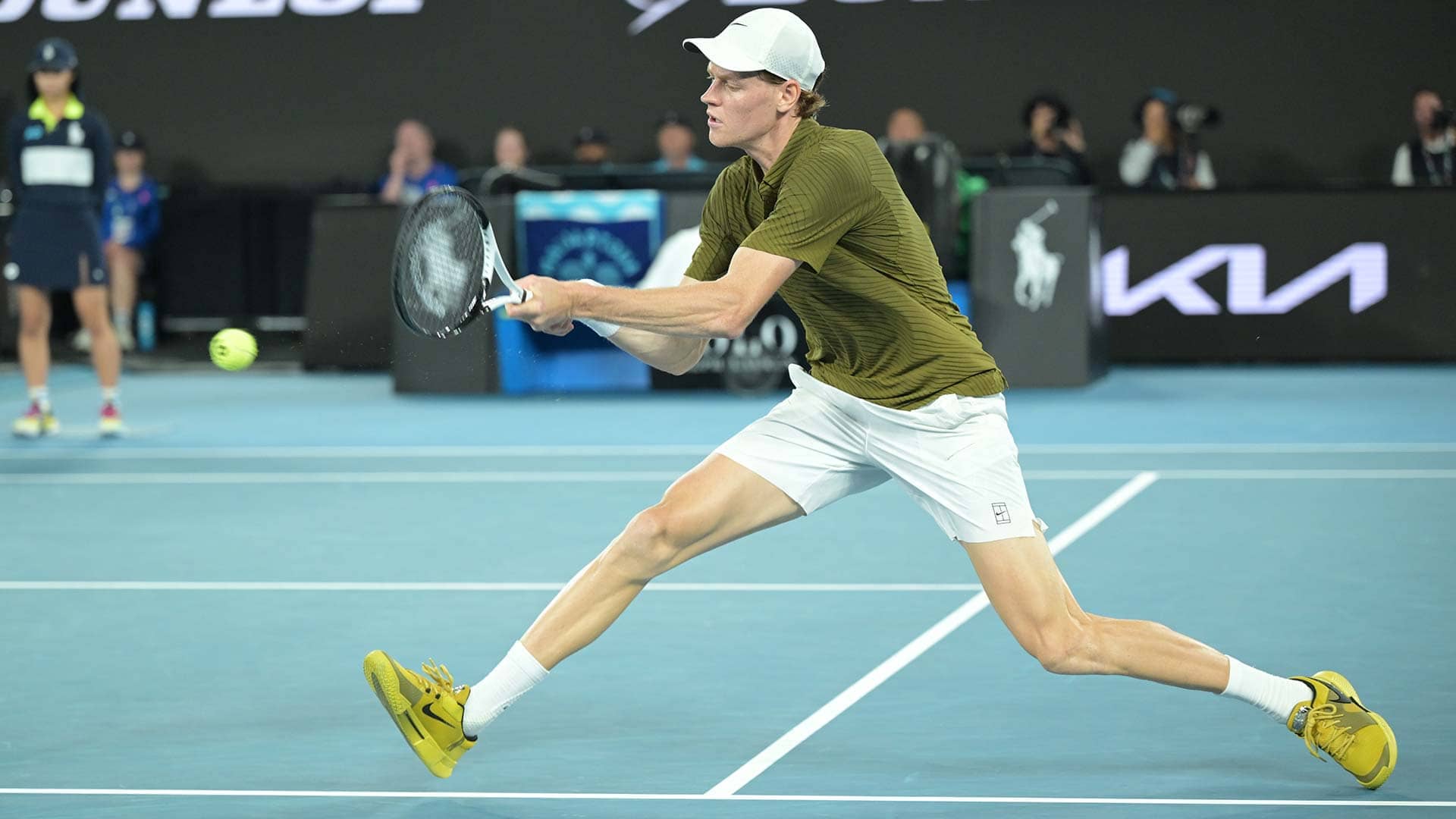
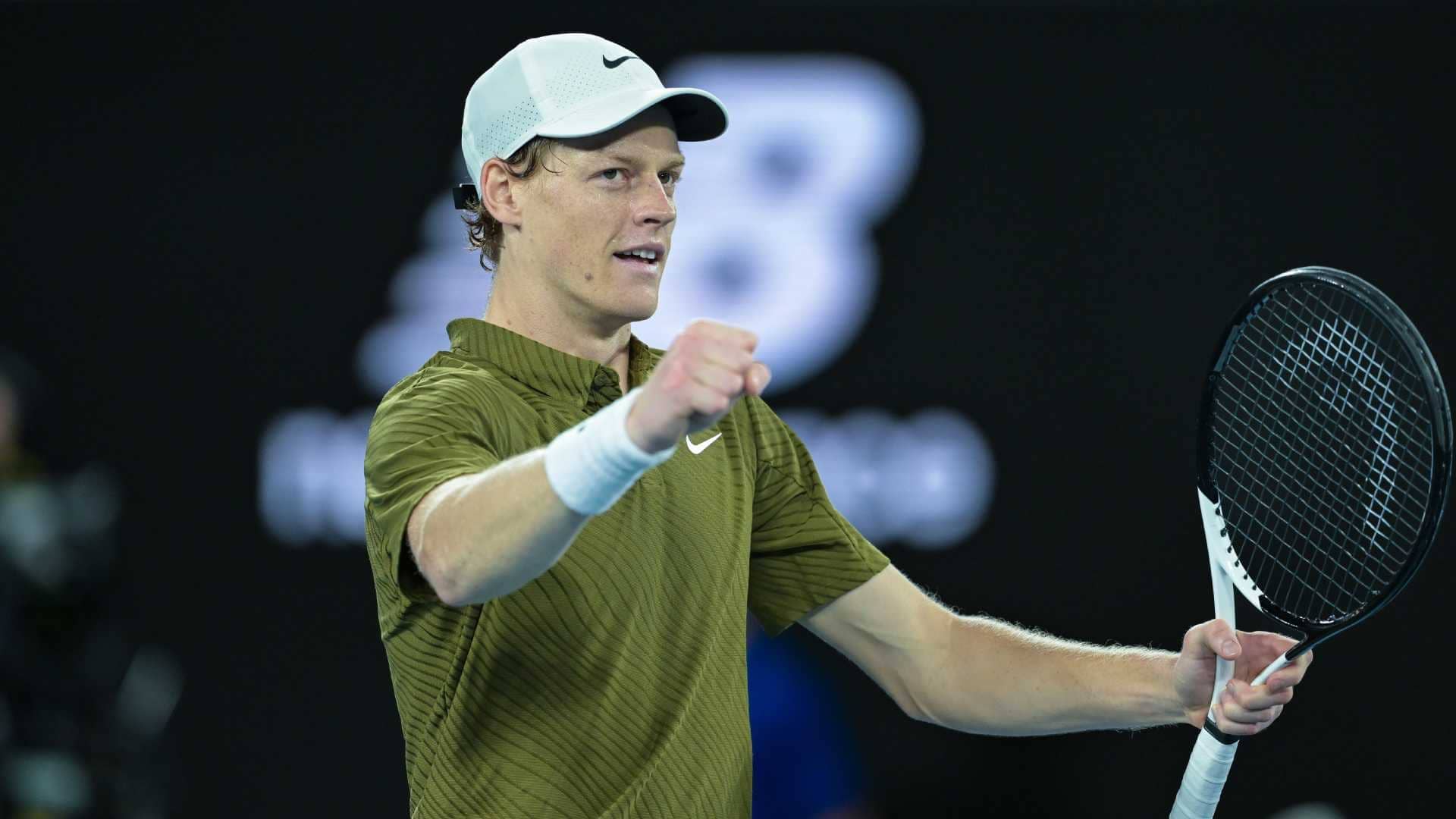
In the thick January air of Melbourne Park, Jannik Sinner steps forward not as an underdog but as the architect of his own dynasty. The World No. 2 arrives chasing a third consecutive Australian Open title, with main-draw action firing up on January 18. His presence alone shifts the tournament’s gravity, every practice stroke a signal of the unyielding focus that has turned this event into his stronghold.
Hard court record fuels relentless drive
Since his 2020 debut, Sinner has compiled a 22-4 mark at the Australian Open, including triumphs in 2024 and 2025 that cemented his dominance. Those victories added to his four Grand Slam titles, with Roland Garros, Wimbledon, and the US Open also falling under his precise baseline game. On hard courts overall, his 227-52 ledger translates to an 81.4 percent winning clip, second among active players and a foundation built on heavy topspin that wears down opponents over long rallies.
The 2025 final against Alexander Zverev captured this edge in sharp relief: Sinner‘s 6-3, 7-6(4), 6-3 win relied on inside-out forehands that pulled the German wide, breaking his serve rhythm without forcing unnecessary risks. This poise under pressure has defined his slams journey, turning potential vulnerabilities into controlled exchanges. As he prepares, that statistical armor feels even more vital against a field hungry to disrupt his streak.
Draw tests tactical depth early
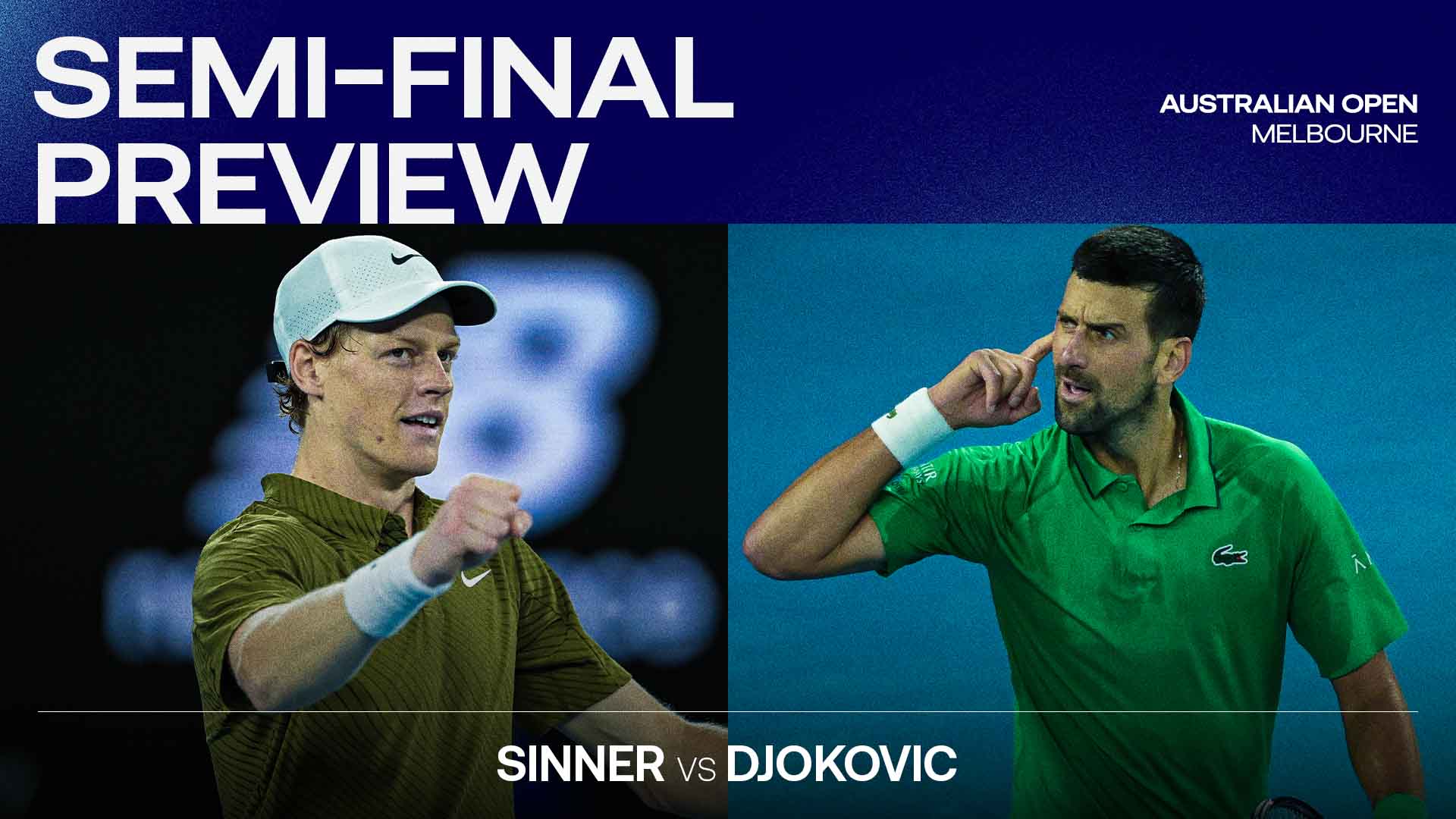
Sinner opens his title defense against France’s Hugo Gaston, a matchup where his one–two patterns—flat serve into crosscourt backhand—should exploit the Frenchman’s flatter strokes. A third-round projection brings 19-year-old Joao Fonseca into view, the Brazilian’s speed demanding Sinner vary his serves with kick to the body or slice wide to prevent easy returns. Deeper paths weave in threats like a semifinal clash with record 10-time champion Novak Djokovic, whose down-the-line returns have tested the Italian’s adaptability in past encounters.
Recent form mixes promise and caution: a China Open title over Learner Tien via 6-2, 6-2 showcased slice backhands neutralizing power, while a Rolex Shanghai Masters retirement against Tallon Griekspoor—7-6(3), 5-7, 2-3—highlighted endurance tweaks needed for Melbourne’s heat. Victories at the Rolex Paris Masters, where he edged Felix Auger-Aliassime 6-4, 7-6(4), and the Erste Bank Open further built momentum, blending aggressive inside-in forehands with defensive lobs. Against players like Daniil Medvedev, Taylor Fritz, and Carlos Alcaraz in prior hard-court tilts, Sinner’s adjustments—shortening points with volleys or deepening returns—have flipped momentum, a blueprint for navigating this bracket’s twists.
Mental fortitude shapes title pursuit
The Nitto ATP Finals run capped a season of internal battles, where Sinner learned to absorb crowd energy and convert it into sharper focus during tiebreaks. Melbourne’s medium-fast plexicushion suits his 1–2 setups, allowing crosscourt winners to open angles against Djokovic’s poaching or Fonseca’s scrambling. As expectations mount for 2026, his evolution from rising star to sustained force hinges on that quiet resolve, turning the tournament’s roar into rhythm for another run deep into the fortnight.