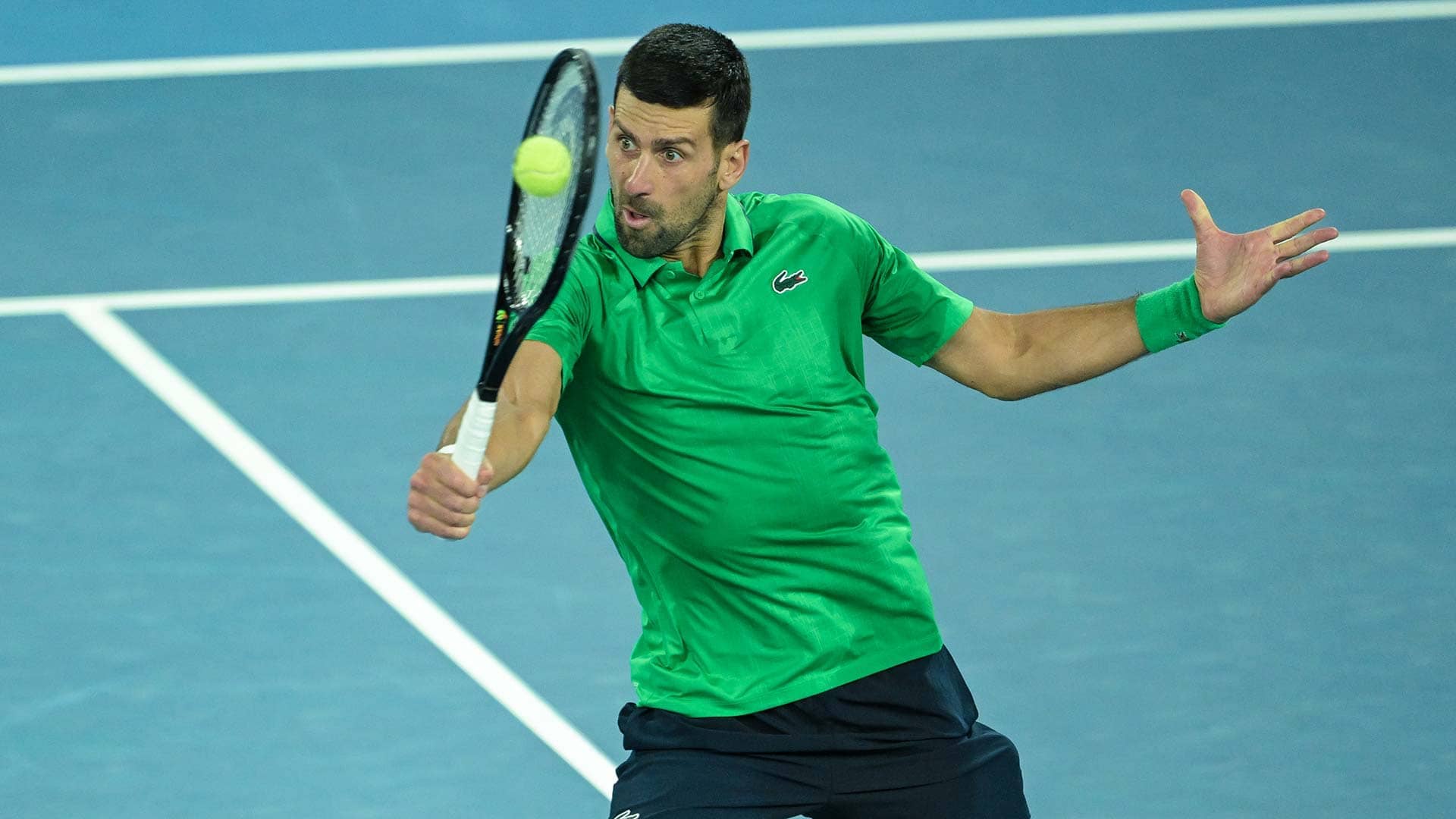
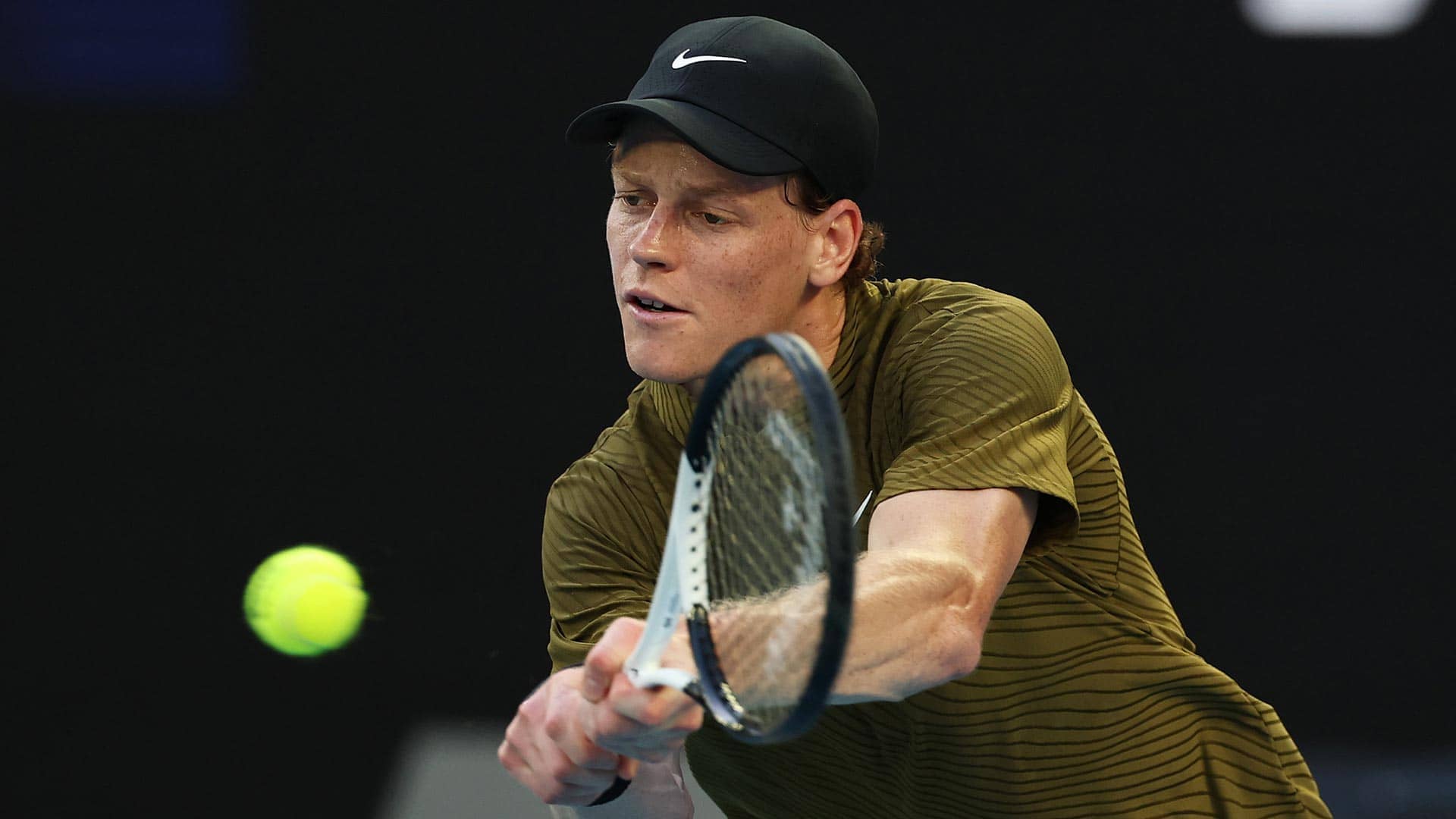
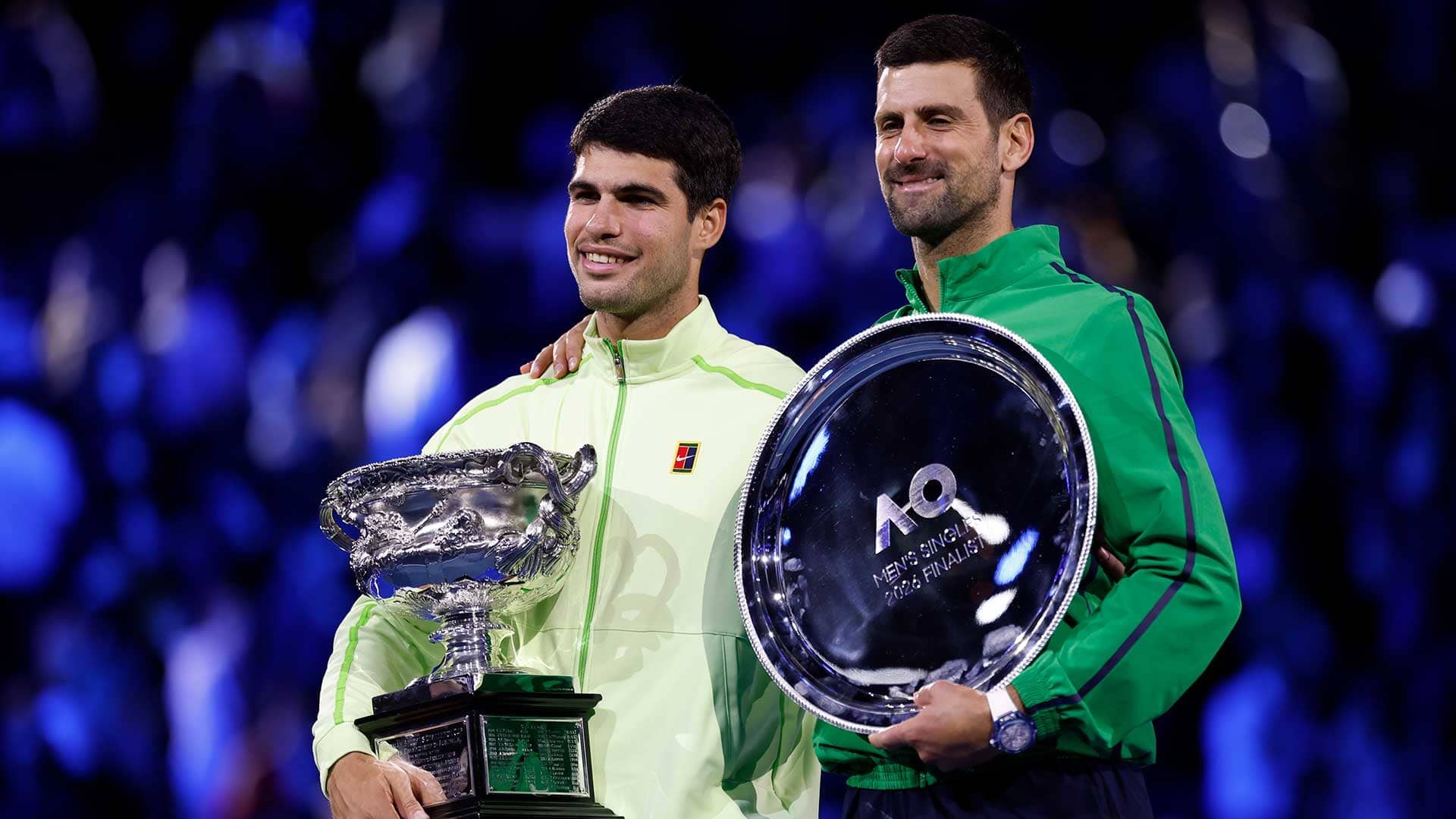
Djokovic and Sinner collide in Melbourne semi

At 38, Novak Djokovic guards his Australian Open throne against Jannik Sinner’s relentless rise, a 24-year-old who’s already claimed five straight victories over the legend. This Friday night clash tests enduring grit against youthful precision on the hard courts.
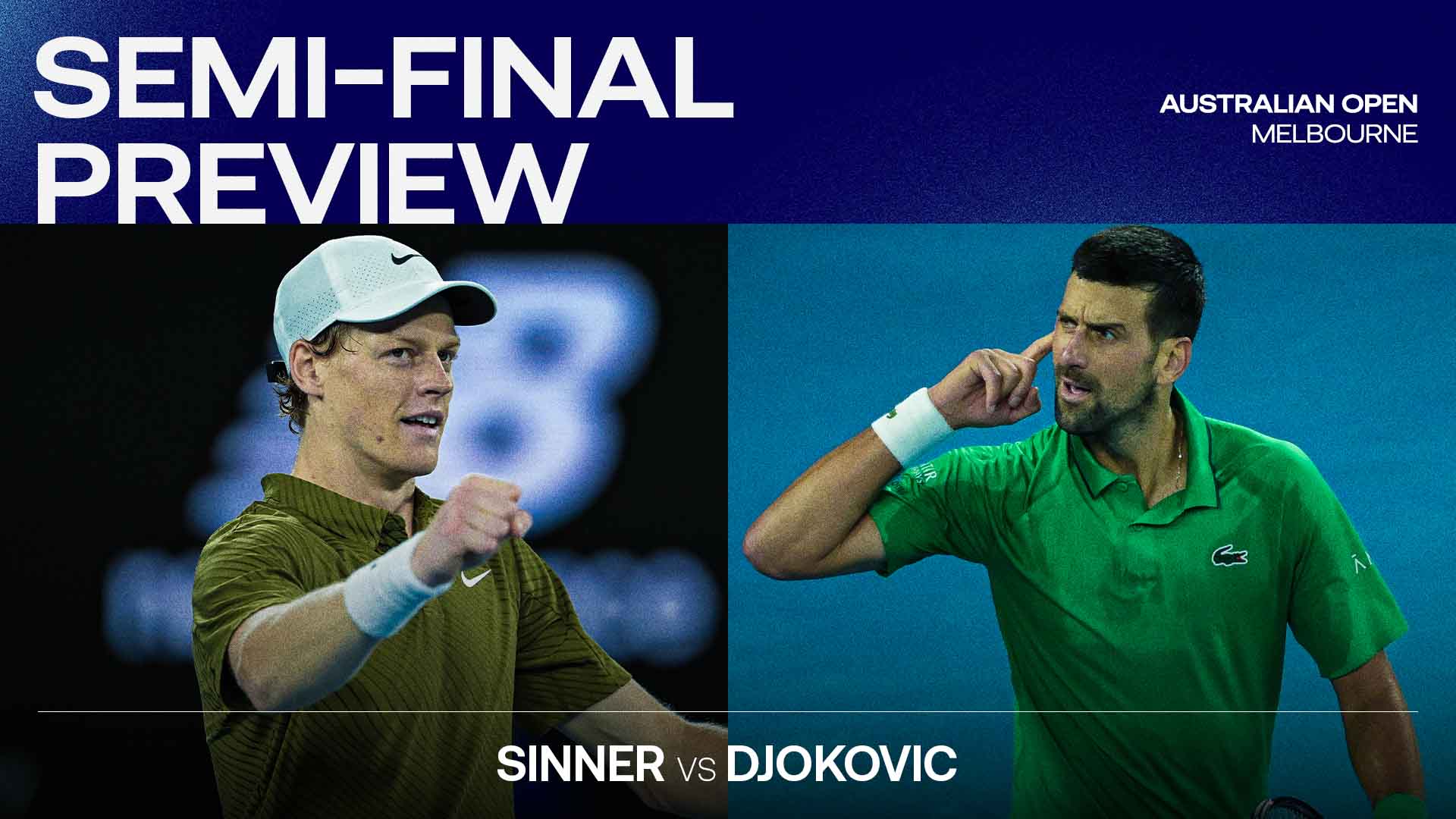
Under Rod Laver Arena’s glare, the air hums with the weight of eras shifting. Novak Djokovic steps onto the court at 38, his record 10 Australian Open titles a fortress against time’s pull. Jannik Sinner, the 24-year-old defending champion twice over, arrives with quiet fire, his past five wins over the Serb—straight-sets semis at Roland Garros and Wimbledon last year—signaling a new guard knocking insistently.
The semi-final, kicking off at 7:30 p.m. local time or 3:30 a.m. EST, unfolds on Melbourne’s grippy hard courts where balls bite and rallies stretch. Sinner chases a three-peat, a mark only Djokovic holds in the Open Era among men. Yet the veteran, pursuing a 25th major, thrives in this pressure cooker, his body a testament to seasons of adaptation even as rivals like the Italian close in.
“it’s great to have Novak playing at this level,” Sinner said of Djokovic, who is chasing a record 25th major title. “it’s a Grand Slam, it’s always very difficult against Novak… He is, I think, the most professional athlete we have here in the locker room. I also try to be as professional as possible.
“He has a huge package of experience with himself. He knows how to handle every situation the best possible way. As a 24-year-old, I’m lucky to have someone like him in front of my eyes, and I can hopefully learn something. I feel like every day, every time he plays, I can learn something about him, about Carlos Alcaraz, about all the other great, great players.”
“I think the way he’s playing, the way he’s moving, if you are not professional, you don’t play at this level. He’s an inspiration to all of us and especially the young players.”
Sinner sharpens ruthless baseline edge
The No. 4 in the PIF ATP Rankings has refined his game into a weapon of efficiency, his heavy topspin forehands landing deep to compress the court. In recent clashes, Sinner’s inside-out swings pull Djokovic wide, setting up crosscourt backhands that end points before the Serb’s defense fully uncoils. This evolution, honed through a season of high-stakes matches, turns the Italian’s once-aggressive style into a suffocating rhythm, neutralizes the veteran’s elastic retrieval.
His point-ending instincts have spiked, with improved net forays adding unpredictability to baseline dominance. On Melbourne’s Plexicushion, where the surface grips for sharper angles, Sinner takes balls early, robbing time from opponents. The crowd senses it—the young champion’s poise builds conviction, each winner echoing his back-to-back titles here.
Sinner vs Djokovic
Our comparison shows the data from the players 52-week averages on the ATP Tour#TennisInsights | @atptour pic.twitter.com/na5En88Gfw— Tennis Insights (@tennis_insights) January 29, 2026
That snapshot of their 52-week averages, shared via #TennisInsights and @atptour on pic.twitter.com/na5En88Gfw from January 29, 2026, reveals Sinner’s edge in first-serve points won and rally efficiency. Djokovic’s dips in longer exchanges highlight the challenge: the Italian’s hold percentage on hard courts now pressures even the king’s serve game. As the defending champion absorbs the season’s physical toll, Sinner’s mental fortitude positions him to dictate from the baseline.
Djokovic plots disruption through variety
To reclaim control, the 38-year-old must weave uncertainty into his arsenal, echoing the serve-volley tweaks that buoyed him at Roland Garros last year. Mixing underspin slices on second serves with down-the-line returns could jam Sinner’s returns, forcing the Italian off his aggressive patterns. Djokovic’s footwork, still a marvel, absorbs pace but now demands proactive shifts to counter the 1–2 punch that’s undone him before.
Last year’s quarter-final triumph over Alcaraz in Melbourne showed the blueprint: aggressive inside-in forehands wrong-footing the baseline, turning defense into sudden offense. Here, on courts that skid low yet grip topspin, Djokovic might deploy more drop shots to lure Sinner forward, exploiting any over-eagerness. The arena’s humid night air amplifies every adjustment, the crowd’s surge ready to fuel his resolve against the tour’s rising pinnacles.
“He’s just playing on such a high level right now, along with Carlos. They’re the two best players in the world,” Djokovic said. “[They are] absolute favourites, but you never know… Hopefully I can deliver my A-game for that matchup, because that’s what’s going to be needed at least to have a chance.”
Clash echoes shifting hard-court tides
Sinner and Alcaraz have split the past eight majors, their paths—like the Spaniard’s US Open revenge on Djokovic last year—marking a rivalry poised to define the decade. Yet the Serb measures success not by trends but by moments seized, his 10 Melbourne crowns a shield against concession. In this Australian Open semi-final between Novak Djokovic and Jannik Sinner, tactical chess meets unyielding will, the fast surface rewarding bold geometry over endurance alone.
Sinner’s crosscourt lasers test the veteran’s stretch, while Djokovic’s passing shots seek cracks in the young challenger’s poise. The psychological undercurrent runs deep: Sinner draws inspiration from the locker room’s code, viewing this as another lesson in professionalism. As points build under the lights, the match could hinge on mid-rally pivots, where Sinner’s efficiency clashes with Djokovic’s experience in chaos.
Djokovic dismisses any notion of retreat. “Are they better right now than me and all the other guys? Yes, they are,” he admitted. “The quality and the level is amazing. it’s great. it’s phenomenal. But does that mean that I walk out with a white flag? No.”
This collision at Melbourne Park promises more than a spot in an 11th final for the Serb or a historic three-peat for the Italian—it could etch the contours of tennis’s next chapter, where legacy bends but refuses to break under youth’s surge.