Liutova absorbs marathon pressure to claim Memphis debut

A 16-year-old qualifier traded blows with a top seed for more than three hours before heat and accumulated break-point pressure forced the issue on a sweltering Memphis afternoon.
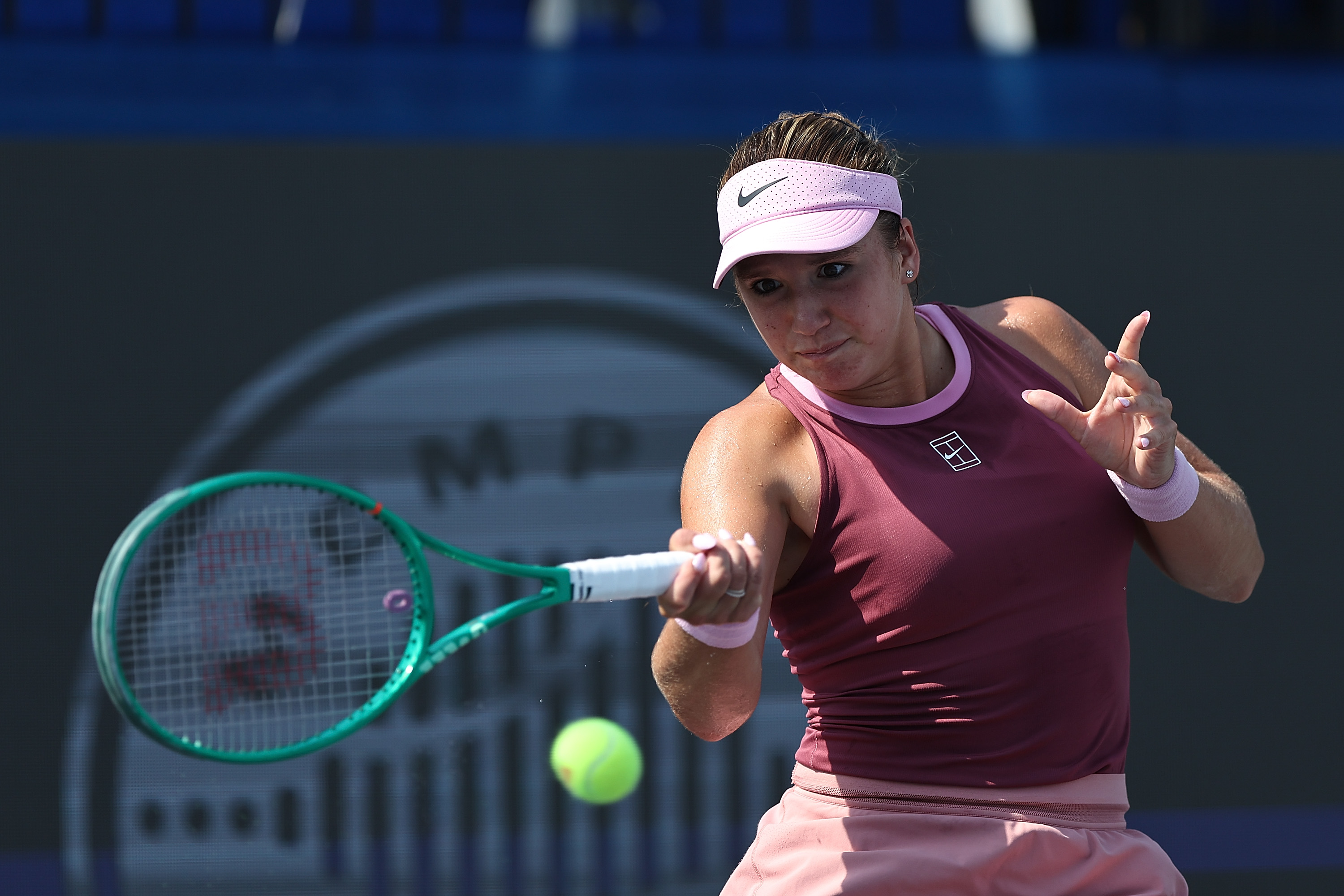
In her WTA main-draw debut, 16-year-old qualifier Kristina Liutova advanced past top seed Ekaterina Alexandrova when the Russian retired with heat illness at the Memphis Classic. Liutova led 7-6(2), 4-6, 5-4 after three hours and eleven minutes on court, becoming only the second player born in 2010 to secure a tour-level victory.
Backhand depth disrupts inside-out patterns
Hard-court surfaces reward players who can maintain depth without sacrificing pace, and Liutova used her backhand to pin Alexandrova behind the baseline. The World No. 19 prefers to step inside the baseline and fire inside-out forehands, yet repeated crosscourt exchanges forced her to hit from defensive positions. Liutova absorbed pace and redirected the ball with heavy topspin, turning Alexandrova’s power into short balls that invited the next inside-in strike.
This adjustment limited the top seed’s ability to dictate with her preferred 1–2 pattern early in rallies. Liutova created 21 break-point opportunities across three sets and converted five, each time stepping forward to take the ball early on returns. Alexandrova saved the first five break points in one critical game at 4-3 in the third set by finding lines with her groundstrokes, yet the constant pressure eventually produced a double fault among her 15 total.
Break points that measured composure
Temperatures reached 36°C as Liutova traded groundstrokes with the World No. 19. Alexandrova seized early control in the opener, leading 4-2, yet Liutova answered with deeper returns and heavier backhand crosscourt shots that forced the issue on every service game. Alexandrova saved five break points while serving at 4-2 in the first set before double-faulting on the sixth.
One year earlier Liutova sat at No. 801. She has since posted a 29-4 record in 2026, collecting titles at the Las Vegas W35 in February plus consecutive W100 crowns in Indian Harbour Beach and Sumter. That surge placed her at No. 229, more than 330 spots clear of the next player born in 2010. The teenager also claimed last December’s Orange Bowl while based in the Seattle area.
Wins over former Top 100 players Julia Riera, Arantxa Rus and Madison Brengle, plus former junior No. 1 Julieta Pareja, added concrete proof that her level had arrived early. Every title and ranking jump raised the baseline opponents expected from her, turning routine matches into examinations of whether the rapid climb could continue without fracture. At 4-3 in the decider Alexandrova again held six chances to consolidate a break. Liutova stayed locked on each rally until a deep return at the feet forced the error on the sixth opportunity.
Next test against Joint highlights surface transition
When Alexandrova later requested a medical timeout while serving at 5-4, the physical toll had merged with the psychological one built over three hours and eleven minutes. Liutova will next face Maya Joint in the second round. The schedule offers little recovery time after the longest match of her young career, yet the same patterns that carried her through 21 break points remain available.
Inside-out backhands and patient return positioning allowed her to dictate tempo even when Alexandrova struck powerful down-the-line winners. Those tools, sharpened across the 29 wins this season, now face a fresh opponent who will test whether the mental habits forged under heat and deficit can travel forward. Earlier on the same day Caty McNally needed three hours and eleven minutes to defeat Wang Xiyu, converting her fifth match point in a 4-6, 6-3, 7-6(5) result.
Those marathons illustrate how the hard courts at this venue can stretch matches when neither player yields control of the center. Liutova’s five break-point conversions and refusal to shorten rallies when behind in sets positioned her to capitalize when the heat finally affected her opponent. The Memphis field rewards players who adapt their patterns to fatigue rather than force play, an approach that has already lifted the 16-year-old past her first Top 100 opponent.