Osaka channels pressure into Wimbledon breakthrough

Three defeats to Aryna Sabalenka this season sat with Naomi Osaka as she walked onto Centre Court, yet precise adjustments and steady aggression turned the fourth-round clash into a statement win that delivered her first Wimbledon quarterfinal.
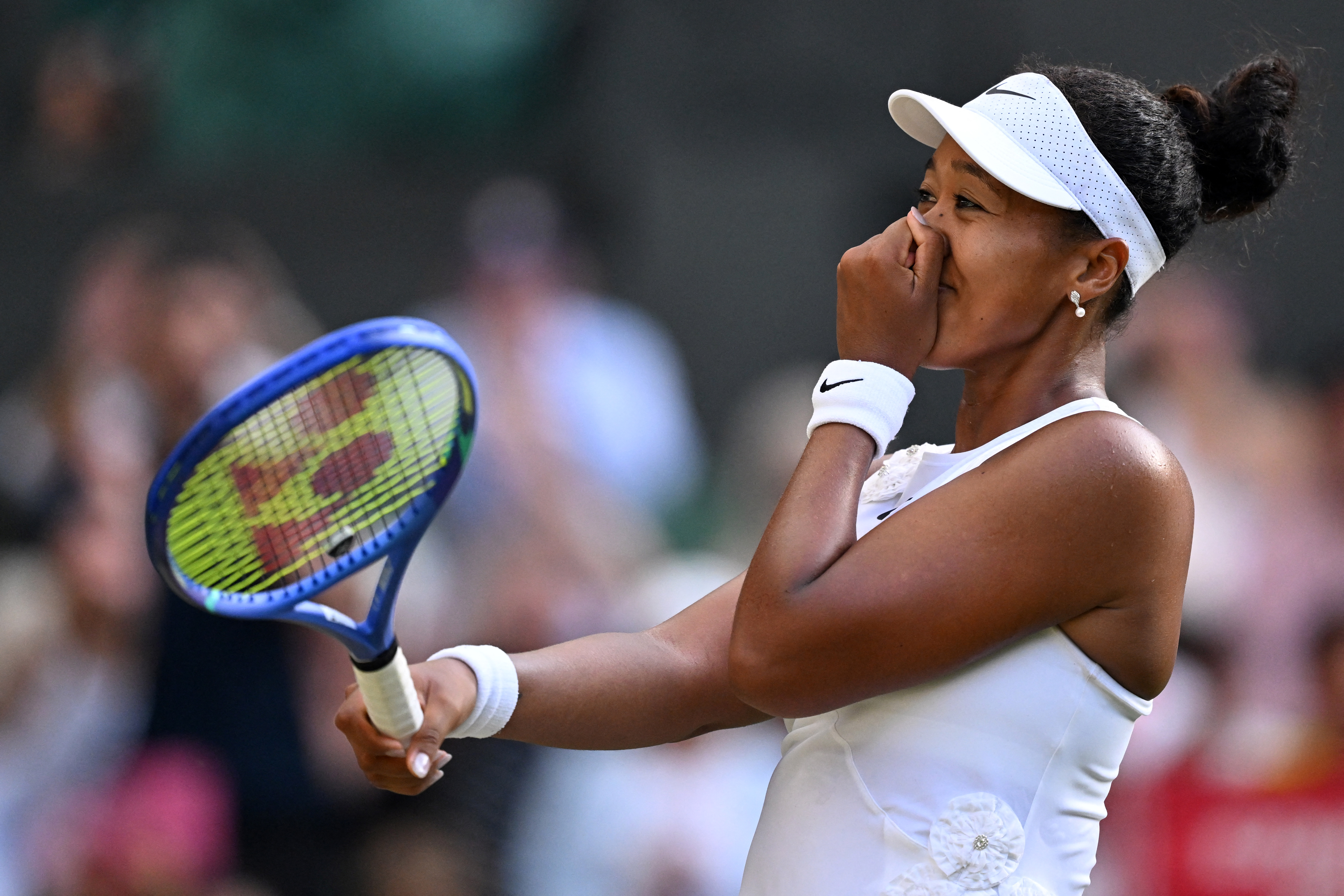
Naomi Osaka walked onto Centre Court carrying the weight of three straight defeats to Aryna Sabalenka in 2026. The former world number one met that history with clear intent and produced a 6-2, 7-6(2) victory in one hour and twenty-eight minutes that ended an eight-year head-to-head drought dating to the 2018 US Open.
It’s been a long time since I’ve had so much fun on the court, and to do it here, it really means a lot. Going into this match, I lost to her three times in a row, so that really sucked. I wanted to turn it over, and I’m really glad I had the opportunity to do that.
Osaka had already absorbed three defeats this year and wanted the pattern broken. The quick start reflected hours spent adjusting her return position and sharpening her first-strike patterns on grass.
Early adjustments seize control
Osaka opened by varying her first-serve targets, mixing wide slices with heavy kick serves that pushed Sabalenka wide. She secured an immediate break at 2-1 with a backhand winner struck inside-out, then consolidated by keeping returns deep and low to limit the world number one’s first-strike power.
Five consecutive games followed as Osaka mixed crosscourt angles with occasional inside-in forehands that exploited the shorter grass reaction time. Sabalenka held once more at 5-2, yet Osaka closed the set with her third ace to finish 6-2 in just over thirty minutes.
The 1–2 pattern of serve plus aggressive return continued to dictate play because the surface rewarded placement over raw pace. Osaka’s improved movement on grass allowed her to recover quickly after wide serves, turning defense into offense within one or two shots.
She had embraced her Japanese culture through fashion this week, walking out in a flowing embroidered kimono that drew quiet appreciation from the Centre Court crowd. That personal touch seemed to steady her as she became only the third Japanese woman to reach the Wimbledon singles quarterfinals in the Open Era, joining Kimiko Date and Ai Sugiyama.
Naomi Osaka brings the kimono to Centre Court 🤍 pic.twitter.com/EXWcFELNy9
— Wimbledon (@Wimbledon) July 5, 2026
July 5, 2026 captured the kimono entrance that set a composed tone before the first ball was struck. The victory marked Osaka’s first win on Centre Court and her first Grand Slam quarterfinal on a surface other than hard courts.
Tiebreak mastery ends long streaks
After trading holds early in the second set, Sabalenka saved two break points in a four-deuce game at 3-2, using an ace and a backhand winner to stay on serve. No further break opportunities appeared, sending the set to a tiebreak where Osaka struck her eighth ace to lead 2-1.
From there she reeled off six straight points behind measured crosscourt depth and occasional down-the-line changes of direction that the faster grass rewarded. Sabalenka saved one match point with an ace of her own, yet Osaka converted the second to close 7-6(2).
The tiebreak outcome ended Sabalenka’s Open Era record streak of twenty-one consecutive Grand Slam tiebreak wins. It also marked her first straight-sets loss at a major since the 2020 US Open and halted a run of fourteen consecutive Grand Slam quarterfinals reached in events she contested since the 2022 US Open.
Naomi Osaka takes the first set 6-2 against Sabalenka 👏 #Wimbledon pic.twitter.com/u2pUTZJAPt
— wta (@WTA) July 5, 2026
Osaka improved to 8-1 on grass this season, already her highest win total on the surface in any calendar year. She credited coach Tomasz Wiktorowski and her team for the tactical clarity that allowed her to treat each point as a fresh opportunity rather than a continuation of prior defeats.
July 5, 2026 framed the first-set celebration that set the tone for the entire afternoon. The result also ended Sabalenka’s streak of fourteen consecutive Grand Slam quarterfinals reached in events she entered since the 2022 US Open.
A first win on Centre Court for Naomi Osaka 🤩 pic.twitter.com/SjYAU3ALqj
— Wimbledon (@Wimbledon) July 5, 2026
July 5, 2026 highlighted the Centre Court win that ended Sabalenka’s tiebreak streak dating back to 2023. Osaka described the day as the most fun she has had on court in a long time, especially given the chance to reverse three straight defeats.
Forward rhythm meets Muchova rematch
Osaka’s next opponent is Karolina Muchova, their first meeting since the Bad Homburg final where Osaka retired early. That upcoming clash will test whether the same grass-specific adjustments travel forward into the quarterfinal.
Sabalenka acknowledged the opponent simply overpowered her on the day, noting her own level dropped while Osaka’s rose with each game. The two-time defending US Open champion remains the favorite for that title in two months, yet the Wimbledon exit highlighted how surface considerations can reset even the most dominant head-to-head records.
Osaka’s path now hinges on sustaining the same tactical discipline against a player who also moves well on grass. Scores reflect how quickly Osaka seized control after the initial hold, while the overall match lasted one hour and twenty-eight minutes.
Order of play will reveal when Osaka steps out next, while Draws show the path that still lies ahead at Wimbledon. July 5, 2026 closed the narrative with Osaka advancing to face Muchova once more. The result marks her sixth Grand Slam quarterfinal and her first away from hard courts, a milestone reached by staying inside the baseline and varying her slice and topspin to disrupt timing on the faster surface.
The psychological reset from beating Sabalenka gives her a different platform entering that contest, one built on recent grass-court rhythm rather than lingering doubt. She enters with renewed belief after the straight-sets win and will carry that momentum into the quarterfinal.