Zhang Zhizhen eyes Shanghai revival after long layoff

Shoulder healed and hunger sharpened, the Chinese trailblazer steps back into his hometown spotlight, where echoes of breakthrough triumphs meet the press of a stacked draw and rising national expectations.
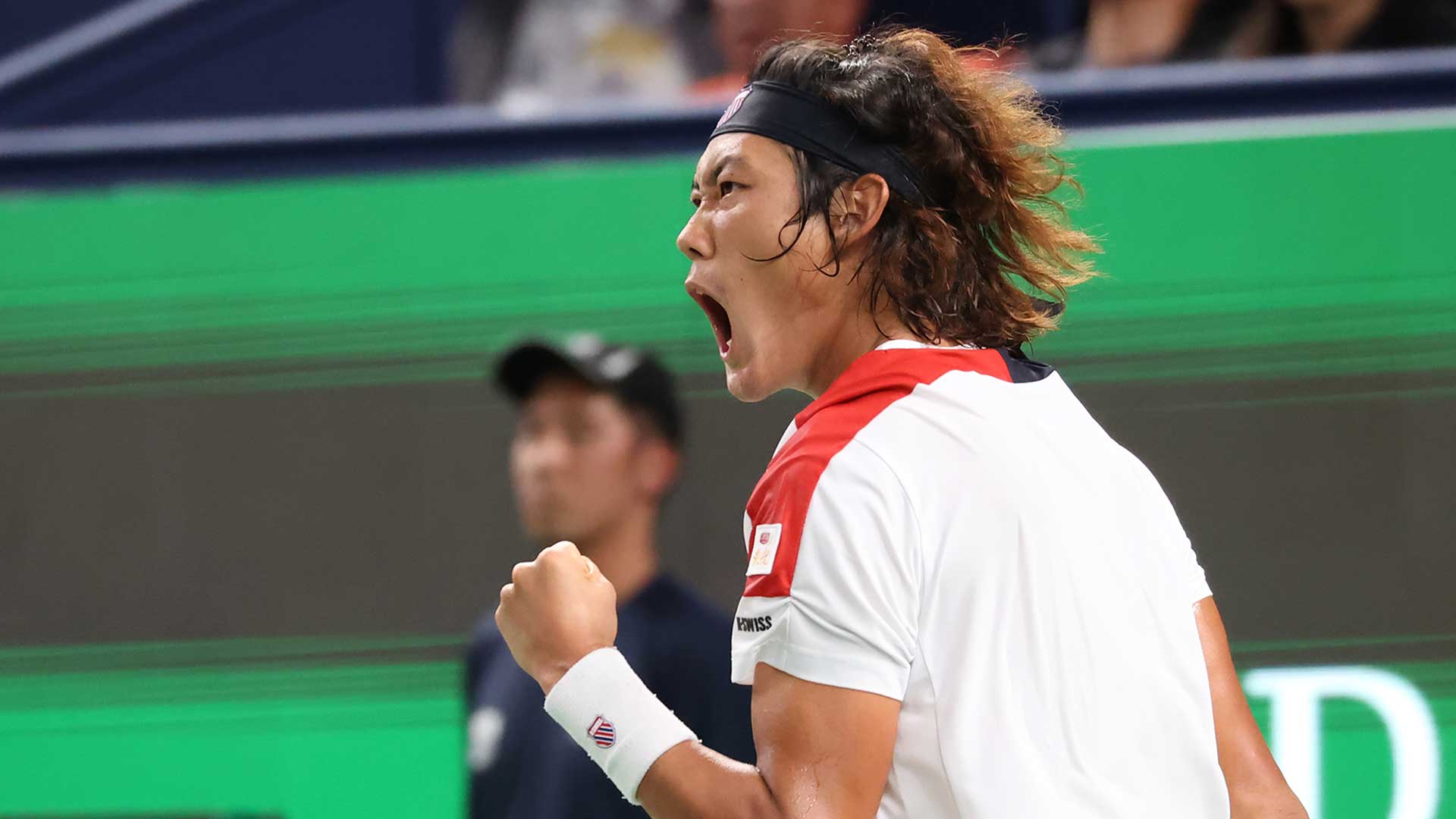
In the crisp October light of Shanghai, Zhang Zhizhen strides onto familiar hard courts, his shoulder mended after a six-month exile that tested the limits of endurance. The 28-year-old, once a beacon for Chinese tennis, carries the quiet fire of a man reclaiming lost ground at the Shanghai Masters. This venue, pulsing with hometown energy, holds layers of memory—triumphs that reshaped records and a nation’s gaze toward the sport.
Overcoming injury’s lingering shadow
The shoulder issue struck early in 2025, halting Zhang just as Asian swings demanded peak form on unforgiving surfaces. Hard courts amplified the frustration, each swing a reminder of vulnerability in his baseline arsenal. Yet rehabilitation forged deeper resolve, turning doubt into a tactical edge honed in quiet sessions away from the tour’s glare.
His return ignited in Hangzhou this month, a straight-sets dispatch of countryman Buyunchaokete that chased away the rust. That victory, under watchful eyes, rebuilt belief in patterns like the inside-out forehand that pins foes deep. Now, with the Shanghai Masters unfolding from October 1 to 12, he adapts—more underspin to vary pace, protecting the joint while unleashing controlled power against the medium-fast decks.
“If people are watching us do something and then trying to follow us, that’s great news for us,” Zhang reflected earlier this season. “Most Chinese people are watching table tennis or badminton at the Olympics, not tennis. But suddenly they’re watching live on TV. Right away, more people are knowing us and more people are trying to play, trying to learn. That’s really good.”
Reviving 2023’s breakthrough momentum
Two years ago, Shanghai became a forge for Zhang’s ascent, the crowd’s roar fueling a fourth-round surge that marked him as the first Chinese man to reach that stage at a Masters 1000. He navigated gritty openers against Richard Gasquet, outlasted Tomas Martin Etcheverry in attrition wars, then dominated Brandon Nakashima with crosscourt lasers and down-the-line precision. Only eventual champion Hubert Hurkacz ended the run, but not before etching national history.
That magic stemmed from a stellar 2023: a quarter-final breakthrough at the Madrid Masters 1000, catapulting him to No. 52 in the PIF ATP Rankings. The surge spilled to the US Open, where he stunned Casper Ruud in a rhythm-shattering upset—the first from China to topple a top-5 player. Those moments blended tactical savvy with psychological fire, his one–two combinations disrupting heavier hitters amid the tour’s grind.
Watch Zhang Defeat Nakashima To Make Shanghai History In 2023:
Building on that, 2024 saw him crack the top 50 at No. 31, claim a maiden ATP Tour final in Hangzhou, and reach another Masters 1000 quarter-final in Rome. Shanghai now beckons as a canvas to recapture that form, where local support could transform pressure into propulsion, each rally a step toward top-25 contention.
Leading China’s charge in a star-studded field
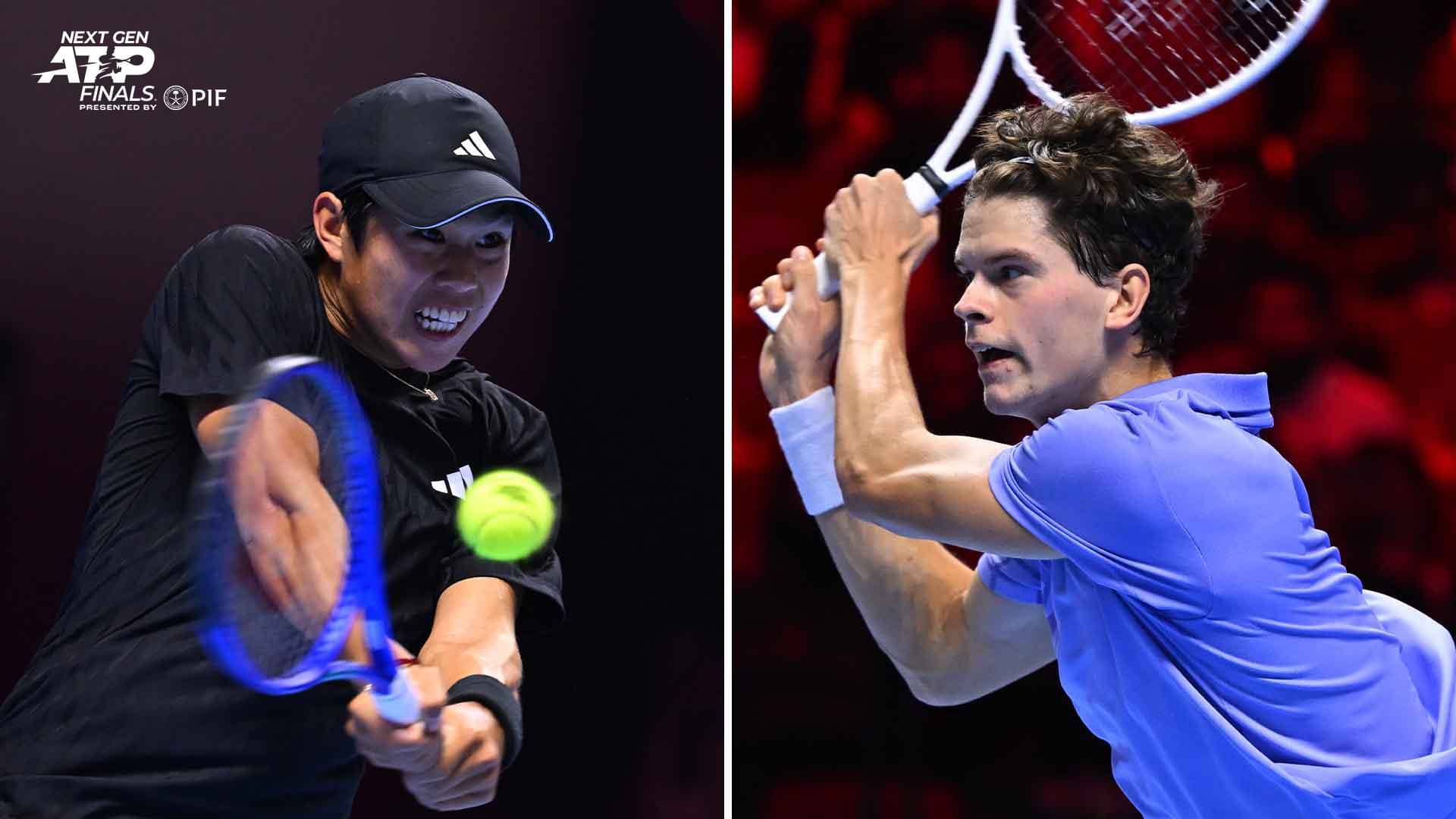
Zhang anchors a resilient Chinese contingent, joined by Shang Juncheng, Wu Yibing, and Zhou Yi in this penultimate Masters 1000. The 20-year-old lefty Shang rebuilds from a six-month foot layoff, his flat backhand skidding low after a Chengdu title and No. 47 peak last year; he pushed to the second round here in 2024. Wu, 25 and surging, carries the weight of being China’s first ATP Tour champion at the 2023 Dallas Open, his Hangzhou semi-final this month echoing a third-round home run last year.
Wu’s aggressive serve-and-volley thrives in late-season heat, turning crowd energy into edges, much like his sixth Challenger crown in June. Zhou adds steady depth, their shared narratives of injury and ambition weaving a collective resolve against the draw’s titans. Defending champion Jannik Sinner deploys flawless one–two punches, World No. 1 Carlos Alcaraz unleashes explosive inside-out variety, and Novak Djokovic masters down-the-line redirection—matchups that demand Zhang’s refined net approaches and varied depths.
“It means everything, especially at home,” Wu shared after Hangzhou. “It’s been a long couple of years. I’ve had to fight through so much physically. Winning three matches in a row here really meant a lot.”
As balls fly from October 1, Shanghai’s air thickens with possibility—these warriors, tempered by setbacks, poised to elevate their legacy. For Zhang, this homecoming pulses with more than strategy: it’s raw determination, channeling past sparks into a blaze that could illuminate Chinese tennis’s next chapter.