Chang revisits Shanghai’s tennis origins in evolving landscape

Under the glare of Qizhong’s lights, where hard courts now host Asia’s deepest draw, Michael Chang traces the path from his 1998 breakthrough to the psychological marathon of today’s Masters, inspiring a new guard amid the tour’s relentless push.
In the sprawling Qizhong Forest Sports City, the sharp crack of balls on hard courts cuts through the humid evening air, a rhythm that Michael Chang knows intimately from nearly three decades ago. The former No. 2 in the PIF ATP Rankings steps onto grounds transformed, coaching a young talent through the demands of a 96-player field that tests endurance and focus like never before. His presence bridges the raw emergence of tennis here with the polished intensity of the current ATP calendar, where every rally carries the weight of season-long pursuits.
Reliving a gritty 1998 triumph
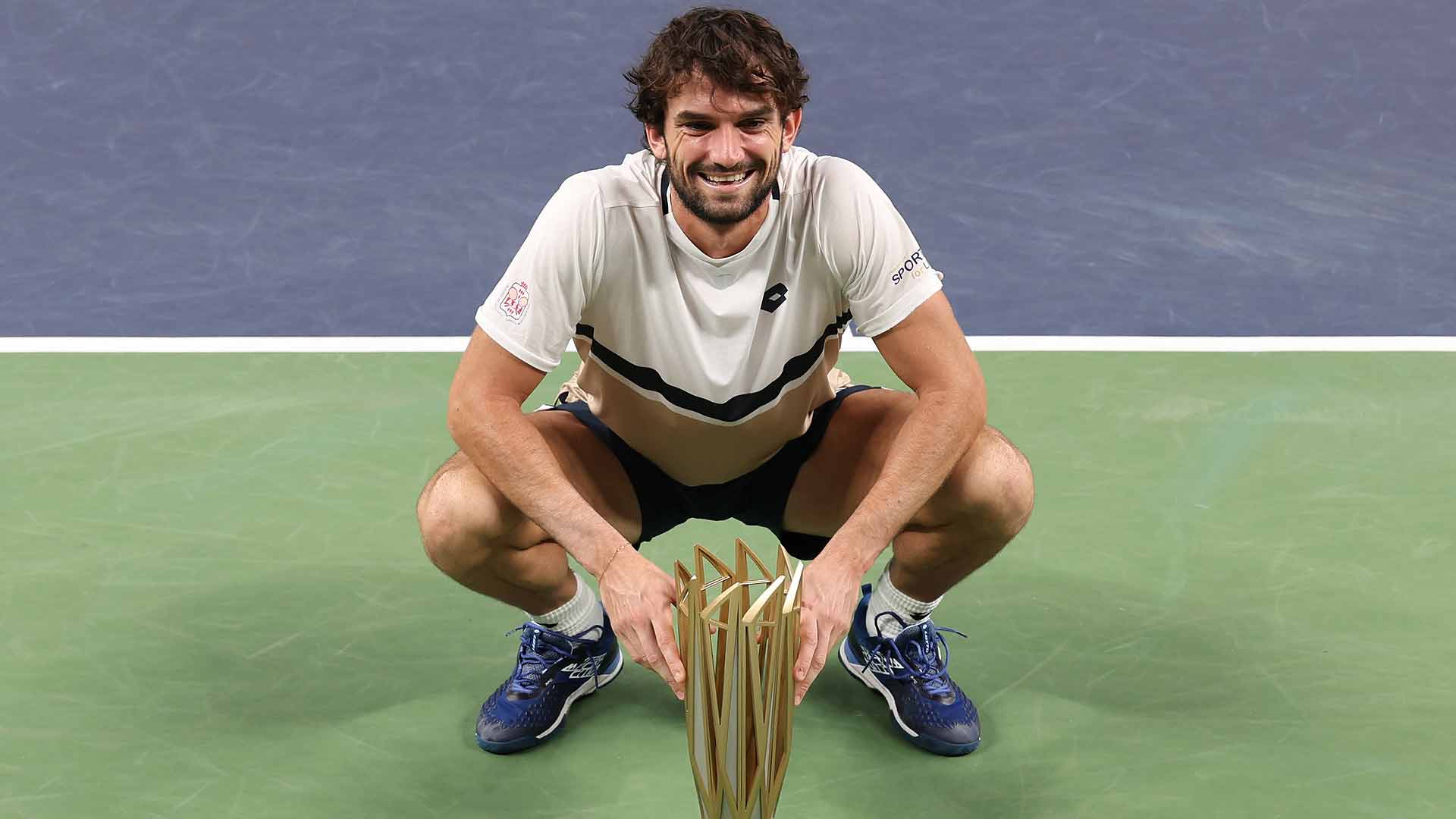
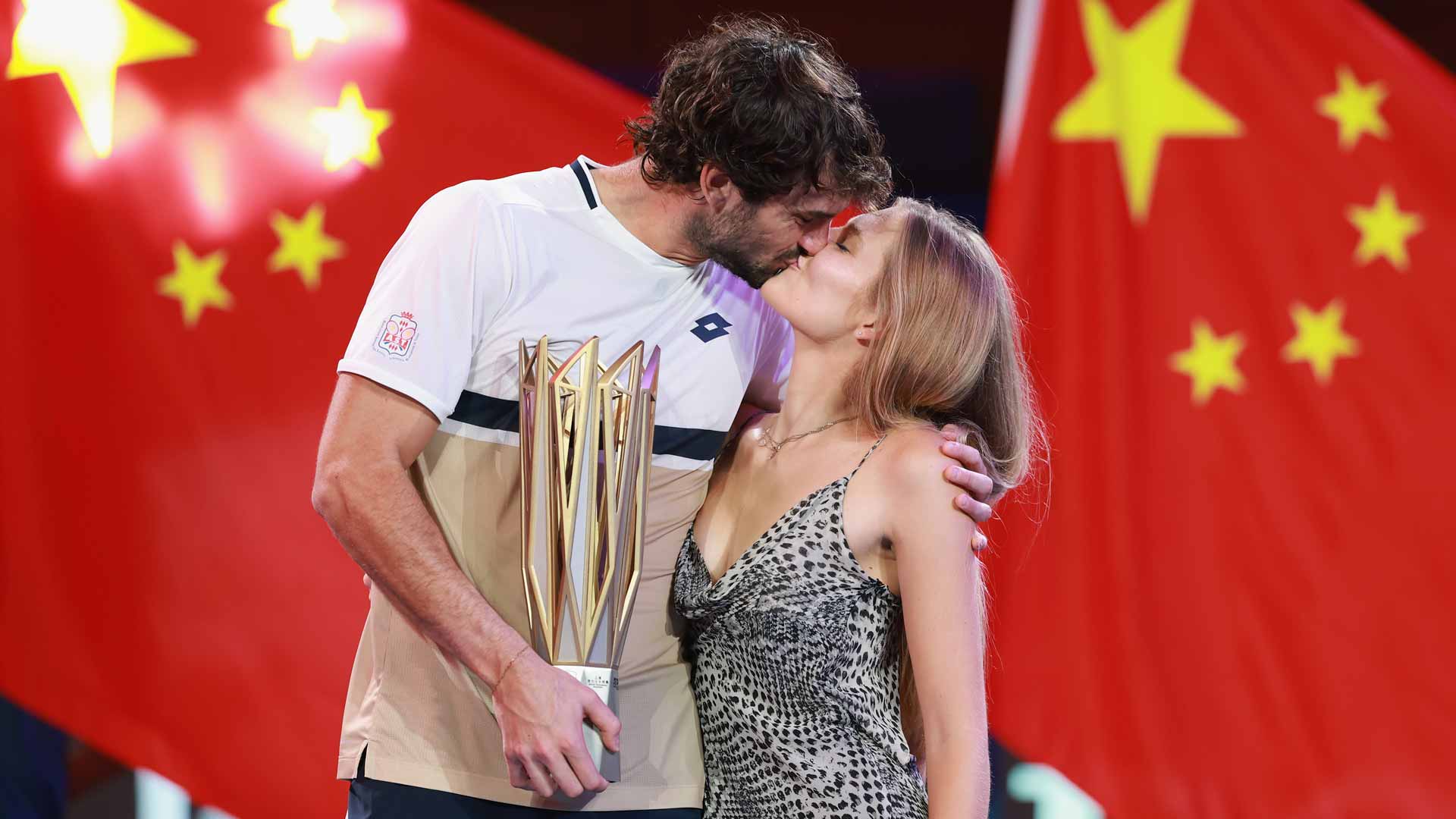
On October 11, 1998, Chang secured his second-to-last tour-level title by defeating Goran Ivanisevic in three sets, a match defined by his relentless returns against towering serves that sliced wide or boomed down the T. That victory capped his 12 ATP Tour titles in Asia, part of 34 overall wins sustained across 11 straight years, showcasing tactical depth on fast indoor hard courts that rewarded quick adjustments and crosscourt redirects. The event, just two years into its existence since debuting as an ATP 250 in 1996, drew modest crowds to rudimentary facilities, yet Chang’s baseline tenacity began planting seeds for a burgeoning scene under the Shanghai Ba-shi ownership group.
Leaders like tournament director Michael Luevano and managing director Charles Humphrey Smith, involved from the outset, nurtured that growth, turning sparse setups into a cornerstone of Asian tennis. Chang‘s win, built on one–two punch patterns that neutralized power with underspin backhands and inside-out forehands, inspired early fans and players alike, fostering a culture where strategy trumped sheer force.
“For me, it’s always special to come back to China,” Chang said. “But for me I think coming, obviously to Beijing, but here in Shanghai, to know that you were kind of here when it started.”
Exhibition traces rise from scratch
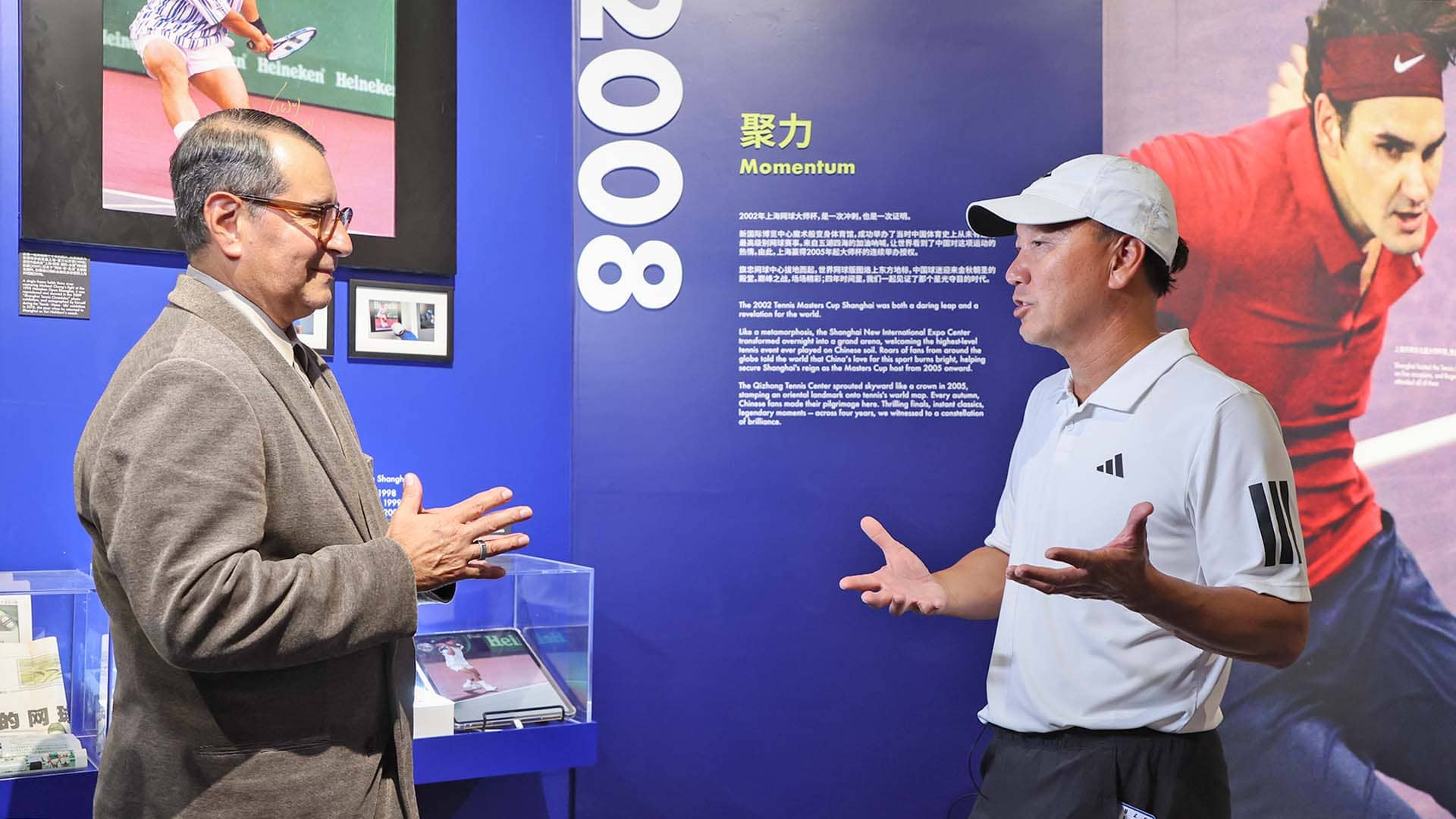
At the 2025 Shanghai Masters, Luevano led Chang through the ‘Heritage & Flag’ exhibition outside Grandstand 2, a display chronicling tennis’s ascent in the city from zero infrastructure to elite status. It maps the progression from the ATP 250 era through 2004, interrupted in 2002 for the year-end Nitto ATP Finals at the International Expo Center, to hosting those championships again in 2005-2008 and securing a Masters 1000 slot since 2009 among nine such events. Now in its third year as a 12-day tournament with a 96-player draw, it stands as Asia’s premier men’s competition, where surface speed demands versatile spins and precise down-the-line shots amid rising fatigue.
Luevano, in his 30th year directing events, highlights Chang’s role in sparking local enthusiasm. The American’s stardom, peaking at world No. 2 and No. 3, helped forge partnerships and educate crowds, igniting a wave of young players who gripped rackets in his wake. He recalls the emotional reunion, tying personal milestones to the tournament’s trajectory.
“Because we had to build, as Michael said, you had to start from scratch,” Luevano reflected. “Michael was already a huge star, and two and three in the world at that time. That’s how we built partnerships, that’s how we started to build and educate the Chinese fans and players, inspire players.”
The exhibition pulses with artifacts: photos of Chang lifting trophies, Andre Agassi sharing moments with Yao Ming, and highlights from past Nitto ATP Finals champions like Roger Federer and Novak Djokovic, the latter claiming a record four Shanghai Masters titles through topspin mastery on these medium-paced courts. Videos capture iconic exchanges, from slice defenses pulling opponents off-balance to aggressive net rushes, evoking the crowd’s shift from tentative cheers to fervent support.
Luevano further notes Chang’s lasting influence. “He’s responsible for a whole generation of Chinese children playing tennis, not this particular generation, although you’re a role model, but the generation before. When I see Mike, I’m emotional, because it’s part of my history too.”
Catalyst moments fuel modern ascent
A key exhibit recounts the 2002 Tennis Masters Cup in Pudong, where then-ATP CEO Mark Miles, during the awards ceremony, praised Shanghai’s potential for future Masters 1000 events and year-end finals, igniting government investment and visionary planning. This sparked developments like the architectural wonder of Qizhong Stadium in 2005, with its retractable roof enabling consistent play that favors high-bouncing serves and varied rally lengths. The Shanghai ATP 250 ran six editions from 1998-2004, laying tactical foundations where players adapted to evolving court conditions, blending flat drives with underspin lobs for control.
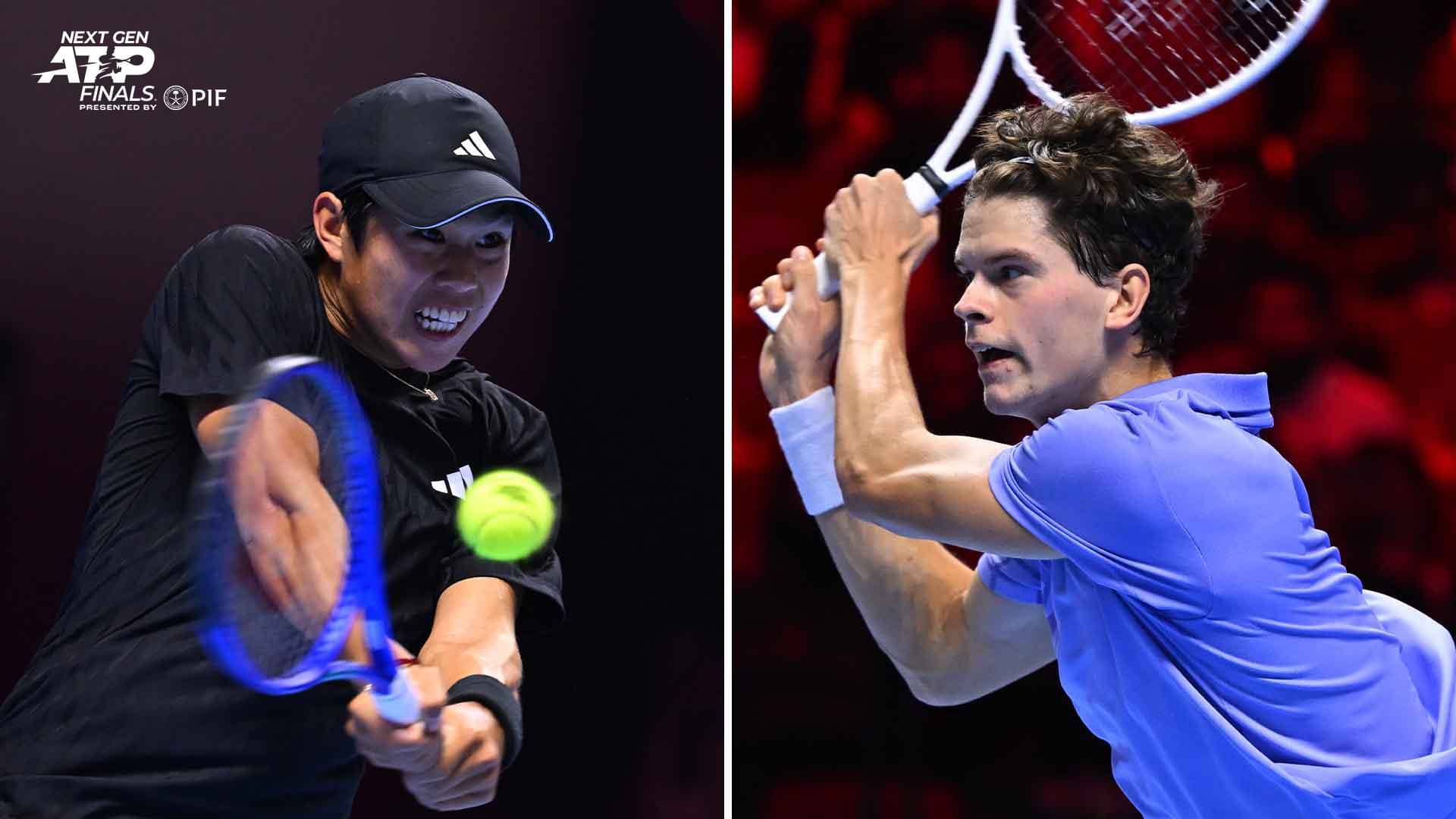
Chang, back in Shanghai coaching rising American teenager Learner Tien, shares these origins with protégés. On the flight from Beijing with Jannik Sinner, he described early events’ makeshift vibe—tentative crowds, basic recovery options—contrasting it with today’s first-class gyms, nutrition setups, and therapy resources that ease the mental strain of a compressed season.
“I had some conversations with different players about what it was like to play here in the very beginning,” Chang recounted. “I came over on the flight (from Beijing), obviously with Learner, but also with Jannik Sinner. And he was like, ‘What was it like playing the first events here’? So I’m telling him what it was like, and how far it’s come, and how spoiled they are now.”
Last year’s Standards of Excellence accolade, the top score among ATP Masters 1000 under the Player Choice Awards system evaluating over 25 criteria from logistics to player support, underscores Shanghai’s commitment to alleviating tour pressures. As Tien drills footwork and return positioning on these courts, Chang’s stories instill resilience, preparing him for rallies that demand focus amid the draw’s depth, where one tactical shift can propel a deep run toward year-end glory.