Next Gen Finals Expose Mental Edges in Jeddah

The relentless format of the Next Gen ATP Finals 2025 in Jeddah strips away buffers, forcing young talents like Learner Tien and Alexander Blockx to confront focus lapses and seize sudden opportunities amid year-end pressure.
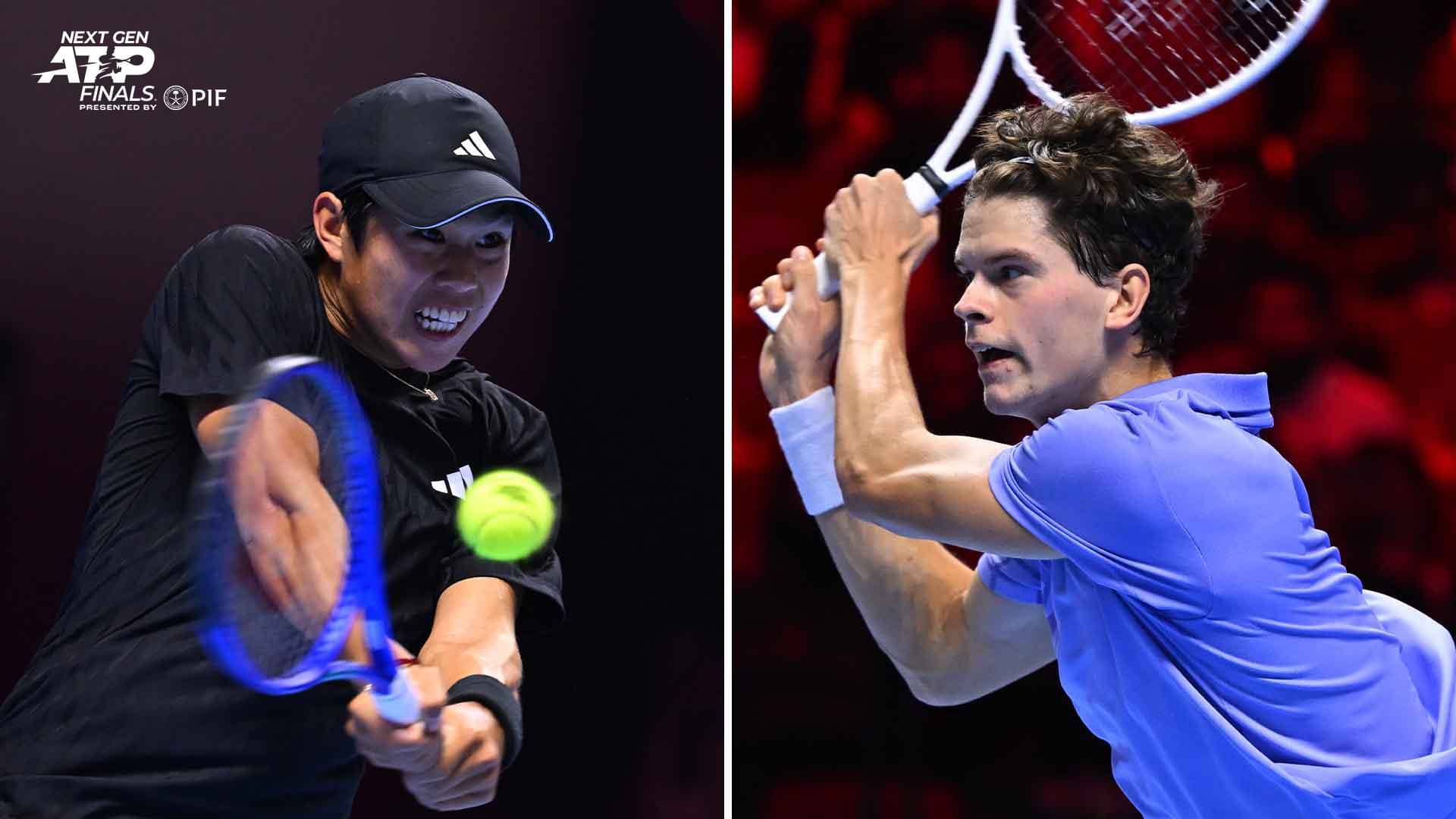
In Jeddah’s electric arena, the Next Gen ATP Finals presented by PIF hurls players into action without mercy. Sets end at four games, no-ad scoring erases margins, and sudden-death deuce turns every point into a potential turning point. This stripped-down tennis amplifies the season’s toll, where months of travel and tight matches converge on fast indoor hard courts, demanding instant adaptation from Top 200 prospects chasing semifinal spots.
Mental drifts flip momentum fast
Top seed Learner Tien tasted the format’s bite early, squandering four match points in a stinging opener against Rafael Jodar. He clawed back with a win over Martin Landaluce, but admitted the pace disrupts his rhythm, especially when leads build. On these courts, where balls skid low, a brief mental wander invites crosscourt winners that steal sets in a blink.
“I’m not sure if it’s the format and it might just be me, but I feel like this week I’ve been struggling to focus in some of these matches,” Tien told ATPTour.com after notching his first win over Martin Landaluce. “My mind just kind of goes in and out, especially when I get up in the score, and with this format, momentum can change really quick. I get up and then I take a few points off and suddenly we’re in a no-Ad point and momentum just shifts so quickly that suddenly you can lose a set off of one game.”
Tien tightened his game by leaning into deeper groundstrokes, countering the surface’s speed with heavier topspin to hold serves longer. This adjustment helped him top his group at 2-1, despite Jodar‘s upset, proving how the round-robin offers second chances but tests recovery speed under crowd roars.
Live in-arena statistics are available to players, coaches and fans. Photo: Corinne Dubreuil/ATP Tour
Sudden death favors bold servers
For Belgium’s Alexander Blockx, the no-ad twists create openings rather than traps. The 20-year-old swept his group 3-0, saving 86 per cent (19/22) of break points by staying aggressive in deuce moments. He unleashed 76 winners, mixing inside-out forehands with down-the-line backhands to dictate rallies on the quick hard courts.
“Knowing a loss of serve could be costly for a set or having more break opportunities with the sudden-death Deuce comes into my head, but this week I feel I have played those big points well,” said Blockx, who saved 86 per cent (19/22) of break points across the group stage,according to ATP Stats. “I focus more when it’s a deciding point. I don’t think too much about the pressure of those points, I just play full out and I think how I have handled the big moments has been important to why I made a good start here and qualified for the semi-finals.”
Blockx’s approach—firing 1–2 patterns with slice second serves to jam returns—thrives without traditional deuce cushions, turning potential breaks into holds amid the arena’s pulsing energy. Real-time stats flash his dominance, guiding mid-match shifts that keep opponents scrambling on defense.
Alexander Blockx won all three of his group-stage matches. Photo: Corinne Dubreuil/ATP Tour
The lack of changeovers after the first game keeps legs firing from the baseline, building heat through three straight games. This rhythm suits Blockx’s style, honed across a season of qualifiers and breakthroughs, positioning him for semifinals where every point echoes year-end rankings battles.
Early breaks build unbreakable leads
Croatia’s Dino Prizmic absorbed a harsh lesson in his opener against Nishesh Basavareddy, where a slow start let sets slip on the unforgiving surface. He rebounded against Justin Engel with a scorching first set, using crosscourt returns to grab control early and win in four. Sets to four mean falling behind invites quick deficits, forcing tactical pivots like deeper returns to neutralize big serves.
“For the first set, it is very important to have a fast start but matches are long, needing to win three sets,” Prizmic said after his four-set win over Engel. “A fast start is important and you have to adapt quickly, but if you can make a fast start you can take a lot of control quickly.”
Prizmic welcomes the no-changeover rule, as it skips the post-first-game cool-down that dulls his edge in standard matches. Three games in a row warm his strokes—topspin forehands landing heavy inside-in—mirroring the pro tour’s demand for immediate intensity against fellow Top 200 rivals.
“For me it is better not to change every first game. Sometimes I sit down in matches after one game and I am a little bit cold, and then I need to find some rhythm and get warm again,” he explained. “Here it’s good because we can play three games in a row to start and you get warm straight away.”
The round-robin adds psychological layers, where a defeat like Prizmic’s doesn’t end hopes but sharpens focus for comebacks, much like Tien’s path to group leadership. Everyone inside the Top 200 brings tour-hardened patterns, yet the format’s innovations accelerate growth through bold risks and rapid adjustments.
“It is a very tough but good experience,” Prizmic said of the format. “Every win is very important and you have to stay balanced after a group defeat as you can come back. Everyone is also inside the Top 200, so you are straight into it.”
For deeper insight into these changes, read the rules and innovations here. As semifinals approach, expect more underspin lobs disrupting aggressive baselines and one–two serves pinning foes deep, with these 20-year-olds emerging sharper for 2026’s grind.

.jpg)