Vienna’s Repurposed Arena Ignites ATP Drama

Deep in the heart of autumn’s tennis grind, Vienna’s Erste Bank Open pulses across historic halls where echoes of a cattle market now carry the weight of year-end rivalries, drawing top players into a dual-venue battle that sharpens edges for the final push.
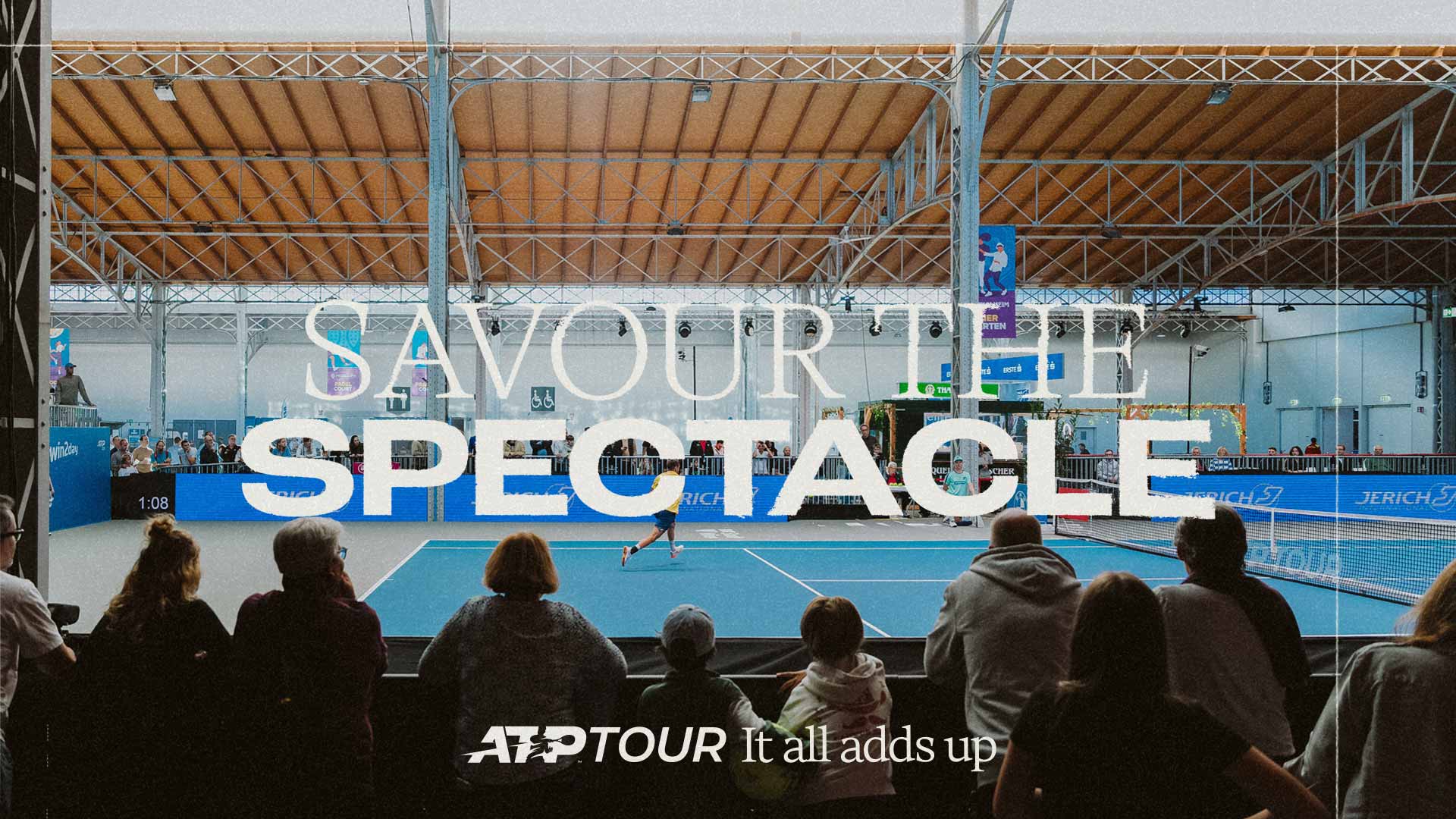
In Vienna‘s layered urban tapestry, the Erste Bank Open has unearthed a slice of the city’s industrial soul to fuel its ATP 500 momentum. Over the past 10 days, this indoor hard-court spectacle has unfolded across two sites, with the grand Wiener Stadthalle anchoring the main stage and the newly activated Marx-Halle—once Vienna’s central cattle market for 120 years—breathing fresh life into qualifying rounds, main-draw singles and doubles, and rigorous practice sessions. The air hums with the snap of strings and the low murmur of focused crowds, as players navigate the swift surfaces that demand unflinching precision amid the season’s accumulating fatigue.
Marx-Halle transforms historic space
The shift to Marx-Halle replaces the temporary Heumarkt setup from the previous four editions, offering two match courts, one practice court, and capacity for up to 25,000 fans under consistent indoor conditions that mirror the Stadthalle’s pace. Tournament director Herwig Straka saw this repurposed venue as a natural evolution, blending ample space with opportunities for family activities and affordable ground tickets that pull spectators into the fray. This setup not only streamlines logistics but elevates the event’s scope, enabling professional-level wheelchair competitions and hinting at future expansions.
Straka emphasizes the venue’s practical upgrades, noting how the extra courts and stable environment outshine the old site’s limitations. Players have flooded the space for drills, their footwork echoing off the high ceilings as they adapt to the hard court’s low bounce and quick transitions.
“[The clearest improvement] is the number of courts,” said Straka. “The option to run a wheelchair event now at a professional level. Maybe additional events in the future we could add. It is space, and real indoor playing conditions. That is the main difference and improvement [from the Heumarkt].”
Players hone edges in intimate confines
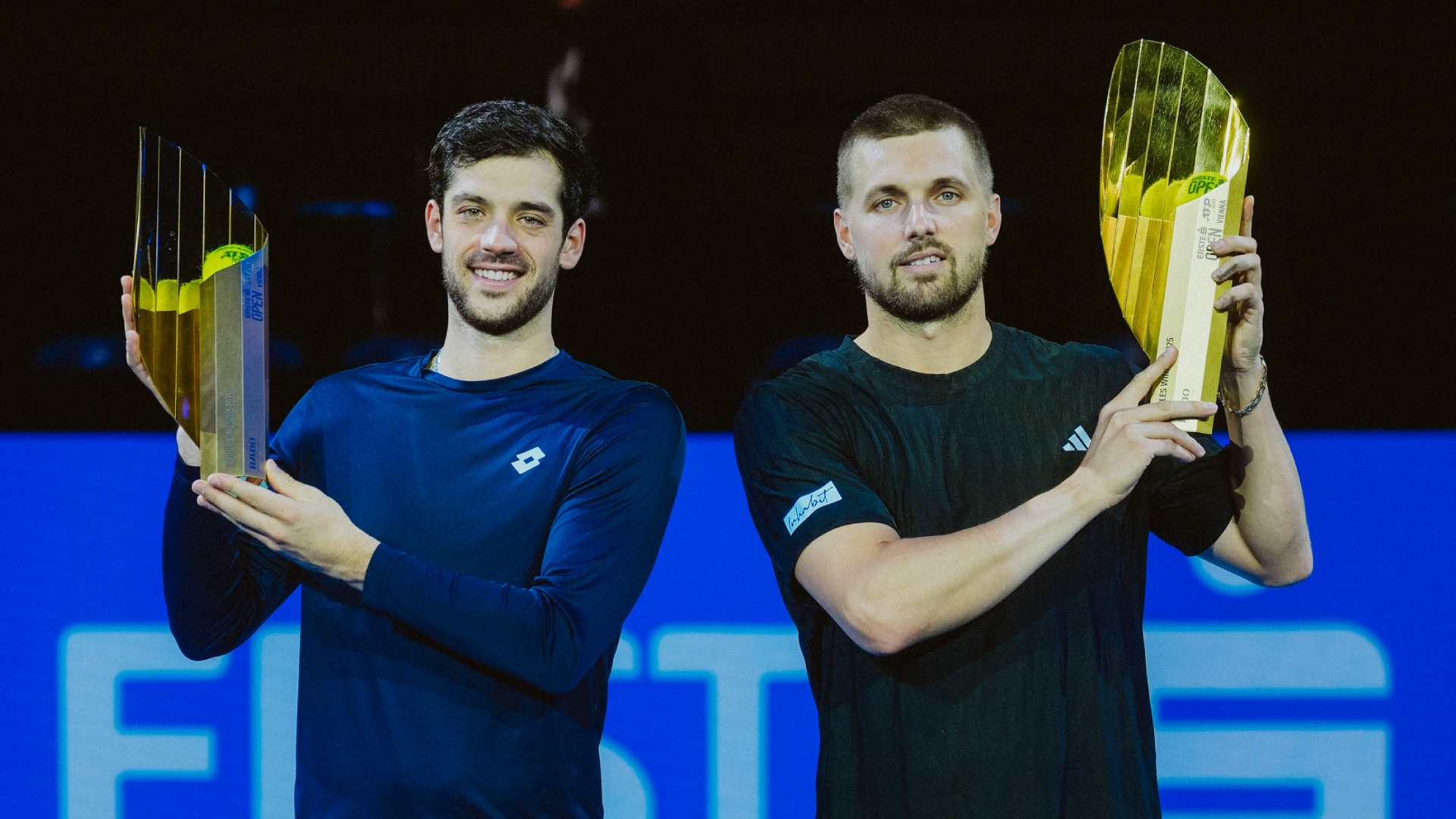
The No. 16 in the PIF ATP Rankings Alexander Bublik, along with Top 40 standouts Francisco Cerundolo, Flavio Cobolli, Tomas Machac, Alex Michelsen, and Corentin Moutet, have waged intense singles battles here, their rallies testing endurance on the unforgiving surface. Bublik’s erratic slices skid low, forcing hurried crosscourt retrieves, while Cerundolo counters with deep inside-out forehands that pin opponents back. These matches, laced with the psychological strain of late-season points, reveal how the venue’s uniformity lets competitors zero in on tactical nuances without external distractions.
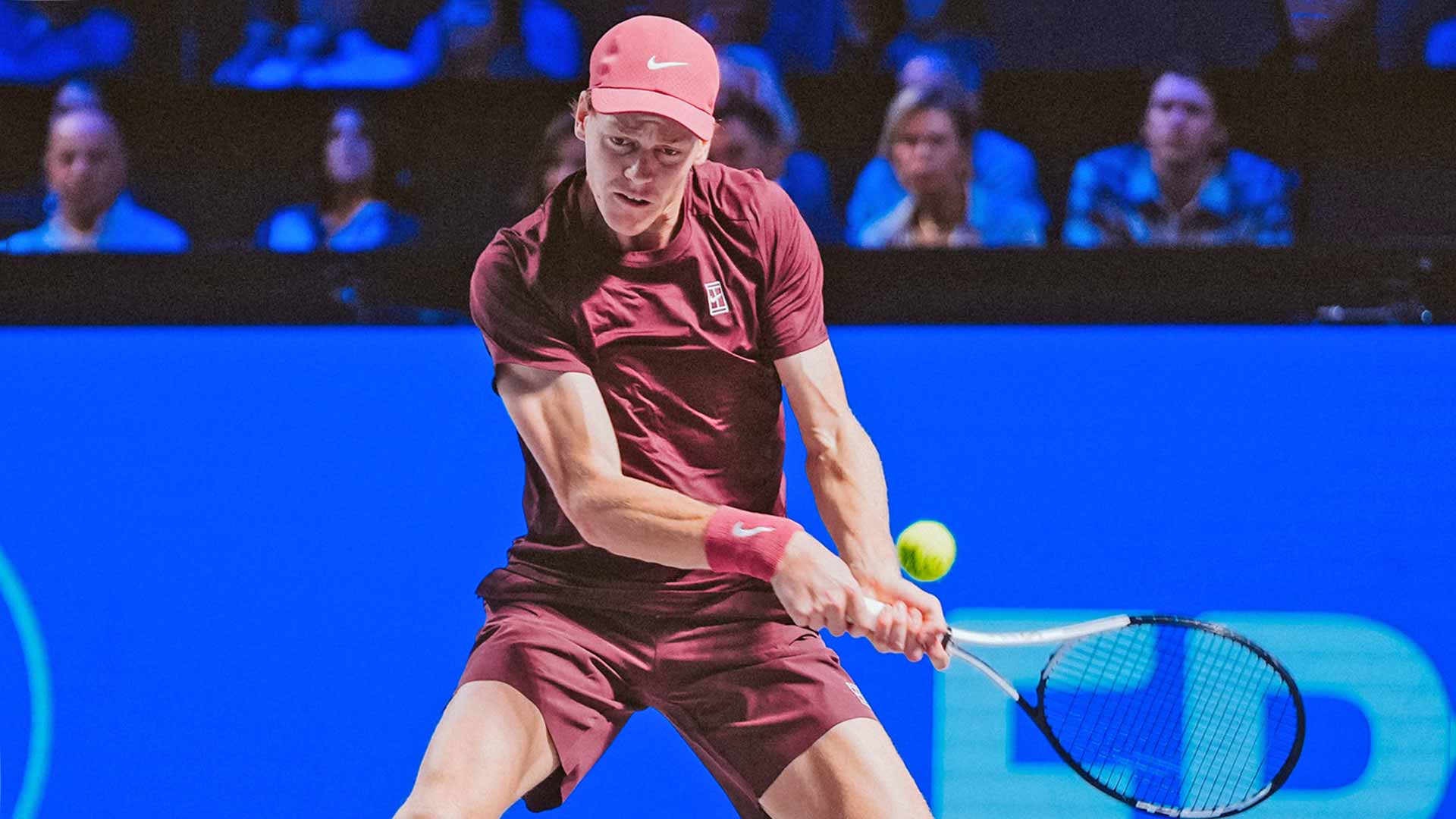
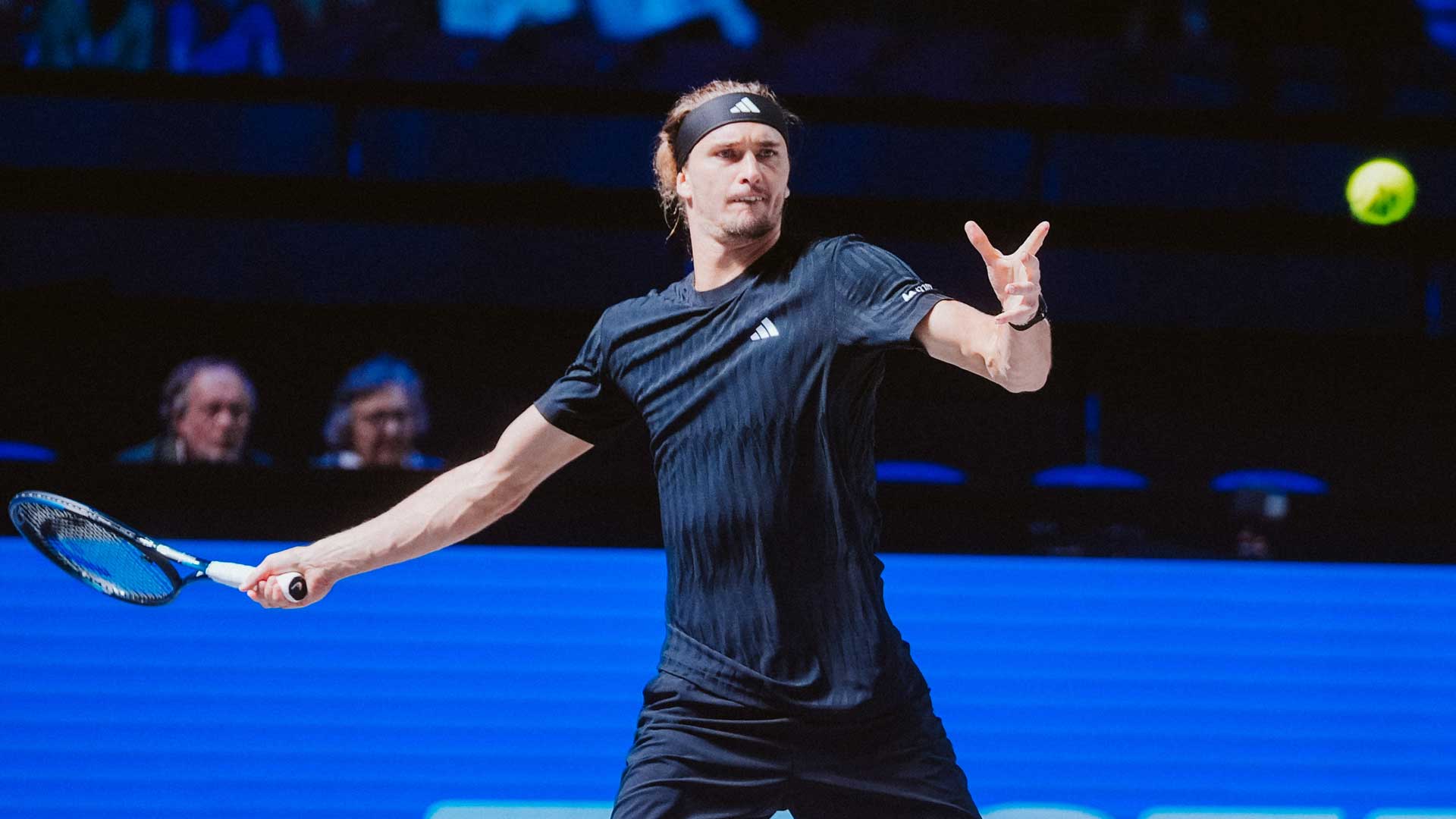
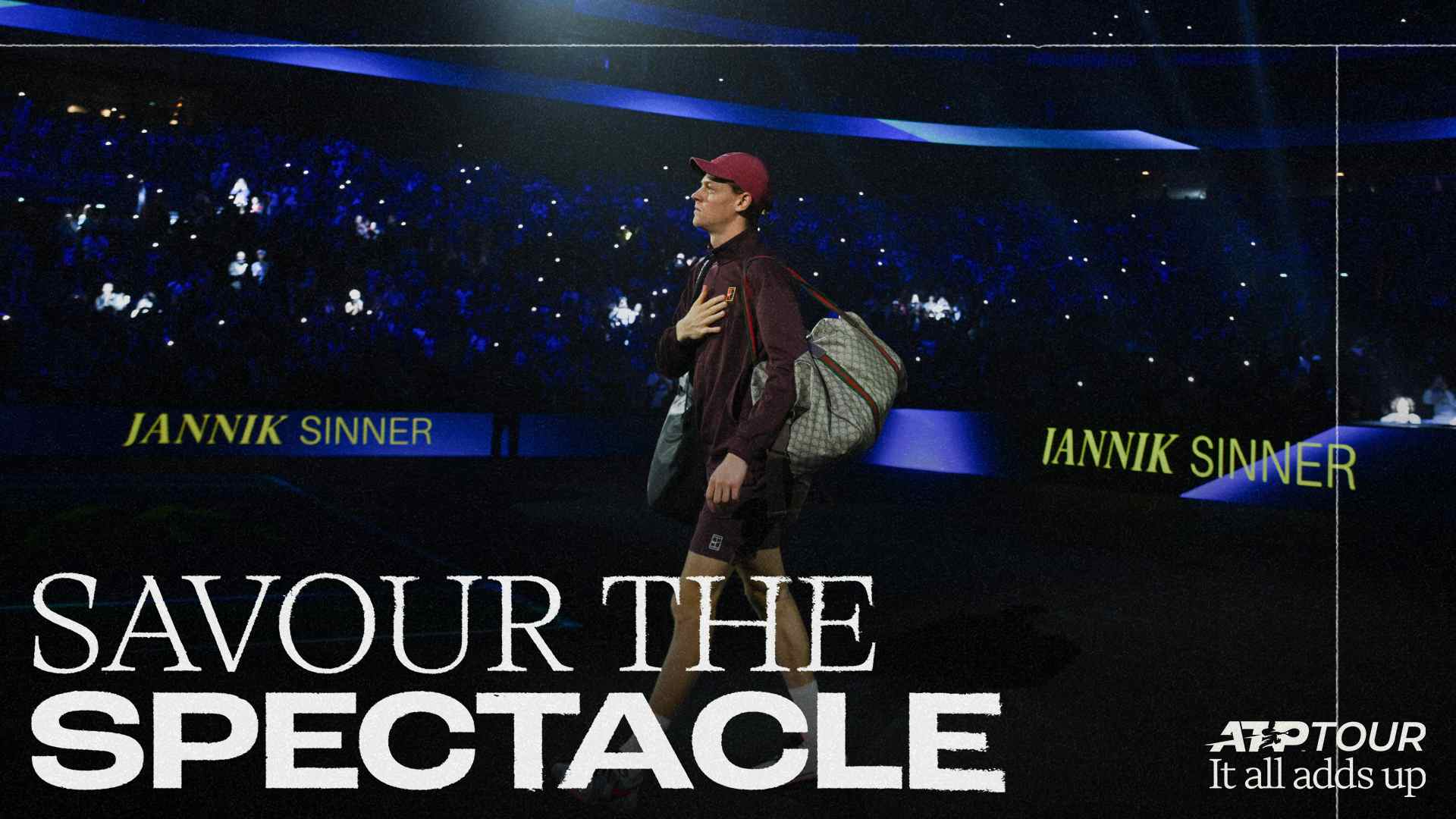
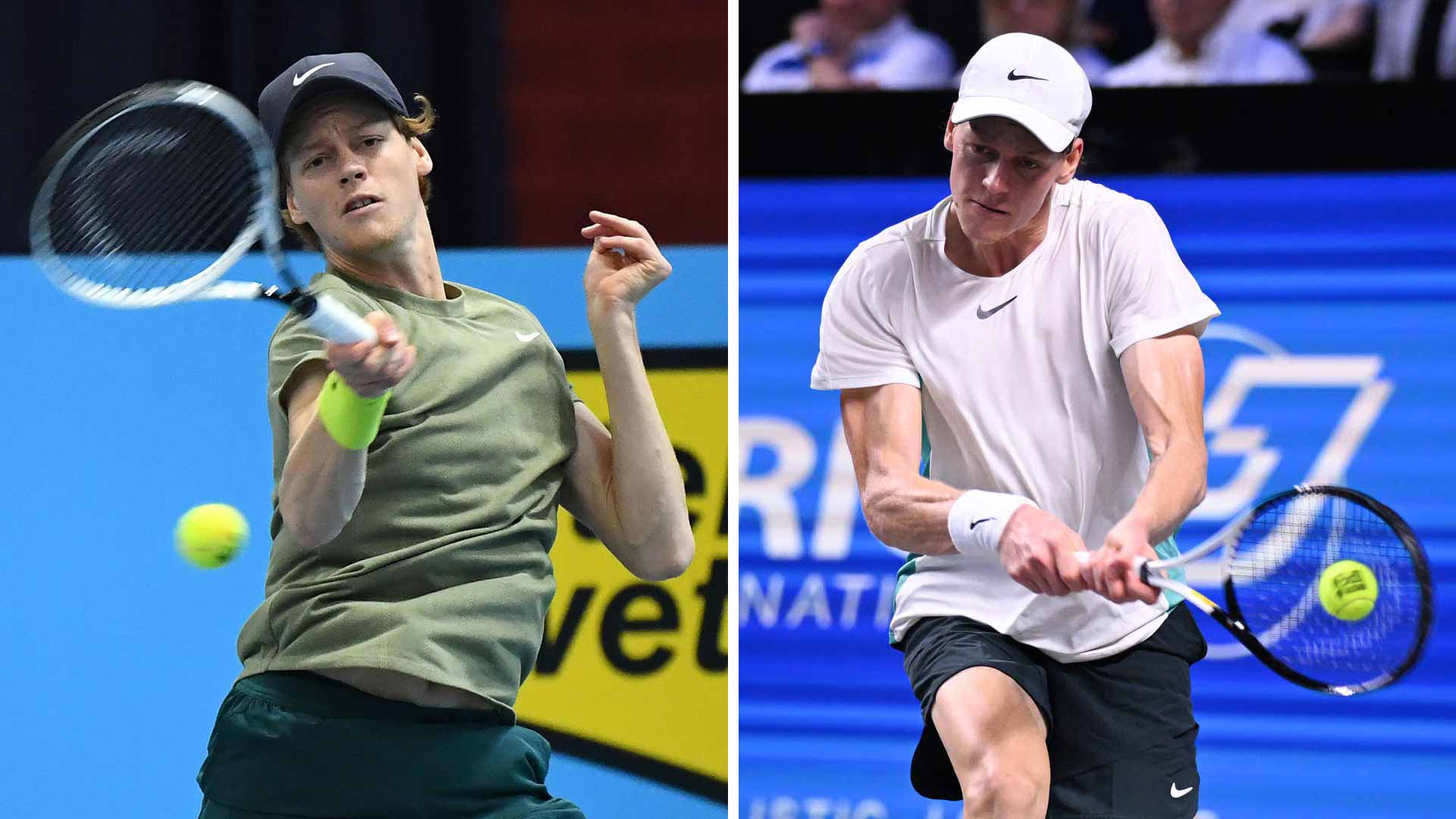
As the primary practice hub, Marx-Halle draws the full field, where top seed Jannik Sinner refines his flat groundstrokes and one–two combinations, each rep building the mental armor for upcoming clashes. Alexander Zverev joins in, volleying down-the-line after booming serves, the close quarters amplifying every adjustment as the championship match looms on Sunday. Straka reveals that this parity has earned universal praise, creating a seamless flow that eases the grind.
“We wanted to improve the quality for the players [with our new venue],” Straka explained. “It feels one to one exactly like it does in the Stadthalle. We’ve had brilliant feedback. All the players, Jannik, Sascha, have practised there. It’s that kind of feeling we wanted to create, and we were successful.”
The intimacy extends to fans, who press close to absorb the raw tempo—Sinner’s rhythmic breaths syncing with his inside-in winners, Zverev’s grunts punctuating volleys—turning observation into a shared pulse that heightens the competitors’ focus. This proximity, Straka adds, lets spectators feel the game’s energy in ways a distant center court cannot, fostering a vibrant loop of inspiration.
Fans and players share rising tension
Ground-pass access invites tennis enthusiasts to linger courtside, witnessing Cobolli’s crisp backhand returns and Machac’s underspin lobs that buy precious seconds amid heated exchanges. Michelsen and Moutet thrive in the buzz, their Top 40 pursuits fueled by the venue’s reliable bounce, where drop shots land soft and serves explode off the lines. The collective hum builds a cocoon of intensity, mirroring the emotional arcs of a campaign shifting from outdoor clay to these enclosed hard-court demands.
Straka traces the concept back to earlier citywide initiatives, proud of how Marx-Halle propels the tournament forward. This dual-venue rhythm not only caters to players’ needs but immerses fans in the preparation’s grit, from quickened pulses after errant shots to the crowd’s ripple after a perfectly timed crosscourt pass.
“The fans can get very close to top players and inhale and feel much more than you could do at a main centre court,” he noted. “The energy of the players and their game, even in practice. There are a lot of tennis fans there who play themselves actively, so for them watching Jannik practise, for example, is a big experience.”
As Sunday’s blockbuster unfolds at the Stadthalle, with Sinner and Zverev trading firepower in a duel that could reshape year-end narratives, the Marx-Halle’s imprint lingers in their sharpened games—a historic echo chamber where today’s drills forge tomorrow’s triumphs, ensuring Vienna’s role as a late-season forge endures.