Paris Masters thrives in expansive new home

As the ATP Tour races toward its finale, La Défense Arena elevates the Paris Masters into a cauldron of late-season intensity, where players harness crowd surges and tactical tweaks to chase Nitto ATP Finals glory amid echoing roars.
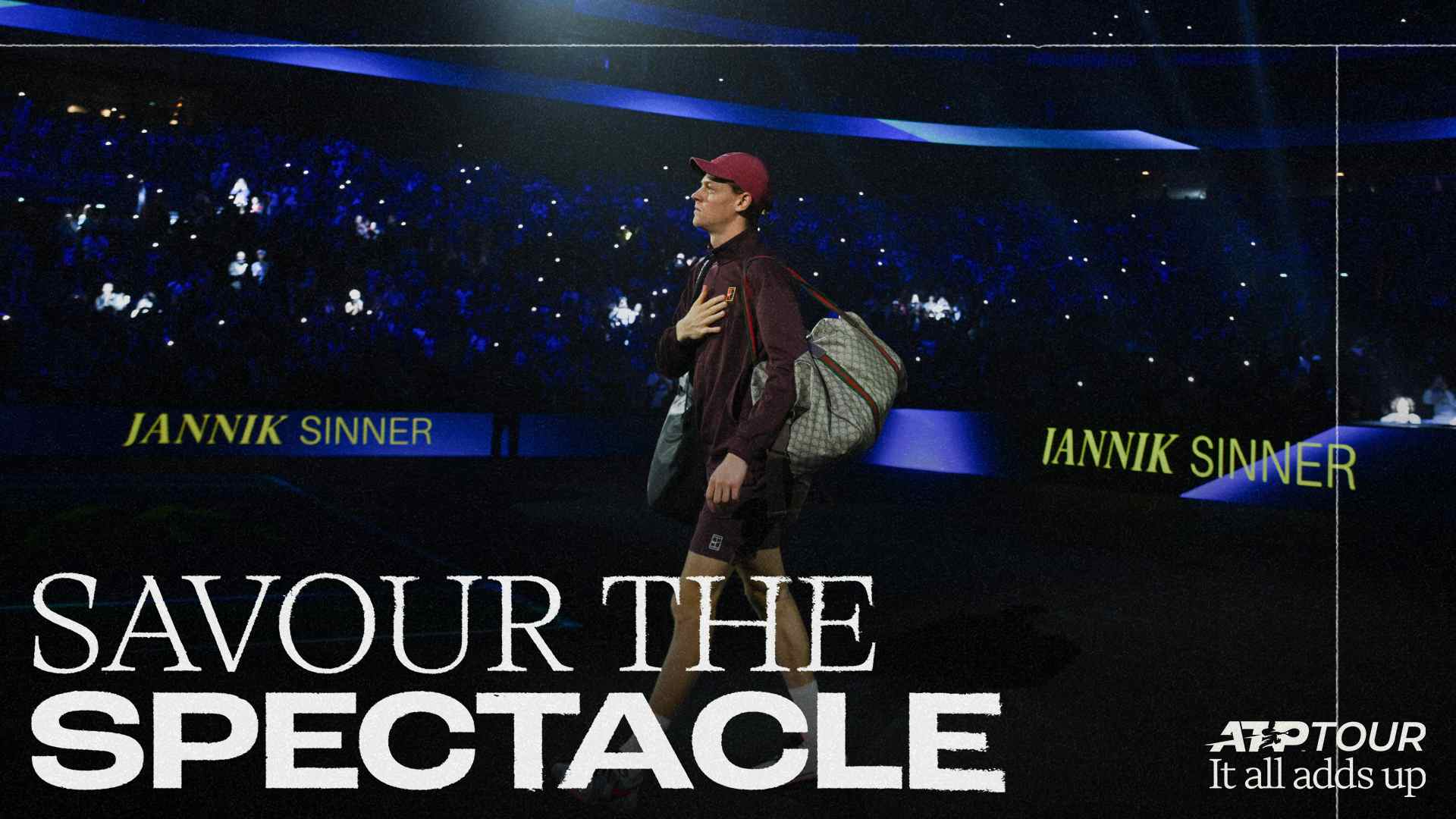
For nearly four decades, the Paris Masters has served as the ATP Tour‘s late-season ignition point, where champions summon final bursts of brilliance under throbbing lights and reverberating cheers. In its 40th edition, the event relocates to La Défense Arena, Europe’s largest indoor sports venue, infusing the indoor hardcourt drama with unprecedented scale and immersion. Players arrive burdened by a season’s toll—rankings precarious, bodies weary—yet the arena’s vastness transforms fatigue into focused fire, amplifying every crosscourt exchange and down-the-line winner.
Venue sharpens mental and tactical edges
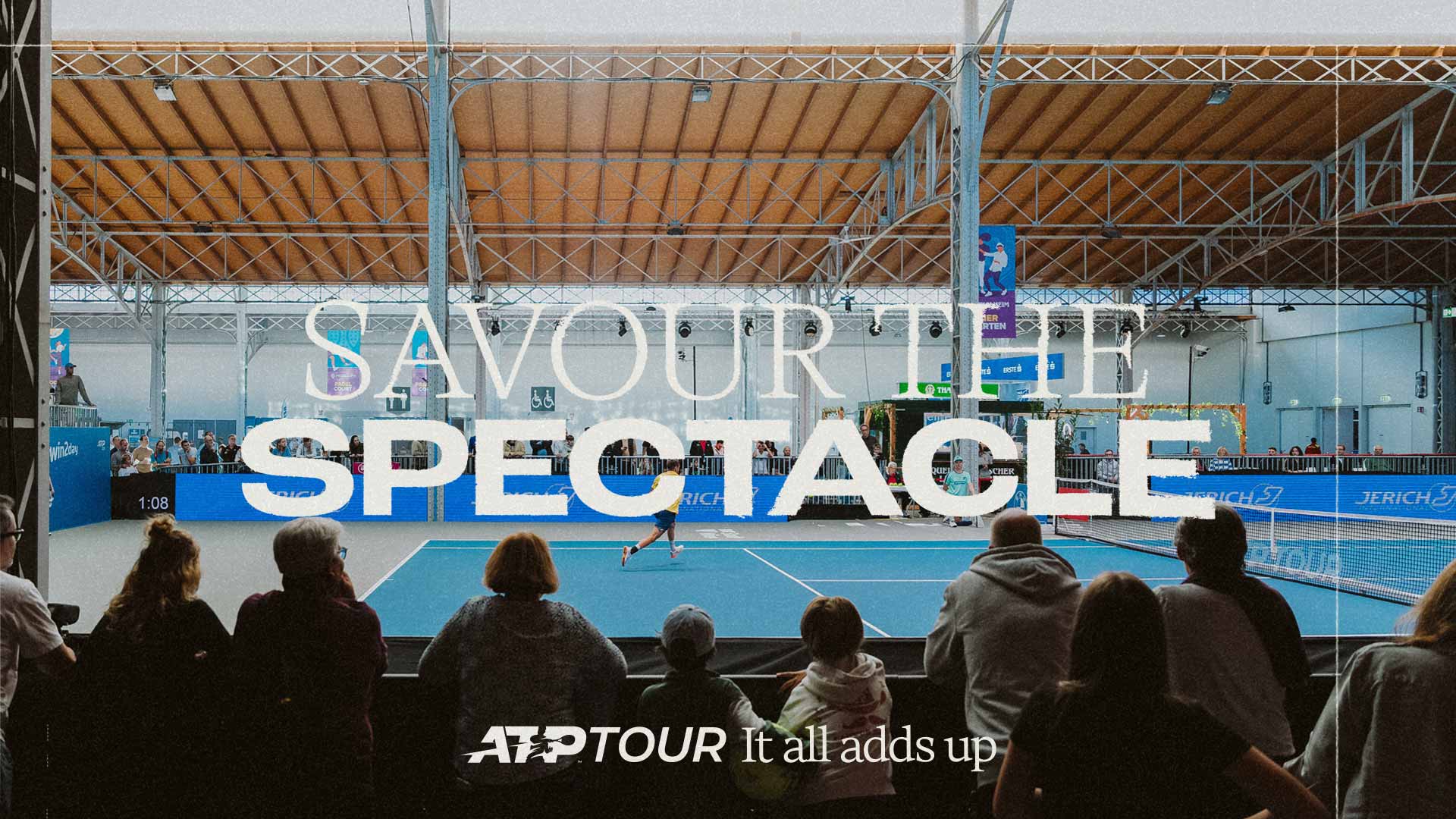
The shift from Bercy’s tight confines to this 17,500-seat coliseum—the second-largest year-round tennis venue worldwide, behind only Arthur Ashe Stadium at the US Open—redefines the indoor battlefield. Blackout curtains covering 9,000 square meters create a sleek amphitheater, enclosing three additional match courts, a practice area, and recovery zones that allow competitors to dial in their rhythms against the surface’s quick skid. This setup demands adaptive footwork, where aggressive inside-out forehands exploit even bounces, while underspin slices buy precious recovery time during extended rallies.
Felix Auger-Aliassime, ranked No. 10 in the PIF ATP Rankings, embodies the excitement after sampling the facilities. “It’s stunning. If you like tennis, this is the place to be right now,” he said. “You can see all the players with so many matches, which is great. Honestly, the attention to detail is second to none. Even the seats for the players, everything is stitched on. It’s beautiful.”
“It’s stunning. If you like tennis, this is the place to be right now,” said Felix Auger-Aliassime, the No. 10 player in the PIF ATP Rankings. “You can see all the players with so many matches, which is great. Honestly, the attention to detail is second to none. Even the seats for the players, everything is stitched on. It’s beautiful.”
Cedric Pioline, the tournament director, sees the move as timely reinvention, steering the event toward the vibrant pulse of Roland Garros. He explains that the new layout fosters noise and life, mirroring the French Open‘s electric vibe while expanding the Masters 1000’s footprint. For players grinding through one–two serve patterns into net approaches, this evolution offers a psychological reset, distancing minds from earlier defeats and channeling energy into precise, pressure-forged shots.
Crowd energy ignites home advantages
The Parisian audience—impatient, theatrical, point-obsessed—now amplifies through the arena’s acoustics, turning every ‘Allez’ into a cascading wave that rattles serves and bolsters baselines. Last year, Alexander Zverev navigated this fervor to claim the title, silencing home favorites with crosscourt passing shots that cut through the din. He thrives on the atmosphere, regardless of its direction: “I just enjoy playing in front of an atmosphere. Whether it’s for me—of course it’s always nicer when the fans are cheering for you—but I also enjoy it when the fans are cheering against you, because there is still energy there, there is still noise.”
The Tribune Bleu, a fervent group of French supporters, adds drums and vuvuzelas to the mix, flooding stands with color and volume impossible in Bercy’s narrower setup. Charles Tonnelier, a fan from Paris’s 12th arrondissement, captures the spark: “For the first edition at La Défense Arena, the atmosphere is electric and the ‘Tribune Bleu’ sets the courts alight.” This surge proved vital for Ugo Humbert last season, as he drew on the roar to upset Carlos Alcaraz, looping high kick serves and inside-in forehands to reach his first ATP Masters 1000 final.
Pioline highlights how such backing elevates the tournament’s value, fueling French players’ resolve in these closing weeks. The old Accor Arena in Bercy brimmed with history—Novak Djokovic‘s record seven titles, Jo-Wilfried Tsonga‘s 2008 breakthrough, the thumping bass marking match phases—but its intimacy yielded to La Défense’s broader stage, where crowd waves influence rally tempos and force tactical pivots like deeper returns against the fast indoor hard courts.
Late-season stakes demand bold adaptation
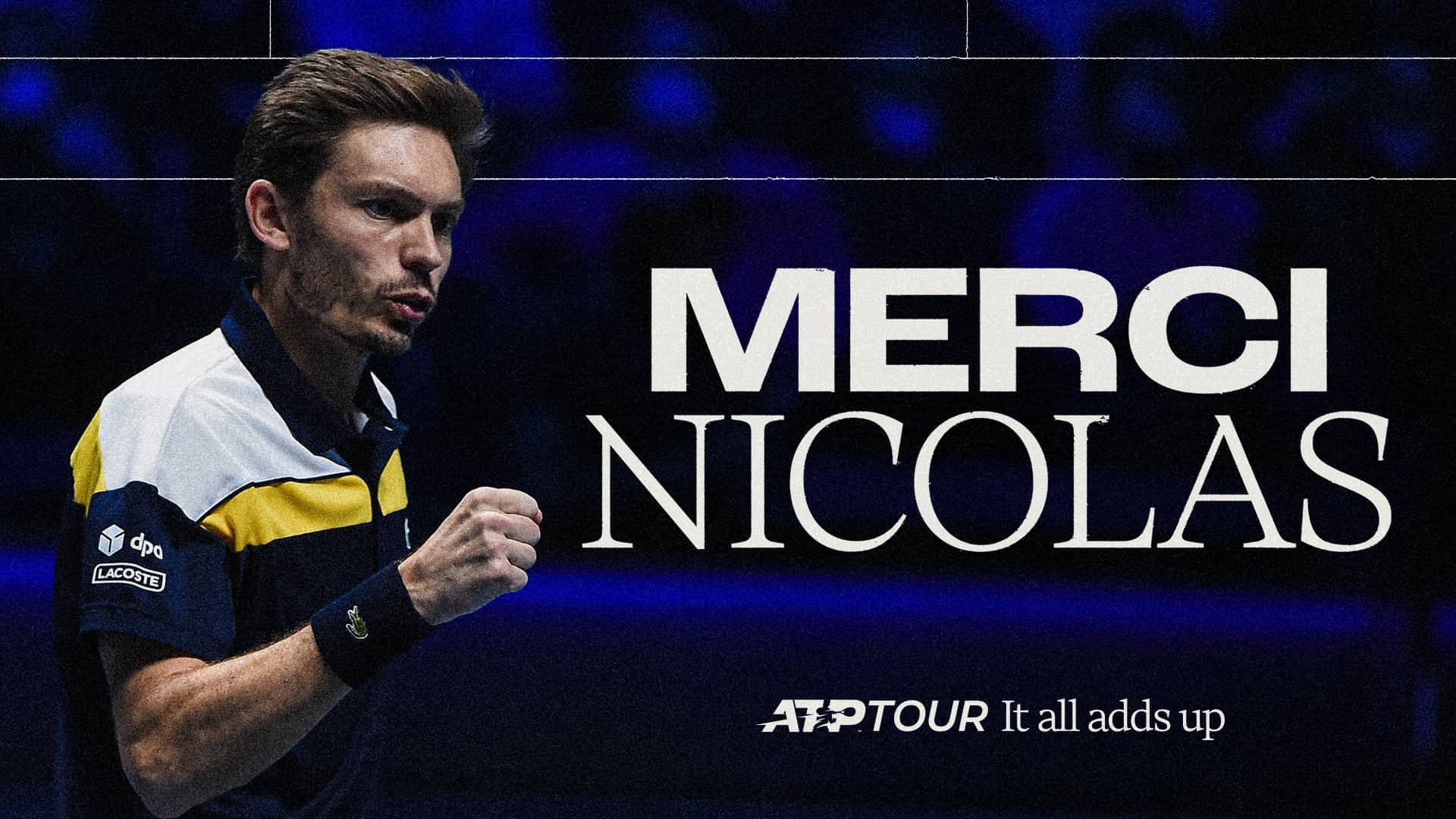
As qualification for the Nitto ATP Finals looms, the Paris Masters crystallizes the tour’s endgame tension, blending sweat-drenched tactics with glamour and grit. Nicolas Mahut bid farewell to his career here, his doubles prowess—featuring poached volleys off one–two patterns—showcasing adaptation under these lights. Players now contend with the arena’s subtle drafts nudging shots, prompting varied serves from wide slices to down-the-line aces that swing momentum in tiebreakers.
Zverev’s embrace of big-stadium dreams underscores the venue’s pull, where adversarial noise hones mental armor against seasonal wear. French talents gain a crucial lift, transforming exhaustion into propelled determination, each winner a step toward redemption. In this reborn space, the chaos deepens, strategies evolve, and Paris’s sporting soul propels competitors toward the tour’s crowning battles with renewed ferocity.