Shnaider Rewrites Script With Sabalenka Comeback

From a set and double break down on a windy Court Philippe-Chatrier, the left-hander flipped her approach and seized control to reach her first major semifinal.
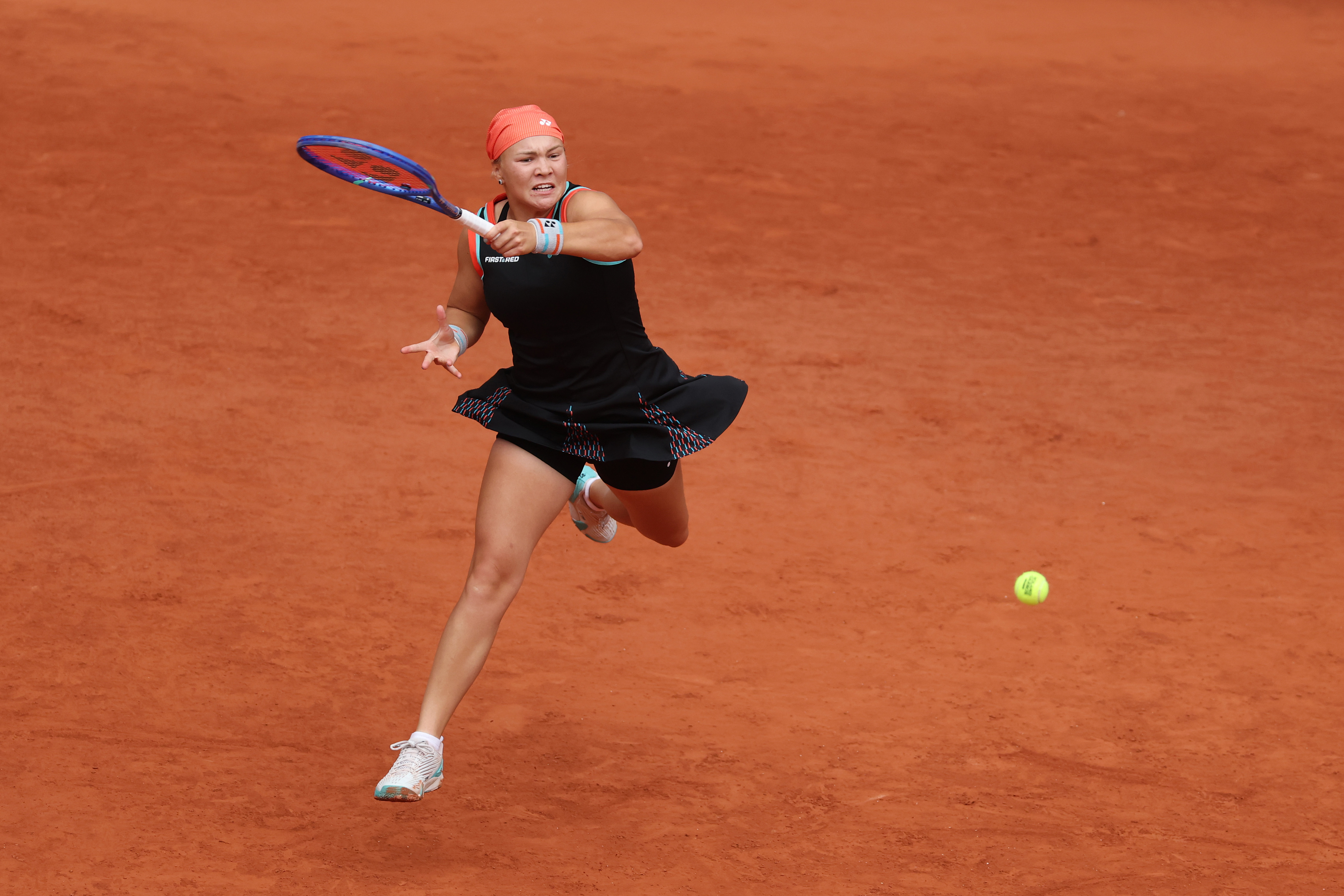
Diana Shnaider arrived at her first Grand Slam quarterfinal with a 13-11 record and limited deep runs yet produced the tactical reset required to overcome Aryna Sabalenka 3-6 7-5 6-0 at Roland Garros.
Early pressure forces tactical reset
Shnaider entered Paris knowing another early exit would extend the narrative of unfulfilled promise. The 25 seed absorbed the early deficit by refusing to dwell on the scoreboard. Point-by-point focus replaced any urge to force outcomes against the powerful right-hander.
The wind added another layer of unpredictability that tested every shot choice. Sabalenka opened with crisp backhand winners and soft forehand angles yet the same clay that aided her early breaks began to expose her when she tried to flatten out shots into the wind. Shnaider had shown flashes in earlier events yet carried forward the sting of tight losses such as the triple-tiebreak defeat to Madison Keys in Brisbane.
Tough conditions with the wind, first time playing Aryna, super nervous. Quarterfinals for the first time, definitely a lot of nerves. I feel like first there was trying to adjust to her game and then to the conditions, to the wind.
She later recalled standing on the opposite side from the coaches’ boxes at 5-3 in the second set and deciding variety and extra spin had failed. The adjustment came in the form of stepping into second serves and committing to aggression rather than retrieval. That single tactical pivot reversed the momentum and produced the run of 12 of the next 13 games.
Mindset shift powers comeback surge
Once the second set was secured 7-5 Shnaider carried the same forward intent into the decider. She mixed defensive lobs with sharp inside-out forehands while Sabalenka’s error count climbed past 50 for the match. The 6-0 scoreline marked the second consecutive third-set bagel for the Russian and the fourth such result against a world number one in Grand Slam history since the WTA rankings began.
4 - Diana Shnaider is the fourth player since the WTA Rankings were published in 1975 to claim a GS third-set 6-0 against the World No. 1 after Steffi Graf (RG 1995), Serena Williams (AO 2005) and Maria Sharapova (US Open 2006). Thunder.#RolandGarros | @rolandgarros @WTA
— OptaAce (@OptaAce) June 3, 2026
Shnaider’s 25 winners in the final set underscored how cleanly she struck once the psychological burden lifted. She had absorbed the knowledge that Sabalenka herself had struggled in similar wind during the previous year’s final. Reminding herself the conditions affected both players equally removed any sense of unfairness and sharpened her adjustments from each side of the court.
The 22-year-old also drew on the memory of her lone previous meeting with qualifier Maja Chwalinska in a 2022 Istanbul ITF event. That 6-4 6-4 victory on clay provided a small tactical reference point ahead of their semifinal yet she stressed the need for another full reset given the different surface speed and stakes at Roland Garros. Sabalenka reached her 14th major semifinal the most for anyone born after 1987 yet converted only four of those appearances into titles.
The loss marked her third defeat from a set ahead against a player outside the top 10 on clay this season each time after leading by a break or more. Shnaider slammed a forehand winner down the line to break back for 5-5 and another en route to holding for 6-5. She conjured a brilliant pass followed by a pinpoint reflex lob en route to breaking for the set converting her first set point by rifling a return at Sabalenka’s feet.
Generational semifinal awaits lefty duel
Entering the tournament with only one semifinal appearance in Adelaide Shnaider had few markers suggesting she could reach this stage. The Paris run therefore reframes the earlier inconsistencies as necessary calibration rather than regression. Her second top-10 victory in 16 attempts arrives with the added distinction of becoming the second-youngest active player with a major semifinal.
The all-21st-century semifinal lineup further situates the result inside a broader generational shift. Players born in 2007 2004 2002 and 2001 now occupy every remaining spot the first such occurrence at any major in 15 years. Shnaider acknowledged the opportunity ahead while noting both she and Chwalinska would leave everything on court in their first major final appearance.
Her closing press-conference remarks captured the layered challenge of the day adjusting to an opponent’s power reading the wind and sustaining aggression after early setbacks. The result leaves her one match from a debut Grand Slam final and resets expectations for the remainder of a season that began under quiet pressure. Shnaider will face another first-time Grand Slam semifinalist qualifier Maja Chwalinska as both players bid to reach their first major final.