Nominees etch their strokes into tennis immortality

As the International Tennis Hall of Fame unveils its 2026 ballot, Roger Federer leads a trio whose careers blended unyielding strategy with the raw pulse of competition, inviting fans to weigh in on legacies that still resonate on every surface.

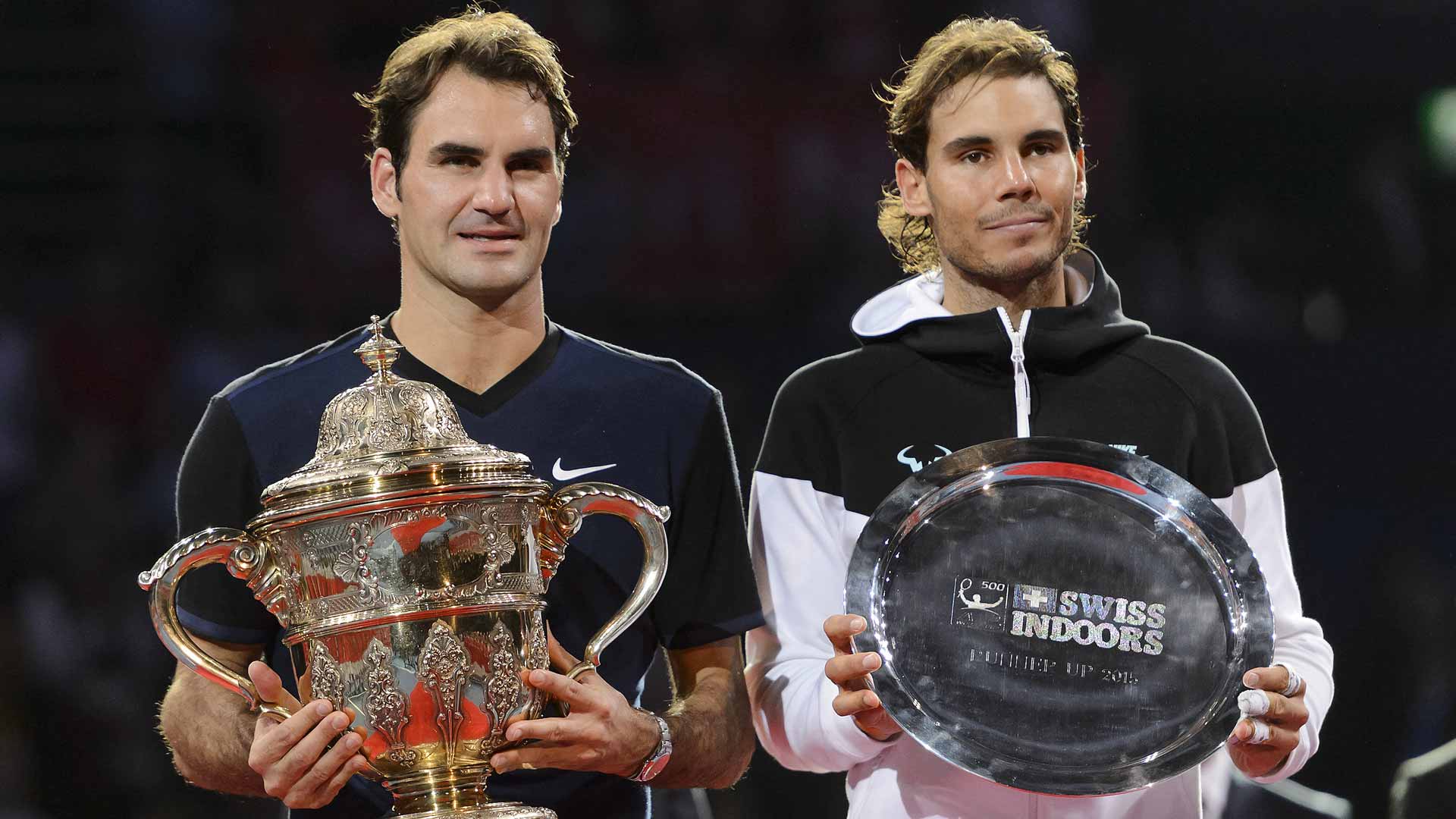
The ballot for the International Tennis Hall of Fame’s Class of 2026 drops with the clean snap of a fresh ball from the can, summoning echoes of rallies that spanned decades and continents. Heading the Player Category stands the former No. 1 in the PIF ATP Rankings Roger Federer, his name a beacon for Juan Martin del Potro and Svetlana Kuznetsova, whose paths intertwined with triumphs that tested the boundaries of will and precision. This category salutes those who forged distinguished records at tennis’s pinnacle, where every match carved deeper into the collective memory, blending the hush of anticipation with the roar of victory.
Federer‘s grace under endless pressure
Federer’s ascent began on the manicured lawns of Wimbledon in 2003, where at 21 he seized his first major, his one–two serve and forehand slicing through the damp air like a secret shared in the stands. He etched a Career Grand Slam, one of only eight men to do so, culminating in 20 major singles titles that demanded constant recalibration—shortening backhands on clay for quicker recovery, or unleashing inside-out forehands on hard courts to stretch opponents thin. The weight of expectation pressed like the summer heat of Flushing Meadows, yet he held World No. 1 for 237 consecutive weeks, extending to 310 overall, his 103 singles titles second only to the era’s giants.
Off the court, his poise shone through 13 Stefan Edberg Sportsmanship Awards, a quiet counter to the frenzy of being the ATP Fans’ Favourite for 19 straight years through 2021. Leading Switzerland to the 2014 Davis Cup, he navigated team dynamics with the same tactical patience that fueled three consecutive Laver Cup wins for Team Europe from 2017 to 2019, turning indoor hard courts into stages for volleys that hushed doubting crowds. In those moments, the psychological siege of legacy building gave way to a serene command, his underspin slices disrupting rhythms as surely as his presence steadied nerves.
Del Potro’s power defies the grind
Juan Martin del Potro burst forth in 2008 as a teenager, claiming four ATP titles and a 23-match streak powered by forehands that thundered inside-out, forcing rivals into desperate crosscourt scrambles on whatever surface they dared. The next year at the US Open, he met Federer in a five-set crucible, absorbing varied spins with deep returns before unleashing down-the-line winners that echoed through the night sessions, securing his sole major amid the humid buzz of Arthur Ashe Stadium. That breakthrough, one of 22 career titles, rocketed him into the Top 10 as its youngest, though injuries loomed like shadows over baseline duels, testing his resolve in recovery sessions that felt longer than any tiebreak.
By 2016, he captained Argentina to its first Davis Cup, adapting his flat-hitting game to clay’s drag with looped topspin lobs that bought time against net rushers, the national pressure amplifying each point like a second serve in silence. His Olympic singles silver that year added another facet, pacing rallies to outlast grinders on the sun-baked courts of Rio, where the crowd’s energy surged with every resilient stroke. Del Potro’s nomination captures that defiant spirit, a reminder that power, when tempered by endurance, turns personal battles into enduring anthems.
Kuznetsova’s balance across doubles and singles
Svetlana Kuznetsova danced between disciplines with a versatility that masked the mental toll of dual pursuits, clinching four majors—two singles, two doubles—over surfaces that demanded fresh angles each dawn. Her 2004 US Open singles victory on hard courts relied on mixing heavy crosscourt forehands with slice backhands to unbalance power players, the autumn chill sharpening her focus amid the tournament’s electric hum. Five years later at Roland Garros, she conquered the clay with improved footwork, firing inside-in approaches that pierced defenses in the red dust, her two additional singles finals a testament to sustained hunger.
In doubles, triumphs at the Australian Open in 2005 and 2012 highlighted poaching instincts, intercepting serves with down-the-line volleys while reading partners’ cues under Melbourne’s relentless sun, reaching two more finals alongside 16 titles in the discipline. Over 15 years, she peaked at No. 2 in singles and No. 3 in doubles, her 18 singles victories woven from adjustments like using underspin on fast hard courts to slow aggressors or extending points on clay with angled returns. Kuznetsova’s path reflects the quiet pivot from solo intensity to shared strategy, her game a fluid response to tennis’s ever-shifting demands.
Now, the Player Category opens to the annual Fan Vote through October 10, where voices from the stands can tip the scales by selecting favorites, adding bonus points to the Official Voting Group’s results—three for first place, two for second, one for third. Induction requires 75 percent approval from the combined tally, a high bar that mirrors the match-point tension these nominees mastered so often. Click here to cast your vote, and help etch their stories into the Hall’s timeless gallery, where every nomination promises a new chapter in tennis’s unfolding drama.