Djokovic eyes puzzle pieces in Melbourne’s heat

Novak Djokovic arrives at the Australian Open 2026 with guarded optimism, piecing together form to challenge Jannik Sinner and Carlos Alcaraz in a draw that tests every fiber of his enduring game.
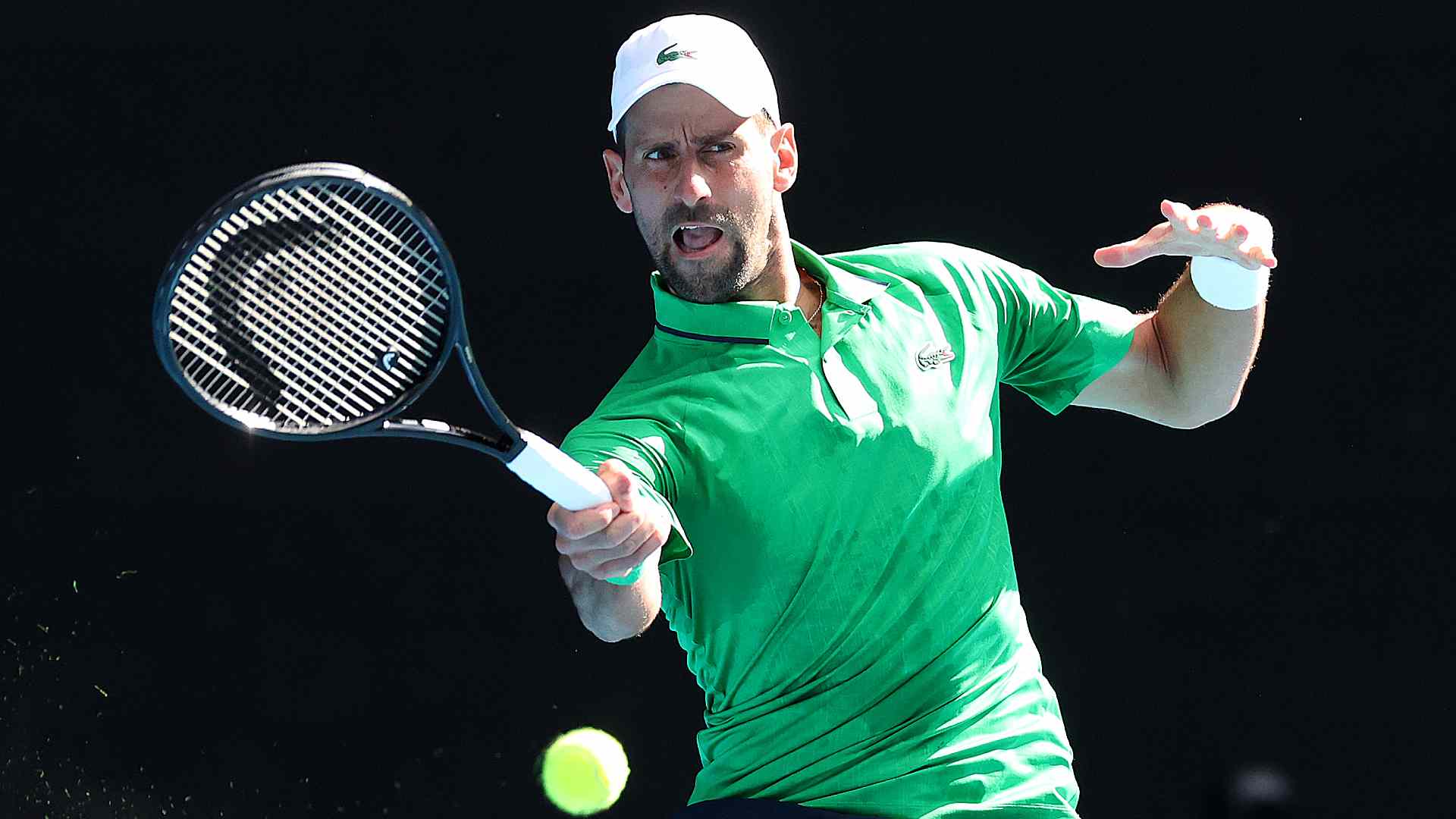
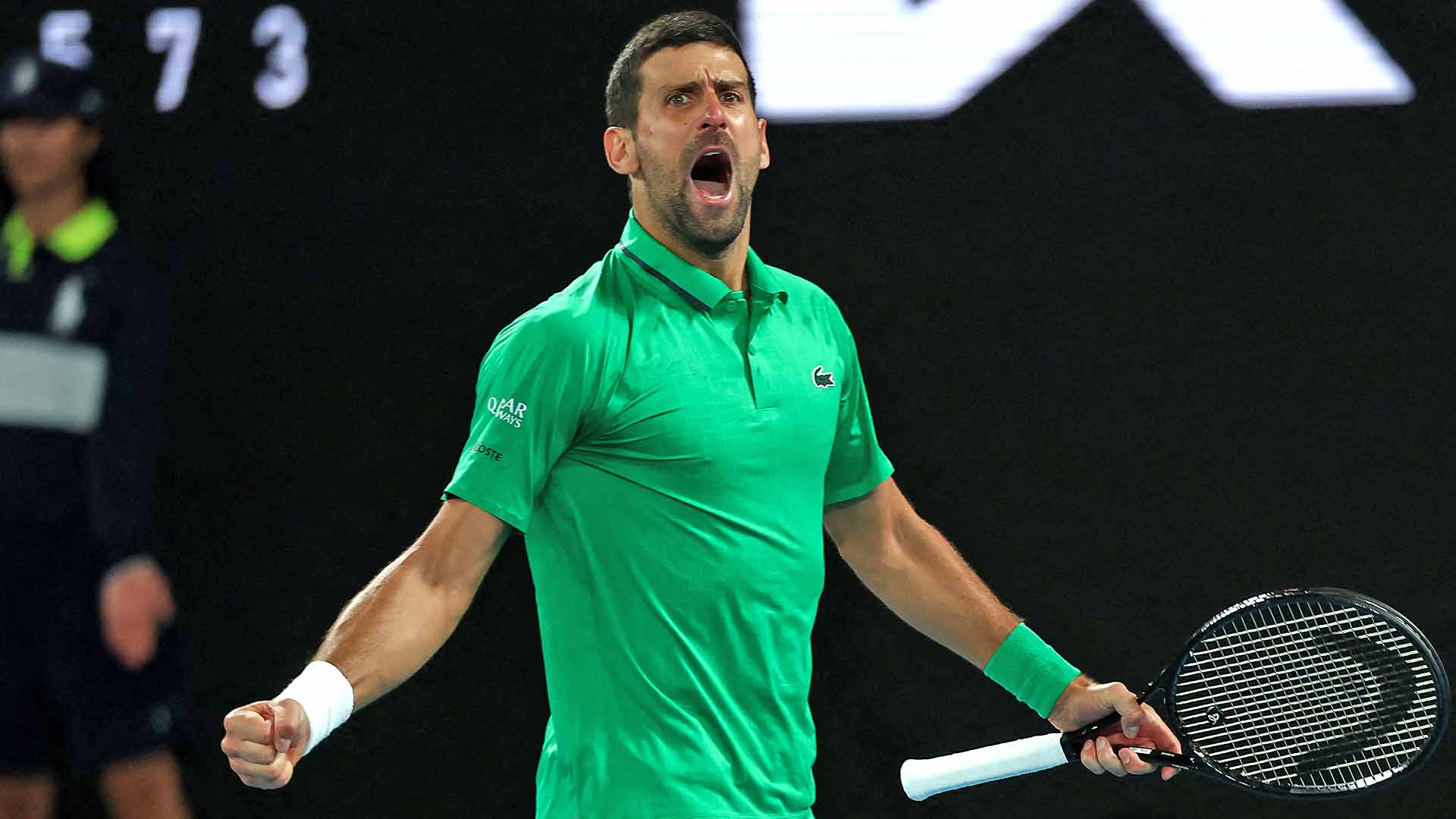
In the humid prelude to the Australian Open 2026, Novak Djokovic steps onto Melbourne Park’s courts, his 21st campaign here laced with the quiet intensity of a champion rebuilding. At 38, the Serbian’s pre-tournament presser revealed a mind wrestling belief against the pull of recent defeats, his voice steady yet laced with realism. The draw ahead promises early tests, but his focus sharpens on summoning the explosiveness that has defined his hard-court reign.
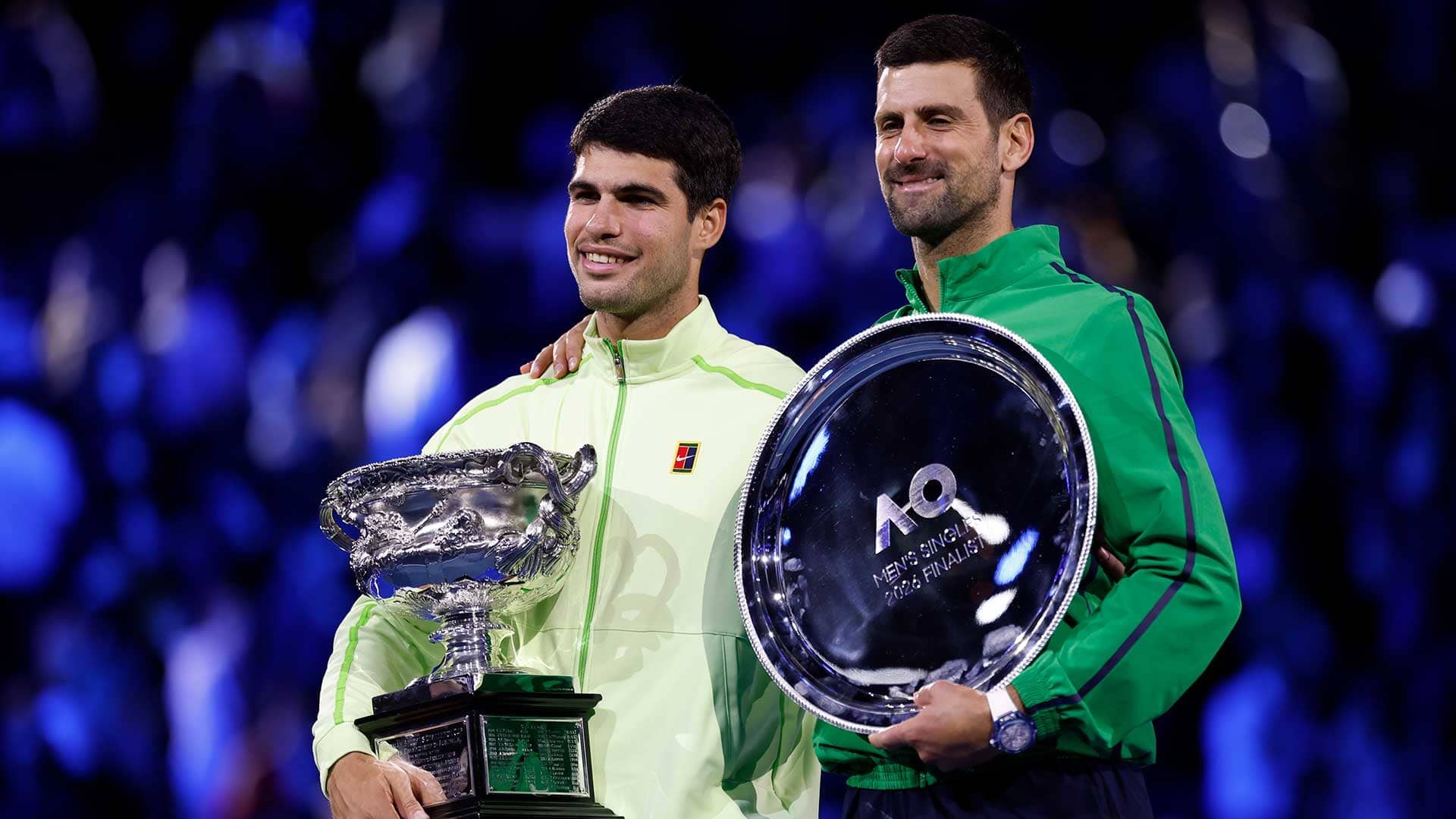
Twelve months ago, he dispatched Carlos Alcaraz in the quarterfinals on these very courts, only to falter against Jannik Sinner in the semifinals at Roland Garros and Wimbledon, then yield to Alcaraz at the US Open. Those best-of-five battles exposed vulnerabilities, prompting post-Flushing Meadows doubts about sustaining their blistering pace. Yet the new year brings a reset, his words signaling a flicker of resolve amid the caution.
“I know that when I’m healthy, when I’m able to put all the pieces of the puzzle together on a given day, I feel like I can beat anybody. If I don’t have that self-belief and confidence in myself, I wouldn’t be sitting here and talking to you guys or competing,” Djokovic said.
Assembling mental edges for deep runs
Djokovic’s psyche has long turned pressure into fuel, especially on these medium-paced hard courts where his heavy topspin forehand carves deep angles. Last year’s setbacks, including three losses in four majors to Sinner or Alcaraz, sparked introspection, transforming doubt into targeted preparation. He visualizes the one–two rhythm of serve followed by inside-out forehand, drills that rebuild the confidence to extend rallies and force errors with crosscourt precision.
The psychological shift draws from Flushing Meadows’ exhaustion, where legs faltered in the final against Alcaraz, betraying his tactical command. Now, early-morning routines blend meditation with on-court work, fostering the edge to pounce on short balls with down-the-line winners. Skipping the Adelaide International preserved energy, his body easing back through extended recovery, ready to harness the Melbourne crowd’s roar as a counter to late-stage fatigue.
As he opens against Pedro Martinez, the Spaniard’s steady baseline game could probe early rhythm, demanding varied serve placement to avoid predictable returns. Djokovic envisions not mere survival, but a resurgence where mental sharpness exploits any opponent lapse, turning seasonal pressure into personal momentum.
Countering youth’s relentless power
Sinner and Alcaraz dominate the landscape, their games inverted mirrors of Djokovic’s prime—Sinner’s flat groundstrokes skidding low, Alcaraz’s variety pulling defenders off-balance with drop shots and lobs. He knows these threats intimately from major clashes, yet the physical demands of five-set counters weigh heavy, especially after admitting a dip in leg juice for semifinals and finals. “I understand that Sinner and Alcaraz are playing on a different level right now… but that doesn’t mean that nobody else has a chance. So I like my chances always, in any tournament, particularly here,” he added.
Tactical tweaks aim to bridge the gap: more slice backhands to disrupt Sinner’s rhythm on the Plexicushion bounce, deeper returns to neutralize his pinpoint serves. Against Alcaraz’s all-court explosiveness, Djokovic leans on experience in prolonged exchanges, using topspin to push him back and open passing shot lanes. The potential semifinal against Sinner and final versus top-seeded Alcaraz form a gauntlet, but his 10 Australian Open titles whisper of tiebreak fortitude where resolve outlasts speed.
This admission tempers optimism with humility, a veteran navigating age’s realities while fueling ambition. The duo deserves their throne, having earned titles in 2025 that Djokovic challenged fiercely, keeping them alert on their paths.
Navigating draws toward historic bids
The bracket unfolds with hurdles building stamina, starting against Martinez’s topspin consistency that tests net approaches on these courts. Third-round math points to Brandon Nakashima, whose clean striking invites inside-out exploitation from Djokovic’s versatile angles, perhaps prompting more serve-and-volley to shorten points. The fourth-round rematch with Jakub Mensik revives their 2025 Miami ATP Masters 1000 final, where the Czech’s booming serve demanded a sharpened 1–2 pattern.
At 38 years and 255 days by the end, he chases Open Era milestones: oldest major winner, first man to claim a Slam at 38 or older, eclipsing Ken Rosewall‘s 1972 Australian Open triumph at 37. A 13th major post-30 would surpass Pete Sampras‘s career 14, alongside a fifth Australian Open since turning 30. Reaching the final would mark him as the second after 37 to contest multiple, and after 38 like Rosewall at 39, spanning 18 years from his 2008 debut here—the longest gap in Open Era history.
These pursuits infuse preparation with purpose, surface drills honing low-bouncing slices against Alcaraz’s net play and neutral returns to set up combinations versus Sinner. The Melbourne hum builds as he stays in the mix, each match a step toward redefining late-career fire. If the pieces align, this run could etch defiance against youth’s tide, his puzzle complete under Rod Laver’s glare.