Cousins collide for Shanghai’s surreal crown

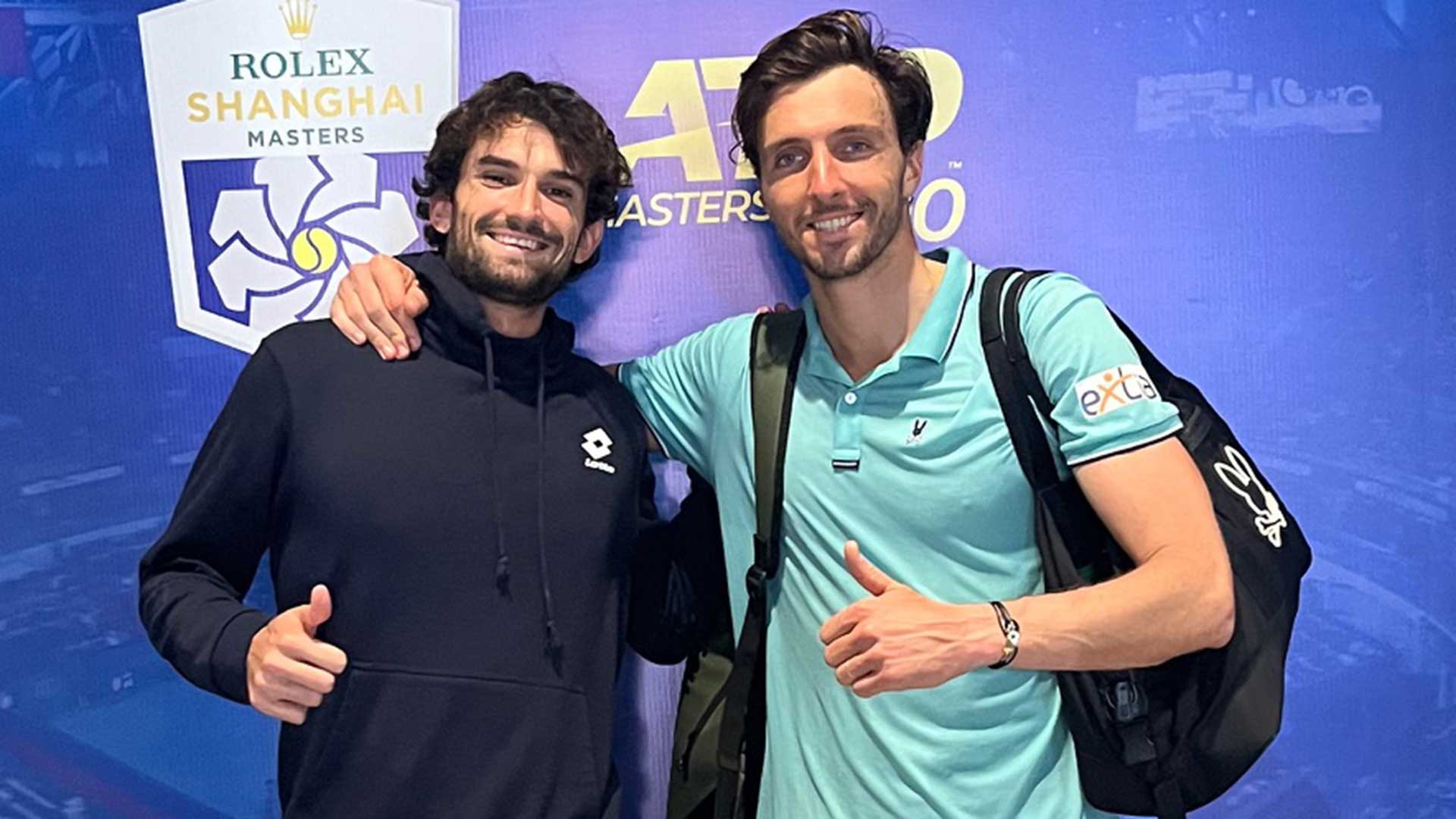
Bound by blood and countless rallies, Arthur Rinderknech and Valentin Vacherot stand poised to turn a family practice session into an ATP Masters 1000 showdown, their improbable paths lit by upsets that echo through the humid Shanghai night.
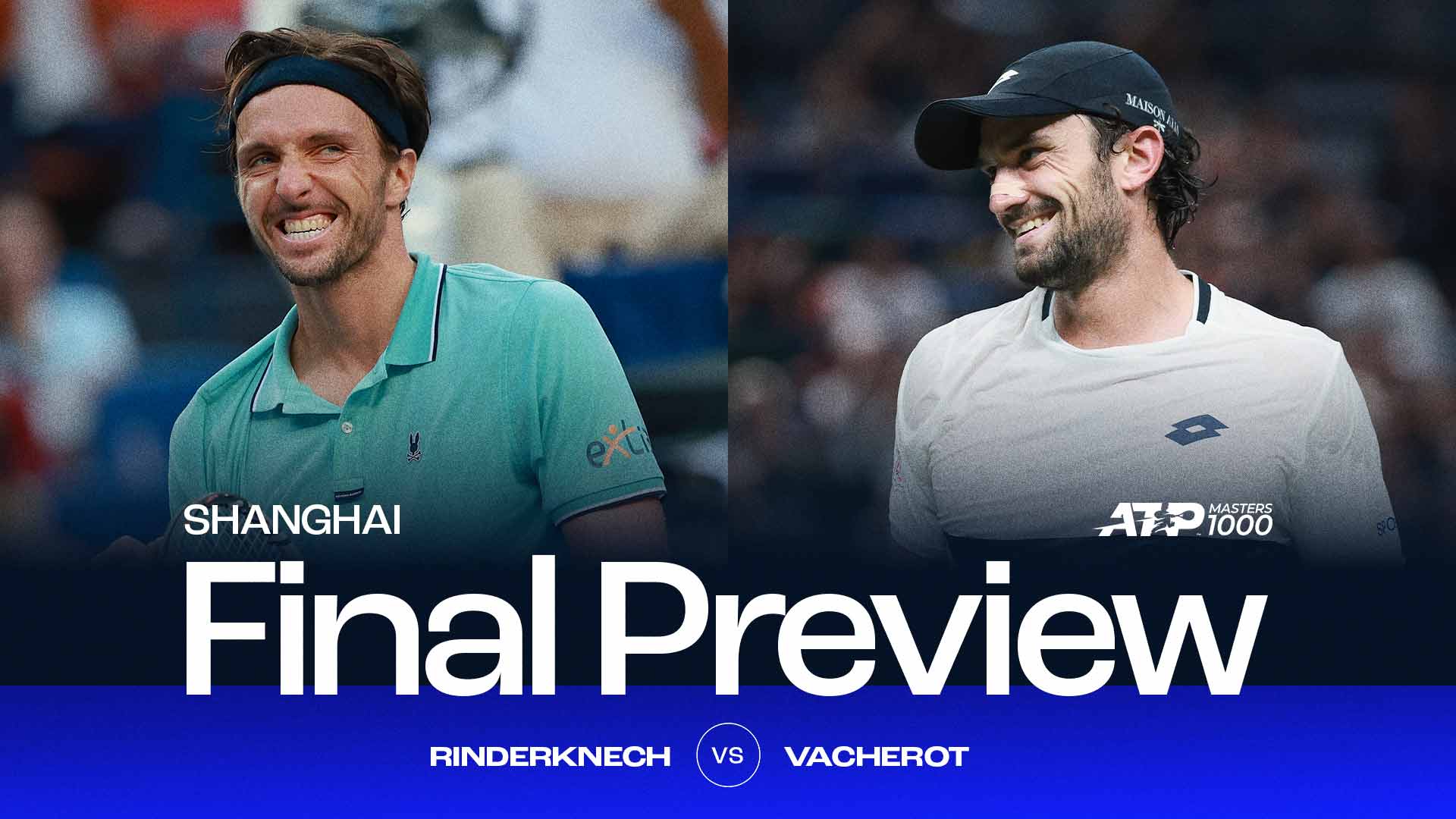
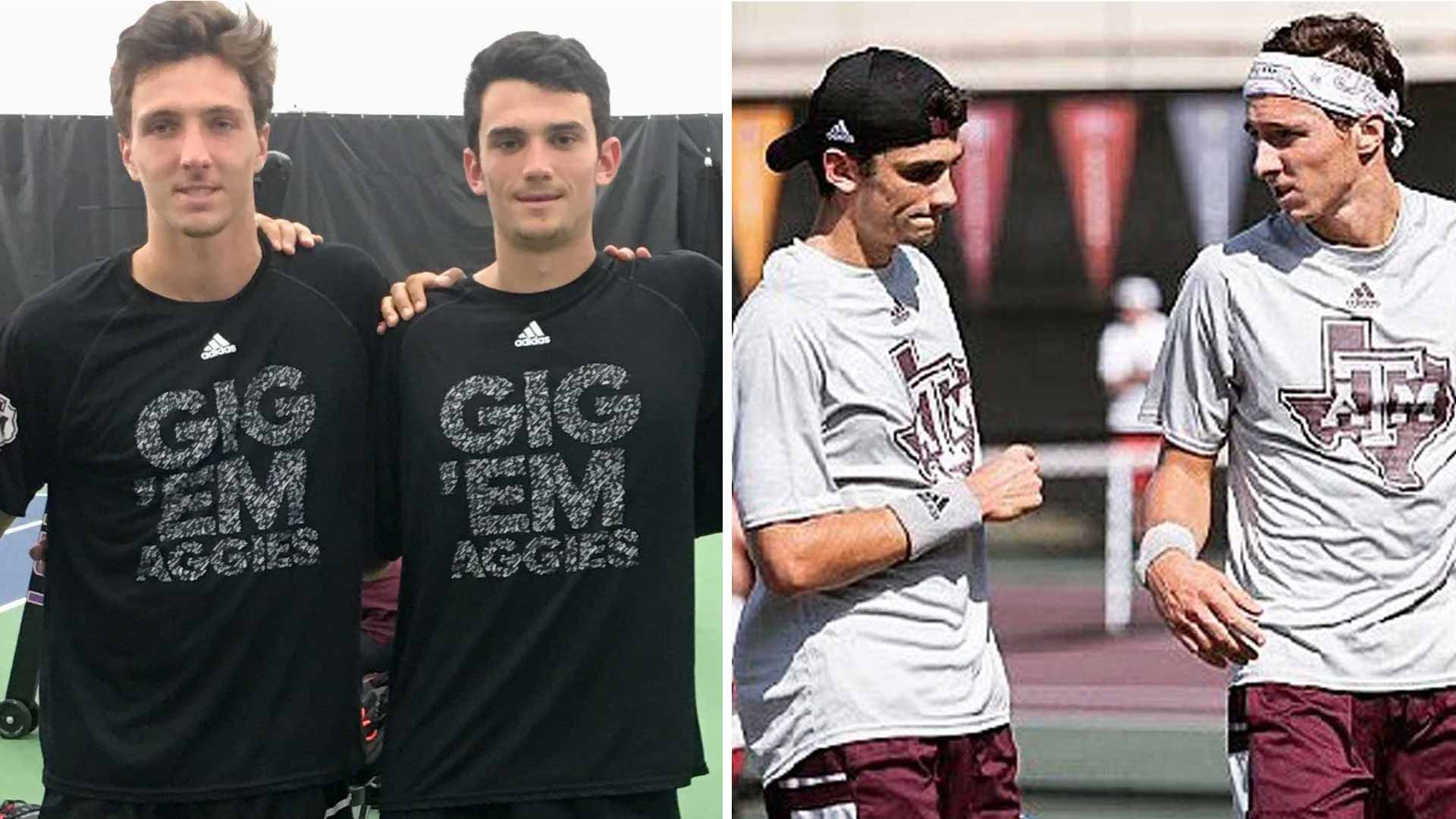
In the electric hum of Qizhong Forest Sports City Arena, where hard-court bounces carry a whisper of autumn chill, two cousins prepare to rewrite their shared tennis legacy. Arthur Rinderknech and Valentin Vacherot have traded shots thousands of times, from junior circuits to their overlapping years at Texas A&M University, but nothing prepared them for this: a final at the Shanghai Masters after each toppled a former world No. 1. The air thickens with the weight of it all, their bond now the backdrop to a clash that blends familiarity with raw ambition under the arena’s glaring lights.
“[It is] the dream undreamable. Is that okay? It was undreamable,” Rinderknech said. “Even in the biggest dream we couldn’t have dreamt about this, so it’s a dream that couldn’t even exist at the beginning. I don’t even know where it comes from, how it happened. I guess we must have done some good things to the people around us to deserve to experience something like this, because it’s incredible.”
Paths forged in sweat and surprise
Rinderknech, the 30-year-old Frenchman three years Vacherot’s senior, brings a career etched with steady climbs and sharp bursts. Peaking at No. 42 in 2022 after reaching his lone prior ATP final in Adelaide, he arrived in Shanghai with 20 tour-level victories this season, his aggressive style—big serves setting up inside-out forehands—often unlocking doors against elite opponents. That firepower stunned Alexander Zverev in Wimbledon‘s opening round and repeated the feat here, while a gritty rally against Daniil Medvedev in the semifinals evened their head-to-head at 1-1, his crosscourt returns forcing errors amid the crowd’s rising roar.
Vacherot, the Monegasque on the cusp of history, traces a steeper ascent from the tour’s fringes. As the World No. 204 entering qualifying, he stared down a set deficit and a 5-5 tiebreak against Liam Draxl in the second round, surviving with deep baseline depth that steadied his nerves and sparked a run through the main draw. Ousting 14th seed Alexander Bublik, 20th seed Tomas Machac, 27th seed Tallon Griekspoor, and 10th seed Holger Rune, he capped it by stunning 100-time titlist Novak Djokovic, the four-time Shanghai champion, his inside-in forehands piercing gaps in a match that blurred exhaustion into exhilaration.
Upsets ignite emotional surges
The semifinals amplified their journeys, each victory peeling back layers of a season’s grind—endless qualifiers, ranking pressures, the quiet doubt of unfulfilled potential. Rinderknech’s comeback against Medvedev drained the physical toll but lifted a mental shadow, his serve-volley rushes on the fast hard courts turning defensive scrambles into attacking momentum. Now at No. 28 in the live rankings, he stands as the ninth French player to reach a Masters 1000 final, the arena’s pulse syncing with his renewed drive.
Vacherot’s path, coached by half-brother Benjamin Balleret—a former No. 204—transforms obscurity into legend, now at No. 58 live with a potential leap to No. 40 on Sunday. Messages from Monaco flooded his phone after the Djokovic upset, stirring tears amid recovery treatments, as he became the first from his country to hit quarterfinals, semis, and now a final. Balleret, voice thick with awe, called it a fairytale, impossible yet unfolding, Val’s flat groundstrokes and timely underspin slices holding firm against the tour’s heavy hitters.
“It’s an achievement. I would say it’s a fairytale,” Balleret remarked. “He makes history for him, for Monaco. He’s the first player from Monaco in the Top 100 already, of course, being in the semi-finals, in the final. Actually, I have no words. I don’t know what to say about it… It’s not even unexpected. It’s kind of impossible. And he’s doing it. Val is just unbelievable this week.”
A family affair But with a battle on the court to come, we dive into their shot qualities during the tournament so far
A family affair
But with a battle on the court to come, we dive into their shot qualities during the tournament so far#TennisInsights | @atptour | @SH_Masters pic.twitter.com/IMFozUvu0H— Tennis Insights (@tennis_insights) October 11, 2025
Tactics and ties face final test
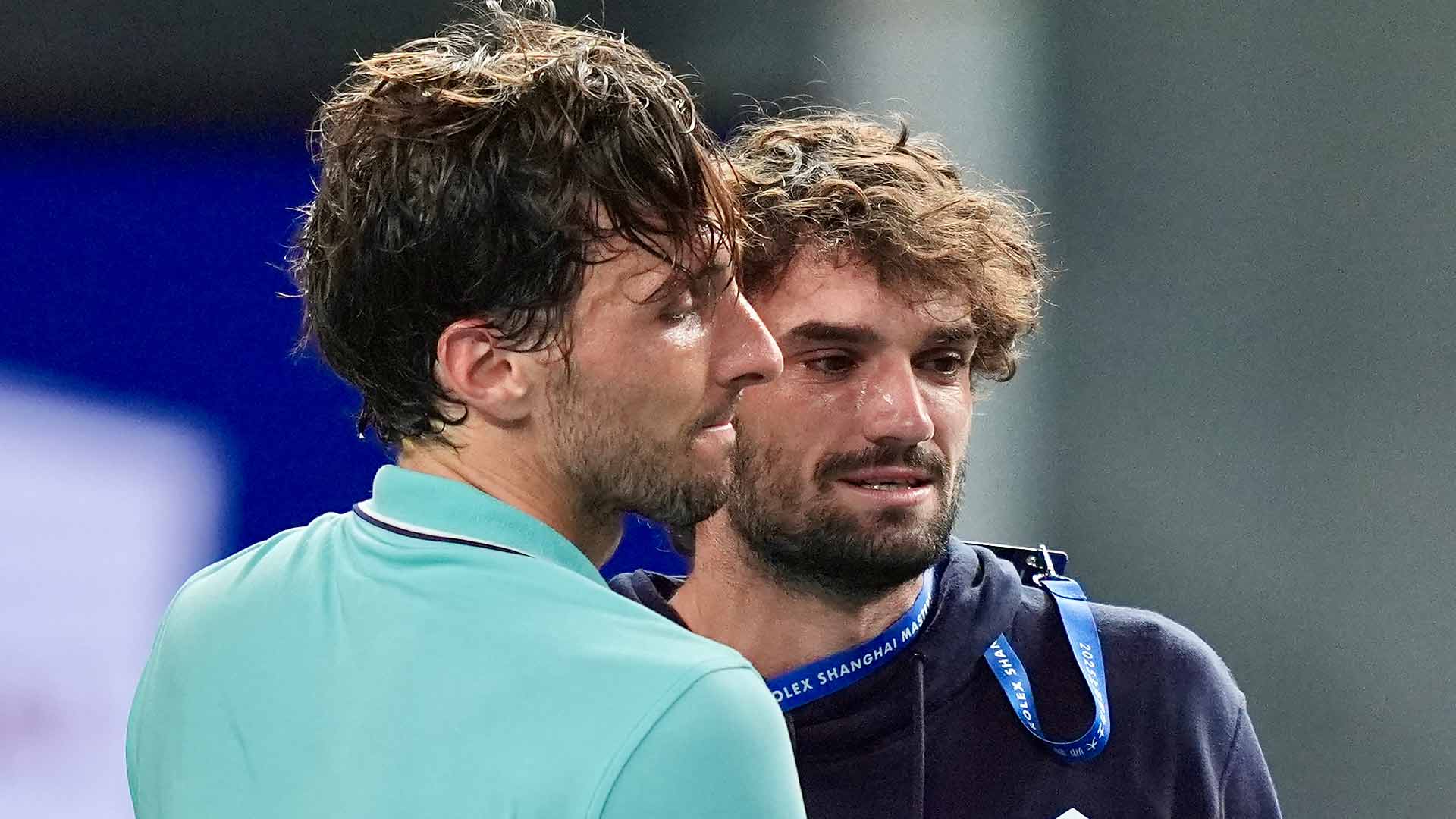
Behind the glamour, their connection offers rare comfort in the tour’s isolation—Vacherot hid during Rinderknech’s semifinal, pulse racing faster than in his own, emerging for a hug that sealed the surreal reality after the Medvedev win. Their only pro meeting, a 2018 ITF straight-sets victory for the elder on French clay, feels distant now on Shanghai’s grippy hard courts, where speed favors Rinderknech’s one–two combinations but tests Vacherot’s defensive patterns. He could become the lowest-ranked Masters 1000 champion since 1990, his down-the-line backhands ready to counter serves that once overwhelmed him in practice.
“It was pretty hard to not have a few tears,” Vacherot admitted, eyes on the bigger picture. “I wanted to comfort him. I was getting recovery, treatment and all. I just didn’t want him to see me all of a sudden because he would know if I was there, it was getting special. I was hiding. But my heart was beating even faster than during my match. It was pretty crazy.”
Neither dwelled on predictions before this summit, insisting their presence proves merit amid the season’s emotional churn. “We deserve it. If we’re here, we deserve it,” Vacherot said. “To be honest right now I don’t even want to think about it. I just want to enjoy the moment, that we’re playing each other.” Rinderknech, gazing ahead, added a layer of warmth: “Tomorrow there will be two winners anyway. There’s going to be a match, of course. But today, we won everything. We couldn’t win any more.” As lights flood the court Sunday, their tactical duel—power against persistence, history against horizon—promises points laced with psychology, the cousins’ echoes turning every rally into shared destiny under Shanghai’s watchful sky.