Eala Turns Rain and Deficit Into First Title

Rain stretched the Mubadala DC Open final across two days, yet Alexandra Eala sharpened her focus between interruptions and completed a comeback that carried her past Jessica Pegula into the top 20.
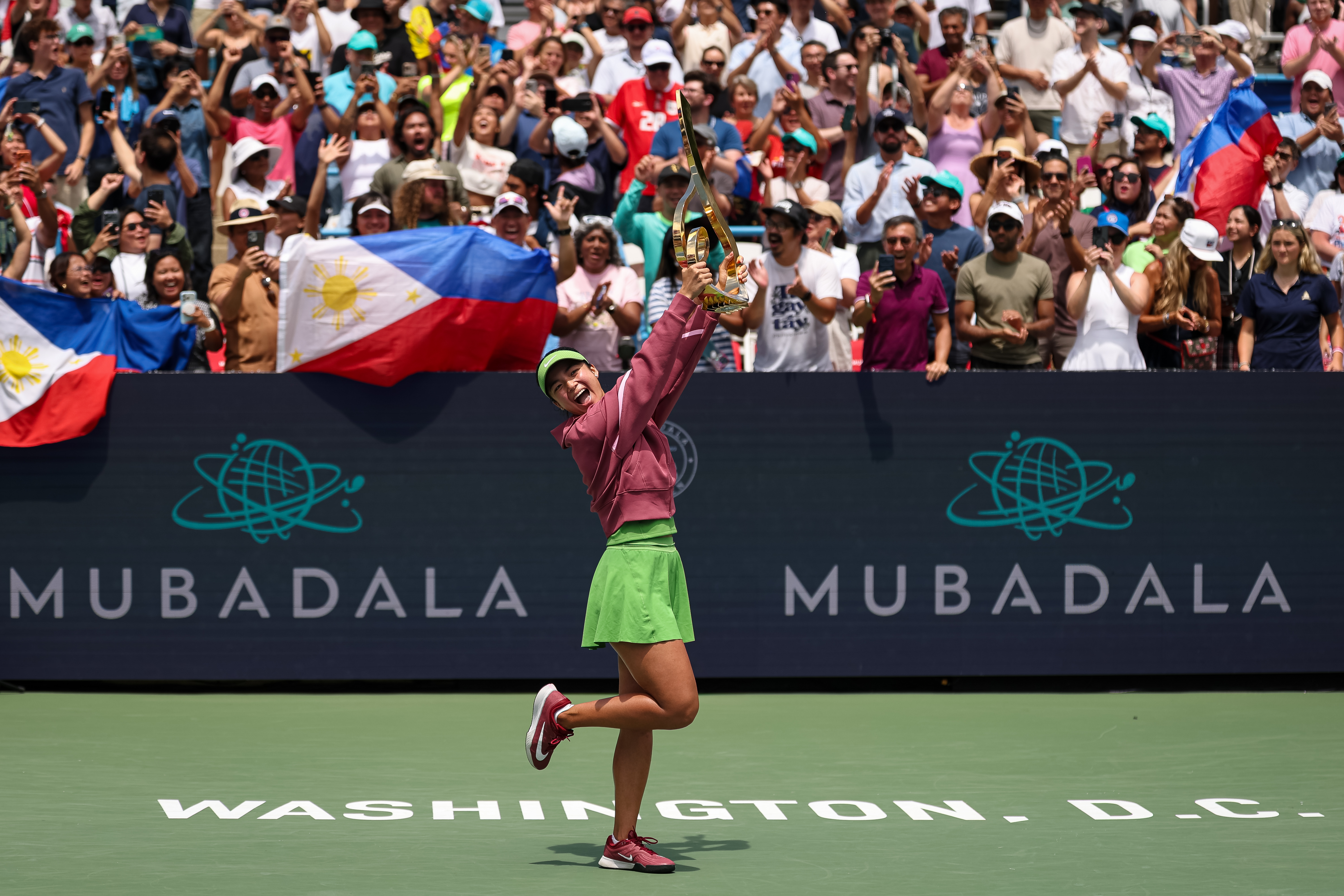
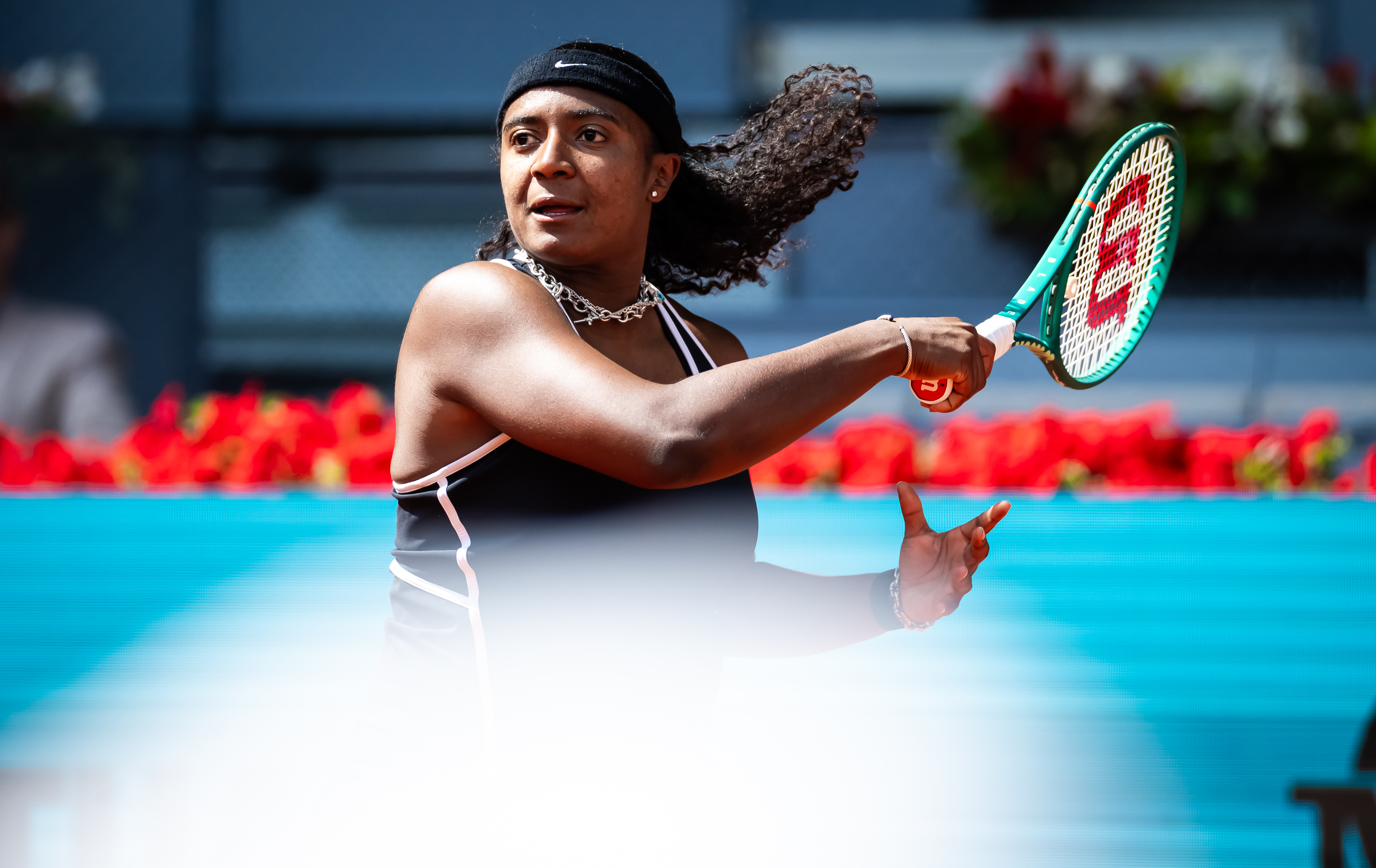
Rain arrived early and lingered at the Mubadala DC Open, stretching the final into a 12-hour test of patience for the 21-year-old from the Philippines. Alexandra Eala waited through repeated stops, read a few chapters, ate when the schedule allowed, and kept her mind on the match that would decide her first WTA title. When play resumed the next morning she trailed by a set against Jessica Pegula yet found the adjustments that turned the contest into a 6-7(4), 6-4, 6-1 victory and made her the first Filipina champion on the tour.
Patience tested through extended interruptions
Eala had already stood at the edge of a title last year in Eastbourne, four match points in hand before the opportunity slipped away. That near miss traveled with her into 2026, adding quiet pressure each time she reached another final weekend. In Washington the same opponent from the top seed position tested her again, yet the 21-year-old refused to treat the moment as a second chance at relief. Instead she framed it as proof that the work done off court could survive the longest days.
During the rain interruptions Eala turned to Wuthering Heights, a book she chose because it demanded focus and rewarded concentration. The vocabulary and pace kept her mind engaged without letting it drift toward the unfinished match. She also answered rapid questions about travel essentials and bucket list items, revealing a neck pillow as constant companion and a desire to see the Northern Lights once the calendar allowed. Her answers showed the same steady outlook she brought to the court.
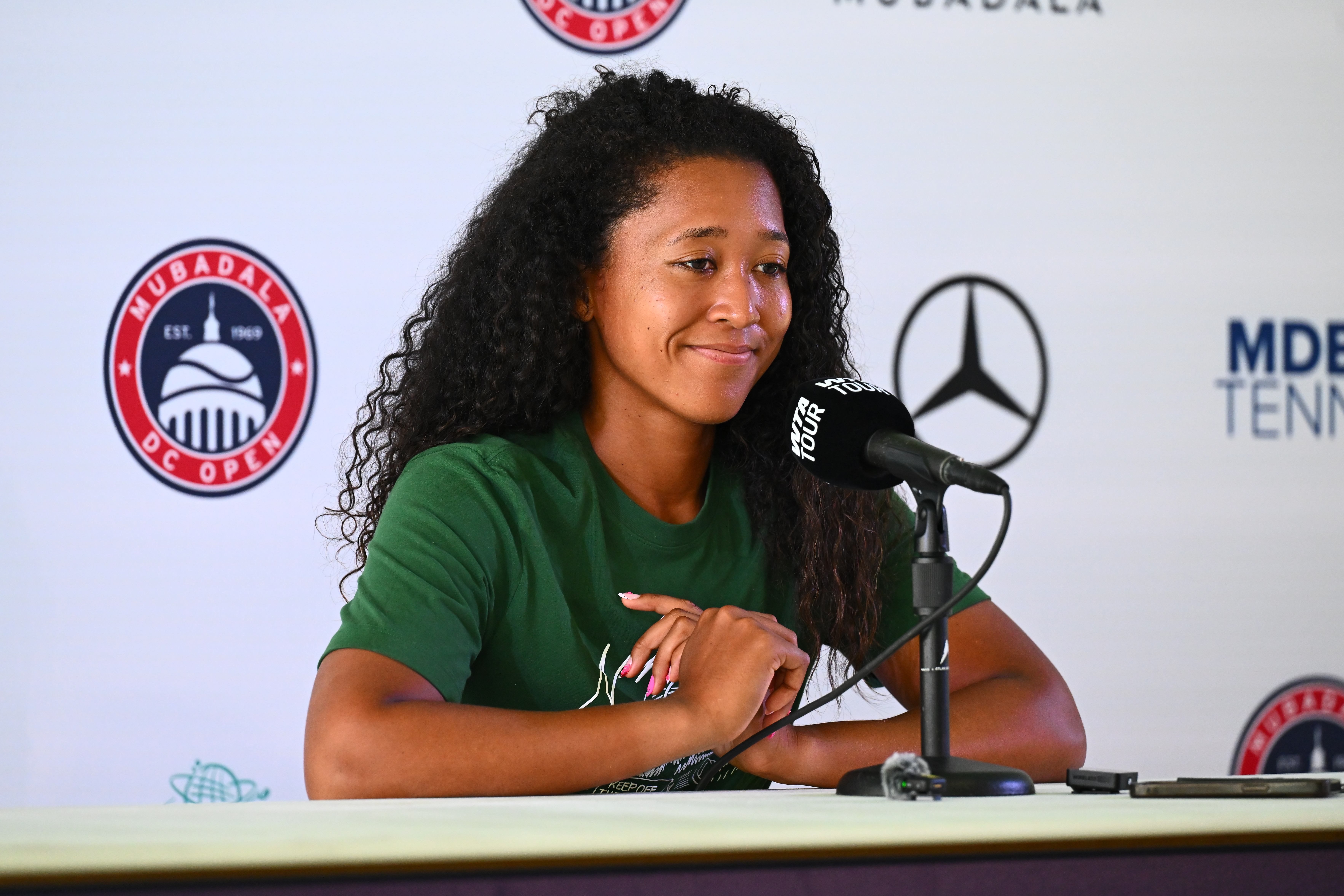
First and foremost, it is an achievement for myself. It is a personal achievement. I have worked really hard. View this post on Instagram (14)
The champion later described the week as one in which each match left her physically stronger than the last. She credited improvements in her return positioning and a willingness to mix slice with heavy topspin that disrupted Pegula rhythm on the slower courts. Those small shifts reflected months of training that finally aligned under tournament pressure rather than added weight to carry.
Baseline patterns shift under pressure
Hard-court speed at the Mubadala DC Open rewarded players who could shorten points without losing depth, and Eala read the conditions faster than most. The 21-year-old adjusted her return positioning and added subtle slice variations to disrupt Jessica Pegula’s rhythm after dropping the opening set. Those changes produced the 6-4, 6-1 turnaround that delivered the first WTA title for a Filipina and pushed her inside the top 20.
Eala began the final hugging the baseline more aggressively on Pegula’s second serve, taking the ball earlier to flatten her inside-out forehand. The adjustment limited Pegula’s time to set up her own heavy crosscourt replies and forced more errors from the top seed. By the middle of the second set the pattern had flipped, with Eala winning 62 percent of points when she moved inside the baseline early. She also mixed in more inside-in backhands down the line on key points, a shot she had practiced during the long rain delays.
The variety kept Pegula guessing and opened space for Eala to step inside and finish with short, low slices that stayed low on the fast surface. Those tactical layers turned what had been a tight contest into a one-sided third set. Seven top-10 wins already marked her season, a number that matched Elena Rybakina and Elina Svitolina and signaled consistency rather than luck. She had also become the first player since Barbora Krejcikova in Dubai 2023 to knock out the top three seeds en route to a trophy.
Those results lifted her into the top 20 for the first time and placed fresh scrutiny on every swing. Eala absorbed the attention by focusing on patterns she had rehearsed, moving the ball crosscourt early to open space for inside-out forehands when Pegula overplayed the line. The victory added enough ranking points to lift Eala into the top 20 for the first time and tied her with Rybakina and Svitolina for the most top-10 wins on the season.
Forward momentum after the breakthrough
A first title, she insisted, felt less like relief than an invitation to keep building. She had known another opportunity would arrive eventually, yet she was grateful it arrived on this surface and against this opponent. The seven top-10 victories had prepared her for the moment when the score line turned against her in the final set. Eala left Washington with clear evidence that her off-court work on movement and shot selection translates under pressure.
The title run showed she can sustain high-percentage tennis across three sets on quick courts while managing the mental reset required by weather delays. Future hard-court events will test whether the same adjustments hold against players who prepare for her new patterns. For now the numbers and the trophy confirm that the tactical refinements made in Washington have already altered her trajectory on the tour.
The pressure that built across the season did not vanish with one result. Eala acknowledged that the next swing would bring new opponents and new surfaces, yet she left Washington certain the patterns that worked here could travel. Her seven top-10 wins had already proven she could handle the best players when the margin was narrow. The task now is to repeat that level while the ranking climbs further.
She returns home to the familiar comfort of a Filipino meal before the next stretch begins. The reading, the waiting, and the comeback have all become part of the same story, one that started long before the rain and will continue long after the trophy is packed away. Eala returns to the hard-court swing knowing the 1–2 patterns refined in Washington can travel with her into higher-ranked events.