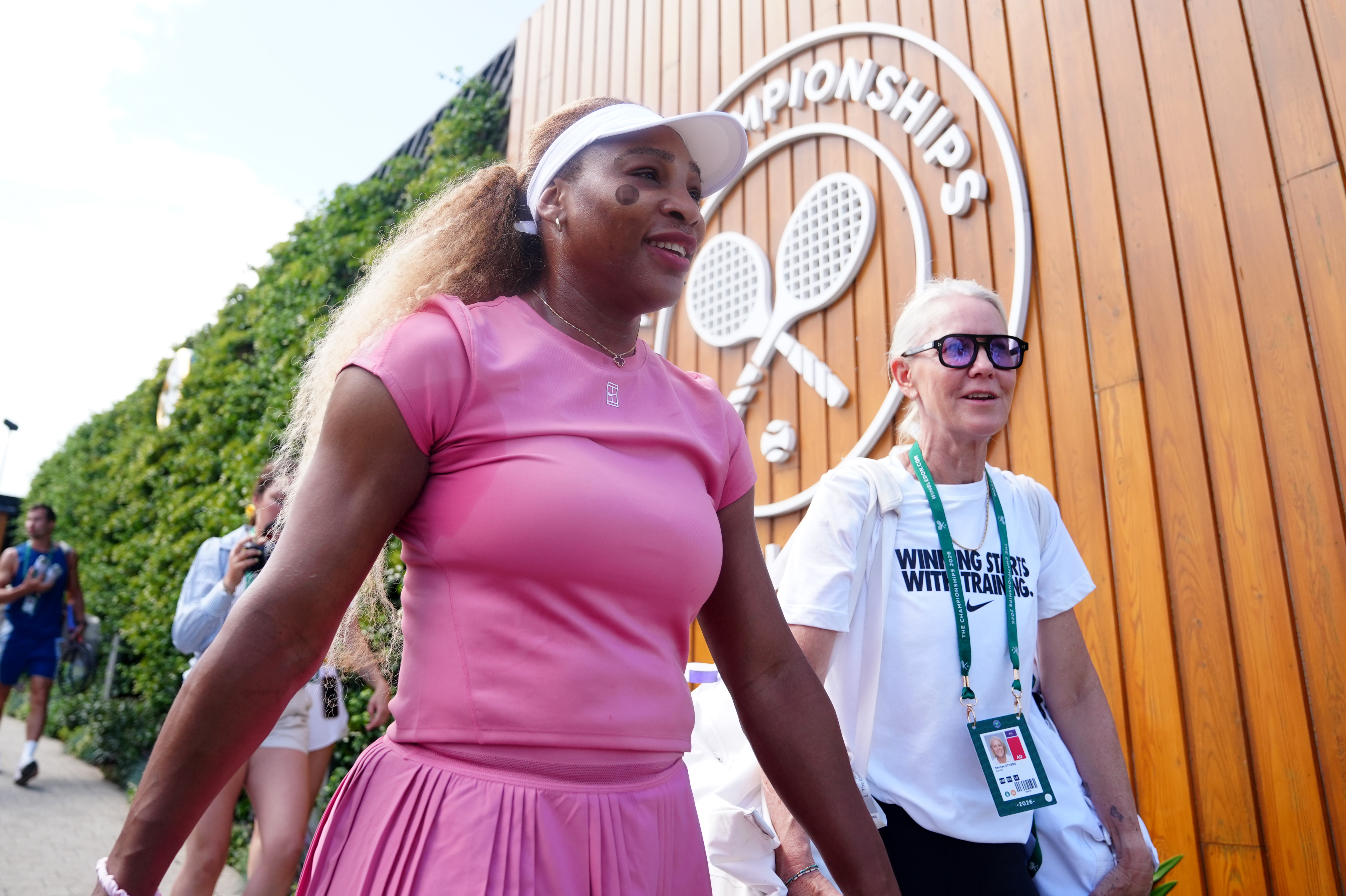
Osaka holds steady as layers keep adding up

The four-time major champion arrives in Washington still measuring progress by quiet daily gains rather than sudden peaks, carrying the same measured outlook that has carried her from that first Indian Wells title through every later chapter.
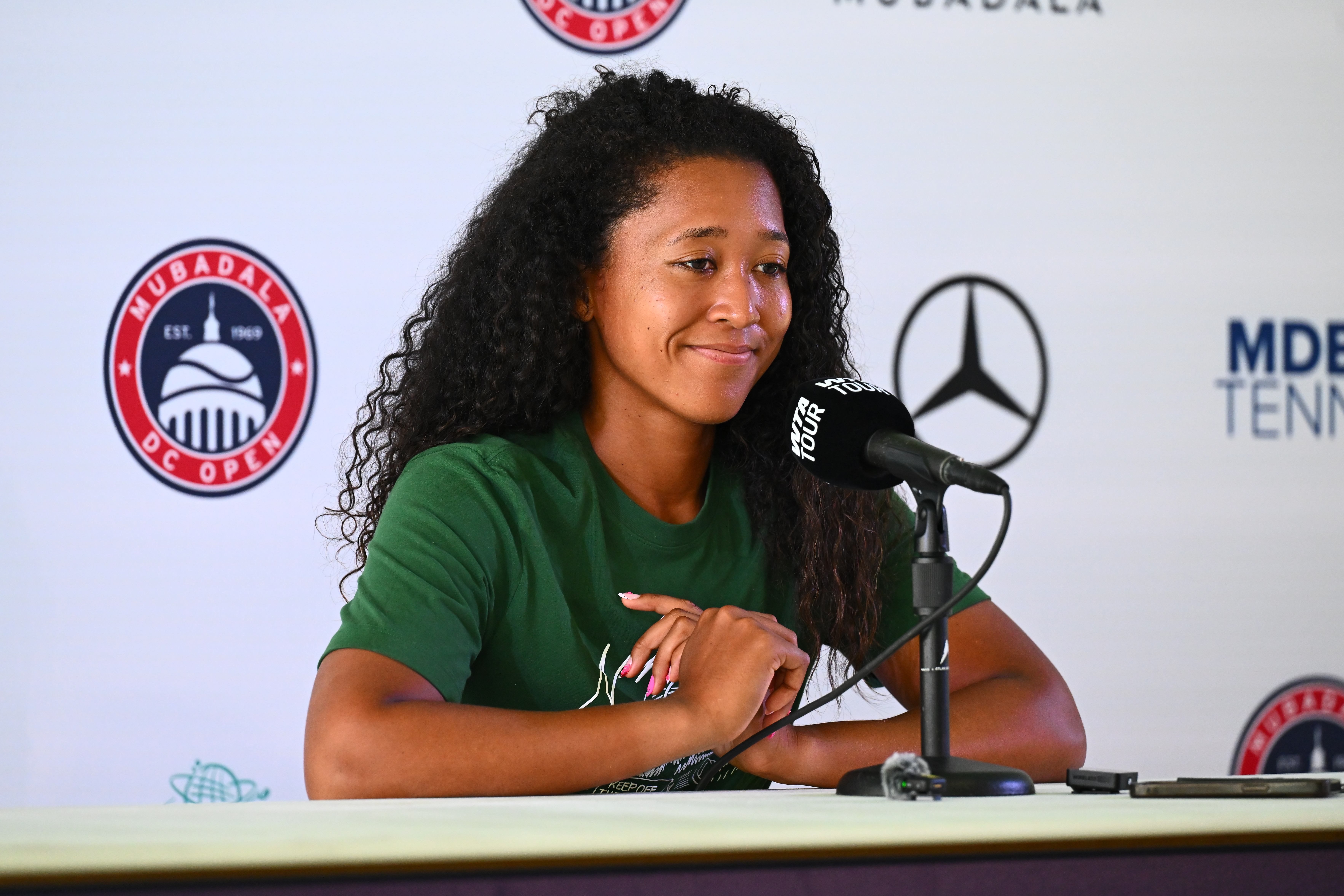
Naomi Osaka steps into the Mubadala DC Open with the same measured outlook that has carried her through every stage since her breakthrough years. The hard courts represent the surface where her patterns have produced the most consistent results, yet the recent grass swing left her wanting more depth in the draw. She enters as the number three seed with a bye into the second round, ready to test adjustments that began the moment she left the All England Club.
Hard courts reward familiar patterns
Osaka built all four of her major titles on this surface by leaning into a reliable one-two combination that starts with a heavy serve and finishes with an inside-out forehand pulling opponents wide. Against the winner of Katie Boulter and Ashlyn Krueger she will look to open the court early, then follow with crosscourt depth that forces defensive slices. The faster bounce allows her to add pace without losing the kick that sets up the next shot, a contrast to the lower, slower grass where she reached the quarterfinals earlier this month.
She has already begun reframing that Wimbledon exit as fuel rather than burden. The disappointment lingered only a couple of days because she sensed the moment had arrived for a semifinal or final push. Life moves forward quickly in her view, and the hard courts offer the clearest environment to translate those lessons into match play.
View this post on Instagram
Internal standards tighten after every deep run
Osaka has described her career arc as a series of small blips that keep climbing even when she believes the pace has leveled. The fashion projects that once felt like a ceiling now sit alongside continued tennis demands, yet she insists she has never viewed herself as famous and prefers the current balance. That stance protects her from external noise while the internal pressure to deliver remains constant.
She noted that every stage brings new layers, and the current one demands precise placement on second-serve returns to neutralize low slices or flat drives. Her first-serve percentage at Wimbledon hovered near the level that kept her in sets, but these courts allow her to add a few more miles per hour while maintaining the margin that has defined her best stretches. Slice backhands and heavy topspin exchanges become tools for controlling tempo, allowing her to stay inside points longer when opponents attempt to rush her.
The 6-3, 6-2 victory over Daria Kasatkina at Indian Wells in 2018 still stands as the breakthrough that convinced her mother retirement was possible. Eight and a half years later the same surface offers the clearest path back to the levels she once reached as world number one. Every session now carries the memory of those past successes, including the seven WTA titles accumulated since that first title at age twenty.
Optimism returns on the surface of greatest success
Osaka has already shown the ability to compartmentalize, moving past the Wimbledon exit by focusing on the surface where her results have always peaked. The draw opens favorably, but the real test lies in whether the inside-out forehand lands with the same margin it did during her title runs. She speaks of remaining optimistic while acknowledging the self-criticism that surfaces after any result short of her private targets.
The psychological rhythm of her season shows a player who measures progress in small daily adjustments instead of dramatic declarations. Those tactical choices align with the low-key outlook she maintains even as the 2026 schedule continues to unfold. Each new tournament brings fresh variables, yet she returns to the same foundation that carried her from the 2018 Indian Wells title through four Grand Slams.
The mindset that treats fame as optional rather than essential continues to shield her focus, leaving room for the steady climb she expects to resume in Washington. A clean week would not only boost her ranking points but also confirm that the adjustments made since Wimbledon are translating under match conditions.