Baptiste rebuilds from the knee up in Washington

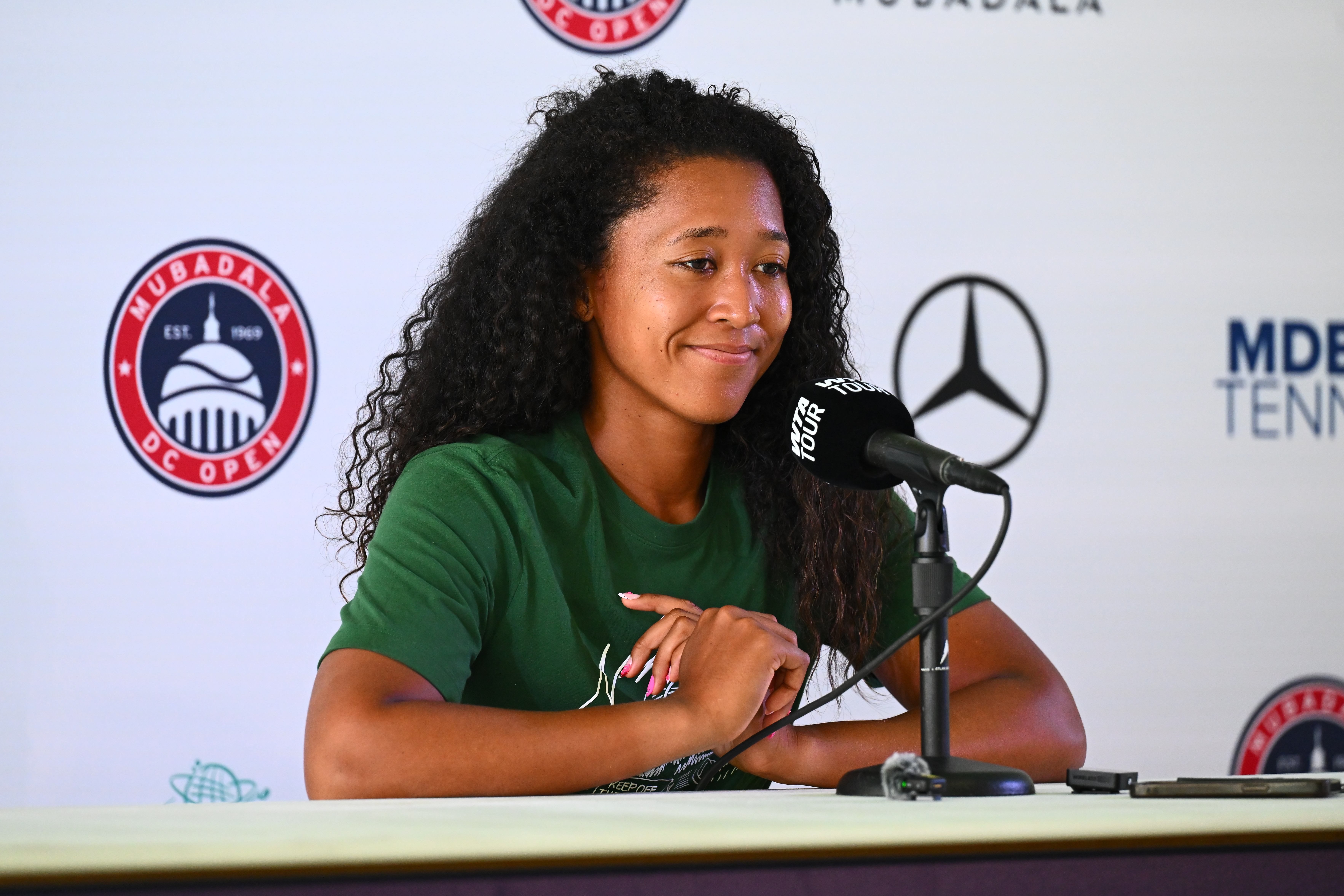
Eight weeks after the forehand that ended her breakthrough year, the Washington native walks the Mubadala DC Open grounds with new perspective and a clear target for 2027.
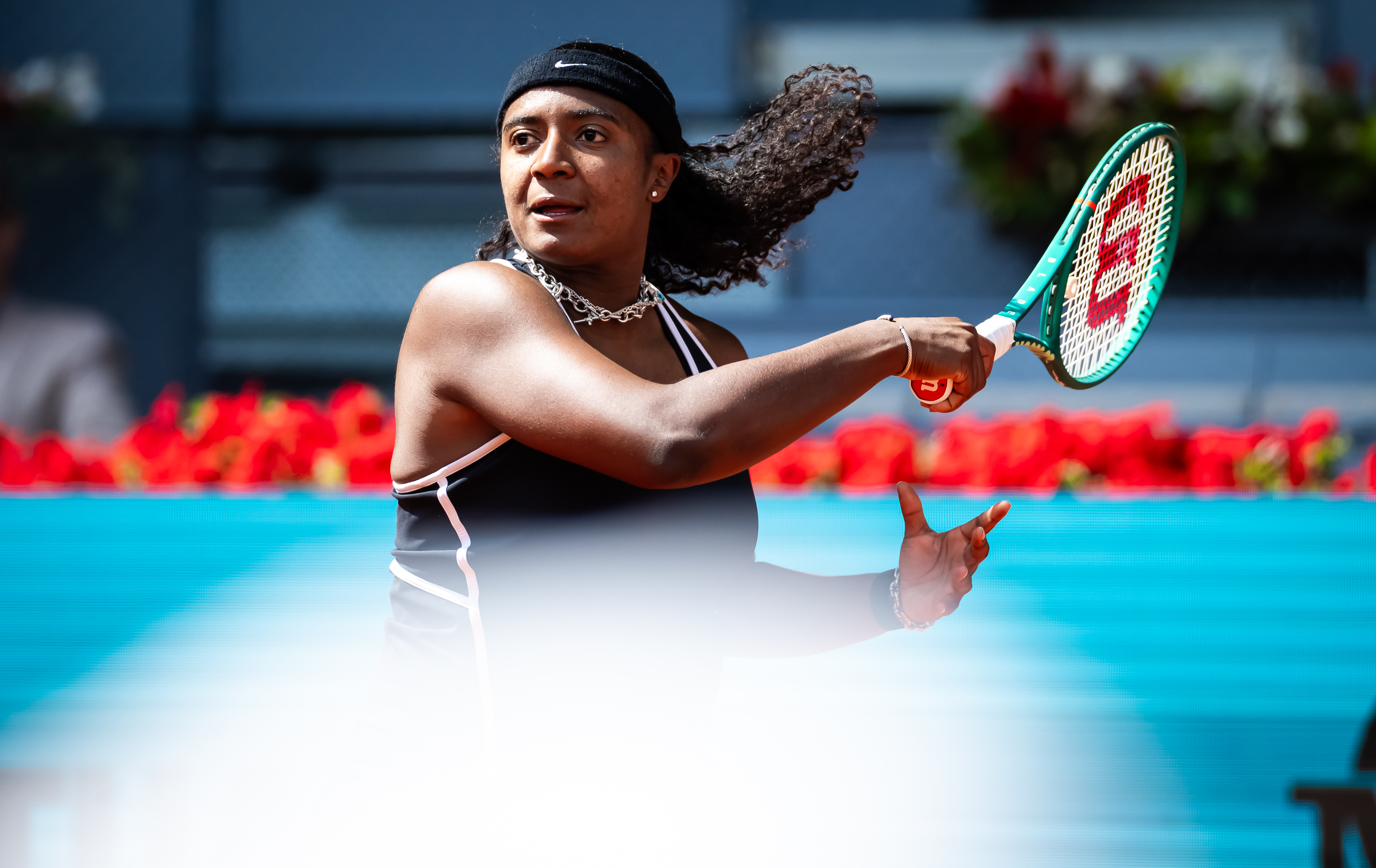
Hailey Baptiste arrived at the Mubadala DC Open this week with measured steps and a notebook full of small daily notes. The 24-year-old had climbed to a career high of No. 25 in 2026 by blending inside-out forehands with crosscourt angles that disrupted even the most stable defenses. One awkward landing against Wang Xiyu at Roland Garros rewrote the script.
Her season was over after surgeons repaired the ACL and meniscus in New York four days later. The most heartbreaking end to the best season of my life. Still waiting to wake up from this nightmare. She wrote on Instagram about the abrupt shift from peak form to the operating table. View this post on Instagram A post shared by Hailey Baptiste (@haileybaptiste)
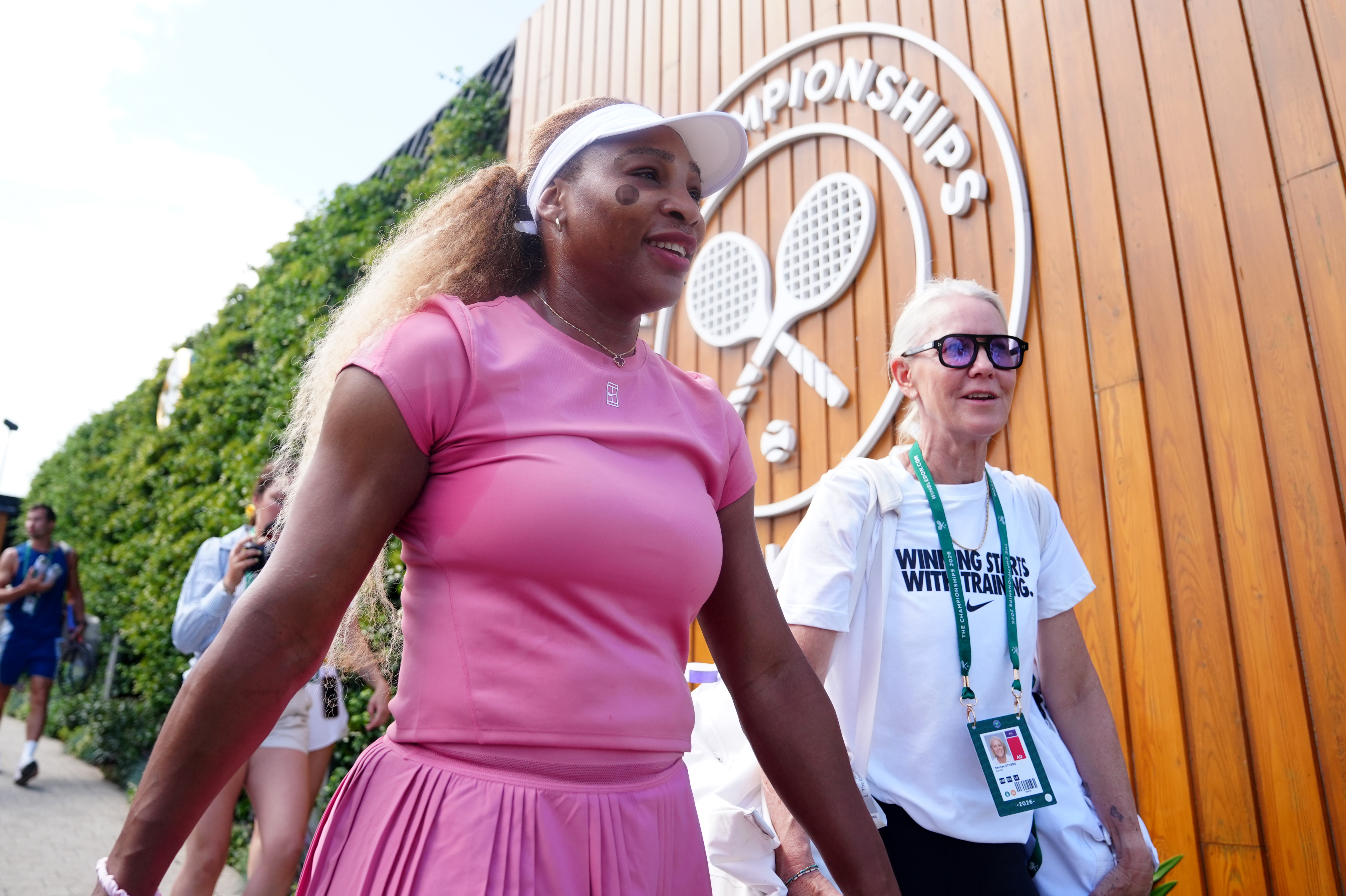
Being back in her hometown event eight weeks after surgery brought mixed emotions. The tournament had always felt like home since her first appearance in 2019. This year she walked the grounds without a racquet bag, watching matches instead of preparing for them.
Small wins rebuild daily rhythm
Progress arrived through basic tasks such as walking unaided to the bathroom or bending the knee enough to sleep without the brace. Each gain rebuilt confidence that the joint could eventually support the explosive splits and lateral pushes her patterns require. Baptiste described these moments as quiet proofs that she could handle far more than she once imagined.
She spent early weeks on strong pain medication that limited activity to resting with her dogs. Once movement returned she began light gym work that finally produced sweat again. The goal remains a measured return around Indian Wells in March 2027, but the immediate focus stays on consistent, pain-free steps rather than any calendar pressure. View this post on Instagram A post shared by Hailey Baptiste (@haileybaptiste)
Her 2026 game had thrived on hard courts where slice backhands set up inside-in winners. Clay demanded extra topspin to control the slower bounce, and she adjusted by shortening swing paths on approach shots. Those adjustments now sit on pause while rehab rebuilds the left knee that absorbed the impact.
Early pain gave way to steady movement after the first couple weeks of constant discomfort and sleepless nights. She documented the process in short videos that captured the raw transition from tour life to daily rehab sessions. The vlogs serve as both personal record and possible source of motivation for others facing similar setbacks.
Support and perspective shape the timeline
Support from fellow Washington athletes helped ease the emotional load. She attended Washington Spirit matches alongside Ben Shelton and cheered Trinity Rodman, finding energy in the city’s other professional teams. A custom shirt featuring her Madrid racquet snap circulated among players, a light reminder of the power that defined her peak form. View this post on Instagram A post shared by Hailey Baptiste (@haileybaptiste)
Baptiste plans to reintroduce the 1–2 pattern that opened court space against top opponents. Rankings math shows she will drop points from the 2026 results, yet a measured return could preserve enough standing to re-enter events where her inside-out forehand once created mismatches. She has watched little tennis since the injury, citing the emotional weight of seeing peers compete at Wimbledon and the DC Open.
Ted Lasso offered another form of perspective during downtime. The show’s emphasis on resilience and team dynamics resonated with an athlete learning to accept help while rebuilding. Baptiste noted the storyline’s sports backdrop made the lessons feel immediate rather than abstract. View this post on Instagram A post shared by Mubadala DC Open (@mubadaladcopen)
Surface considerations now shape her timeline. Hard courts at Indian Wells in March 2027 offer a firmer base for testing full weight transfer on serves, while the slower clay of later swings will test how well the repaired meniscus handles extended rallies. She continues to learn the injury landscape day by day, aware that mental steadiness will matter as much as physical strength when she steps back on court.
Future matchups demand fresh adjustments once the knee tolerates full training loads. Against aggressive baseliners she used underspin to change pace and force errors on the backhand side. Those same options will need recalibration. Small victories continue to accumulate as free movement in the gym now allows light sweating, a step toward the conditioning required for best-of-three matches on varying surfaces.
The psychological shift required deliberate distance from the tour feed. She limited her viewing to Frances Tiafoe’s Wimbledon matches and his contest here. For now the priority remains steady rehab and the patience required to let the knee dictate the next chapter.