Qizhong’s enhancements recharge players for Shanghai’s endgame push

As the Shanghai Masters unfolds under Qizhong Tennis Center’s evolving canopy, fresh upgrades blend tactical precision with crowd-fueled energy, offering weary pros a vital breather amid the ATP Tour’s final sprint toward Turin.
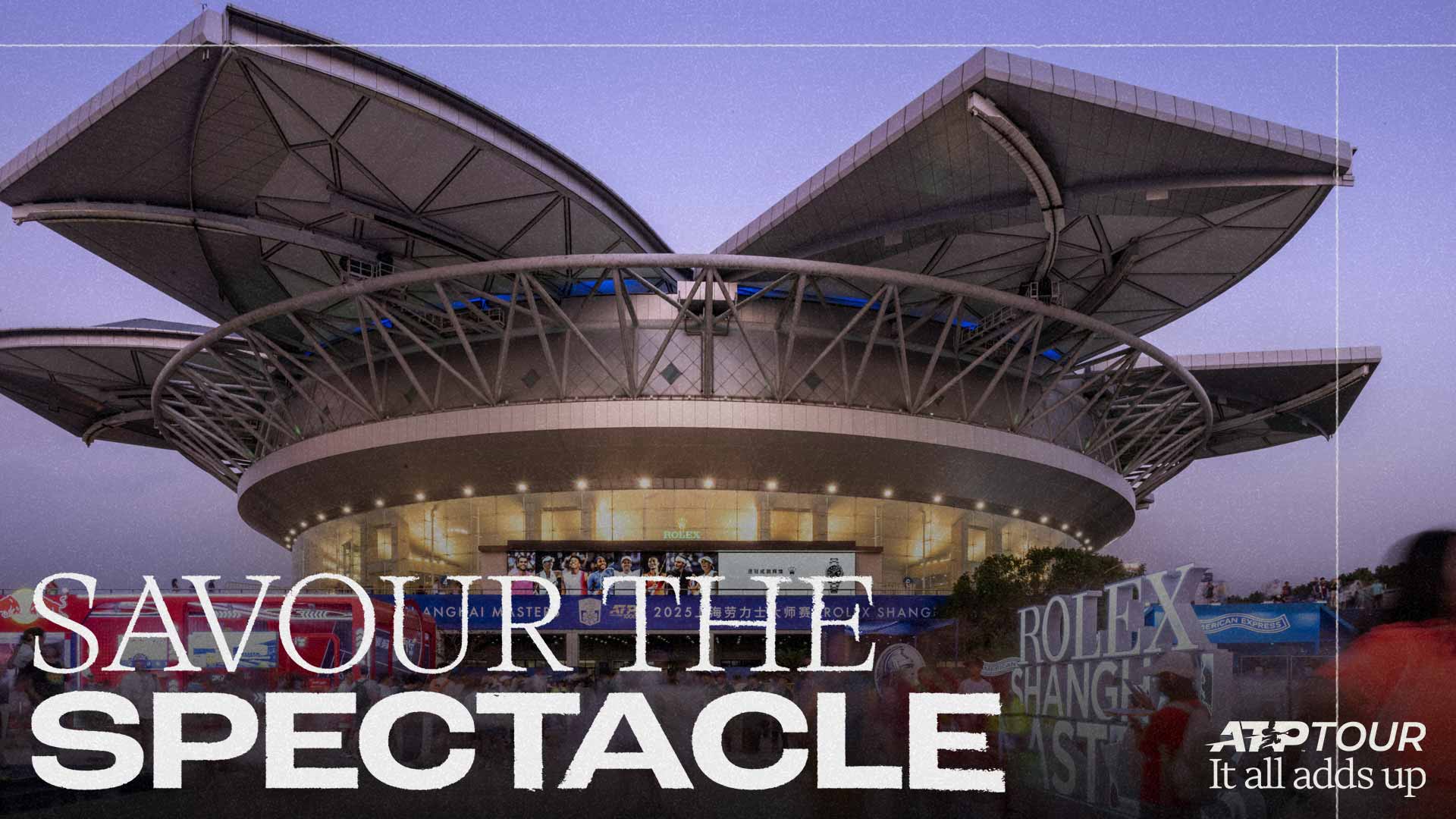
In the pulse of Shanghai‘s autumn air, the Qizhong Tennis Center stands as a beacon of endurance, marking 20 years since its 2005 opening with upgrades that sharpen the edge for players in the thick of late-season battles. The iconic magnolia-inspired retractable roof has anchored this venue through the Tennis Masters Cup’s four-year run and into the ATP Masters 1000 Shanghai Masters, Asia’s marquee event since 2009. Now, as the calendar tightens around qualification chases, these enhancements—from intimate practice arenas to innovative coverings—infuse the hard courts with renewed purpose, where every crosscourt exchange carries the weight of unresolved campaigns.
Practice stadium eases late-season tensions
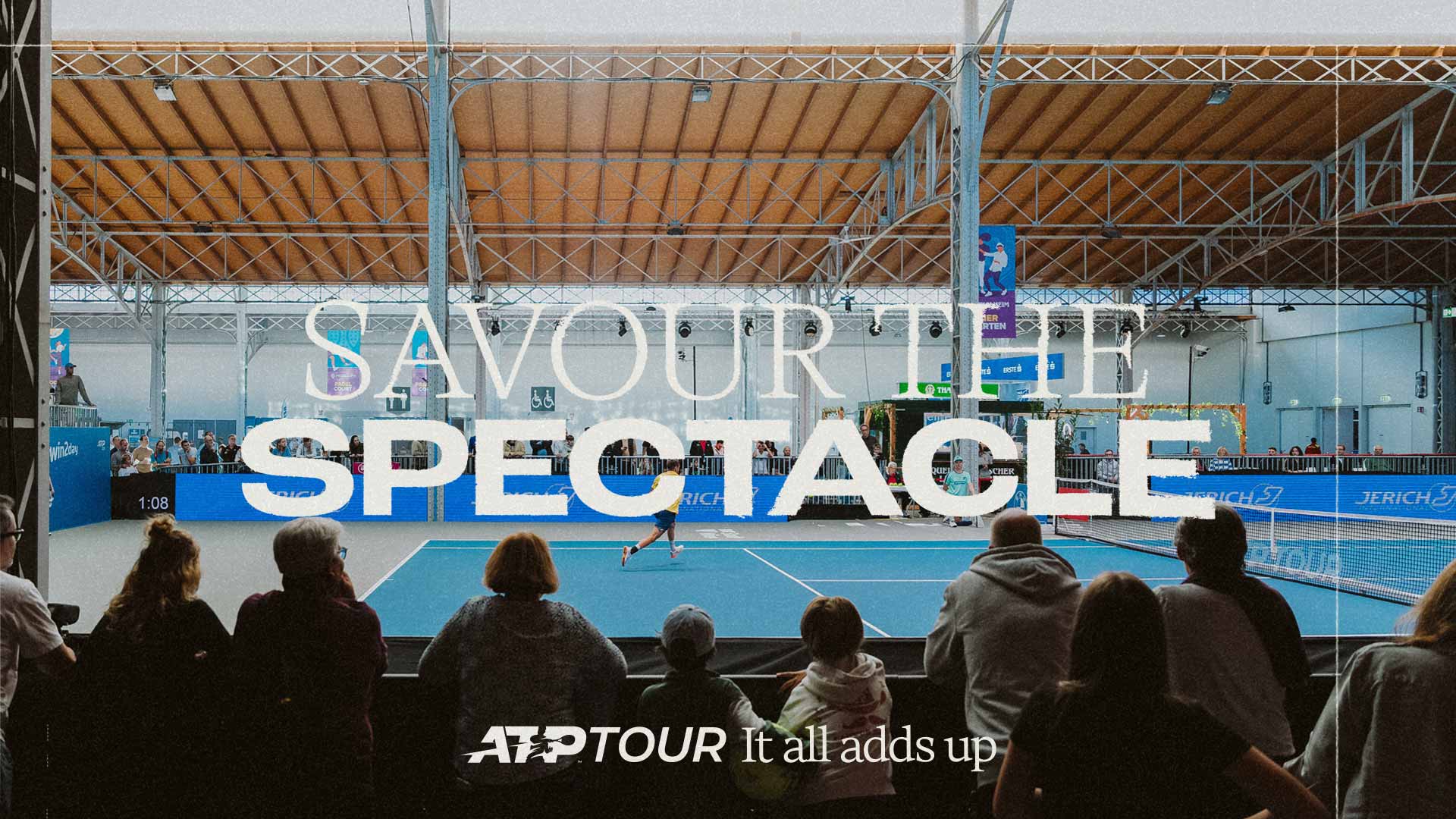
The new 1,400-seat practice stadium on Court 17 transforms warm-ups into communal rituals, giving top players a match-like setting to refine strokes away from main-draw glare. This dedicated space, unique in tennis, lets fans crowd close for glimpses of elite rhythms, turning sessions into electric previews that build shared anticipation without overwhelming the athletes. Managing director Charles Humphrey Smith describes it as a relaxed hub where spectators sample a day’s worth of world-class action, diffusing the isolation of grueling preparations.
“it’s a more relaxed environment and in one day, [fans] probably see two or three of the best players in the world here, so for them it’s sort of a buffet of the best,” Smith added.
Holger Rune, advancing to his first quarter-final here, logged three sessions on the court that honed his aggressive baseline game against diverse styles. He paired with Novak Djokovic to navigate heavy topspin exchanges, then faced Ugo Humbert and Miomir Kecmanovic to counter flatter shots ideal for Shanghai’s grippy surface. The added spectator space and safety features allowed bolder experiments with inside-in forehands and underspin defenses, preserving focus as fatigue mounts.
Rune emphasized the comfort it brings, noting how the setup supports rhythm when peaking form demands every edge. “it’s nice for players to have a nice match court to train on and also some practice in a more comfortable setting,” he said. “I actually had three practices on that new court. One with Novak [Djokovic], one with [Ugo] Humbert and one with [Miomir] Kecmanovic. There’s more space for the fans and it’s a safer environment, which is great.”
Alex de Minaur, holding seventh in the PIF ATP Live Race to Turin while eyeing a repeat Nitto ATP Finals berth, found joy in a hit with compatriot Rinky Hijikata on the pristine surface. His speed thrives in retrieving down-the-line attempts here, and the facility’s vibe amplified tests of return positioning against varied spins. Local fans’ unwavering support turns these moments into motivational surges, countering the mental drag of endless travel.
Grandstand roof bolsters tactical adaptability
Grandstand 2’s retractable roof, finished in a brisk eight-month sprint, shields its 5,000 seats with a design that protects the full court when closed or the adjacent piazza when open—a rarity in sports architecture. Weather has cooperated this week, invoking closure just once in the main draw’s early days, yet the structure reassures players against autumn’s whims, enabling seamless shifts between outdoor bounce and indoor pace. Its elegant form echoes the venue’s floral heritage, freeing competitors to dial in one–two combinations of serve and crosscourt forehand without elemental distractions.
Daniil Medvedev, the 2019 champion, launched his title defense against Dalibor Svrcina under this canopy, leveraging the reliability to sustain his flat-hitting precision. The consistent conditions suit his style, pushing depth on crosscourts to stretch opponents wide before targeting backhands with inside-out winners. He has long championed the event’s setup as a tactical oasis beyond the majors, where facilities foster unhurried refinements.
Medvedev revealed his deep affinity after the match, highlighting how the courts and atmosphere sustain his edge. “Since the first time I came here, I’ve always said it’s the best tournament we have on tour if we take out the Grand Slams,” he said. “Of course it’s just my opinion, but that’s my favourite tournament on Tour. I love coming back here, I love the facilities, I love the courts, I love everything around this place.”
Serbian Novak Djokovic, at 38 with a record four titles from 2012, 2013, 2015, and 2018 in his 11th outing since 2009, draws power from the venue’s fervor. Practices swell with cheers that mimic match intensity, fueling his all-court versatility—mixing slice approaches to jam returns before unleashing down-the-line backhands. This energy combats end-of-season wear, transforming crowd roars into tactical fuel for high-pressure points.
The Serb captured the electric bond, explaining how fans’ passion recharges his drive. “Every practice session it feels like playing a match,” Djokovic said. “The amount of people that are there, screaming and really willing to show their support and show their love and passion for what I do — I just love coming back and performing in front of the crowd that always gives me great energy, great vibes.” De Minaur shares this resonance, praising the Chinese crowds’ gratitude as a pleasure that sharpens resolve. “it’s a beautiful court and I had the chance to have a hit with a fellow Aussie Rinky [Hijikata] and that was a lot of fun,” he noted. “Whenever you are in China, they show such amazing support. The fans are great, they’re grateful, they love their tennis, and it’s always a pleasure to play in front of them.”
Venue evolution inspires enduring connections
Beyond the courts, the player lounge’s miniature golf course has doubled to 18 holes, each evoking Chinese landmarks for lighthearted escapes after dissecting opponent tendencies. Smith recalls sparking a casual tournament last year, offering pros a chance to bond over putts rather than point breakdowns, easing the grind of surface transitions. These touches ground the high-stakes environment in fun, reminding athletes of tennis’s human core amid qualification scrambles.
Tournament director Michael Luevano traces the center’s arc to its audacious beginnings, when the main stadium’s eight-piece retractable roof seemed too bold for approval. The magnolia symbolism swayed doubters, weaving cultural depth into the design that players still draw from for inspiration. He marvels at the progress two decades on, viewing Qizhong as a timeless icon.
Luevano reflected on the journey with vivid recall, tying personal history to the site’s legacy. “It’s an incredible journey we’ve been through and I remember seeing the early stages of architectural designs for the stadium,” he said. “I remember thinking, ‘Oh my God, they would never approve this. This eight-piece retractable roof type of stadium, it’s just too radical’. But then I heard the story behind it, that it represents the Shanghai magnolia flower and I said, ‘Okay, this is the one, now I understand’.”
The late Brad Drewett, former ATP Executive Chairman and once CEO of the International Region, made repeated visits from Sydney to oversee construction, hard hats in tow amid the sprawling site. Those inspections laid the groundwork for today’s innovations, blending vision with execution. As 2025‘s Shanghai Masters pulses forward, these layered upgrades—from practice intimacy to structural poise—equip players to navigate tactical mazes and emotional swells, setting the stage for breakthroughs that echo the venue’s storied resilience.